Colombia · Departamento de Casanare
Where to Stay in Yopal, Departamento de Casanare
Yopal, capital of Casanare, is the hub for Los Llanos in the Orinoquía region of Colombia, known for Musica Llanera and a central park.
Hotel links are affiliate links: booking through them may earn us a commission, at no extra cost to you. It never affects how places are ranked. How this works


Where to stay in Yopal
Where visitors usually base themselves, and why.
Yopal is small enough to cross. The central park sits at its middle, and a bed within a few streets of it puts the Casa Museo Ocho de Julio de Yopal, the food, and the cafés that pour tinto all inside the same short walk. Most visits are short.
Yopal works as the capital of Casanare and the second city of the Orinoquía region after Villavicencio, so a great many travellers stop one night and move on into Los Llanos the following morning. That pattern decides where to stay. If you have come for the plains and their wildlife, take a bed on the way out of town rather than in the middle of it, because the departures for Los Llanos leave early and the walk back across Yopal in the dark is the part nobody plans for.
Hikers want the other end. Ground for walking lies around the Casanare capital rather than inside it, and a stay toward the edge of Yopal shortens the start of any day spent out on foot. The museum is the one fixed appointment.
The Casa Museo Ocho de Julio de Yopal holds the town's own record, and it is the one thing in Yopal worth planning an hour around.
Find hotels in Yopal
Direct booking searches for these neighbourhoods.
Around the central park
The central park of Yopal puts the Casa Museo Ocho de Julio and the cafés that pour tinto within a couple of streets of each other.Find hotels in Around the central parkEarly starts into Los Llanos from the Casanare capitalThe Llanos road out
Beds on the way out of Yopal toward Los Llanos suit travellers leaving before light for the plains and their wildlife. Lodging is scarce in this area; reserve in advance.Find hotels in The Llanos road outOne-night stops between Villavicencio and the Casanare plainsThe Orinoquía hub streets
Yopal ranks as the second city of the Orinoquía after Villavicencio, and the blocks around its transport suit a single night in transit.Find hotels in The Orinoquía hub streetsHotel links are affiliate links: booking through them may earn us a commission, at no extra cost to you. It never affects how places are ranked. How this works
About Yopal
Musica Llanera plays here.
What is Yopal known for?
Yopal serves as the capital of Casanare and, after Villavicencio, the second city of the Orinoquía region, which makes it the practical hub for anyone heading out into Los Llanos and the wildlife of the plains. A central park sits at the middle of it. The Casa Museo Ocho de Julio de Yopal keeps the town's record, and a cup of tinto on the way past is as much a part of the visit as the walking is.
What are the main landmarks in Yopal?
One named site carries Yopal's history. The Casa Museo Ocho de Julio de Yopal holds the record of the town and of Casanare around it, and it is the reason most short visits include a walk through the centre at all. A central park anchors the rest.
Beyond the streets, Los Llanos supplies the landmarks that matter to most travellers, an open country of wildlife and walking ground that Yopal exists to reach.
What is the history of Yopal?
Yopal is a recent arrival. The town dates from 1915, which sets it apart from the colonial foundations elsewhere in Colombia and places its whole history inside the modern era of Casanare. Los Llanos came first.
The plains of the Orinoquía were llanero country long before a municipality was drawn on them, and Musica Llanera belongs to that older life rather than to the town that later became its administrative centre. Casanare made Yopal its capital. The department needed a seat on the plains, and the town grew into the role, becoming the second city of the Orinoquía region after Villavicencio and the point through which most movement into Los Llanos passes.
A museum carries the account. The Casa Museo Ocho de Julio de Yopal preserves what the municipality keeps of its own past, a short record by the standards of Colombia but the one the town holds. The plains still set the terms.
Wildlife, walking ground, and the road out to Los Llanos shape what Yopal does, and the tinto and the Musica Llanera of the Casanare capital carry the llanero culture the region has always had.
Where is Yopal?
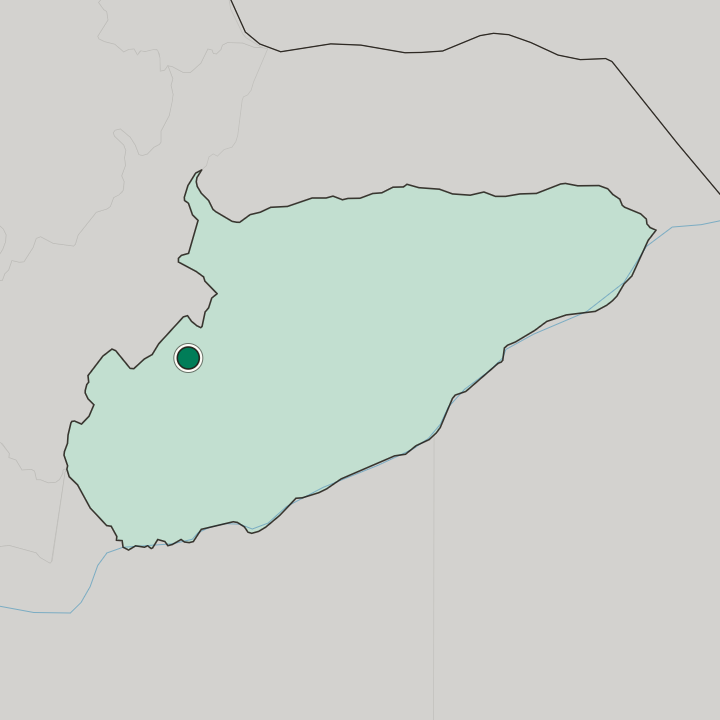
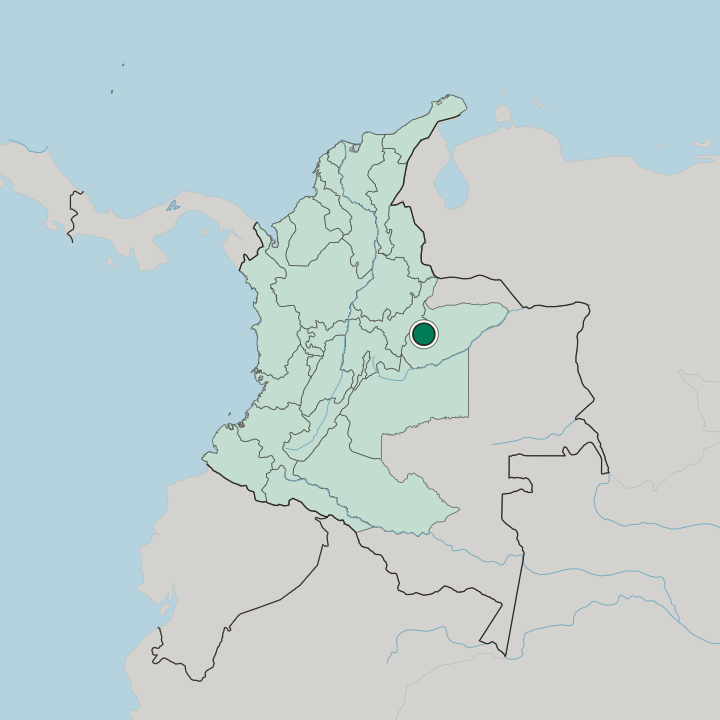
Yopal stands on the plains of Casanare. The municipality is mostly open country. Yopal occupies one part of the Orinoquía region of Colombia, a broad territory of plain and wildlife in which Casanare's capital is the largest place after Villavicencio.
Walking ground lies within reach of it, and the open country of Los Llanos begins beyond the streets.
What is the climate of Yopal?
Los Llanos governs the weather. Yopal lies in the tropics on open plain, so the heat of the day builds without relief from any range or coast, and the year divides into a wet half and a dry one rather than into warm and cold. Shade is scarce out there.
Travellers heading into Los Llanos from the Casanare capital carry water and a hat, and a tinto in the shade of the central park is the standard answer to the middle of the afternoon.
How do you get to Yopal?
Yopal is the way into Casanare. The city works as the hub of the department and the second point of the Orinoquía region after Villavicencio, so travellers heading for Los Llanos pass through it whether they arrive from the interior of Colombia or from the plains themselves. Onward travel starts here.
Tours out into Los Llanos and its wildlife are arranged from Yopal rather than from the plains, which is the main reason the Casanare capital appears on an itinerary at all.
Common questions
What is the best area to stay in Yopal?
Around the central park: Walking distance to the Casa Museo Ocho de Julio de Yopal. The Llanos road out: Early starts into Los Llanos from the Casanare capital. The Orinoquía hub streets: One-night stops between Villavicencio and the Casanare plains.
Updated September 2026