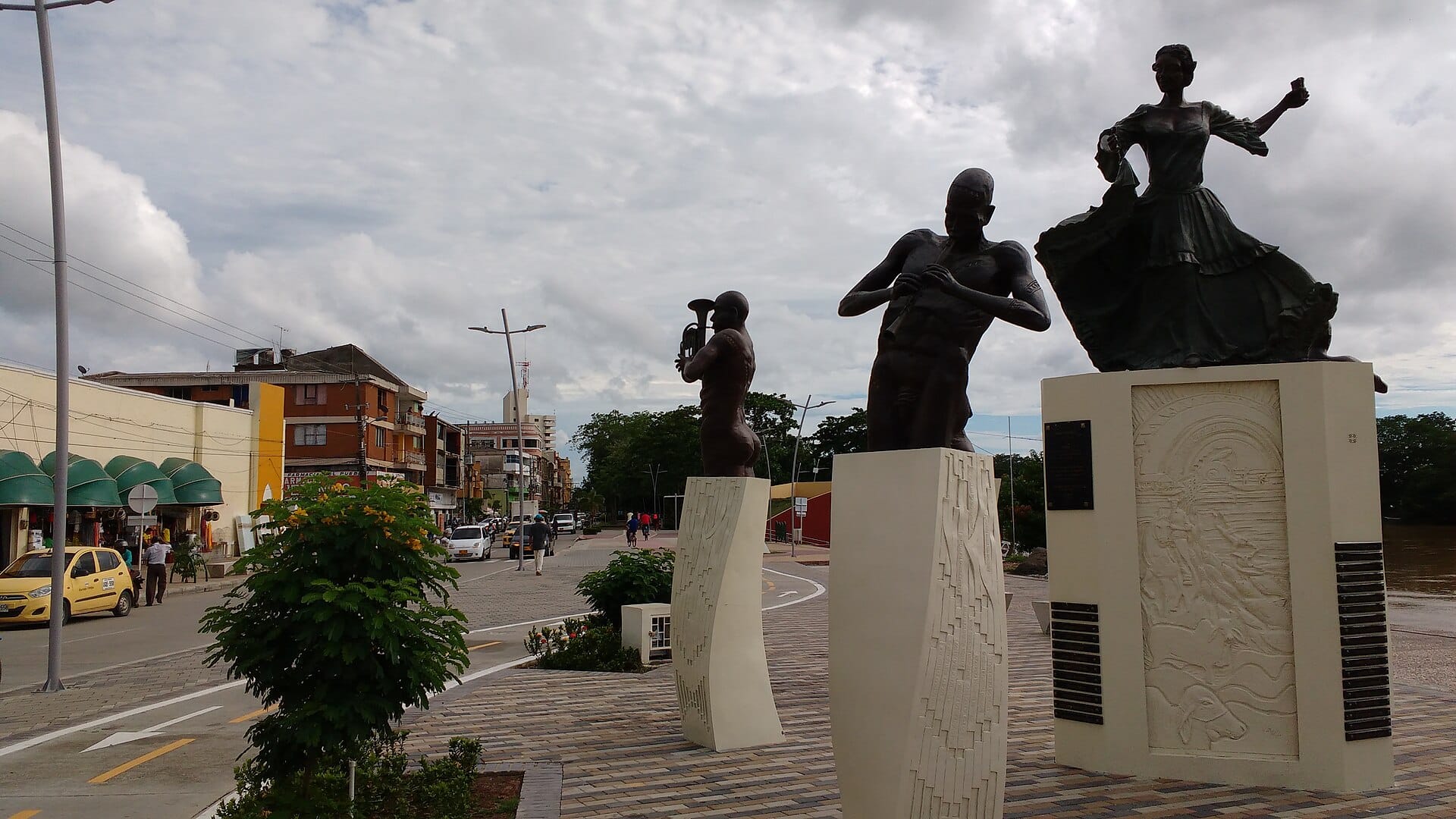
Colombia · Departamento de Córdoba
Where to Stay in Montería, Departamento de Córdoba
Montería stands on the Sinú in northern Colombia, capital of Córdoba, known for the Sombrero Vueltiao and for porro folk music.
Hotel links are affiliate links: booking through them may earn us a commission, at no extra cost to you. It never affects how places are ranked. How this works


Where to stay in Montería
How the choice of base plays out on the ground.
Montería spreads back from the Sinú, and the river decides most of the choice. Blocks near the water put the Sinú and the wharves of the inland seaport within reach, which suits travellers who want the river in view from the first morning onward. Beds fill fast on event nights.
The Coliseo Miguel Happy Lora pulls crowds from across Córdoba, and the streets nearest the arena stay awake far longer than the rest of the city whenever it is in use. Quiet returns by morning. Inland from the bank, the departmental capital keeps a quieter grid.
The seaport quarter reads differently again: Montería's inland harbour links the city to the Caribbean Sea along the Sinú, and a stay there sits beside working water rather than a visitor front. Choose by what brought you. If you have come for the Sombrero Vueltiao or for porro, base yourself in the city rather than out toward the coast, because the Zenú craft and the music both belong to this stretch of the Sinú valley.
Córdoba's capital is not a beach town, and the Caribbean Sea stays a journey away rather than a view from the balcony.
Find hotels in Montería
Direct booking searches for these neighbourhoods.
Riverside Montería
Blocks by the water put the Sinú River and the wharves of Montería's inland seaport within a short walk of each other.Find hotels in Riverside MonteríaNights when the Coliseo Miguel Happy Lora has something onAround the Coliseo Miguel Happy Lora
The Coliseo Miguel Happy Lora draws crowds from across Córdoba, and the streets beside it keep going long after the rest of the capital settles.Find hotels in Around the Coliseo Miguel Happy LoraStays beside the working water that links Montería to the Caribbean SeaThe inland seaport
Montería's inland seaport reaches the Caribbean Sea along the Sinú, and beds there sit against a cargo waterfront rather than a visitor front.Find hotels in The inland seaportHotel links are affiliate links: booking through them may earn us a commission, at no extra cost to you. It never affects how places are ranked. How this works
About Montería
The Sombrero Vueltiao comes from here.
What is Montería known for?
Woven in the Zenú tradition of the Córdoba lowlands, the hat became a national symbol of Colombia, and Montería carries that craft alongside porro, the folk music of the Sinú valley. Córdoba's capital sits inland from the coast. Its cultural mix runs deep, drawing on colonial Spanish descendants, Indigenous Zenú communities, Crypto-Jewish families, and later arrivals from the Middle East.
What are the main landmarks in Montería?
Montería's landmark list is short but pointed. The Coliseo Miguel Happy Lora serves as the city's arena, the venue that draws crowds in from the surrounding streets whenever anything large is staged. The Sinú does the rest of the work, a river running through the city toward the Caribbean Sea, with the wharves of the inland seaport standing as the other structure worth walking to.
What is the history of Montería?
Montería dates from 1777, a Spanish foundation placed on the bank of the Sinú well inland from the Caribbean Sea. Its founders chose the riverbank. Long before the town was laid out, the Zenú held the floodplains of what is now Córdoba, and their weaving tradition outlived the colonial centuries to become the craft behind the Sombrero Vueltiao.
That hat stands as a national symbol of Colombia. Successive arrivals layered the town. Descendants of colonial Spanish settlers, Crypto-Jewish families, and later immigrants from the Middle East made their homes alongside the Zenú, and the mixture produced a regional culture distinct from the coast it never quite joined.
Porro came out of that mixture, the folk music that the Sinú valley sends outward. The city took on the role of departmental capital, and its inland seaport tied Córdoba to the Caribbean Sea through the only channel available, the Sinú itself, which runs some fifty kilometres down to salt water. The Coliseo Miguel Happy Lora belongs to a later chapter, the arena that gives modern Montería a gathering place at civic scale.
River, hat, and music remain the constants. Each of the three reaches back to the Zenú plains and the water that crosses them, and each still marks the city more plainly than any building does.
Where is Montería?
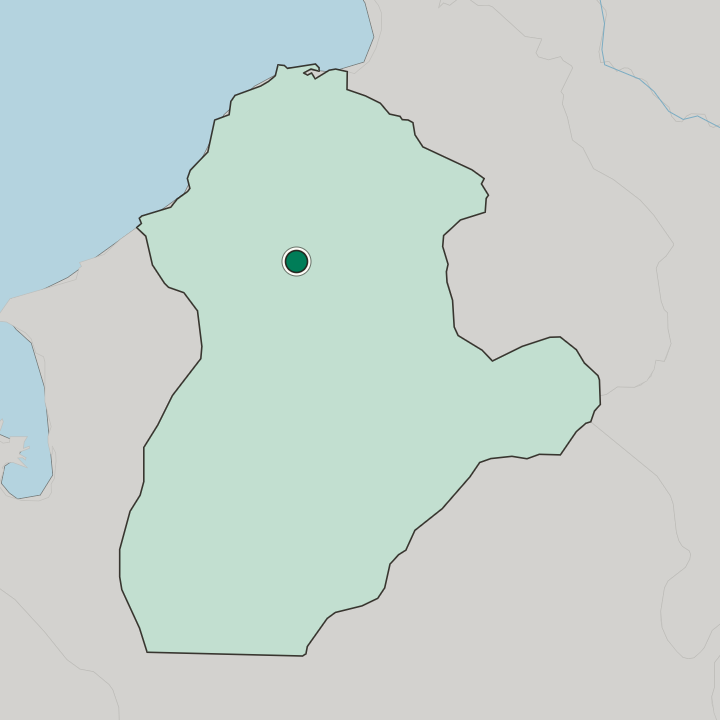
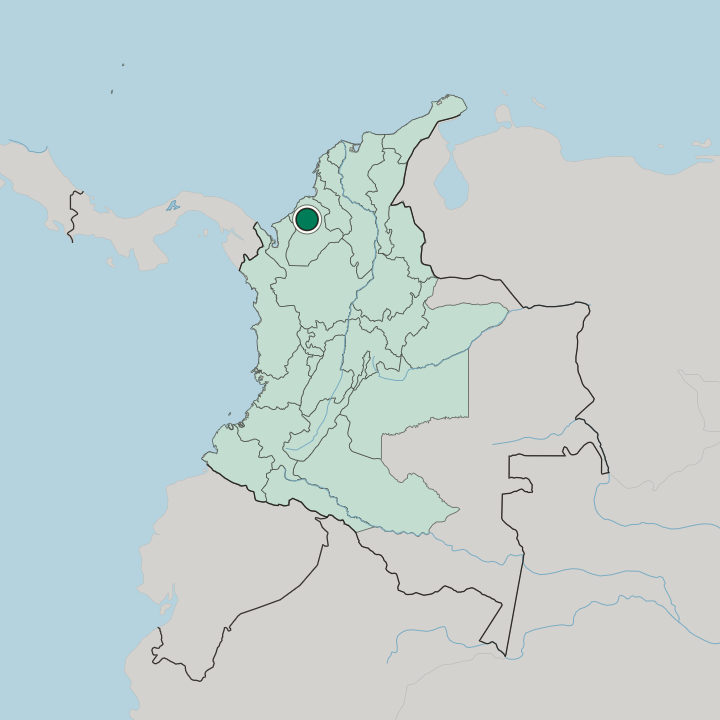
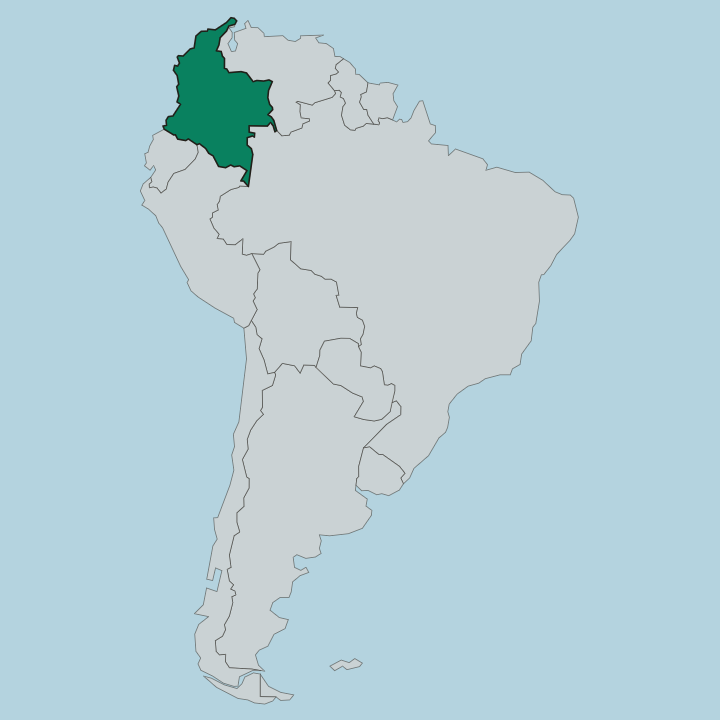
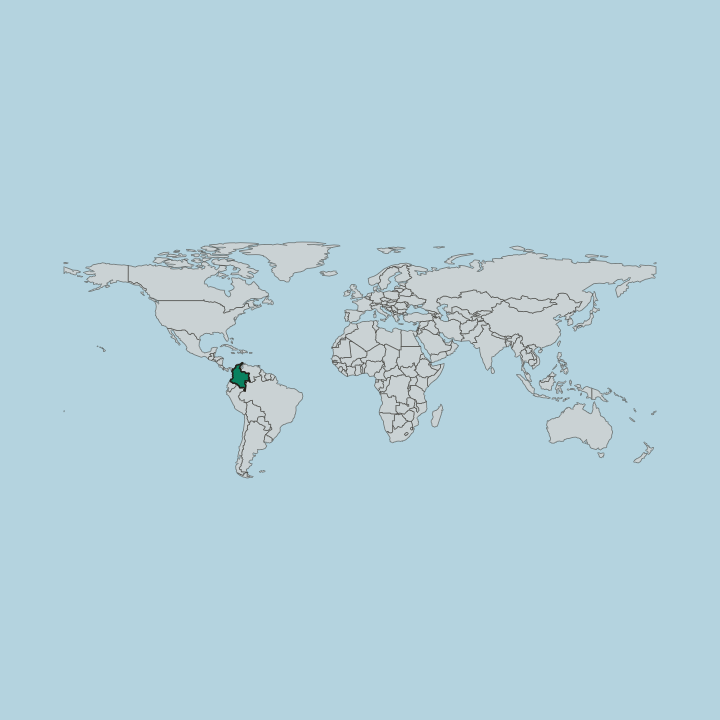
Montería stands on the Sinú in northern Colombia, the capital of the Department of Córdoba. The sea lies fifty kilometres off. That gap is the whole point of the place: close enough to the Caribbean Sea for the Sinú to carry river craft down to it, far enough for the city to belong to the interior of Córdoba rather than the shore.
The municipality itself covers a wide stretch of that interior.
What is the climate of Montería?
Heat holds along the Sinú. Montería lies in the tropics and well inland, so the Caribbean Sea tempers the air far less here than it does on the shoreline, and the wet and dry turns of the year register more than any swing in temperature. Rain, not cold, marks the calendar across Córdoba.
Travellers pack for humidity, and the shade of the riverbank does more good in the middle of the day than anything else in the city.
How do you get to Montería?
The Sinú is Montería's oldest way in. Its inland seaport connects to the Caribbean Sea along the river, so cargo has long reached the city by water even though the coast itself lies fifty kilometres away. Most travellers arrive overland.
Montería serves as the departmental capital of Córdoba, and the roads that gather there make it the hinge for movement between the interior and the Caribbean coast.
Common questions
What is the best area to stay in Montería?
Riverside Montería: Travellers who want the Sinú and the seaport wharves in view. Around the Coliseo Miguel Happy Lora: Nights when the Coliseo Miguel Happy Lora has something on. The inland seaport: Stays beside the working water that links Montería to the Caribbean Sea.
Updated September 2026