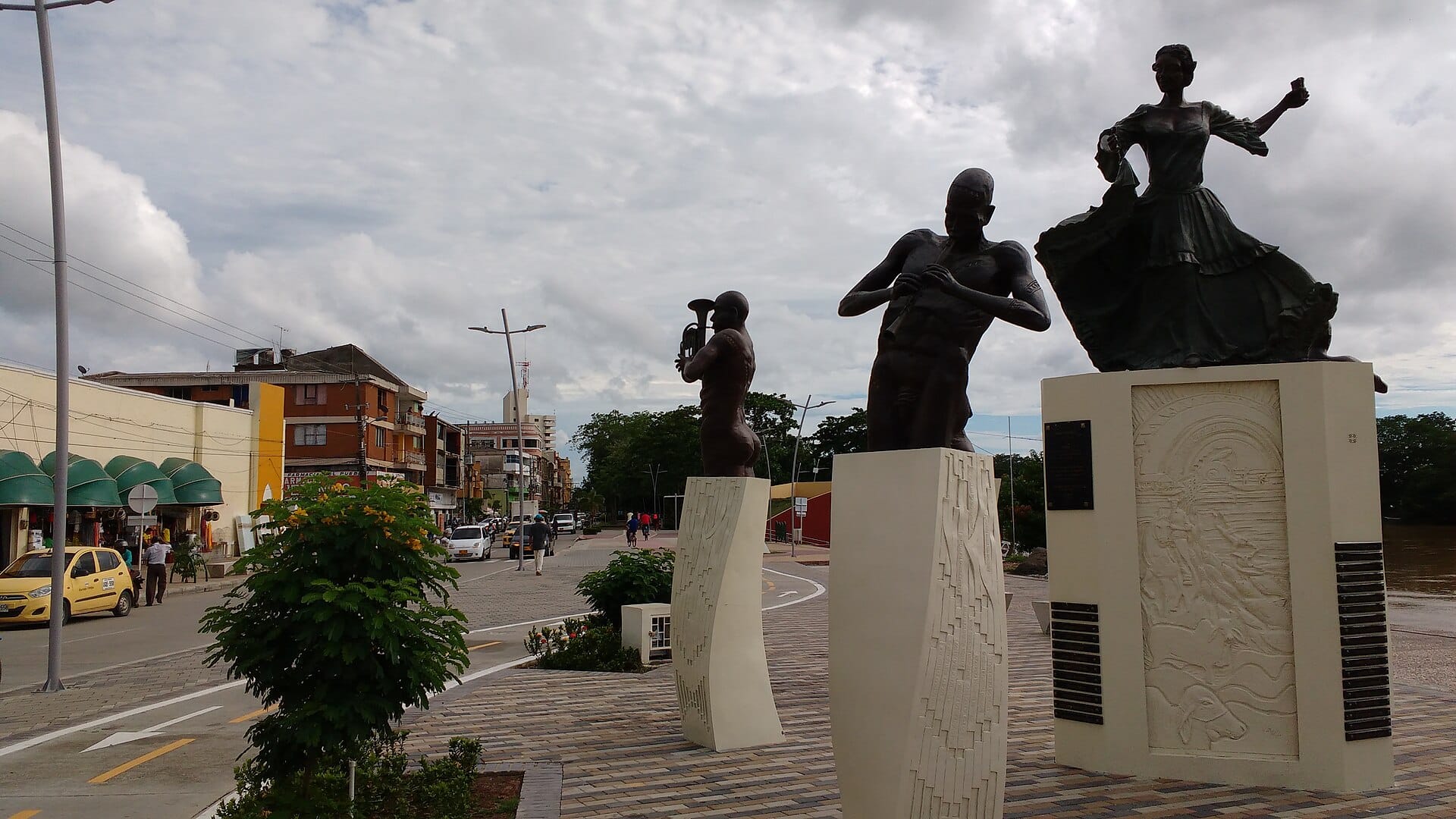
Colombia
Departamento de Córdoba, Colombia — Towns & Travel Guide
Córdoba is Colombia's cattle department on the Caribbean, where the Sinú River threads north through savanna to Montería and the sea.
Hotel links are affiliate links: booking through them may earn us a commission, at no extra cost to you. It never affects how places are ranked. How this works


Towns & cities in Departamento de Córdoba
One town here has its own guide — it links to where to stay.

 Colombia
Montería
Montería stands on the Sinú in northern Colombia, capital of Córdoba, known for the Sombrero Vueltiao and for porro folk music.Where to stay →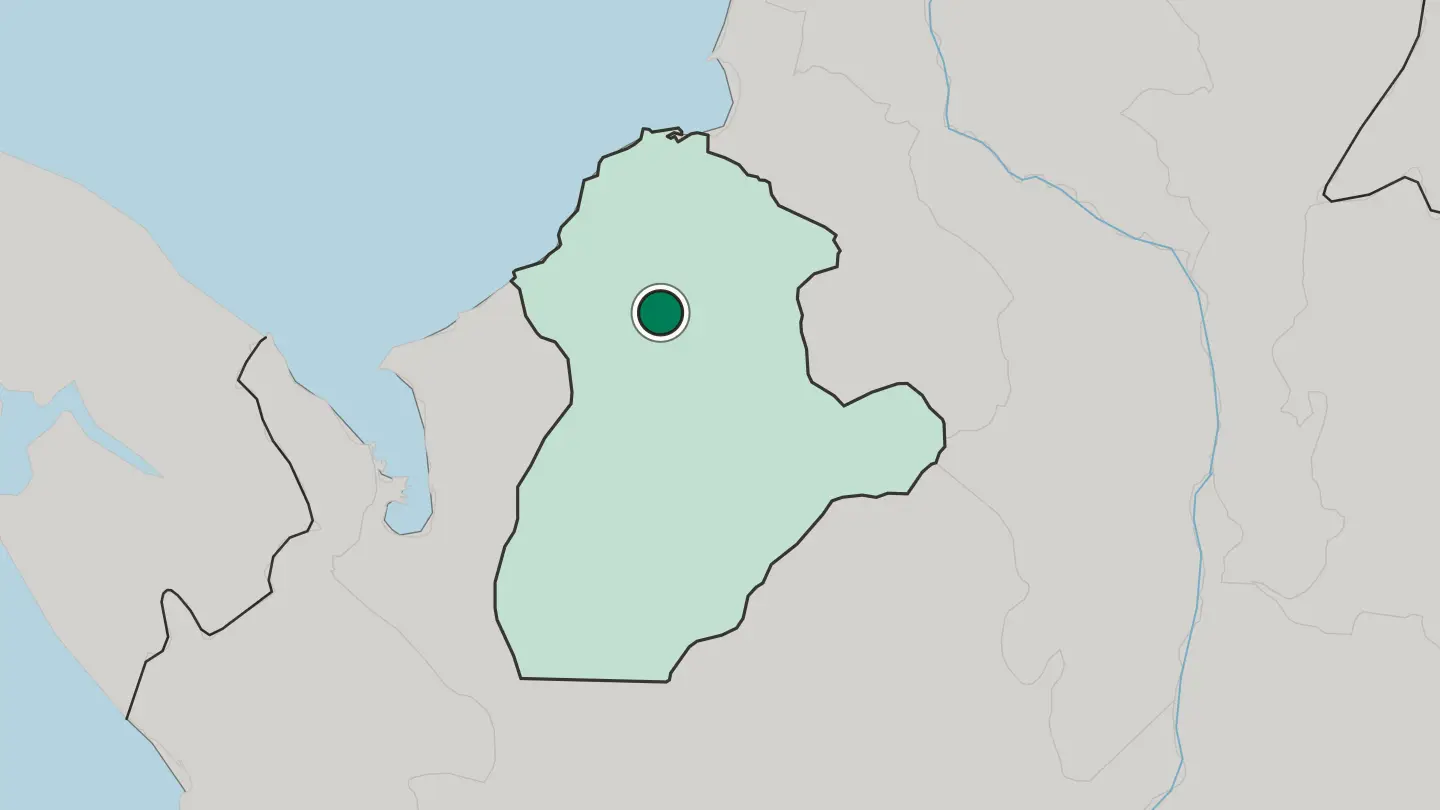
Hotel links are affiliate links: booking through them may earn us a commission, at no extra cost to you. It never affects how places are ranked. How this works
About Departamento de Córdoba
This is cattle country.
What is Departamento de Córdoba known for?
Córdoba fills the lowland plains of Colombia's Caribbean north, and its herds and rice fields feed much of the coast. The Sinú River is the spine of it all, running down the middle to Montería, the capital and only large city. Off the plains, the Zenú kept an older claim: their caña-flecha weavers still braid the black-and-white sombrero vueltiao that became a symbol of the whole country.
Sinú-valley cooking, cumbia rhythms, and long flat cattle ranches are what most people picture here.
Where is Departamento de Córdoba?
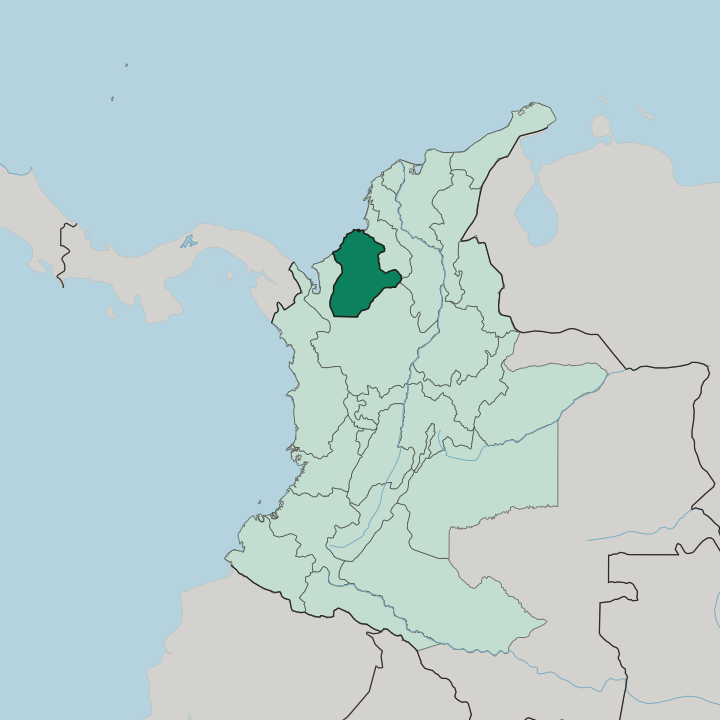
Córdoba occupies the Caribbean lowlands of northern Colombia. The Caribbean Sea forms its whole northern edge, and three departments wrap the rest: Sucre to the north-east, Bolívar to the east, and Antioquia along the mountainous south. Two rivers organise the land.
The Sinú River rises in the Paramillo massif in the far south, then runs north for some 415 kilometres across the plain, past Montería, before spilling into the Caribbean near San Antero at the Boca de Tinajones. East of it, the San Jorge River drains a second valley toward the Cauca. Most of the department is flat.
Cattle savanna and rice fields stretch between the two river valleys, threaded with wetlands and seasonal floodplain that the water leaves behind. Only the south breaks the pattern. There the ground climbs into the northern spurs of the Andes, and Paramillo National Natural Park protects the forested headwaters where both rivers begin.
Along the top, the coast meets the Gulf of Morrosquillo, a shallow bend of the Caribbean shared with Sucre. Mangroves line the Sinú's mouth. The land is low, wet, and green, shaped far more by its rivers than by any hill.
What is Departamento de Córdoba like?
Two threads run through Córdoba's culture: the cattle ranch and the Zenú loom. The Zenú were here first. Long before the Spanish, they engineered a vast network of canals across the Sinú floodplain, farming ground that flooded each year, and their goldsmiths worked the cast-filigree pieces now scattered through Colombia's museums.
Their weavers never stopped. From the caña-flecha reed that grows along the rivers, Zenú artisans in towns like Tuchín still braid the sombrero vueltiao, the fine black-and-white hat that Colombia adopted as a national emblem. The other thread is the plain itself.
Ranching set the rhythm of Córdoba life, and the food follows the river and the herds: sancocho stews, fried mojarra from the Sinú, and roadside stands selling suero and queso costeño. Music is coastal. Cumbia, porro, and fandango carry the accordion-and-drum sound of the Colombian Caribbean, loudest during the town patron-saint fiestas.
Spanish is the common language, spoken in the fast, clipped costeño accent of the coast. It is a rural, river-fed culture, more savanna and marketplace than city.
What is the history of Departamento de Córdoba?
The Sinú valley is old ground. For roughly two thousand years the Zenú held it, running the province of Finzenú along the river and building the canals that tamed its floods, until Spanish expeditions in the sixteenth century broke that world and looted its gold. Colonial towns like Santa Cruz de Lorica grew up as river ports on the Sinú, moving cattle and goods down to the coast.
The department itself is young. Córdoba was carved out of Bolívar and formally created in 1952, taking its name from the independence general José María Córdova and its capital at Montería.
What is the climate of Departamento de Córdoba?
Córdoba is hot all year. Sitting in the Caribbean lowlands, it holds a tropical savanna climate, with Montería averaging around 28 degrees and little seasonal swing in temperature. Rain is the real calendar.
A dry season roughly from December to March keeps the plains parched and draws most visitors, before the wet months from about April to November swell the Sinú River and flood its low ground. The forested Paramillo highlands in the south stay cooler and far wetter than the baking savanna below.
How do you get to Departamento de Córdoba?
Most people fly in. Los Garzones airport at Montería links the department to Bogotá, Medellín, Cartagena, and Barranquilla, and it is the gateway for the coast as well. By land, the road down from Medellín through Antioquia and the coastal highway from Cartagena both reach the plains.
From Montería it is a short run to the Caribbean shore. Buses connect the capital with San Antero and the beaches on the Gulf of Morrosquillo, an hour or two north.
Common questions
What is the best area to stay in Departamento de Córdoba?
Montería: the Sinú river-city and onward flights. San Antero: the Sinú delta and Cispatá mangroves. Santa Cruz de Lorica: the historic river-port market.
More regions in Colombia
- Distrito Capital de Bogotá
- Departamento de Antioquia
- Departamento del Valle del Cauca
- Departamento de Cundinamarca
- Departamento del Atlántico
- Departamento de Santander
- Departamento de Bolívar
- Departamento de Nariño
- Departamento de Norte de Santander
- Departamento del Cauca
- Departamento del Magdalena
- Departamento de Tolima
Updated September 2026