Colombia · Departamento de Sucre
Where to Stay in Sincelejo, Departamento de Sucre
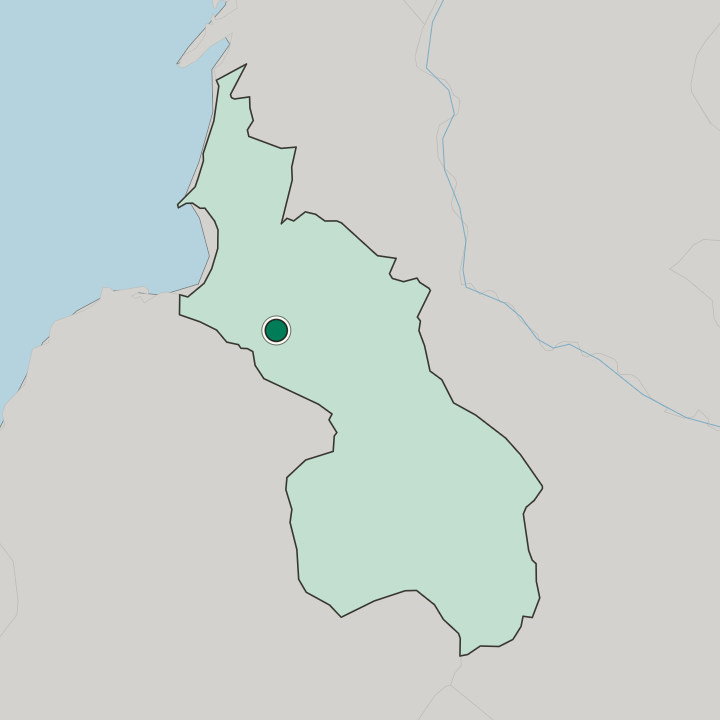
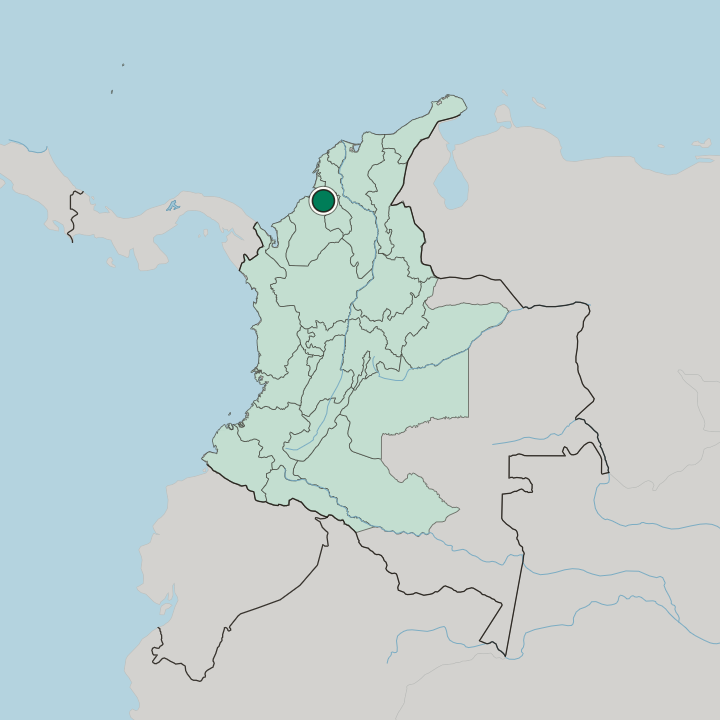
Sincelejo, capital of Sucre and of its Sabanas subregion, stands inland from the Gulf of Morrosquillo in the Caribbean region of Colombia.
Hotel links are affiliate links: booking through them may earn us a commission, at no extra cost to you. It never affects how places are ranked. How this works


Where to stay in Sincelejo
Where visitors usually base themselves, and why.
Beds in Sincelejo gather within a few blocks of St. Francis of Assisi Cathedral, and that walk covers most of what a visitor to the capital of Sucre actually needs. A central room puts the departmental offices, the cathedral itself, and the long-distance bus stands inside an easy circuit, which suits you if the reason for coming is business in the department rather than a run out to the sea. Walking distances stay short.
Little about the layout demands a car. The rest of the choice turns on which road matters more. Rooms near the way out toward the Gulf of Morrosquillo suit travellers whose plan is the Caribbean Sea, since the shore stands about 30 kilometers off and the drive is short enough to make Sincelejo a base rather than a stop.
Beds thin at the edges. Anyone breaking the long haul between Cartagena and Barranquilla tends to take those same edges, because both cities lie a serious distance down the road, 125 kilometers to Cartagena and 200 kilometers to Barranquilla, and a savanna crossing is better begun early. Heat is the other consideration everywhere in the Sabanas, so a room chosen for its ventilation earns its keep in any quarter of the city.
Find hotels in Sincelejo
Direct booking searches for these neighbourhoods.
Cathedral blocks
Everything within a walk of St. Francis of Assisi CathedralFind hotels in Cathedral blocksDay runs down to the Gulf of MorrosquilloThe Morrosquillo side
On the way the traffic leaves the Sabanas for the shore. Few places to stay nearby — book ahead.Find hotels in The Morrosquillo sideBreaking the haul between Cartagena and BarranquillaThe Cartagena road
Beside the through route across the savanna of Sucre. Rooms are few around here — worth securing early.Find hotels in The Cartagena roadHotel links are affiliate links: booking through them may earn us a commission, at no extra cost to you. It never affects how places are ranked. How this works
About Sincelejo
This is a working departmental capital.
What is Sincelejo known for?
Sincelejo is the largest city of Sucre and the seat of the Sabanas, the inland savanna country that lies between the shore of the Gulf of Morrosquillo and the interior of Colombia. St. Francis of Assisi Cathedral marks the centre. Cartagena and Barranquilla sit farther along the Caribbean region, each of them a road journey off, so what happens in the Sabanas happens here.
What are the main landmarks in Sincelejo?
St. Francis of Assisi Cathedral is the monument the city is known by. It rises over the middle of Sincelejo, the fixed point in a low skyline, and it gives the capital of Sucre the one piece of heritage architecture that most arrivals map before they set out. Few other monuments make the record.
The interest of the place lies instead in the routes that cross it, between the Gulf of Morrosquillo, Cartagena, Barranquilla, and the savanna of the Sabanas behind.
What is the history of Sincelejo?
Sincelejo carries a founding date of 1535, early even by the measure of the Spanish Caribbean. Few monuments of that first century survive on the record, so the story that reaches a visitor is administrative rather than architectural, a sequence of boundaries drawn and redrawn over the savanna of the Sabanas. Sucre came much later.
When the department was constituted Sincelejo took the capital's part, and with it the offices and the traffic that a departmental seat collects. St. Francis of Assisi Cathedral remains the standing marker of the older town. The Sabanas subregion, whose capital Sincelejo also is, handed the city a second and more local authority over the inland country lying between the Gulf of Morrosquillo and the interior of Colombia.
Road distance accounts for the rest. Cartagena at 125 kilometers and Barranquilla at 200 kilometers were always the larger poles of the Caribbean region, and Sincelejo grew as the point where the roads between them met the savanna, never as a port of its own. That inland footing is the whole of its character, and it explains why the city reads as a market and government town rather than as one more stop on the Caribbean shore.
Where is Sincelejo?
Flat savanna runs out on every side. Sincelejo stands on the Sabanas about 30 kilometers back from the Gulf of Morrosquillo, near enough to the water for the coast to be part of the working week and far enough that the city belongs to the inland country rather than to the shore. That distinction organises the whole department of Sucre.
Cartagena and Barranquilla hold the Caribbean coastline farther off.
What is the climate of Sincelejo?
The Caribbean does the tempering. Sincelejo lies low in the tropical band a short way in from the Gulf of Morrosquillo, so warmth holds across the calendar and the real difference between one month and the next is rainfall rather than temperature. Wet months, then dry ones.
The savanna of the Sabanas browns and greens with them.
How do you get to Sincelejo?
Buses and highways bring everyone in. Sincelejo stands where the routes across the Sabanas meet, 125 kilometers out from Cartagena and 200 kilometers from Barranquilla, the two cities of the Caribbean region that generate most of the long-distance traffic into Sucre. Closer at hand the Gulf of Morrosquillo lies about 30 kilometers off, which puts the Caribbean Sea within an easy run of the city.
Common questions
What is the best area to stay in Sincelejo?
Cathedral blocks: First nights in the capital of Sucre. The Morrosquillo side: Day runs down to the Gulf of Morrosquillo. The Cartagena road: Breaking the haul between Cartagena and Barranquilla.
Updated September 2026