Colombia · Departamento del Caquetá
Where to Stay in Florencia, Departamento del Caquetá
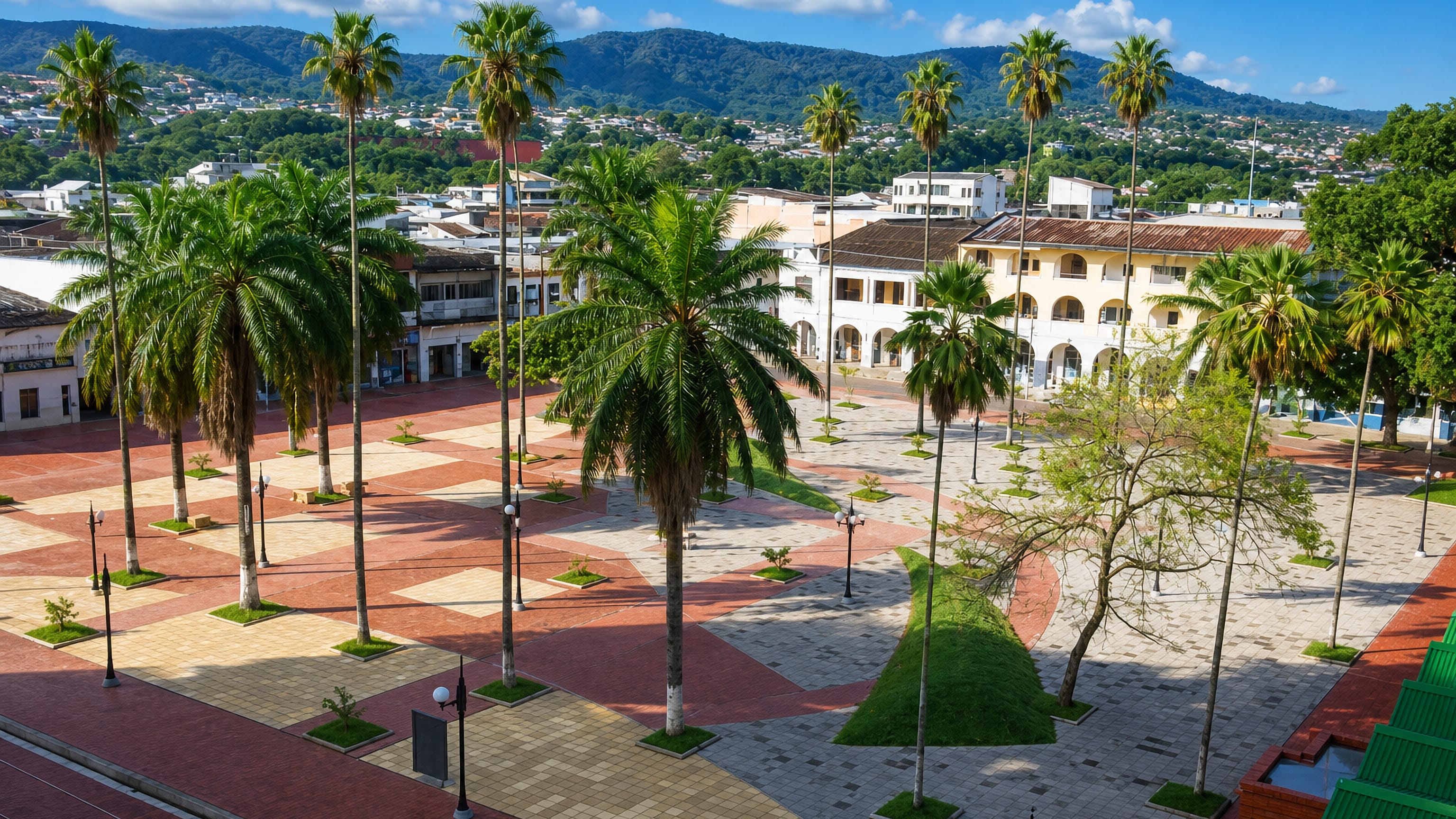
Florencia, founded in 1902 in the Departamento del Caquetá, is known for the Our Lady of Lourdes Cathedral and the Edificio Curiplaya.
Hotel links are affiliate links: booking through them may earn us a commission, at no extra cost to you. It never affects how places are ranked. How this works


Where to stay in Florencia
Where visitors usually base themselves, and why.
Florencia is a compact place to stay in. The Our Lady of Lourdes Cathedral marks the centre, and a bed within a few blocks of it leaves the iglesia de Nuestra Señora Madre de la Iglesia and the Edificio Curiplaya as the other two stops worth making, which is most of what the city has to show. Events change that.
The Coliseo cubierto Juan Viessi is the one venue in Florencia built to hold a crowd, and rooms near it fill when something is on there, so booking ahead matters more on those nights than on any other. The municipality is much larger than the city. Florencia's territory runs well past the built streets into the Caquetá country, and a bed out there gives space and quiet at the cost of every walk becoming a drive.
Heat argues for staying central. The city sits in the tropics, and a short distance between your room, the Our Lady of Lourdes Cathedral, and wherever the evening ends up is worth more here than a view or a quiet street. One rule holds for a first visit.
Stay in the middle of Florencia, because the four named landmarks of the Caquetá city are the whole of what a short visit will cover.
Find hotels in Florencia
Direct booking searches for these neighbourhoods.
Around the cathedral
The Our Lady of Lourdes Cathedral marks the centre of Florencia, and the streets around it hold most of what a short stay needs.Find hotels in Around the cathedralNights when the Coliseo cubierto Juan Viessi has an eventBy the Coliseo cubierto Juan Viessi
The Coliseo cubierto Juan Viessi draws Florencia to one place for anything large, and a bed nearby saves the walk back across town. Lodging is scarce in this area; reserve in advance.Find hotels in By the Coliseo cubierto Juan ViessiSpace beyond the built streets of the Caquetá cityThe outer municipality
The municipality of Florencia reaches far past its streets into the Caquetá country, and beds out there trade walkability for room. Rooms are few around here — worth securing early.Find hotels in The outer municipalityHotel links are affiliate links: booking through them may earn us a commission, at no extra cost to you. It never affects how places are ranked. How this works
About Florencia
Four named sites define Florencia.
What is Florencia known for?
The Our Lady of Lourdes Cathedral gives the city its principal church, and the iglesia de Nuestra Señora Madre de la Iglesia stands beside it on the list of buildings the municipality of Caquetá records. Two secular buildings complete it. The Edificio Curiplaya is the one building on the list known by its own name rather than a dedication, and the Coliseo cubierto Juan Viessi provides the covered arena where Florencia gathers for anything too large for a hall.
What are the main landmarks in Florencia?
Four landmarks are recorded for Florencia. The Our Lady of Lourdes Cathedral is the principal one, dedicated to Our Lady of Lourdes and serving as the cathedral church of the Caquetá city, while the iglesia de Nuestra Señora Madre de la Iglesia holds the second of the two church dedications. Then come the two others.
The Edificio Curiplaya is listed as a building in its own right, and the Coliseo cubierto Juan Viessi, named for Juan Viessi, gives Florencia its covered arena.
What is the history of Florencia?
Florencia dates from 1902. That makes it a twentieth-century foundation, and the built record of the Caquetá city begins in that period rather than in the colonial one. Churches account for half the list.
The Our Lady of Lourdes Cathedral serves as the principal church of Florencia and carries the Marian dedication to Our Lady of Lourdes that names it, while the iglesia de Nuestra Señora Madre de la Iglesia holds the second of the city's two recorded churches. Civic building followed a different line. The Edificio Curiplaya stands on the record as a building in its own name, one of the few structures the municipality of Caquetá lists apart from its churches.
Then came the arena. The Coliseo cubierto Juan Viessi, carrying the name of Juan Viessi, gave Florencia a covered hall large enough for the events a departmental city needs to hold, and it remains the place the city gathers at scale. The municipality grew outward from that core.
Florencia's territory in the Departamento del Caquetá covers a wide stretch of tropical country, far more ground than the streets themselves occupy, and the city has been the fixed point in it since 1902. Its record is short and clear. A century of building in Colombia produced four named landmarks, two of them churches, and together they are the whole documented fabric of Florencia.
Where is Florencia?
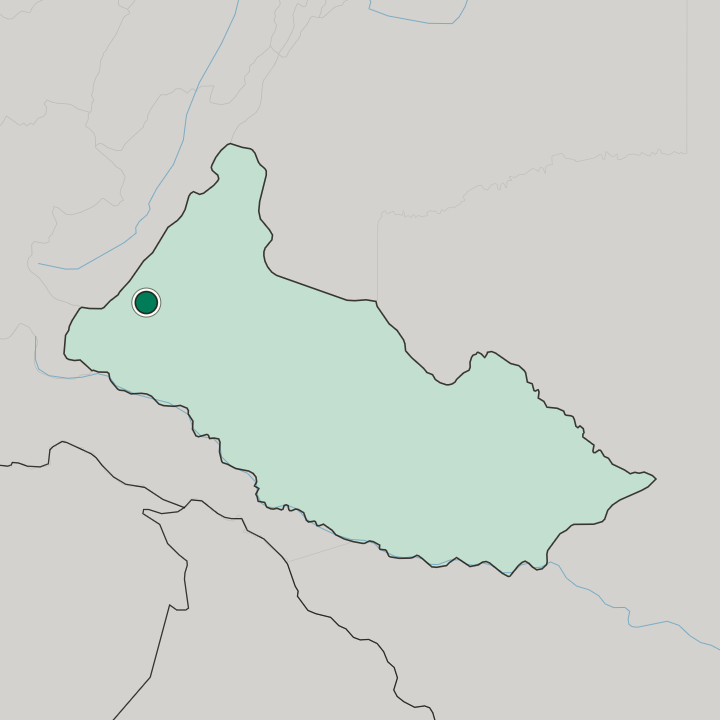
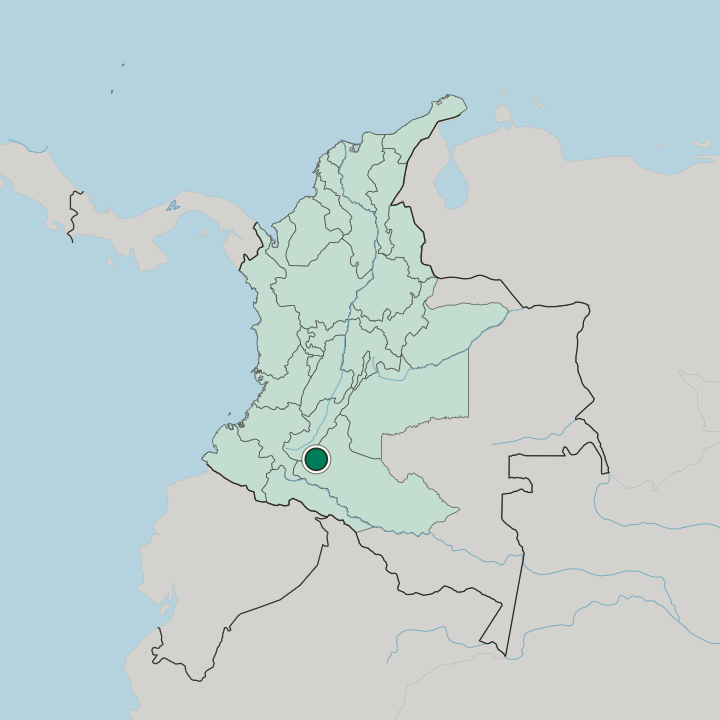
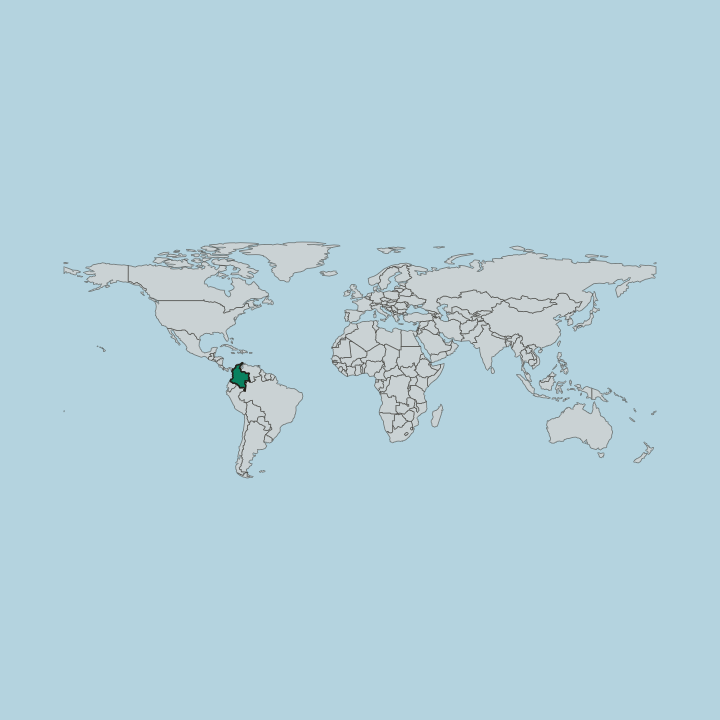
Florencia lies in the Departamento del Caquetá. Its municipality covers a broad tropical territory, far larger than the built city, so the streets occupy only a small share of the ground that carries the name of Florencia. The setting is warm year round.
Caquetá country surrounds the city on every side, and the Our Lady of Lourdes Cathedral gives the built centre its clearest fixed point.
What is the climate of Florencia?
Warmth here is a constant of Caquetá. The city sits in the tropics, so the calendar turns on rain rather than on temperature, and the difference between one month and another shows in how much falls rather than in how warm the air is. Rain does the rest.
Travellers to Florencia pack light clothing and something for a downpour, and shade matters more in the middle of the day than any plan made for the Caquetá heat.
How do you get to Florencia?
Getting to Florencia means crossing Caquetá. The municipality covers a wide stretch of the department, so the last part of any approach runs through tropical country well before the built streets of the city appear. Orientation is easy once inside.
The Our Lady of Lourdes Cathedral, the Edificio Curiplaya, and the Coliseo cubierto Juan Viessi give any arrival three fixed points to orient by within the first hour on foot in Florencia.
Common questions
What is the best area to stay in Florencia?
Around the cathedral: Central blocks by the Our Lady of Lourdes Cathedral. By the Coliseo cubierto Juan Viessi: Nights when the Coliseo cubierto Juan Viessi has an event. The outer municipality: Space beyond the built streets of the Caquetá city.
Good for
Updated September 2026