Colombia
Departamento del Caquetá, Colombia — Towns & Travel Guide
Caquetá is Colombia's Amazon frontier, where the Andes drop into rainforest and Florencia opens the door.
Hotel links are affiliate links: booking through them may earn us a commission, at no extra cost to you. It never affects how places are ranked. How this works


Towns & cities in Departamento del Caquetá
One town here has its own guide — it links to where to stay.

 Colombia
Florencia
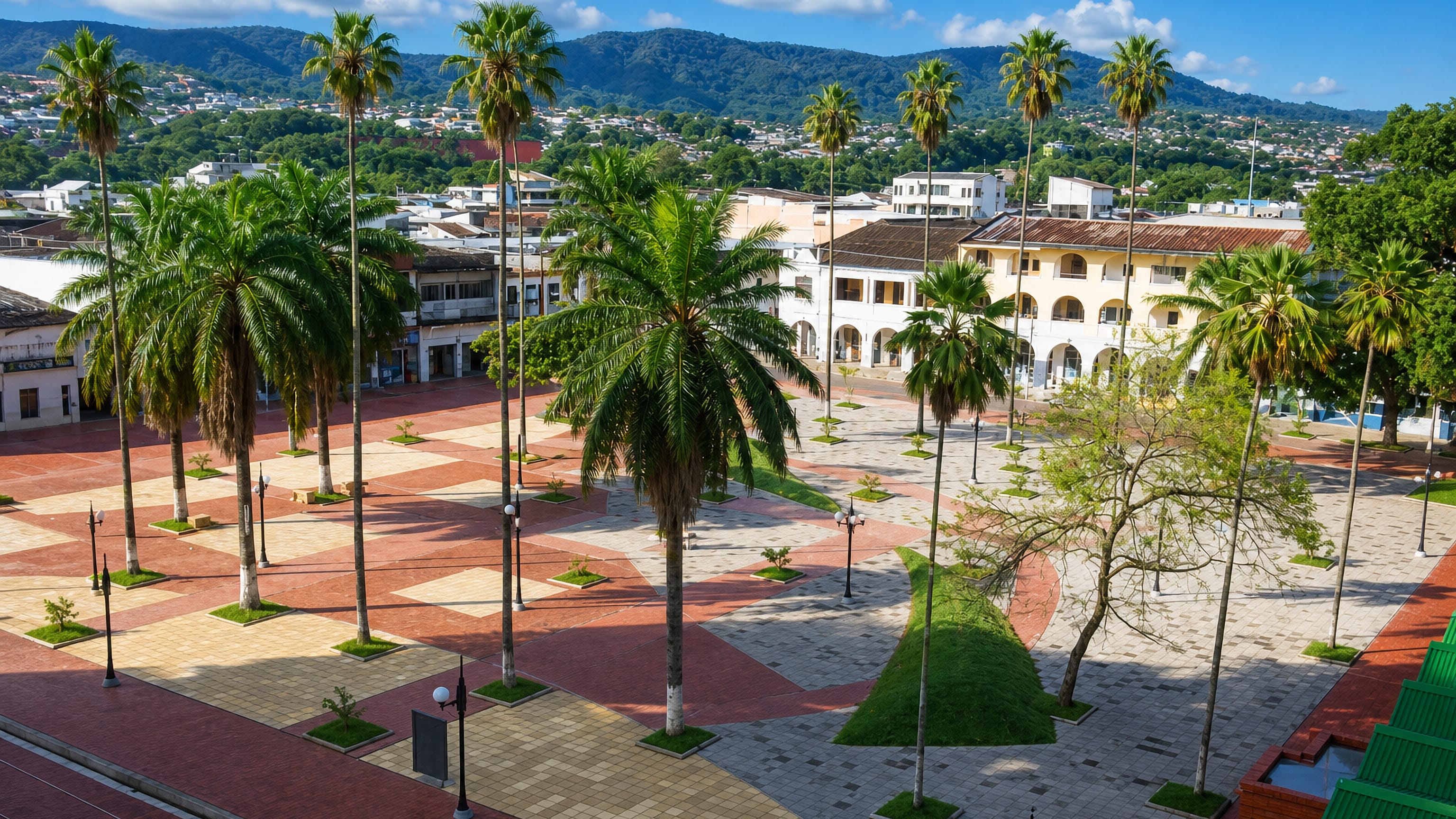
Florencia, founded in 1902 in the Departamento del Caquetá, is known for the Our Lady of Lourdes Cathedral and the Edificio Curiplaya.Where to stay →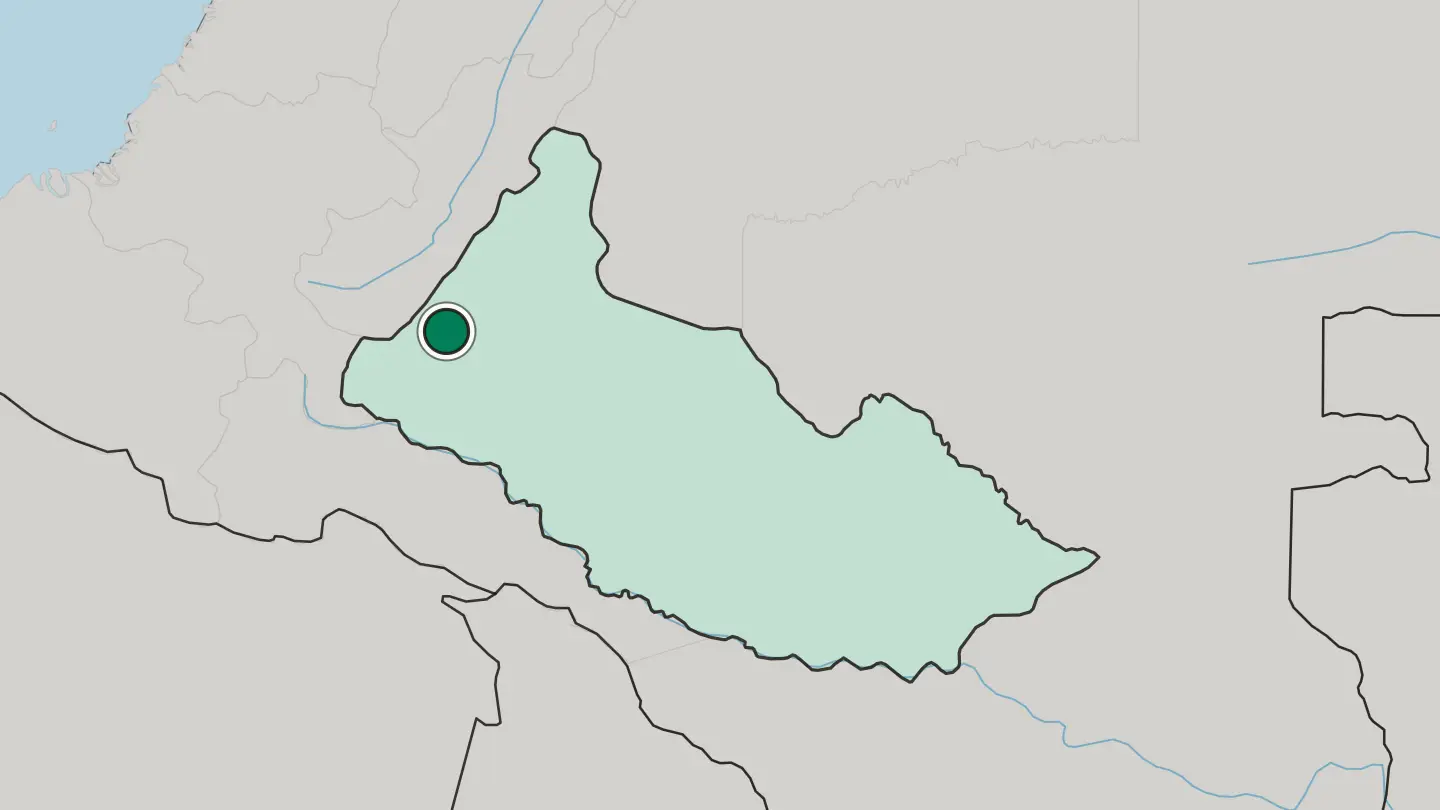
Hotel links are affiliate links: booking through them may earn us a commission, at no extra cost to you. It never affects how places are ranked. How this works
About Departamento del Caquetá
Caquetá is Amazon Colombia.
What is Departamento del Caquetá known for?
The eastern Andes give out here and the rainforest begins, and the change of worlds is the whole point of the place. It is cattle and cheese country, its pastures cut from jungle by settlers who came for rubber. Florencia, the capital, sits at that Andean-Amazon seam on the Orteguaza River and calls itself the golden door into the Colombian Amazon.
Andaquí and Koreguaje peoples were here first. Waterfalls, birdwatching and the Alto Fragua Indi Wasi park pull travellers off the plane, but this is a working frontier department, not a resort coast.
Where is Departamento del Caquetá?
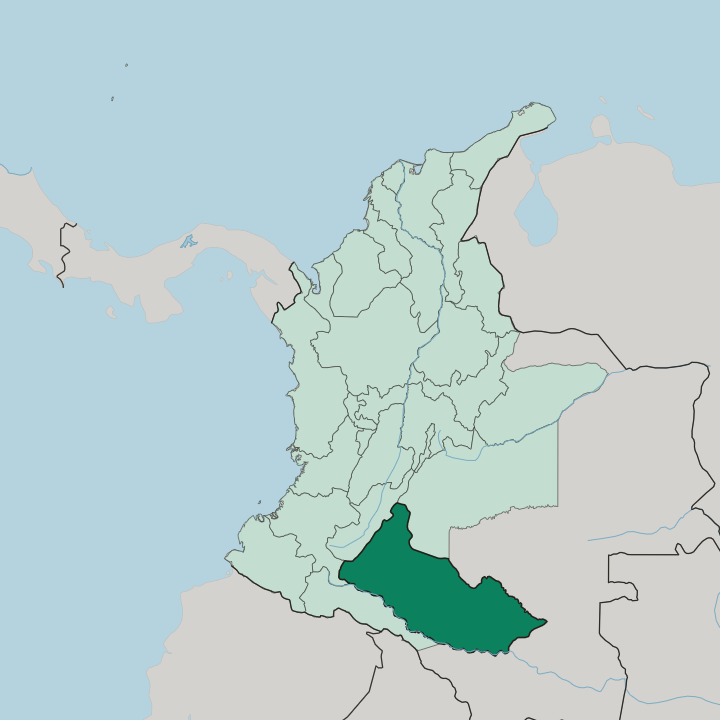
Caquetá is one of Colombia's largest departments, a slab of the country's Amazon natural region tucked into its south. It covers close to a fifth of the whole Colombian Amazon basin. Its western edge is the exception to everything else.
There the flat forest ends and the land rises hard into the Cordillera Oriental, the eastern branch of the Colombian Andes, and it is along that fold of mountains that most of the people live. Everything east of the foothills is rainforest lowland, dense and near-empty, laced with rivers. Water draws the department's boundaries.
The Caquetá River, which becomes the Japurá once it crosses into Brazil, runs along the southern edge and lends the department its name. The Orteguaza flows down out of the mountains past Florencia and feeds into it. Putumayo lies to the south across the Caquetá, Huila and the upper Magdalena valley over the mountains to the west, and the deep Amazon departments stretch away east and north.
Belén de los Andaquíes and San Vicente del Caguán mark the inhabited fringe, one against the Andean piedmont, the other out on the cattle savannas. Past them the map is mostly green.
What is Departamento del Caquetá like?
Caquetá is a colonisation story still in progress, and its culture carries the marks of every wave. The Andaquí, Koreguaje, Tama and Macaguaje peoples held this forest long before the state arrived. A Huitoto maloca, the great spiritual longhouse, still stands within reach of Florencia, where visitors learn traditional medicine and craft from communities who never left.
Then came the rubber men. The capital itself is named for the Italian rubber trader Paolo Ricci and his home city of Florence, and the boom he rode drew planters, labourers and Capuchin missionaries up the rivers. Cattle followed rubber, and cattle now define the place.
Pastures cut from the jungle feed one of Colombia's biggest dairy economies, and Caquetá cheese carries the department's name across the country. Larandia, once among the largest cattle estates in Latin America, was built on this land and shaped the settlement policies that filled it. The blend is unmistakable.
Andean cattlemen, riverine indigenous communities and Amazon forest share the same few valleys. Spanish is the common tongue. It is a hard-worked, contested countryside, closer in feel to a ranching frontier than to a postcard, and that is exactly its character.
What is the history of Departamento del Caquetá?
Spanish arrival dates to 1542, when Hernán Pérez de Quesada first pushed into this forest, though the Andaquí and neighbouring peoples had held it for far longer. Modern Caquetá began with rubber. Florencia was founded in 1902 by the Capuchin friar Doroteo de Pupiales, and within a few years it was made the seat of a new territory carved out of the Amazon.
The rubber boom drew settlers up the Orteguaza and Caquetá rivers; cattle ranching replaced it and never let go. Caquetá became a full department of Colombia only in 1981.
What is the climate of Departamento del Caquetá?
Caquetá is wet and warm the year round, an equatorial climate with no real dry season. Rain owns the calendar. In the Amazon lowlands the air holds steady around the high twenties in Celsius, and heavy showers fall in every month rather than arriving on a schedule.
The forest stays green and dripping because of it. Up in the Cordillera Oriental foothills around Belén de los Andaquíes the air turns cooler and cloudier, while the northern savannas near San Vicente del Caguán run hotter and more open. Humidity is the constant everywhere below the mountains.
How do you get to Departamento del Caquetá?
Reaching Caquetá almost always means flying. Gustavo Artunduaga Paredes Airport at Florencia is the department's air link, worked by Avianca and the state carrier Satena on the run down from Bogotá over the Cordillera Oriental. Roads climb the same mountains and are slow, though they connect Florencia north toward Huila and the rest of Andean Colombia.
Once you are in, the Orteguaza River is the old highway east into the Amazon lowlands. Beyond Florencia and a handful of towns, travel means river, rough road or small plane.
Common questions
What is the best area to stay in Departamento del Caquetá?
Florencia: arriving in Caquetá and the Orteguaza. Belén de los Andaquíes: waterfalls and the Andean foothills. San Vicente del Caguán: the northern cattle savannas.
Good for
More regions in Colombia
- Distrito Capital de Bogotá
- Departamento de Antioquia
- Departamento del Valle del Cauca
- Departamento de Cundinamarca
- Departamento del Atlántico
- Departamento de Santander
- Departamento de Bolívar
- Departamento de Córdoba
- Departamento de Nariño
- Departamento de Norte de Santander
- Departamento del Cauca
- Departamento del Magdalena
Updated September 2026