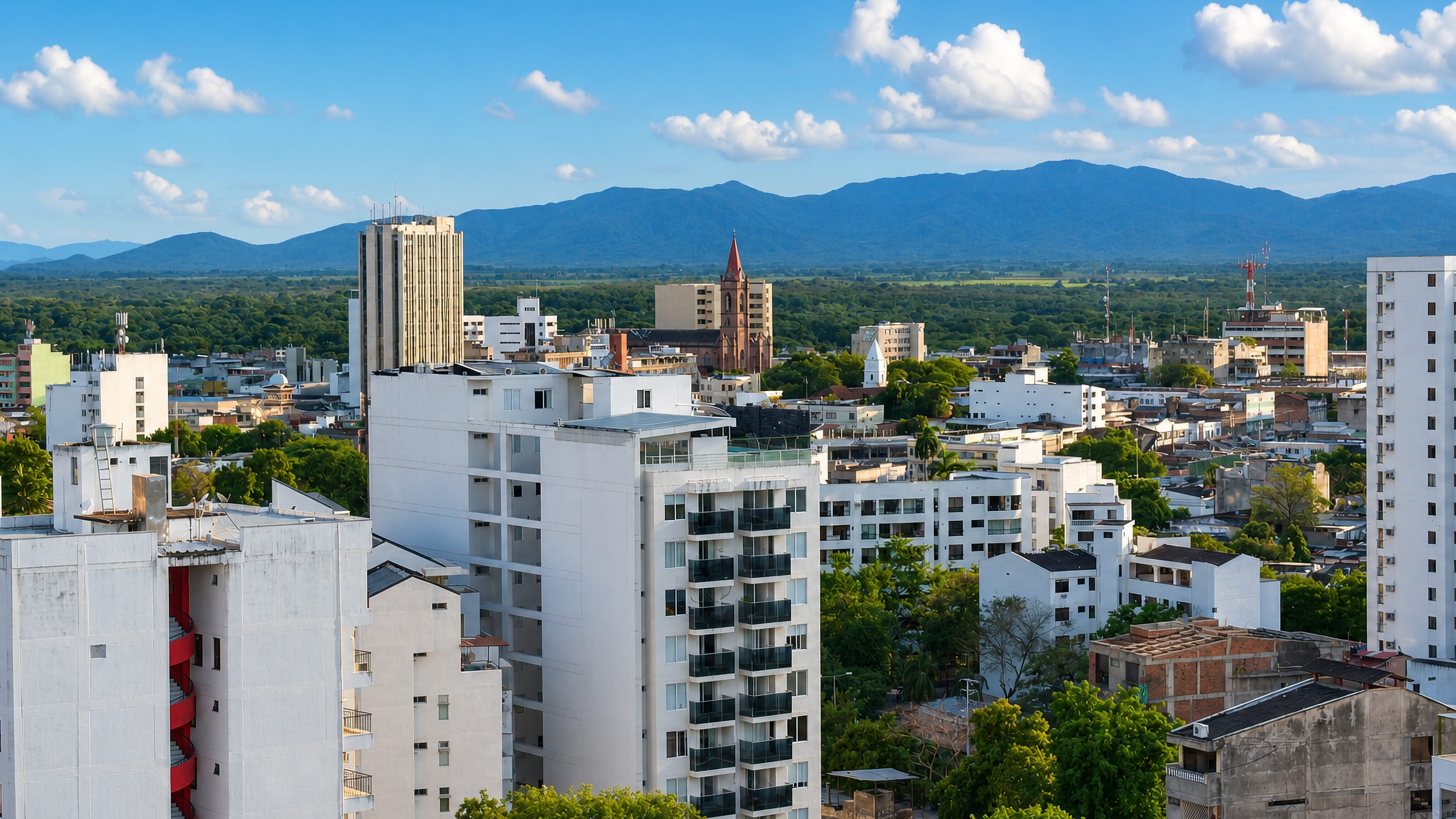
Colombia · Departamento del Huila
Where to Stay in Neiva, Departamento del Huila
Neiva is the capital of the Huila department of Colombia, a tropical city founded in 1612 around the Immaculate Conception Cathedral.
Hotel links are affiliate links: booking through them may earn us a commission, at no extra cost to you. It never affects how places are ranked. How this works


Where to stay in Neiva
How the choice of base plays out on the ground.
The Immaculate Conception Cathedral fixes the first option. Rooms in the blocks around it put the Museo de Arte Contemporáneo del Huila, the Huila Regional Archaeological Museum and the Neiva National Telegraph and Post Office Building inside an easy walk, which is the whole argument for a bed in the middle. Heat decides the rest.
A tropical city rewards anyone who can retreat indoors at midday, so shade, a fan and a short return distance matter more than a view. The Church of the Immaculate Conception and the Capilla de La Inmaculada Concepción both fall inside that same walking radius. The old rail ground is the alternative.
Beds near the Estación del Ferrocarril Neiva sit apart from the cathedral crowd, and the Coliseo Álvaro Sánchez Silva puts an arena within reach of anyone here for a match rather than a museum. Huila argues for one base. Anyone working across the Departamento del Huila will find that the capital holds the department's beds, its museum collections and its transport, so moving hotel every night buys very little.
You want the centre for a first visit, the rail side for quiet, and either one for a stay built around the Huila Regional Archaeological Museum and the Museo de Arte Contemporáneo del Huila.
Find hotels in Neiva
Direct booking searches for these neighbourhoods.
The cathedral blocks
The middle of Neiva, where the Immaculate Conception Cathedral, the Museo de Arte Contemporáneo del Huila and the Neiva National Telegraph and Post Office Building stand within one walkFind hotels in The cathedral blocksNights built around a fixture at the Coliseo Álvaro Sánchez SilvaThe Estación del Ferrocarril Neiva side
The old rail ground by the Estación del Ferrocarril Neiva, set back from the cathedral streets and nearest the Coliseo Álvaro Sánchez SilvaFind hotels in The Estación del Ferrocarril Neiva sideLonger stays working outward across the Departamento del Huila from one roomAround Santa Librada
The streets by the Institución Educativa Santa Librada, away from the Immaculate Conception Cathedral and the Coliseo Álvaro Sánchez Silva. Few places to stay nearby — book ahead.Find hotels in Around Santa LibradaHotel links are affiliate links: booking through them may earn us a commission, at no extra cost to you. It never affects how places are ranked. How this works
Things to do in Neiva
Ranked by global recognition; descriptions from Wikidata (CC0).
Museums & Galleries
2- Huila Regional Archaeological Museum
- Museo de Arte Contemporáneo del Huila
Churches & Religious Sites
2- Immaculate Conception Cathedral, Neiva
- Church of the Immaculate Conception, Neiva
Castles & Historic Sites
4- Capilla de La Inmaculada Concepción Heritage
- Estación del Ferrocarril Fortalecillas Heritage
- Estación del Ferrocarril Neiva Heritage
- Institución Educativa Santa Librada Heritage
Stadiums & Sports
1- Coliseo Álvaro Sánchez Silva
Landmarks & Notable Places
1- Neiva National Telegraph and Post Office Building Heritage
worth knowingacross 5 categories in Neiva
About Neiva
Three buildings share one dedication.
What is Neiva known for?
The Immaculate Conception Cathedral, the Church of the Immaculate Conception and the Capilla de La Inmaculada Concepción all carry the same title in the capital of the Departamento del Huila. The Huila Regional Archaeological Museum and the Museo de Arte Contemporáneo del Huila split the indoor hours between excavation and contemporary work. Rail names the older layer, with the Estación del Ferrocarril Neiva and the Estación del Ferrocarril Fortalecillas left over from a line that once served the department, while the Coliseo Álvaro Sánchez Silva handles larger crowds.
What are the main landmarks in Neiva?
The dedication repeats. Immaculate Conception Cathedral, Neiva heads the list, with the Church of the Immaculate Conception, Neiva and the Capilla de La Inmaculada Concepción repeating the dedication across the city. Two museums follow: the Huila Regional Archaeological Museum and the Museo de Arte Contemporáneo del Huila.
Civic building matters too. The Neiva National Telegraph and Post Office Building, the Coliseo Álvaro Sánchez Silva, the Institución Educativa Santa Librada and the two rail stops, Estación del Ferrocarril Neiva and Estación del Ferrocarril Fortalecillas, complete the list.
What is the history of Neiva?
The record starts in 1612. That founding date is the earliest fact the record carries about Neiva, and the buildings that survive to represent the centuries after it are religious before they are anything else. The Capilla de La Inmaculada Concepción and the Church of the Immaculate Conception, Neiva hold that dedication, restated on a larger scale by the Immaculate Conception Cathedral.
Civic building follows the churches, in the Institución Educativa Santa Librada and the Neiva National Telegraph and Post Office Building. A rail line came later. The Estación del Ferrocarril Neiva and the Estación del Ferrocarril Fortalecillas are what a line through the Departamento del Huila left behind, and a pair of station buildings is a more honest record of that period than any monument would be.
Two collections keep the older material. The Huila Regional Archaeological Museum holds the excavated record of the department, while the Museo de Arte Contemporáneo del Huila deals in work made long after the founding year of 1612. Sport has its own hall, the Coliseo Álvaro Sánchez Silva, which serves the capital of the Departamento del Huila.
The department's institutions concentrate here, which is why its museums, its telegraph building and its cathedral all share one city.
Where is Neiva?
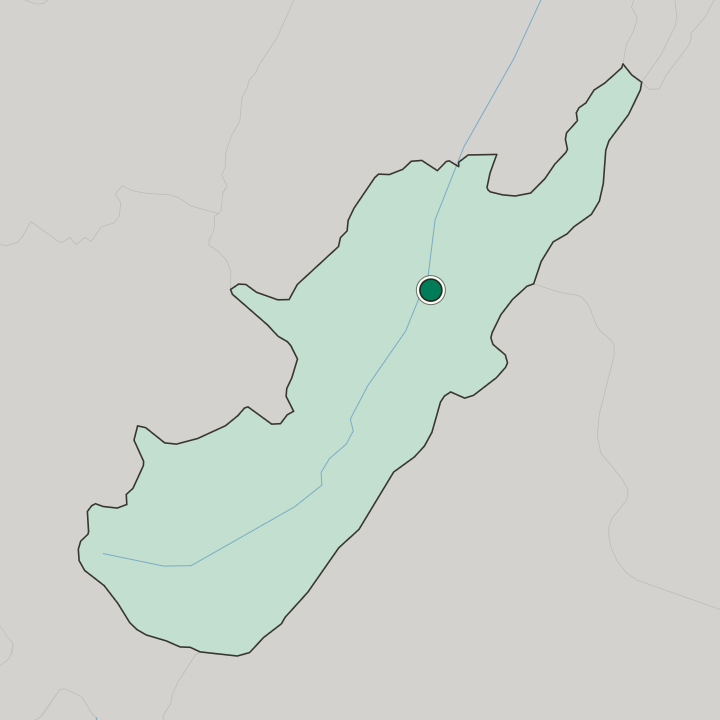
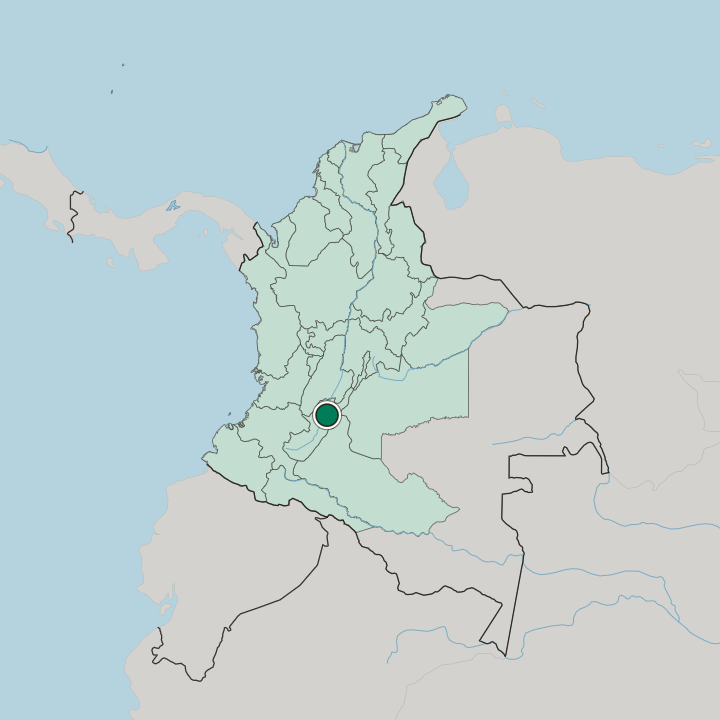
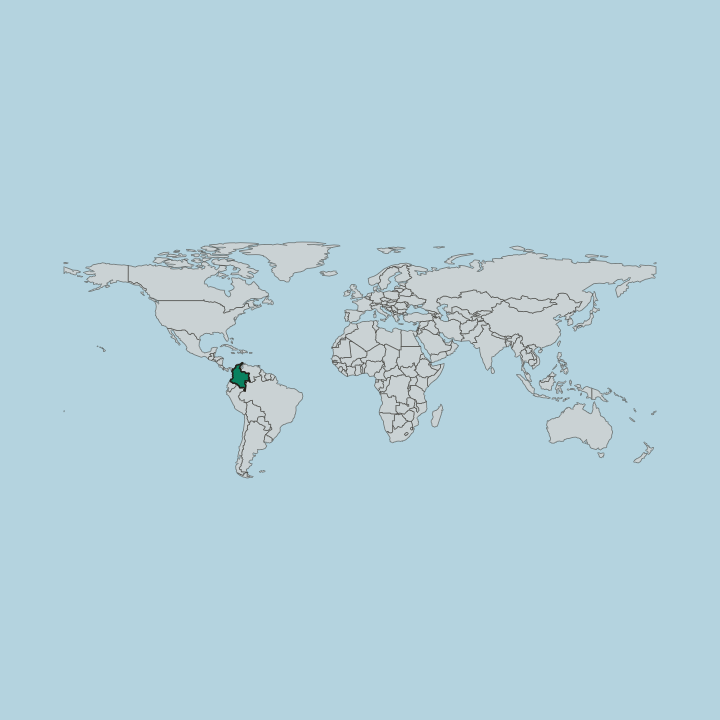
Municipal boundaries here reach a long way. Neiva's territory runs well beyond the built-up streets, far enough that the Estación del Ferrocarril Fortalecillas belongs to the same municipality as the Immaculate Conception Cathedral without sharing its skyline. Everything here sits in the tropics.
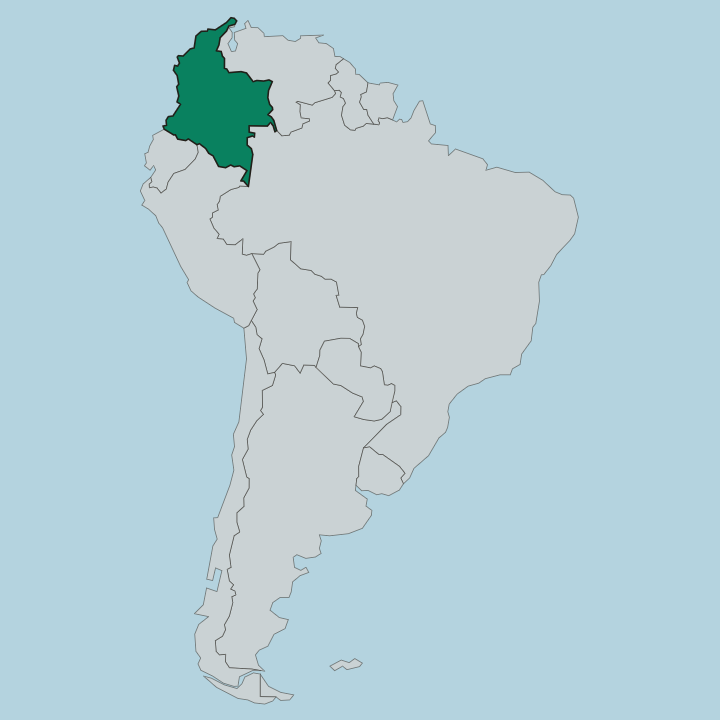
That places Neiva in the northern hemisphere but close enough to the equator that the seasons register as wet and dry rather than warm and cold, and the Departamento del Huila reads the same way throughout.
What is the climate of Neiva?
Heat is the constant, not the season. Neiva sits in the tropical belt, so the year divides into wetter and drier stretches instead of a temperature swing, and a visitor plans around the hours of the day far more than around the month. Mornings work best.
The walk between the Immaculate Conception Cathedral, the Huila Regional Archaeological Museum and the Neiva National Telegraph and Post Office Building is short enough to finish before the worst of the afternoon. Indoor hours belong to the Museo de Arte Contemporáneo del Huila or the Coliseo Álvaro Sánchez Silva.
How do you get to Neiva?
The stations came first. Estación del Ferrocarril Neiva and Estación del Ferrocarril Fortalecillas are the two rail addresses on the municipality's ground, and together they record how the Departamento del Huila once moved people and freight through its capital. Arrival means the centre.
Whatever brings a traveller into the Departamento del Huila, the walk from the Immaculate Conception Cathedral to the Huila Regional Archaeological Museum and the Neiva National Telegraph and Post Office Building is the part that needs no transport at all.
Common questions
What is the best area to stay in Neiva?
The cathedral blocks: A first visit pinned to the Immaculate Conception Cathedral and the two Huila museums. The Estación del Ferrocarril Neiva side: Nights built around a fixture at the Coliseo Álvaro Sánchez Silva. Around Santa Librada: Longer stays working outward across the Departamento del Huila from one room.
Good for
Updated October 2026