Colombia · Departamento del Magdalena
Where to Stay in Santa Marta, Departamento del Magdalena
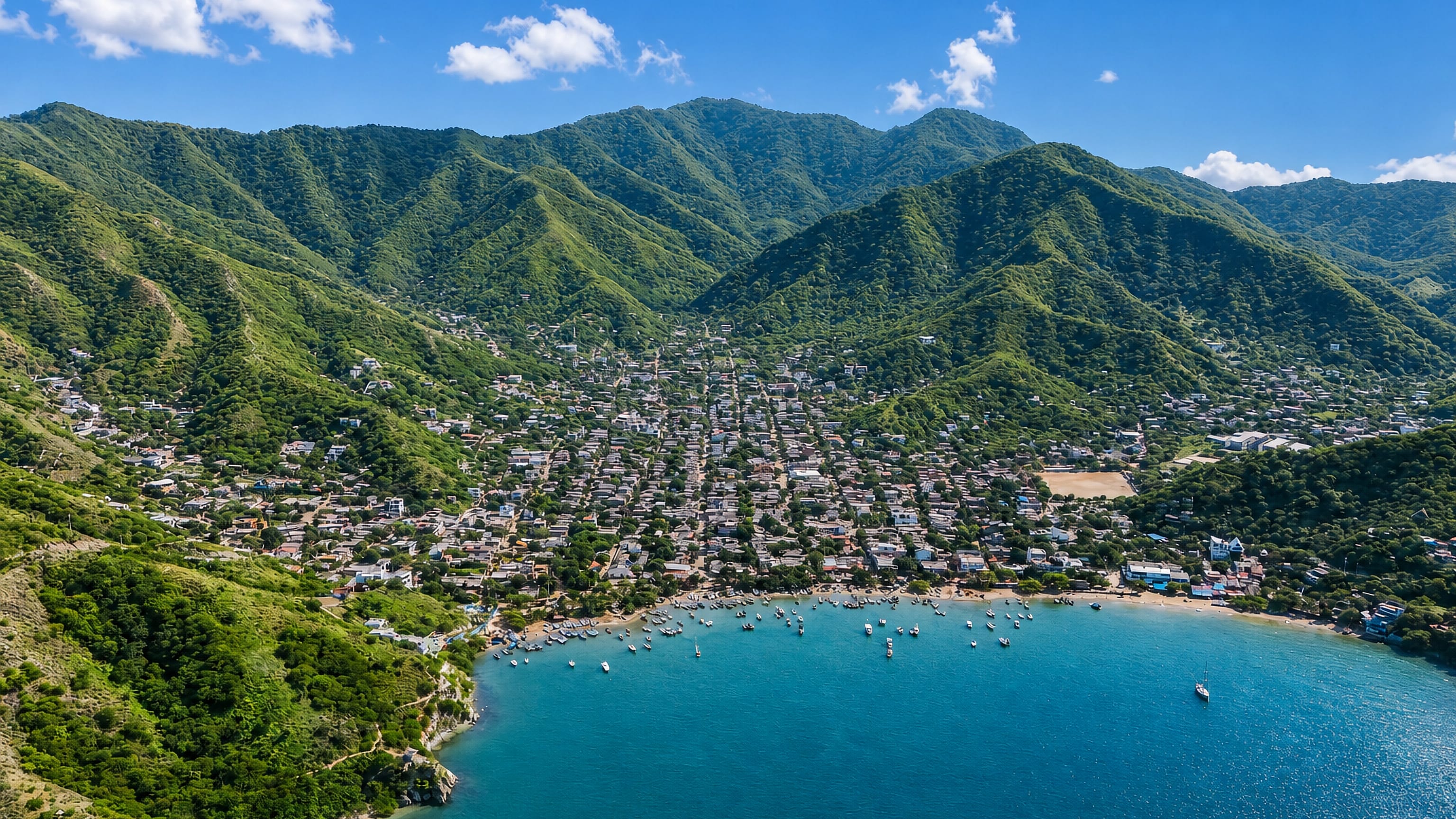
The Caribbean laps the old quays at Santa Marta, a port city on Colombia's Costa Norte and capital of the Departamento del Magdalena.
Hotel links are affiliate links: booking through them may earn us a commission, at no extra cost to you. It never affects how places are ranked. How this works


Where to stay in Santa Marta
Where visitors usually base themselves, and why.
Santa Marta gathers around a Caribbean bay, and where you stay depends on how close you want to be to the water. The Sector Antiguo, the old historic quarter of the city, holds the colonial grid, the Iglesia de San Francisco de Asís, and the shaded plazas within a short walk of the seafront. Its lanes carry the Teatro Santa Marta and the Antiguo Hospital San Juan de Dios, so a base here puts the heritage core at the door.
Beyond the old town the shore stretches south. Old defensive works such as the Fuerte de San Fernando and Fuerte El Morro guard the approaches, while the rail town of Gaira lies down the coast toward the beaches. The gardens draw you inland.
On the city's eastern edge the Quinta de San Pedro Alejandrino sits among grounds where Simón Bolívar died. For a first visit, base yourself in the Sector Antiguo, close to the plazas and the water; for a quieter, greener stay, look toward the garden estate and the outlying rail villages of the Magdalena coast.
Find hotels in Santa Marta
Direct booking searches for these neighbourhoods.
Sector Antiguo
The Iglesia de San Francisco de Asís and the Teatro Santa Marta sit within the old grid a short walk from the bay.Find hotels in Sector AntiguoQuieter, greener stays away from the seafront coreGarden estate and rail villages
The Quinta de San Pedro Alejandrino and the outlying rail village of Gaira offer calm gardens and coast down the Magdalena shore.Find hotels in Garden estate and rail villagesHotel links are affiliate links: booking through them may earn us a commission, at no extra cost to you. It never affects how places are ranked. How this works
About Santa Marta
What is Santa Marta known for?
Santa Marta is a Caribbean beach and port city on the coast of northern Colombia. It is known across Latin America as the place where Simón Bolívar died, at the Quinta de San Pedro Alejandrino on the city's edge. The Sector Antiguo carries the old Spanish grid down to the water.
Beaches, forts, and museums draw travellers along the Costa Norte.
What are the main landmarks in Santa Marta?
Santa Marta's landmarks range from Spanish forts to the estate where Simón Bolívar died. The Quinta de San Pedro Alejandrino stands among gardens on the city's edge, while the Fuerte de San Fernando and Fuerte El Morro guard the coast. Museums gather in the old center.
The Museo de Oro Tairona and the Museo Bolivariano de Arte Contemporáneo hold the region's gold and modern art, and the Iglesia de San Francisco de Asís anchors the Sector Antiguo.
What is the history of Santa Marta?
Santa Marta was founded in 1525 on the Caribbean coast of what is now the Departamento del Magdalena. It counts among the earliest Spanish towns of the mainland, a port set on a sheltered bay under the northern Colombian shore. The old grid of the Sector Antiguo still follows those founding lines down to the water.
Defence shaped the centuries that followed. Forts such as the Fuerte de San Fernando and Fuerte El Morro rose to guard a coast exposed to raiders from the sea. The town's most remembered moment came in the wider Latin American story: Simón Bolívar died at the Quinta de San Pedro Alejandrino, on the estate at the city's edge.
Later the railway arrived, and stations such as the Estación del Ferrocarril Santa Marta, Bonda, and Gaira tied the port to its hinterland. Long before the Spanish, this coast belonged to the Tairona, whose gold the Museo de Oro Tairona now holds. So the city stacks its ages one on another.
Pre-Hispanic, colonial, and railway all leave their mark on the Magdalena shore.
Where is Santa Marta?
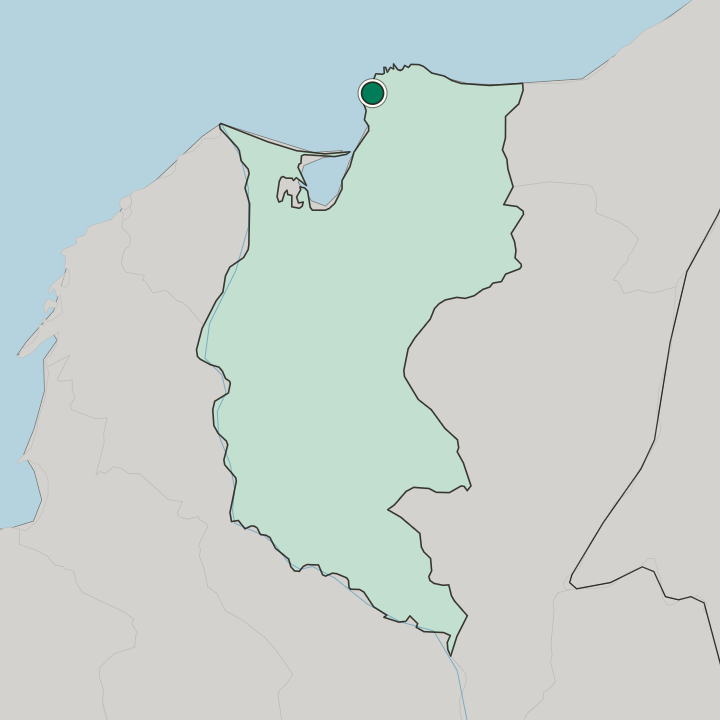
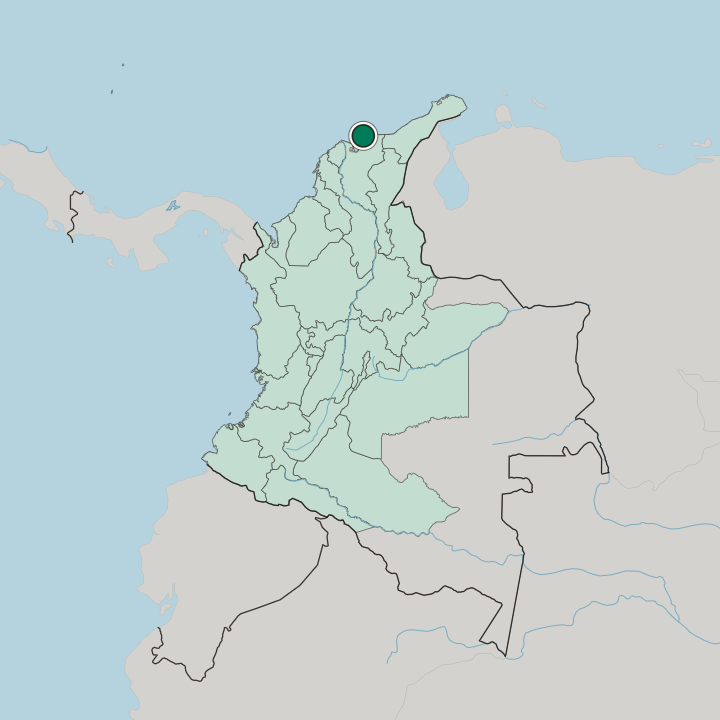
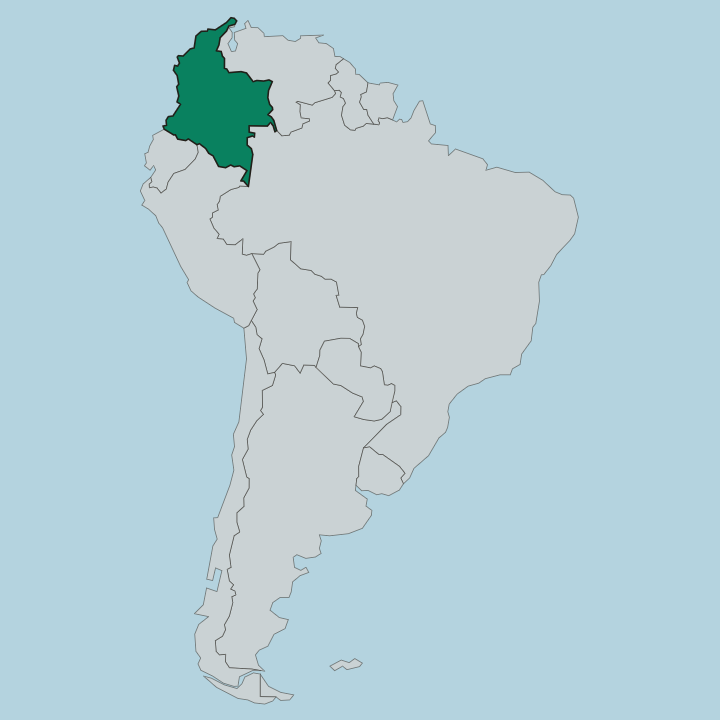
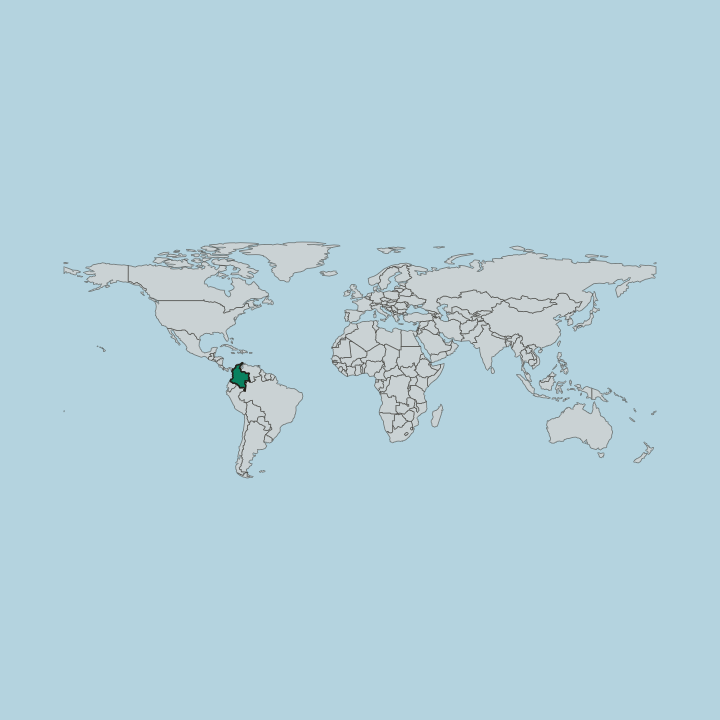
Santa Marta sits on the Caribbean Sea in northern Colombia, on the Costa Norte. The city curves around a bay. Behind that sheltered water the land rises quickly toward the highlands of the interior, so the shore gives way to steep ground within a short distance of the quays.
That fast climb from beach to mountain gives Santa Marta its backdrop. The Departamento del Magdalena spreads inland from the coast.
What is the climate of Santa Marta?
Santa Marta lies in the tropics of the northern hemisphere, on the Caribbean coast. Heat runs warm and steady through the year, softened by sea breezes off the bay rather than by any turn of season. Wet and dry spells come and go along the Costa Norte.
The air stays warm. The Caribbean keeps the coast humid.
How do you get to Santa Marta?
Santa Marta stands on the Caribbean coast of the Costa Norte, at the northern end of Colombia's road network. Its port has drawn traffic since the colonial age. The railway that once ran through the Estación del Ferrocarril Santa Marta linked the harbour to its inland farms, and coastal roads now carry travellers along the Magdalena shore toward the beaches and the interior.
Ships still call at the bay.
Common questions
What is the best area to stay in Santa Marta?
Sector Antiguo: First-time visitors who want the colonial grid and seafront on foot. Garden estate and rail villages: Quieter, greener stays away from the seafront core.
Good for
Updated September 2026