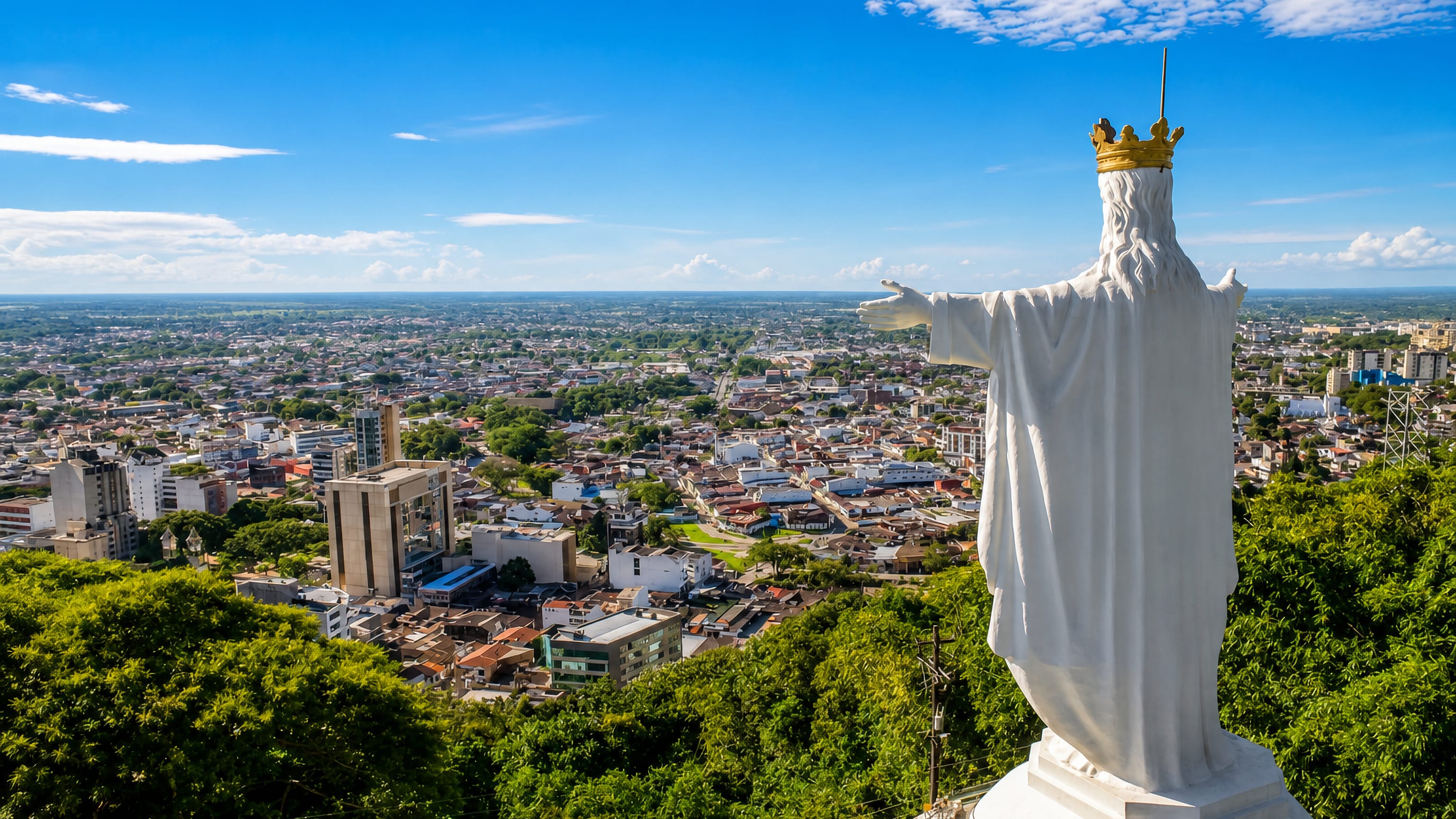
Colombia · Departamento del Meta
Where to Stay in Villavicencio, Departamento del Meta
Villavicencio is the capital of Meta, Colombia, founded in 1840 by the Guatiquía River and the commercial centre of the Llanos Orientales.
Hotel links are affiliate links: booking through them may earn us a commission, at no extra cost to you. It never affects how places are ranked. How this works


Where to stay in Villavicencio
Where visitors usually base themselves, and why.
Nearly all the lodging is central. Villavicencio works as the commercial capital of Meta, so its rooms are built around business rather than around sightseeing, and a central stay puts the department's offices and the road to Bogotá within easy reach. Visitors usually want something else.
Anyone here for the Bioparque Los Ocarros or the Jardín Botánico Medicinal de los Llanos is heading out of the built-up blocks, and a room with parking makes more sense than a room with a view of the street. The edges of the city suit a different trip. Out towards the Guatiquía River and the Sistema de Humedales Kirpas-Pinilla La Cuerera the city loosens, and rooms there trade shops and offices for quiet, space and a quicker start on the plains.
The Llanos Orientales begin immediately beyond the last streets. A stay on that side works for anyone using Villavicencio as a base for a journey further into Meta, and it costs a drive back in for dinner. The road to Bogotá runs through both options, which matters most to anyone arriving late from the capital.
Find hotels in Villavicencio
Direct booking searches for these neighbourhoods.
The commercial centre
Central Villavicencio, where the department's commerce and the highway to Bogotá are both at handFind hotels in The commercial centreFamily days at the Bioparque Los Ocarros and the botanical gardenTowards the Bioparque Los Ocarros
Out where the Bioparque Los Ocarros and the Jardín Botánico Medicinal de los Llanos stand clear of the traffic. Few places to stay nearby — book ahead.Find hotels in Towards the Bioparque Los OcarrosEarly starts into the Llanos OrientalesBy the Guatiquía River
Riverside ground near the Sistema de Humedales Kirpas-Pinilla La Cuerera, quiet and quick to leave from. Beds are limited here, so book early.Find hotels in By the Guatiquía RiverHotel links are affiliate links: booking through them may earn us a commission, at no extra cost to you. It never affects how places are ranked. How this works
About Villavicencio
The Llanos begin here.
What is Villavicencio known for?
Villavicencio is the commercial centre of the Llanos Orientales, and its best-known sites are the Bioparque Los Ocarros, the Jardín Botánico Medicinal de los Llanos and the Sistema de Humedales Kirpas-Pinilla La Cuerera. All three deal with the plains rather than with buildings, which tells anyone arriving what kind of city this is. Bogotá lies 75 km from the city.
What are the main landmarks in Villavicencio?
Three sites carry the city's name on the register. The Bioparque Los Ocarros keeps the animals of the Llanos, the Jardín Botánico Medicinal de los Llanos keeps the plants, and the Sistema de Humedales Kirpas-Pinilla La Cuerera keeps the water they both depend on. None of them is a building.
That is the pattern in Villavicencio, where what is worth protecting belongs to the Llanos Orientales rather than to any street plan.
What is the history of Villavicencio?
Villavicencio was founded in 1840. The record gives the sixth of April of that year, which makes Villavicencio a young city beside the colonial foundations elsewhere in Colombia. Meta grew around it.
The department took Villavicencio as its capital, and the city became the commercial centre of the Llanos Orientales, the point where the plains do their business with the rest of the country. Bogotá lies 75 km off, and the link between the two cities carries the trade of the Llanos. Protection came much later.
The Bioparque Los Ocarros gave the fauna of the Llanos a place of its own, and the Jardín Botánico Medicinal de los Llanos did the same for the plants the plains are known for. Water got its own designation. The Sistema de Humedales Kirpas-Pinilla La Cuerera brought a group of wetlands under one protected name, which is a modern kind of monument for a city whose history is short and whose landscape is not.
The Guatiquía River was here before any of it. Villavicencio grew beside that river, and the water still marks the edge of what the city has built.
Where is Villavicencio?
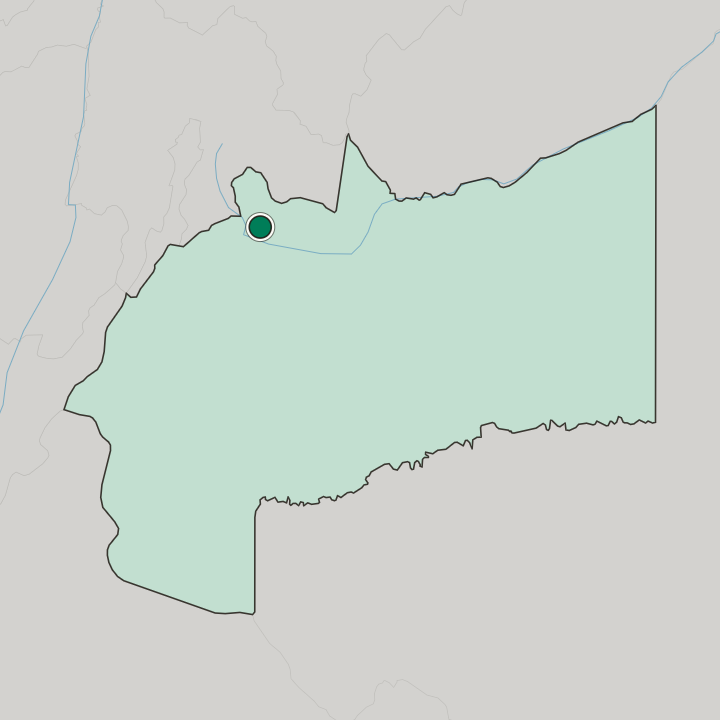
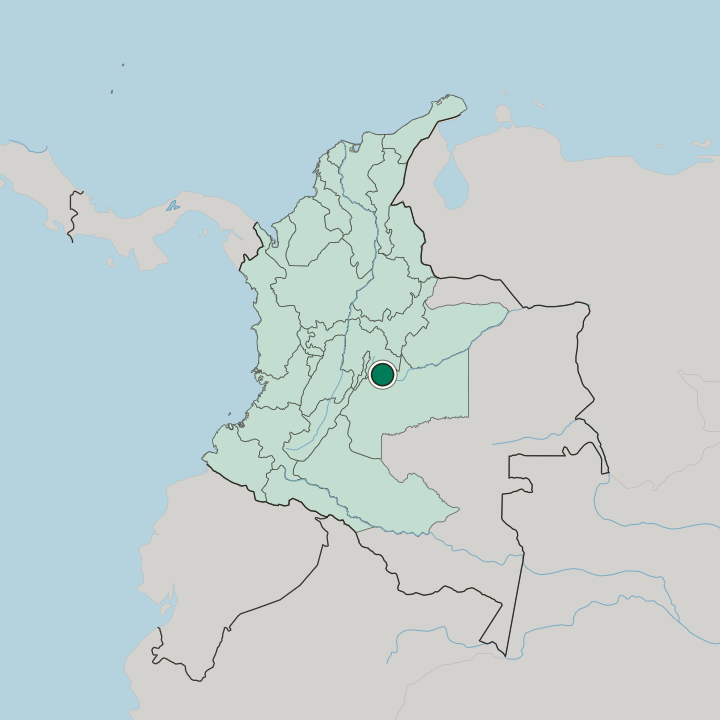
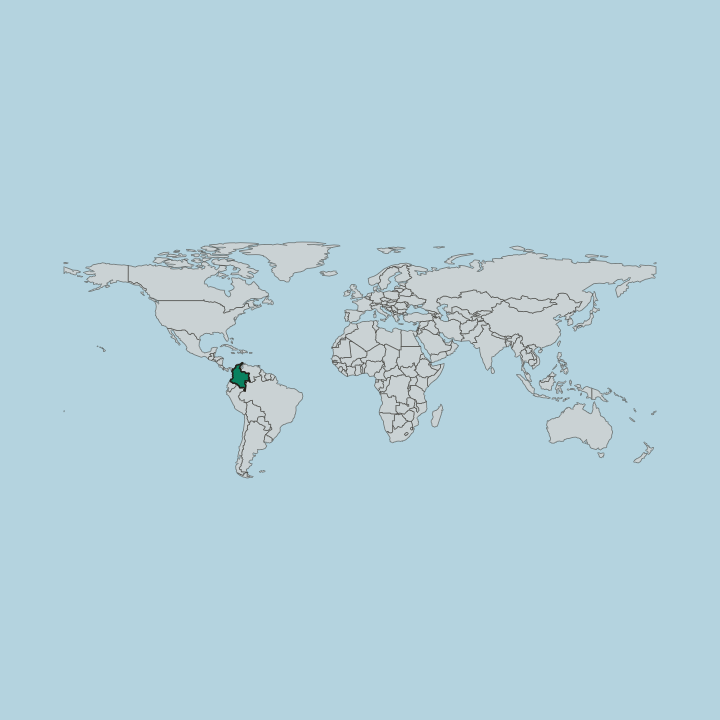
The Guatiquía River runs past the city. Villavicencio stands at the start of the Llanos Orientales, some 75 km southeast of Bogotá, and the municipality takes in a broad piece of the Meta plains. Wetlands are part of the picture, and the Sistema de Humedales Kirpas-Pinilla La Cuerera protects a chain of them within the municipal boundary.
What is the climate of Villavicencio?
The Llanos set the rhythm. Villavicencio belongs to the tropical band, and on plains like these the year divides into a wet stretch and a dry one rather than into four seasons, which is what the Guatiquía River shows as it rises and falls. Heat stays constant.
Wet months swell the wetlands of the Sistema de Humedales Kirpas-Pinilla La Cuerera, and a visit to the plains turns on that cycle more than on the thermometer.
How do you get to Villavicencio?
The road from Bogotá is the main approach. Villavicencio lies 75 km from the capital, and that road carries most of what reaches the Llanos Orientales, from freight to visitors. Everything else fans out from here.
Roads across Meta run long distances between towns, which makes the city the practical base for any journey deeper into the plains.
Common questions
What is the best area to stay in Villavicencio?
The commercial centre: Working days between the Meta offices and the Bogotá road. Towards the Bioparque Los Ocarros: Family days at the Bioparque Los Ocarros and the botanical garden. By the Guatiquía River: Early starts into the Llanos Orientales.
Updated September 2026