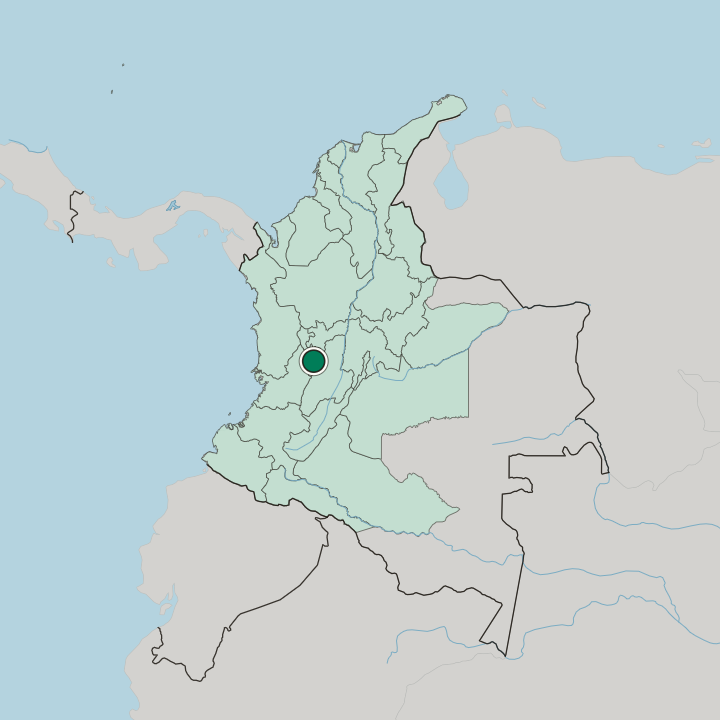
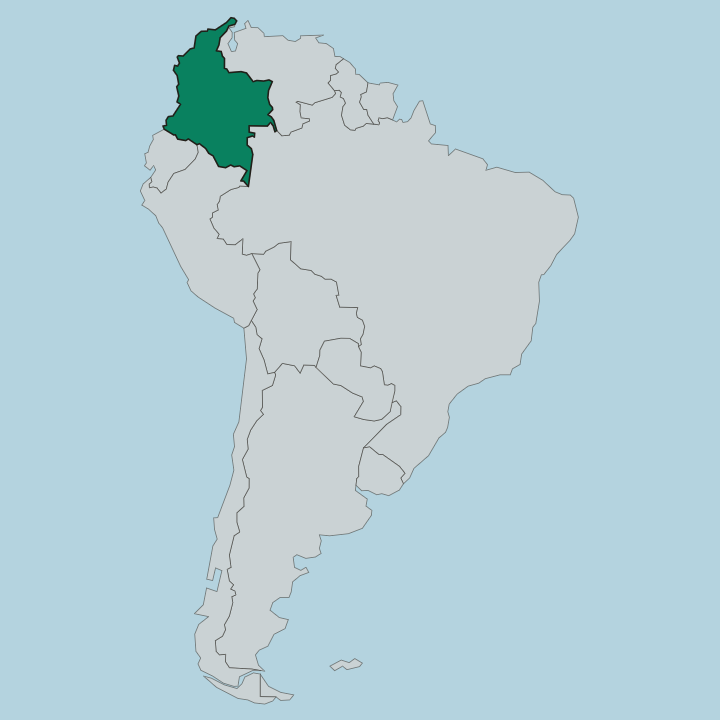
Colombia · Quindío Department
Where to Stay in Armenia, Quindío Department
Armenia, founded in 1889 in the Quindío Department of Colombia, holds the Quimbaya Gold Museum and a listed market hall inside a small municipality.
Hotel links are affiliate links: booking through them may earn us a commission, at no extra cost to you. It never affects how places are ranked. How this works


Where to stay in Armenia
How the choice of base plays out on the ground.
The Plaza de Mercado de Armenia and the Estación del Ferrocarril Armenia frame the older part of the city, and a bed taken between the two covers market mornings and museum afternoons without recourse to a car. Rooms in that band leave the Museo de Arte de Armenia y Quindío and the Casa Museo Musical del Quindío within a walk, which suits you if the visit is a cultural one rather than an errand out into Quindío. The grid is small.
Little of it needs a bus. The Quimbaya Gold Museum makes a case of its own. Staying near it and the Jardín Botanico gives quieter and greener days at the cost of the walk back into the market blocks each evening, a trade worth making for anyone whose real business is the collection.
Coliseo del Café pulls its own crowd. Rooms near the arena fill whenever it has a programme, so a trip timed to an event wants booking earlier than this city would otherwise ask. Ortega Díaz lies out along the old line, where the Estación del Ferrocarril Ortega Díaz still stands, and beds are scarce enough there that most travellers treat the place as a stop rather than a base for Armenia.
Find hotels in Armenia
Direct booking searches for these neighbourhoods.
Market and station blocks
Between the Plaza de Mercado de Armenia and the old stationFind hotels in Market and station blocksSlow days built around the Quimbaya Gold MuseumBy the Jardín Botanico
Green streets beside the Jardín BotanicoFind hotels in By the Jardín BotanicoAnyone following the old Quindío lineOrtega Díaz
Out at the Estación del Ferrocarril Ortega Díaz. Few places to stay nearby — book ahead.Find hotels in Ortega DíazHotel links are affiliate links: booking through them may earn us a commission, at no extra cost to you. It never affects how places are ranked. How this works
Things to do in Armenia
Ranked by global recognition; descriptions from Wikidata (CC0).
Museums & Galleries
3- Quimbaya Gold Museum
- Jardín Botanico
- Casa Museo Musical del Quindío
Castles & Historic Sites
4- Estación del Ferrocarril Armenia Heritage
- Estación del Ferrocarril Ortega Díaz Heritage
- Museo Quimbaya Heritage
- Plaza de Mercado de Armenia Heritage
Stadiums & Sports
1- Coliseo del Café
worth knowingacross 3 categories in Armenia
About Armenia
What is Armenia known for?
The Quimbaya Gold Museum and the Museo Quimbaya both take goldwork as their subject, and the Quimbaya Gold Museum, Armenia Cultural Center gathers the same material into a wider programme of exhibitions. Music and art carry the rest of it. The Casa Museo Musical del Quindío and the Museo de Arte de Armenia y Quindío share that load with the Jardín Botanico, which handles the botanical end.
Gold came first, though.
What are the main landmarks in Armenia?
Two collections cover the same ground. The Quimbaya Gold Museum and the Museo Quimbaya both hold goldwork, while the Quimbaya Gold Museum, Armenia Cultural Center adds the exhibition programme around it. The Jardín Botanico is the green entry.
Working buildings make up the remainder of the list, the Plaza de Mercado de Armenia and the Coliseo del Café among them, along with the Estación del Ferrocarril Armenia in the city and the Estación del Ferrocarril Ortega Díaz further out.
What is the history of Armenia?
The founding year is 1889, late by the measure of Colombian cities. What grew on the site grew quickly, on the strength of the country around it and of the railway that arrived with the same wave, and the Estación del Ferrocarril Armenia survives from that period as the plainest evidence left of it. Trade needed a hall.
The Plaza de Mercado de Armenia counts as listed heritage now, though it began as the working market of a young town in Quindío. Older history sits in the display cases. Goldwork held by the Museo Quimbaya and the Quimbaya Gold Museum belongs to a period far earlier than the founding, so a city that came late to its own region ended up as the keeper of the region's deepest record, a reversal that shapes how Armenia presents itself.
Institutions followed the money. The Museo de Arte de Armenia y Quindío, the Casa Museo Musical del Quindío, and the Jardín Botanico all belong to the century after 1889, as does the Coliseo del Café, and the Estación del Ferrocarril Ortega Díaz marks how far out along the line the same railway once reached.
Where is Armenia?
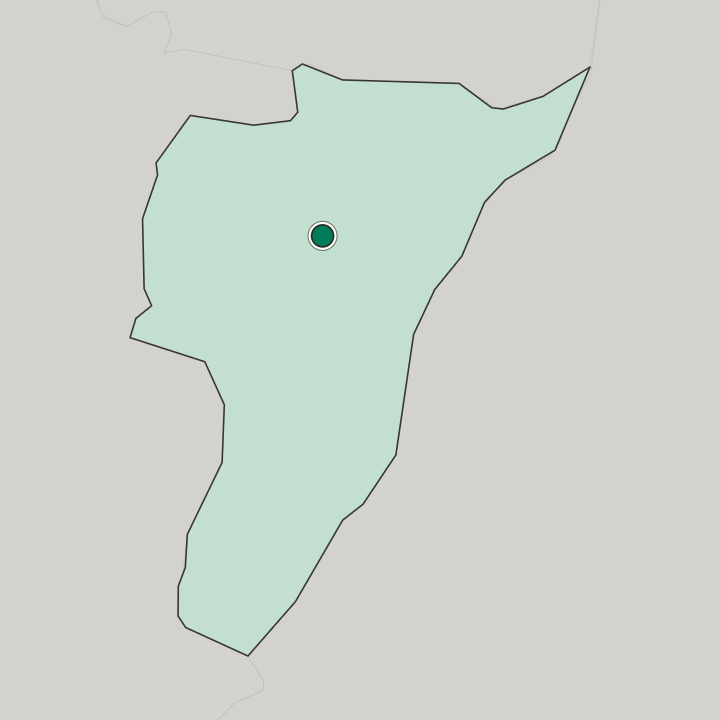
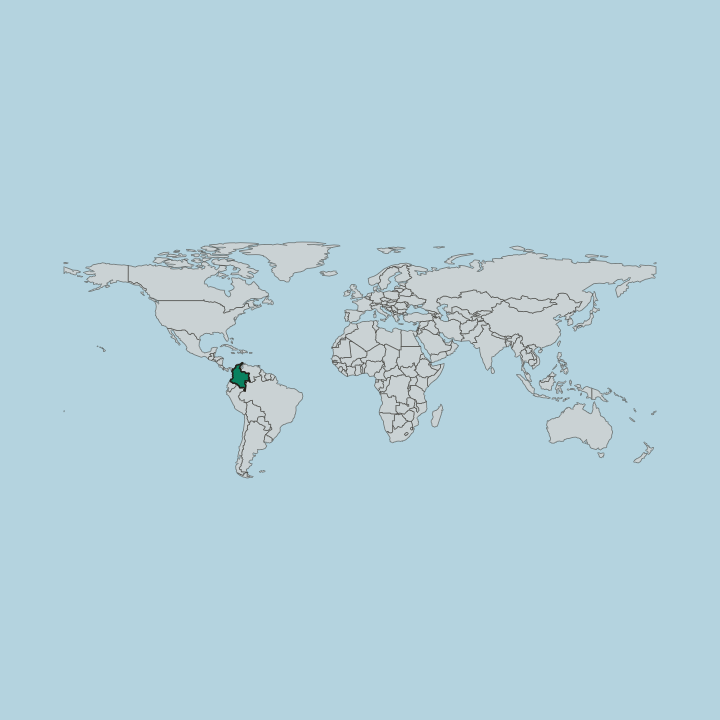
About 140 square kilometres of the Quindío Department make up the municipality, and Armenia occupies the greater part of that. Armenia holds its sights close together. The built-up ground gathers the Plaza de Mercado de Armenia, the Estación del Ferrocarril Armenia, and the Jardín Botanico inside a short radius, while Ortega Díaz sits out toward the boundary of the same territory, on the alignment the railway followed.
What is the climate of Armenia?
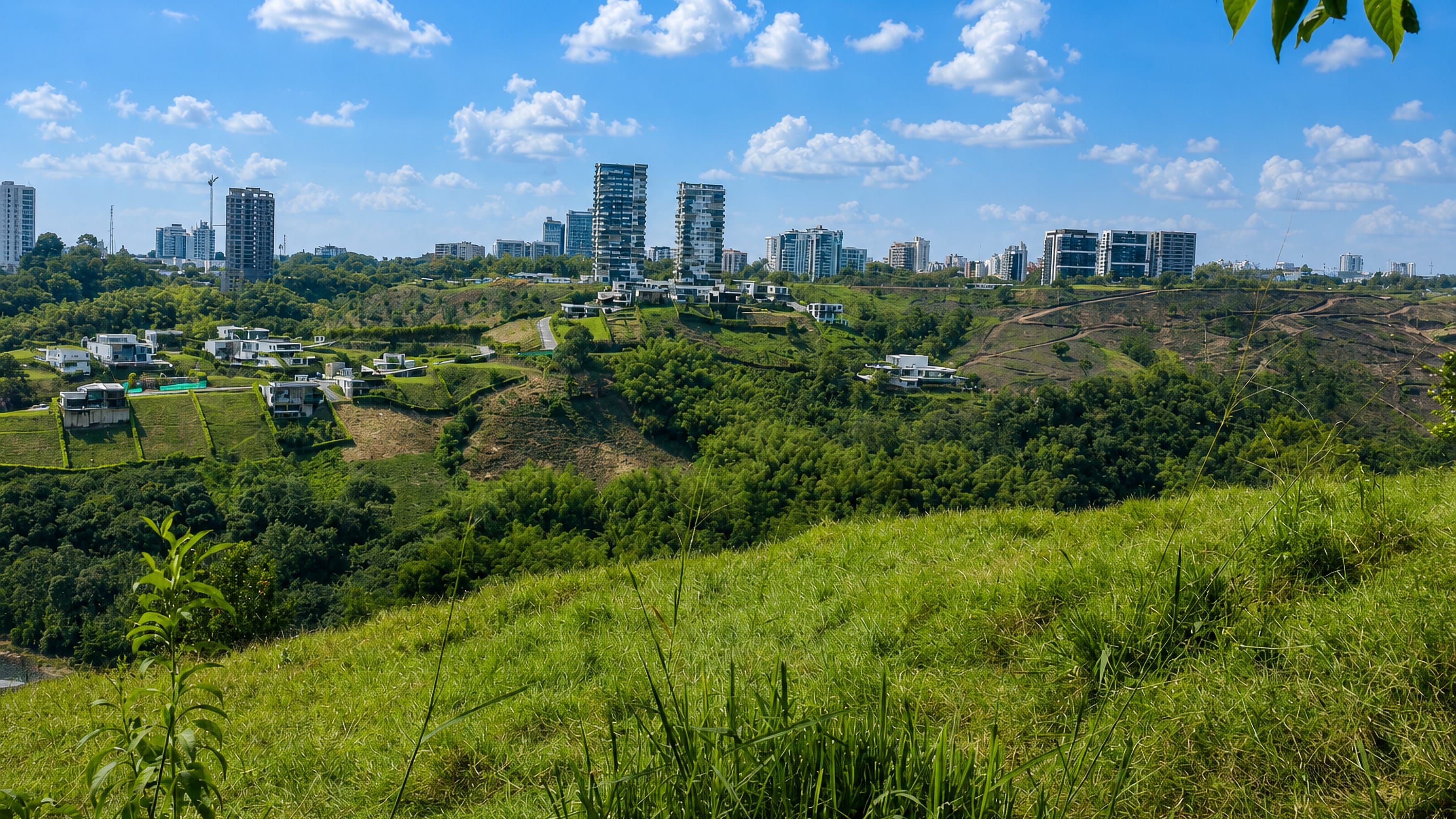
The tropical band settles the temperature. Warmth holds steady enough through the year that the calendar shows up as rainfall instead of as degrees, wetter stretches giving way to drier ones over the growing country of Quindío. Green stays green.
The Jardín Botanico is where the result is easiest to see.
How do you get to Armenia?
Two station buildings survive from the railway, the Estación del Ferrocarril Armenia in the city and the Estación del Ferrocarril Ortega Díaz further out, and between them they mark a route rather than a service. Everything else comes by road. Traffic from across Quindío converges on a plan small enough that the last stage of most journeys is walked, whether the destination is the Plaza de Mercado de Armenia or the Quimbaya Gold Museum.
Common questions
What is the best area to stay in Armenia?
Market and station blocks: Museum afternoons reached on foot. By the Jardín Botanico: Slow days built around the Quimbaya Gold Museum. Ortega Díaz: Anyone following the old Quindío line.
Good for
Updated October 2026