Colombia
Quindío Department, Colombia — Towns & Travel Guide
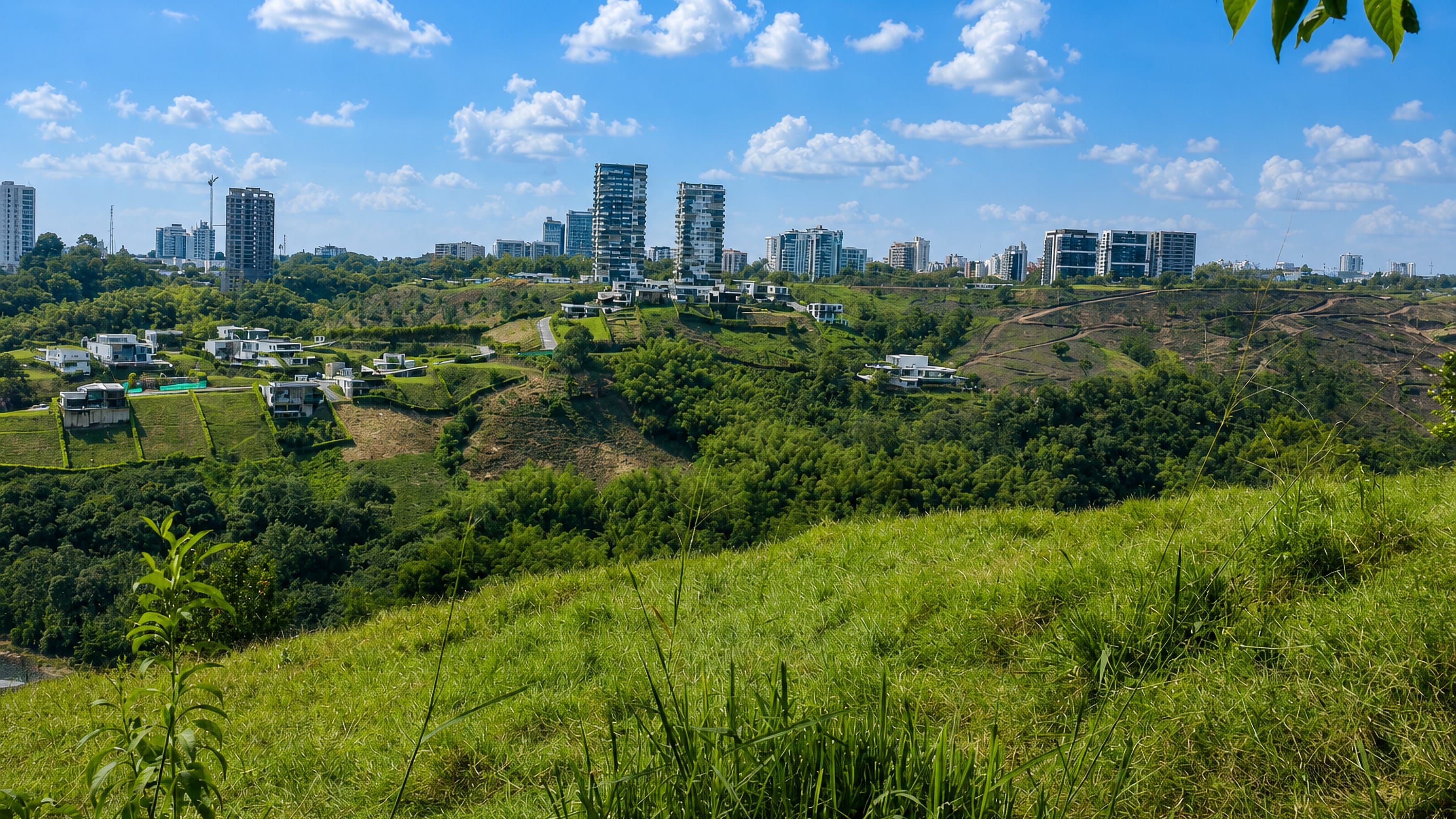
Quindío is Colombia's coffee heartland, a small Andean department of wax palms, colonial towns, and green mountain slopes.
Hotel links are affiliate links: booking through them may earn us a commission, at no extra cost to you. It never affects how places are ranked. How this works


Towns & cities in Quindío Department
One town here has its own guide — it links to where to stay.

 Colombia
Armenia
Armenia, founded in 1889 in the Quindío Department of Colombia, holds the Quimbaya Gold Museum and a listed market hall inside a small municipality.Where to stay →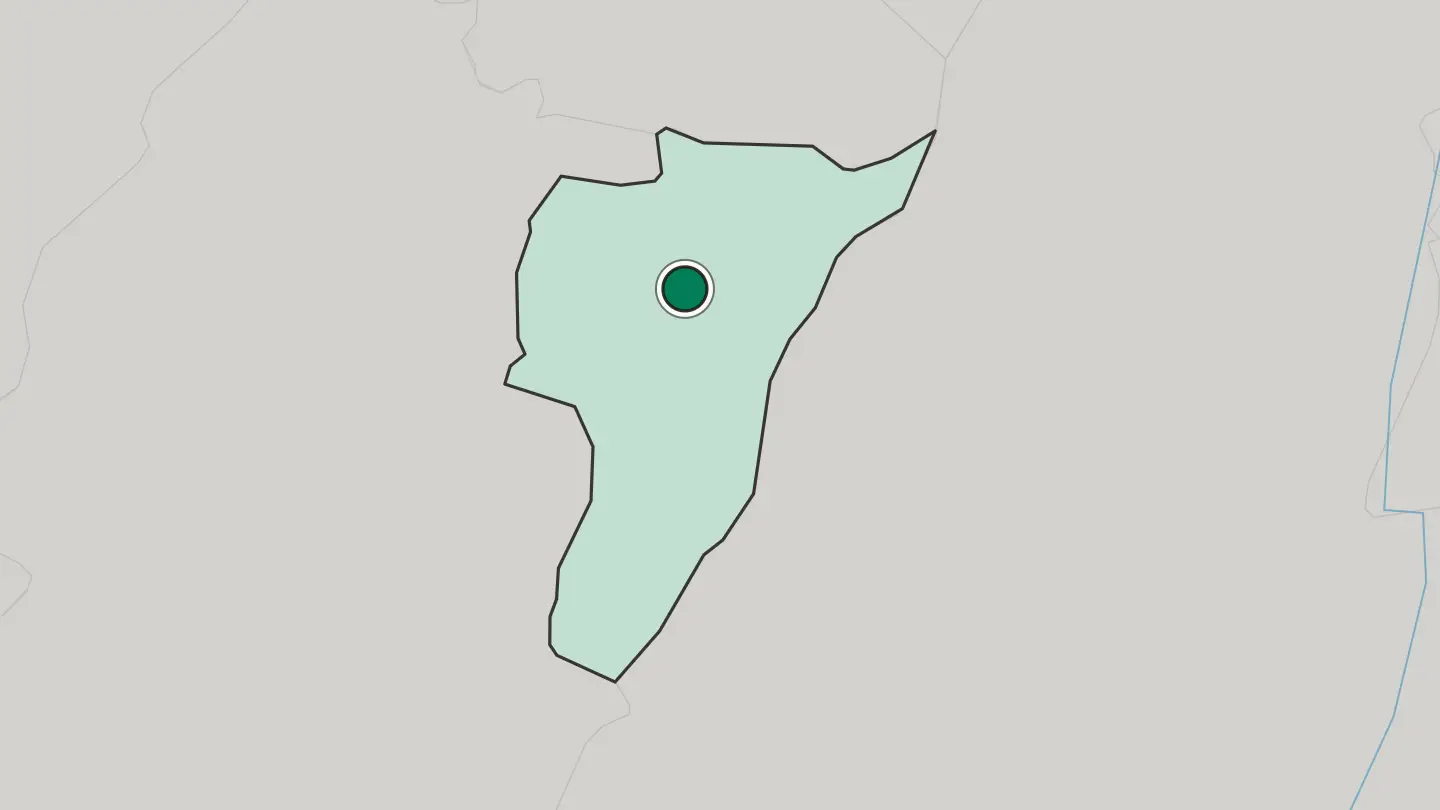
Hotel links are affiliate links: booking through them may earn us a commission, at no extra cost to you. It never affects how places are ranked. How this works
About Quindío Department
Coffee made Quindío famous.
What is Quindío Department known for?
It sits at the core of Colombia's Coffee Cultural Landscape, the UNESCO-listed zone of mountain farms and bahareque towns. The Cocora Valley draws the crowds, its slopes stubbled with Quindío wax palms that climb higher than any palm on Earth. Armenia is the capital and the arrival point for most trips.
Salento and Filandia hold onto their painted balconies and their coffee-boom streets, and the whole department carries the Paisa culture of the western Andes.
Where is Quindío Department?
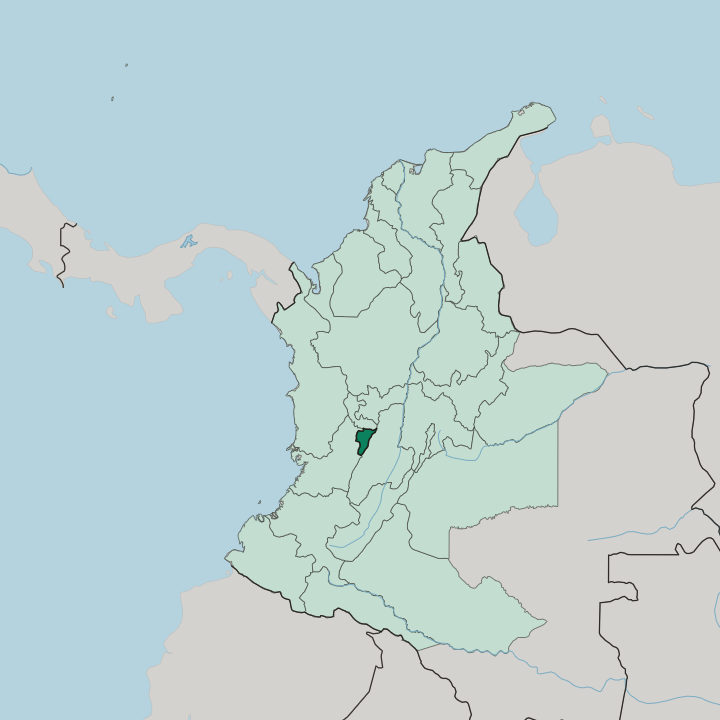
Quindío occupies the western face of the Cordillera Central, the middle range of the Colombian Andes. It is the country's second-smallest department. The land is all mountain and valley, folded into slopes and ridges with barely a flat acre anywhere.
Risaralda lies to the north, Tolima to the south and east across the crest of the range, and Valle del Cauca to the west down toward the Cauca lowlands. The department climbs from valley floor to high sierra. Its roof is the Nevado del Quindío, the extinct volcano also called Paramillo del Quindío, which marks the point where Quindío, Risaralda and Tolima meet at the eastern edge of the department.
From that high ground the Quindío River comes down through the Cocora Valley, gathering the streams that feed the coffee slopes below. Volcanic ash enriches the soil. Guadua bamboo and cloud forest cover the steeper ground, while Armenia sits lower on the western slope, wedged between the Espejo and Quindío rivers.
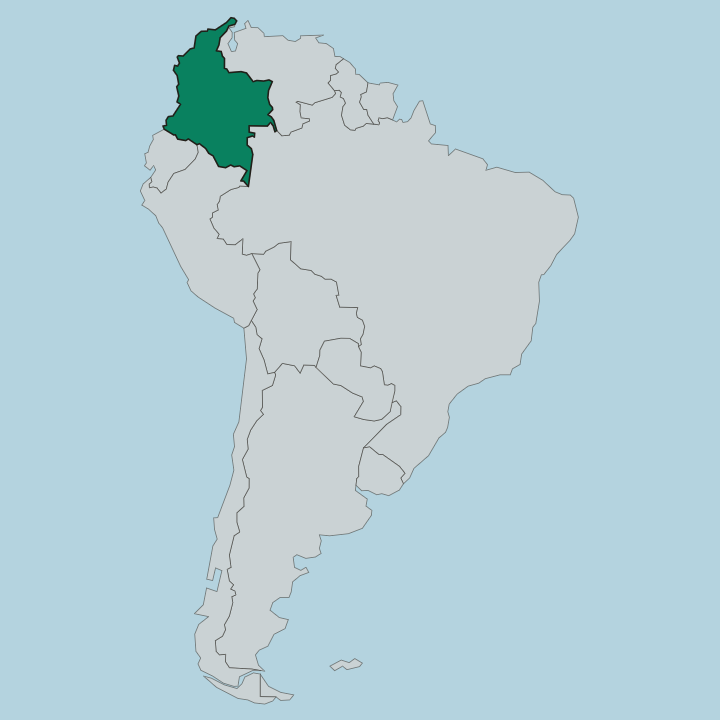
The whole department lies inside the triangle of Colombia's three largest cities, Bogotá, Medellín and Cali.
What is Quindío Department like?
Quindío is Paisa country, and coffee is the thread that runs through everything. The Paisa culture it shares with Antioquia shows in the mule-driver settlers who cleared these slopes, in the jeep Willys that still haul sacks up mountain tracks, and in the aguapanela served with every meal. Coffee is not only the crop.
It is the reason the towns exist and the shape of the working year. The architecture tells the same story. Salento and Filandia keep the bahareque houses of the coffee boom, timber and cane frames washed in loud colours, their balconies leaning over narrow streets.
Long before the settlers came, the Quimbaya civilization worked this land and left behind the gold that fills Colombian museums, some of the finest metalwork of the pre-Columbian Andes. That heritage lives on in the town of Quimbaya and in the department's museums. Craftwork thrives too.
Woven Guadua bamboo and the palm-fibre goods of the Cocora slopes turn up in every market, and the wax palm itself, Colombia's national tree, has become the emblem the whole department rallies around.
What is the history of Quindío Department?
The Quimbaya civilization held these slopes long before the Spanish, celebrated goldsmiths whose worked treasure now fills museums across Colombia. Salento, founded in 1842, was the first town of the modern settlement, and Antioquian colonists pushed in soon after by mule train to plant the coffee that would define the region. Quindío was carved out of Caldas and made a department in its own right on 1 July 1966.
Disaster struck. On 25 January 1999 an earthquake levelled much of Armenia and killed hundreds across the coffee towns, and the rebuilt capital still anchors the whole department.
What is the climate of Quindío Department?
Altitude sets the weather here, not the season. Because Quindío straddles the Cordillera Central, temperature falls as the land rises, so warm coffee slopes give way to cool cloud forest and finally to the cold air of the Nevado del Quindío. Armenia holds a mild spring-like climate the year round, the benign weather the coffee towns are known for.
Pacific winds bring the rain. They drench the slopes and feed the streams that run down to the Quindío River, and wet and dry spells alternate rather than true seasons.
How do you get to Quindío Department?
Most visitors fly into Armenia, whose El Edén airport connects the department to Bogotá and the coast. Quindío sits inside the triangle of Bogotá, Medellín and Cali, so the overland route is short and well travelled, with buses climbing the Cordillera Central into the coffee towns. From Armenia the roads branch quickly.
A half-hour run reaches Salento and the trailhead for the Cocora Valley, and jeeps handle the rougher tracks up to the fincas and the palm slopes beyond.
Common questions
What is the best area to stay in Quindío Department?
Armenia: arriving and connecting across Quindío. Salento: the Cocora Valley and its wax palms. Filandia: coffee-town streets without the crowds. The coffee fincas: sleeping on a working coffee plantation.
Good for
More regions in Colombia
- Distrito Capital de Bogotá
- Departamento de Antioquia
- Departamento del Valle del Cauca
- Departamento de Cundinamarca
- Departamento del Atlántico
- Departamento de Santander
- Departamento de Bolívar
- Departamento de Córdoba
- Departamento de Nariño
- Departamento de Norte de Santander
- Departamento del Cauca
- Departamento del Magdalena
Updated September 2026