Costa Rica
Provincia de San José, Costa Rica — Towns & Travel Guide
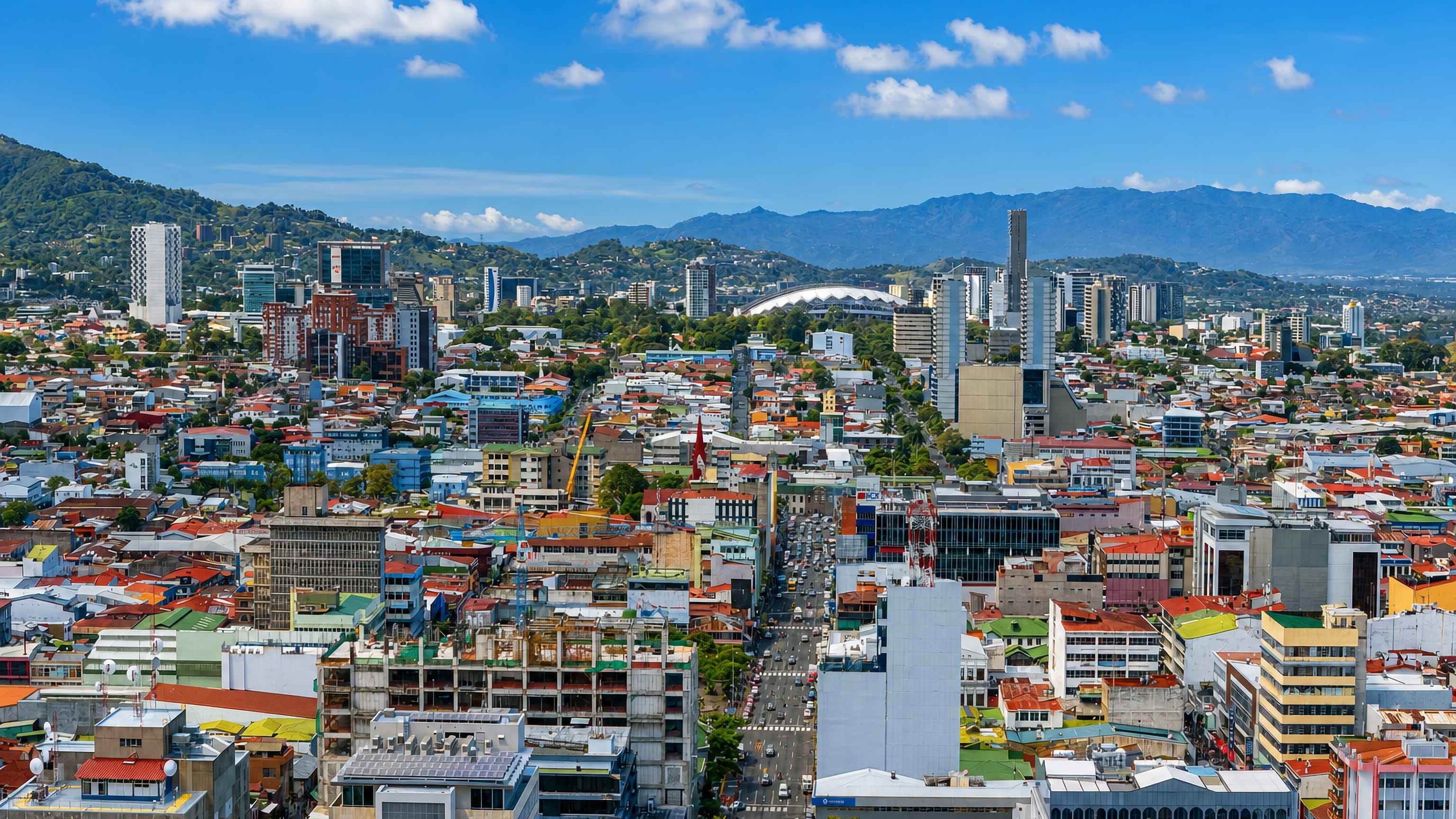
San José Province holds the heart of Costa Rica, a central highland region ringed by Cartago, Alajuela and Heredia and centred on the capital, San José.
Hotel links are affiliate links: booking through them may earn us a commission, at no extra cost to you. It never affects how places are ranked. How this works


Towns & cities in Provincia de San José
One town here has its own guide — it links to where to stay.
 Costa Rica
San José
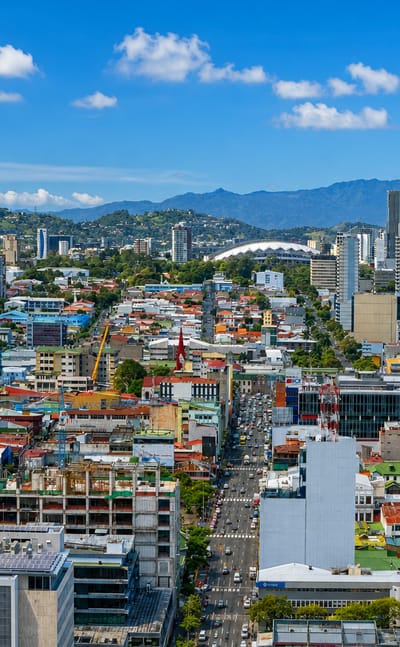
San José fills the Central Valley floor as the capital of Costa Rica and of Provincia de San José, known for its Gold Museum and Metropolitan Cathedral.Where to stay →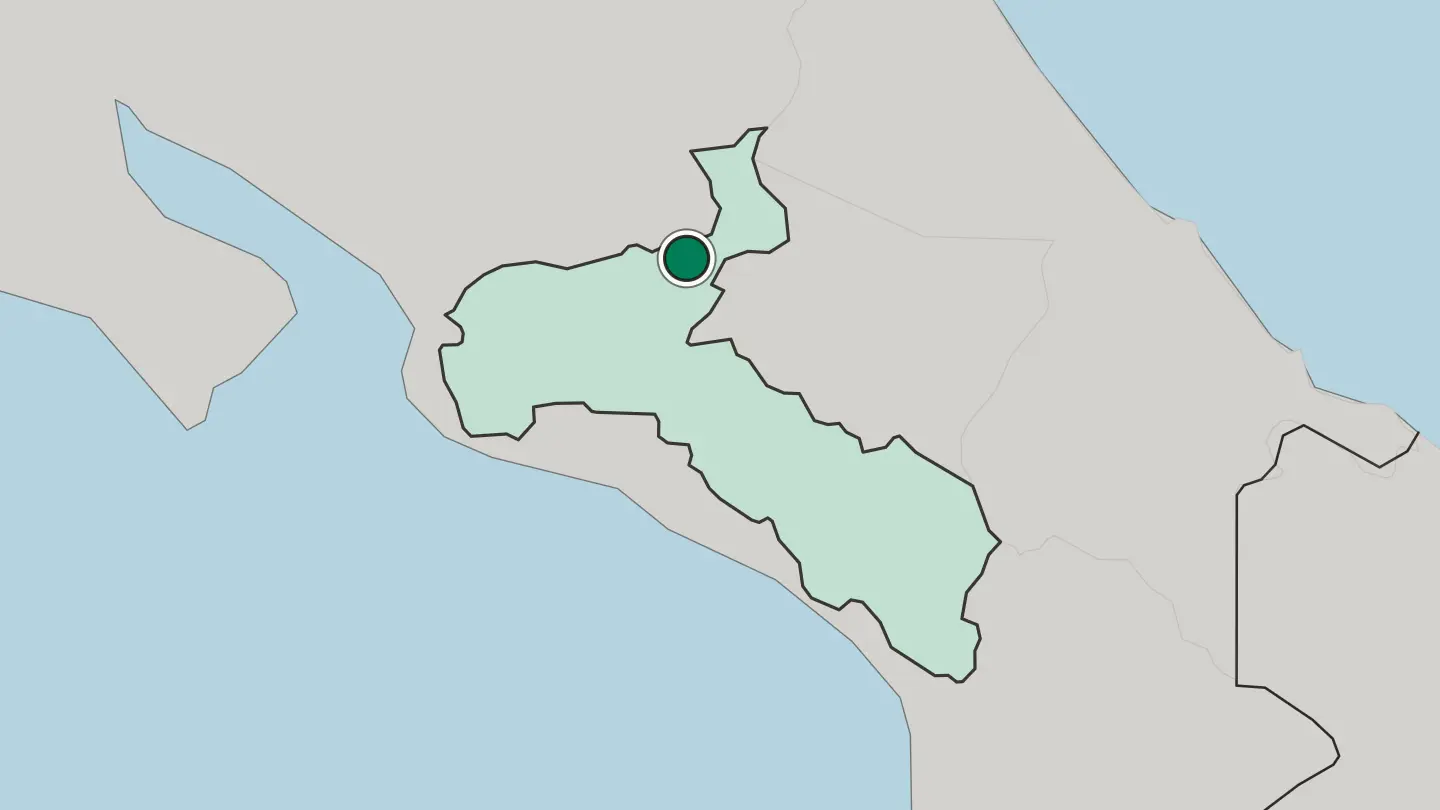
Hotel links are affiliate links: booking through them may earn us a commission, at no extra cost to you. It never affects how places are ranked. How this works
About Provincia de San José
What is Provincia de San José known for?
San José Province is known above all as the seat of Costa Rica's capital, the city of San José, and as the country's administrative core in the central part of the nation. It anchors the nation. Its reach binds together the surrounding provinces of Alajuela, Heredia and Cartago on the central plateau, while the road links fan out toward Limón and Puntarenas.
The province carries the national government and the busiest urban fabric in the country. Landlocked among neighbours, it trades coastline for altitude.
Where is Provincia de San José?
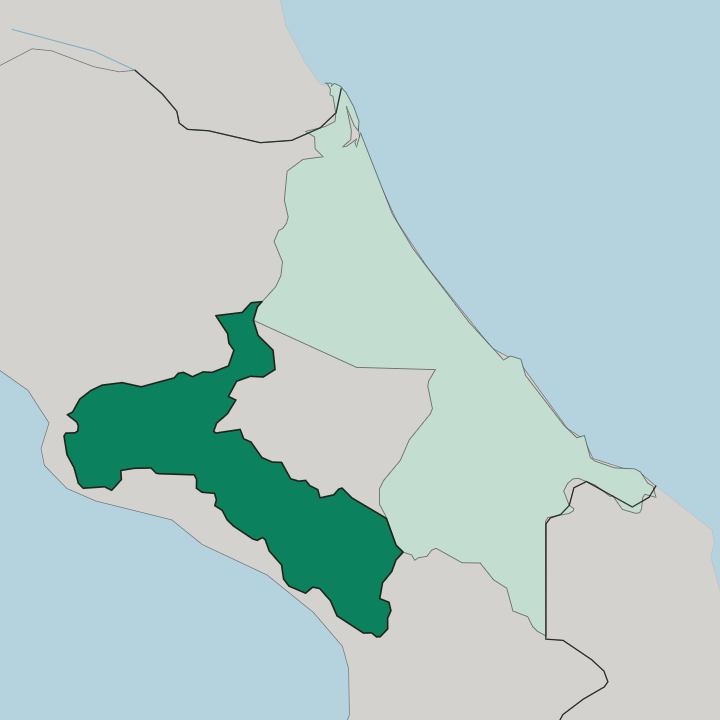
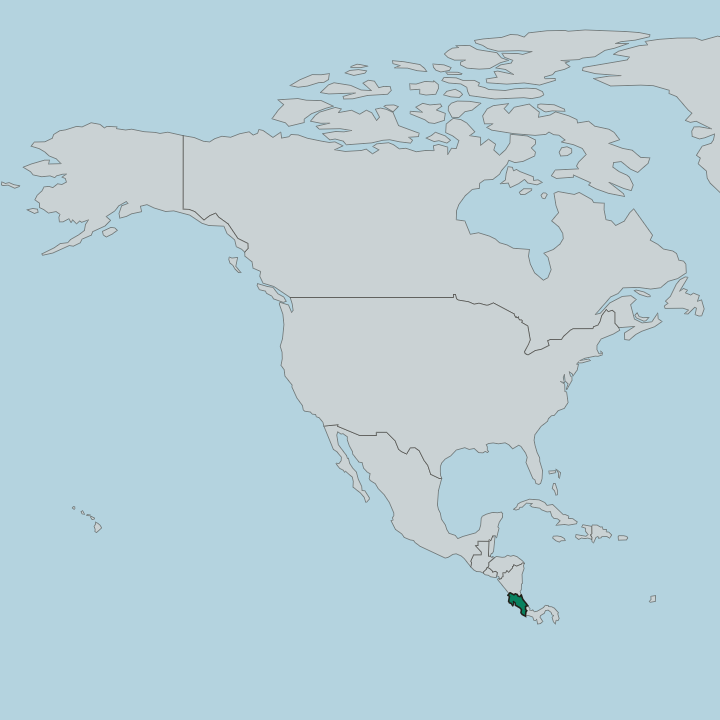
San José Province occupies the central part of Costa Rica, an inland region without a coastline of its own. It borders five provinces: Alajuela and Heredia to the north, Cartago to the east, Limón reaching the Caribbean side beyond it, and Puntarenas stretching toward the Pacific. The province sits high.
Its terrain belongs to the country's central highland belt, where the land rises well above the coastal plains that flank Costa Rica on either sea, and the tropical air cools into an even upland warmth across the plateau that carries the capital and most of the province's people. Altitude defines the setting more than any single river or ridge named in the record. The capital city of San José anchors the populated core, with Heredia and Alajuela pressing against its northern boundary and Cartago along its eastern flank.
Because the province is walled inland by its neighbours, its outlook faces the mountainous interior of Costa Rica rather than the Caribbean Sea or the Pacific Ocean that border the country as a whole. This central, elevated position shapes everything from its cooler climate to its role as the crossing point of the nation's routes.
What is Provincia de San José like?
San José Province carries the cultural weight of Costa Rica's capital, and Spanish is the everyday language across the region. Life here is metropolitan by national standards. The city of San José draws the province's institutions, its universities, and the civic rhythm of a national capital, while the surrounding plateau toward Heredia and Alajuela keeps a mix of urban and highland-town character.
The province stands apart from its coastal neighbours precisely because it is inland and elevated, so its culture grew around government, commerce and central-valley agriculture rather than port trade. That central position has long made the province the meeting ground of Costa Rica. Roads from Limón on the Caribbean side and Puntarenas on the Pacific side converge through the highlands here, and the capital gathers people from across the country.
Everyday culture reflects that convergence: a Spanish-speaking, capital-centred society whose identity is bound to San José the city, and to the wider Costa Rican highlands, rather than to any single coast. It is compact, dense, and unmistakably the nation's core.
What is the history of Provincia de San José?
San José Province takes its name and its role from the city of San José, which became both the provincial capital and the national capital of Costa Rica. Its history follows the country's central highlands rising to political primacy. As the capital settled into the central valley, the province around it grew into the administrative core, sitting among Alajuela, Heredia and Cartago.
The plateau held power. That inland setting kept it at the crossroads of the young nation, and the province has anchored Costa Rica's governance ever since.
What is the climate of Provincia de San José?
San José Province has a mild tropical-highland climate shaped by its altitude in the central part of Costa Rica. Though it lies in the tropics, the elevation of the central plateau keeps temperatures cooler and more even than on the Caribbean or Pacific lowlands beyond its borders. Seasons split into a drier stretch and a wetter one rather than into hot and cold.
Warm days, cool nights. The uplands around San José and toward Cartago stay green and temperate through much of the year.
How do you get to Provincia de San José?
San José Province is the most connected region in Costa Rica, reached most easily through the capital city of San José. National roads converge on the central highlands here, linking the province outward to Alajuela and Heredia on the plateau and onward toward the Caribbean side through Limón and the Pacific side through Puntarenas. Most travellers arrive via the capital.
From San José the rest of the province, and the neighbouring province of Cartago, sit within short overland drives across the central valley.
Common questions
What is the best area to stay in Provincia de San José?
San José city core: First-time visitors basing near Costa Rica's capital government and transport hub.
Another region in Costa Rica
Updated September 2026