Costa Rica · Provincia de San José
Where to Stay in San José, Provincia de San José
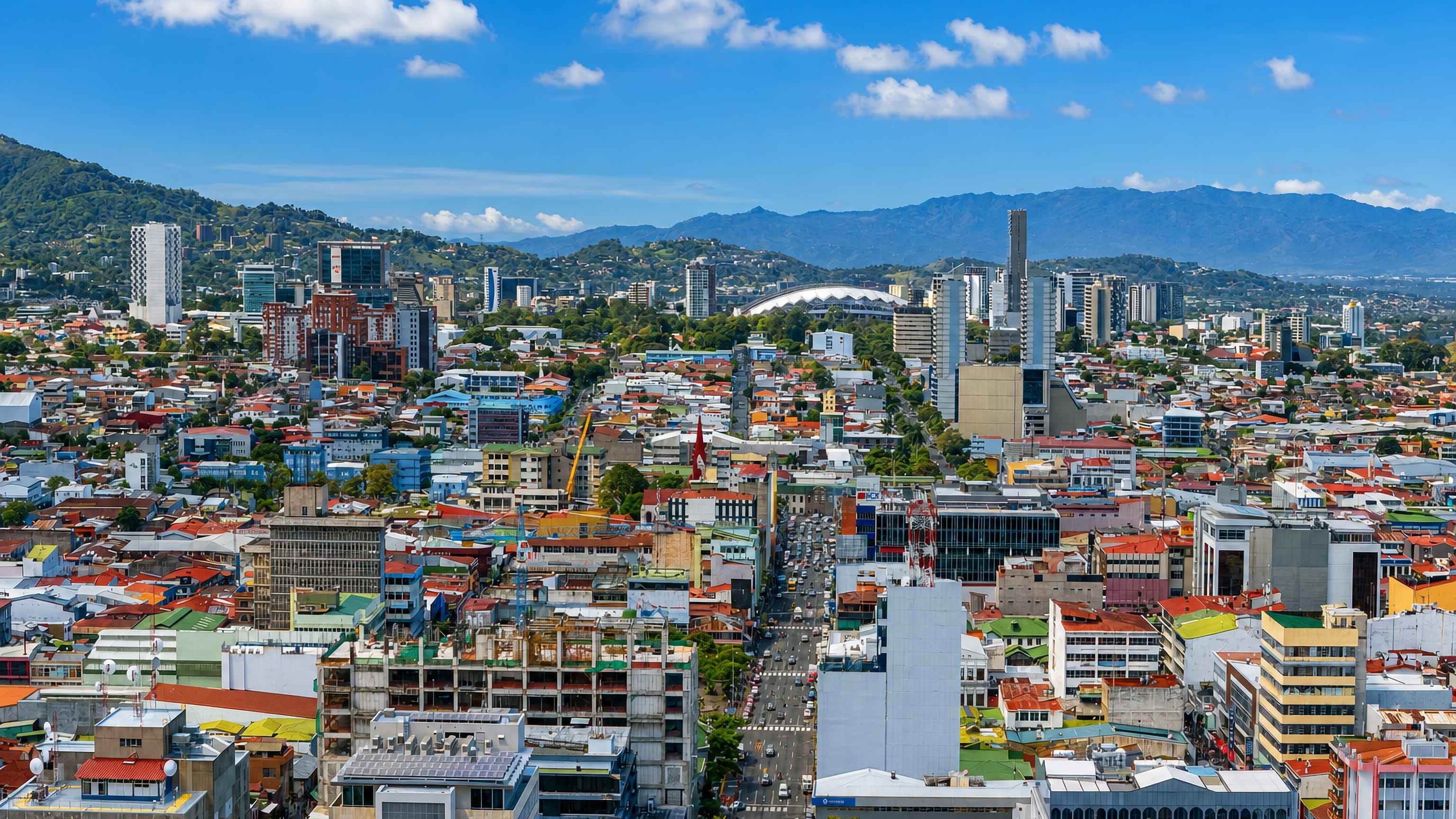
San José fills the Central Valley floor as the capital of Costa Rica and of Provincia de San José, known for its Gold Museum and Metropolitan Cathedral.
Hotel links are affiliate links: booking through them may earn us a commission, at no extra cost to you. It never affects how places are ranked. How this works


Where to stay in San José
The practical side of choosing where to sleep.
San José concentrates its beds in and around the compact centre, close to the museums and the Metropolitan Cathedral of San José. Stay central. The downtown grid, walkable between the National Museum of Costa Rica and the Pre-Columbian Gold Museum, puts you within reach of the city's civic core and its transport links across Provincia de San José.
If you want quieter nights, the leafier neighbourhoods west of the centre, nearer the Costa Rican Museum of Art, trade the downtown bustle for calmer streets while keeping the centre a short ride away. In San José, let the reason for your trip choose the district. If your days revolve around museums and colonial churches such as the Iglesia de La Merced and the iglesia de la Soledad, the historic core is the natural choice, dense with beds and steps from the Gold Museum.
Families often prefer the districts near the Museo de los Niños and the Parque Zoológico Nacional Simón Bolívar, where the pace eases. Whichever area you choose, San José works best as a walkable hub: the capital's short distances let you reach most of the city, and the wider Central Valley of Costa Rica, without a long commute.
Find hotels in San José
Direct booking searches for these neighbourhoods.
Historic centre
The downtown grid links the National Museum of Costa Rica, the Gold Museum and the Iglesia de La Merced on foot, the densest lodging in the capitalFind hotels in Historic centreQuieter nights near the Costa Rican Museum of Art with the centre a short ride awayWestern neighbourhoods
The leafier streets west of downtown, close to the Costa Rican Museum of Art, trade the historic-core bustle for calm while keeping San José's centre in reachFind hotels in Western neighbourhoodsHotel links are affiliate links: booking through them may earn us a commission, at no extra cost to you. It never affects how places are ranked. How this works
Things to do in San José
Ranked by global recognition; descriptions from Wikidata (CC0).
Museums & Galleries
3- National Museum of Costa Rica
- Pre-Columbian Gold Museum
- Costa Rican Museum of Art
Churches & Religious Sites
3- Metropolitan Cathedral of San José
- Iglesia de La Merced
- iglesia de la Soledad
Stadiums & Sports
1- BN Arena
Parks & Gardens
1- Parque Zoológico Nacional Simón Bolívar
Landmarks & Notable Places
1- Castillo Azul
worth knowingacross 5 categories in San José
About San José
What is San José known for?
San José is known as the national capital of Costa Rica and the seat of Provincia de San José, the country's political and cultural core in the Central Valley. It is the museum capital. Within its compact centre stand the National Museum of Costa Rica, the Pre-Columbian Gold Museum, and the Costa Rican Museum of Art, the country's foremost collections gathered a short walk apart.
Its skyline carries the Metropolitan Cathedral of San José and the older Iglesia de La Merced. Founded in 1737.
What are the main landmarks in San José?
San José holds Costa Rica's densest concentration of museums and colonial churches. The Pre-Columbian Gold Museum and the National Museum of Costa Rica anchor the historic core, while the Costa Rican Museum of Art and the Museum of Contemporary Art and Design carry the city's visual-arts collections. Three churches mark its faith.
The Metropolitan Cathedral of San José, the Iglesia de La Merced, and the iglesia de la Soledad rise from the colonial-era street plan of the capital. Families head for the Museo de los Niños and the Parque Zoológico Nacional Simón Bolívar. Castillo Azul stands nearby.
What is the history of San José?
San José was founded in 1737 as a modest settlement in the Central Valley of Costa Rica, long after the older colonial centres nearby. Its rise was slow at first. The town grew through the highland tobacco and coffee economy, and as that trade drew wealth into the valley, San José gained the standing to become the capital of Costa Rica and the seat of Provincia de San José.
The move made a young settlement the political heart of the nation, a role it has held ever since across the central highlands. From that base the city built the institutions that still define it. The National Museum of Costa Rica gathered the country's heritage in the capital, the Pre-Columbian Gold Museum followed, and churches such as the Iglesia de La Merced marked its colonial-era faith.
Growth reshaped the founding town. The compact 1737 core thickened into a dense museum-lined centre, while the surrounding Central Valley filled in around it. The city's story is the story of Costa Rica's centre pulling the nation's government, culture and memory into one highland capital.
Where is San José?
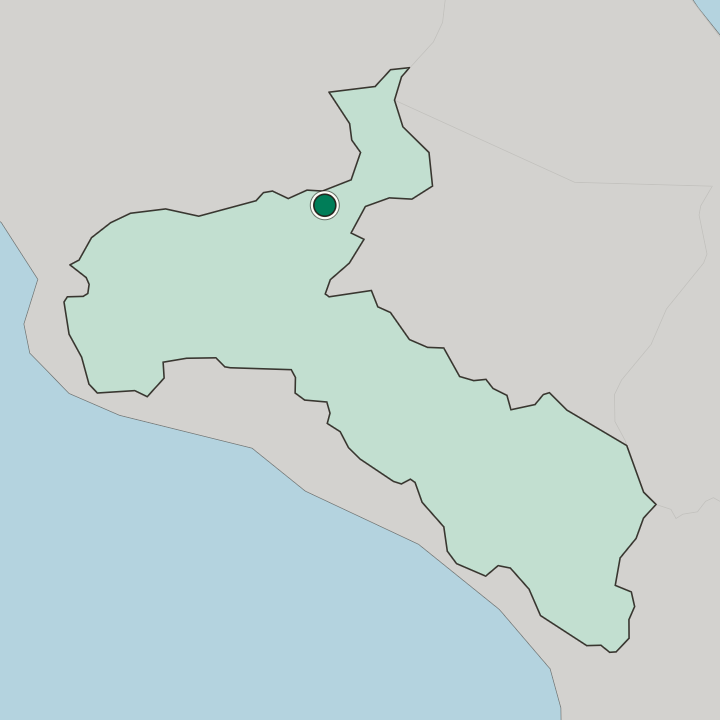
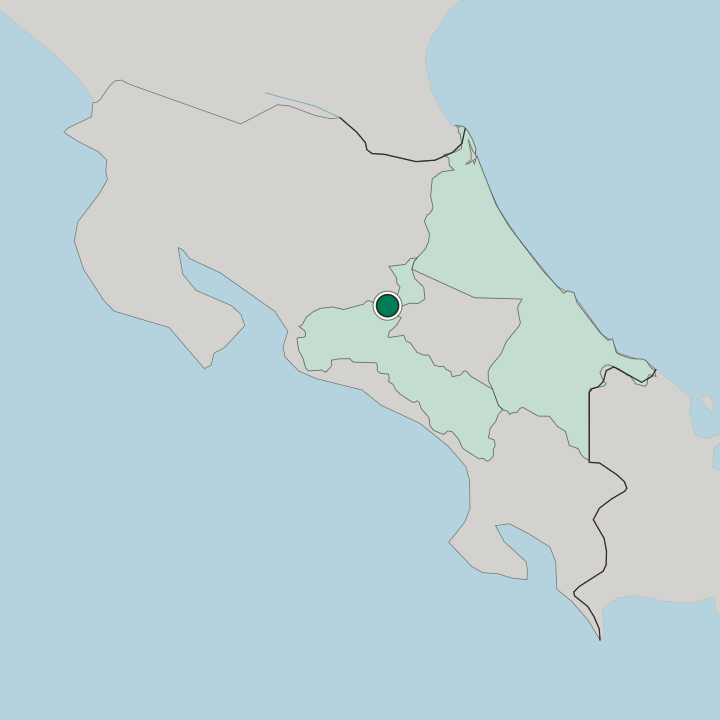
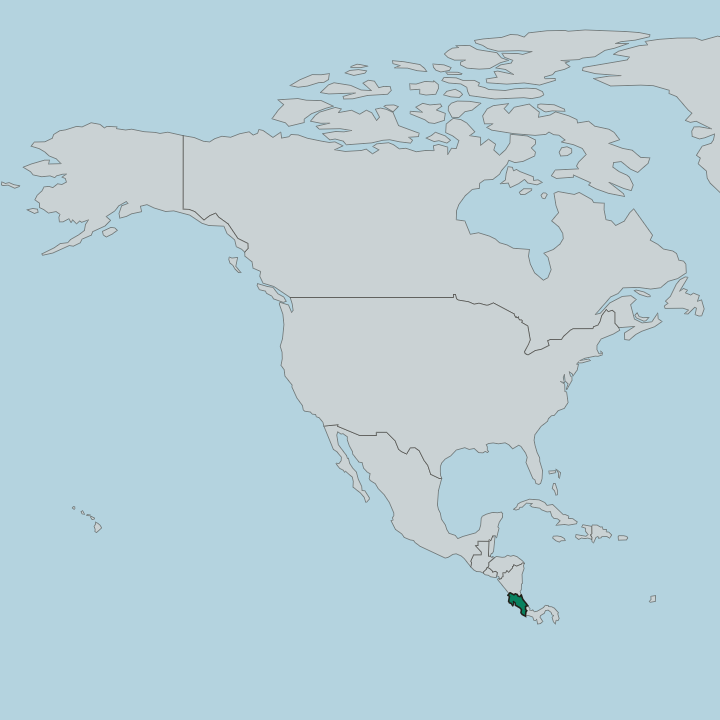
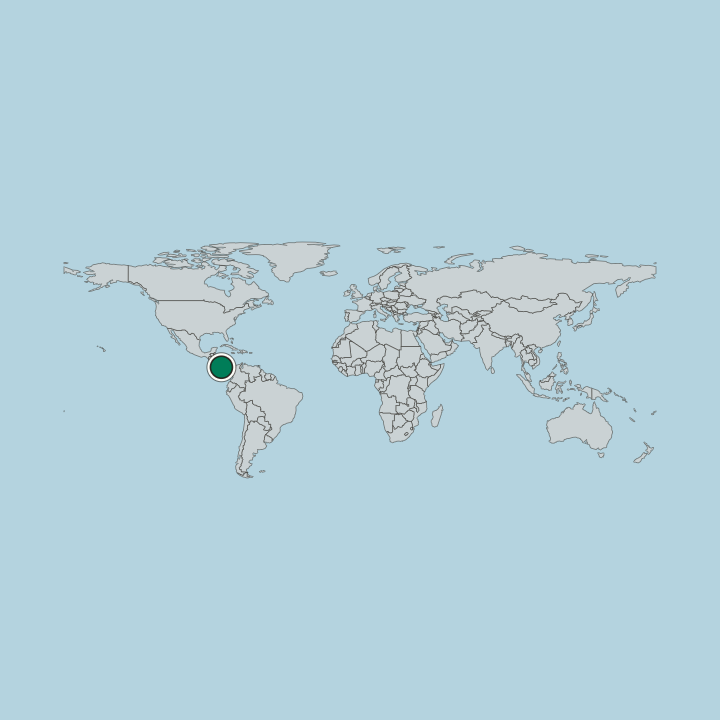
San José sits in the Central Valley, the highland basin in the central part of Costa Rica. No coast comes near it. Spreading across the elevated floor of the valley, and ringed by the mountains of the country's interior rather than by any coast, the capital of Provincia de San José lies well above the Caribbean and Pacific lowlands that flank Costa Rica on either side.
That valley floor gives the compact city its mild upland air. It is the crossing point of the central highlands.
What is the climate of San José?
San José has a mild tropical-highland climate set by its altitude in the Central Valley of Costa Rica. The city lies in the tropics, but its elevation keeps temperatures spring-like and even through the year rather than hot. Days are warm and nights are cool.
The calendar splits into a drier season and a wetter one, not into summer and winter, and the highland setting spares the capital the heavy heat of the Caribbean and Pacific lowlands beyond the valley.
How do you get to San José?
San José is the transport hub of Costa Rica, the point where the nation's roads converge on the Central Valley. As the national capital and the seat of Provincia de San José, it is the easiest place in the country to reach and the natural gateway for onward travel. Most visitors arrive here first.
From the compact centre, near the Pre-Columbian Gold Museum and the Metropolitan Cathedral of San José, routes fan out across the central highlands and down toward both the Caribbean and Pacific sides of the country.
Common questions
What is the best area to stay in San José?
Historic centre: Museum-first stays steps from the Pre-Columbian Gold Museum and the Metropolitan Cathedral of San José. Western neighbourhoods: Quieter nights near the Costa Rican Museum of Art with the centre a short ride away.
Good for
Updated October 2026