Cuba · La Habana
Where to Stay in Havana, La Habana
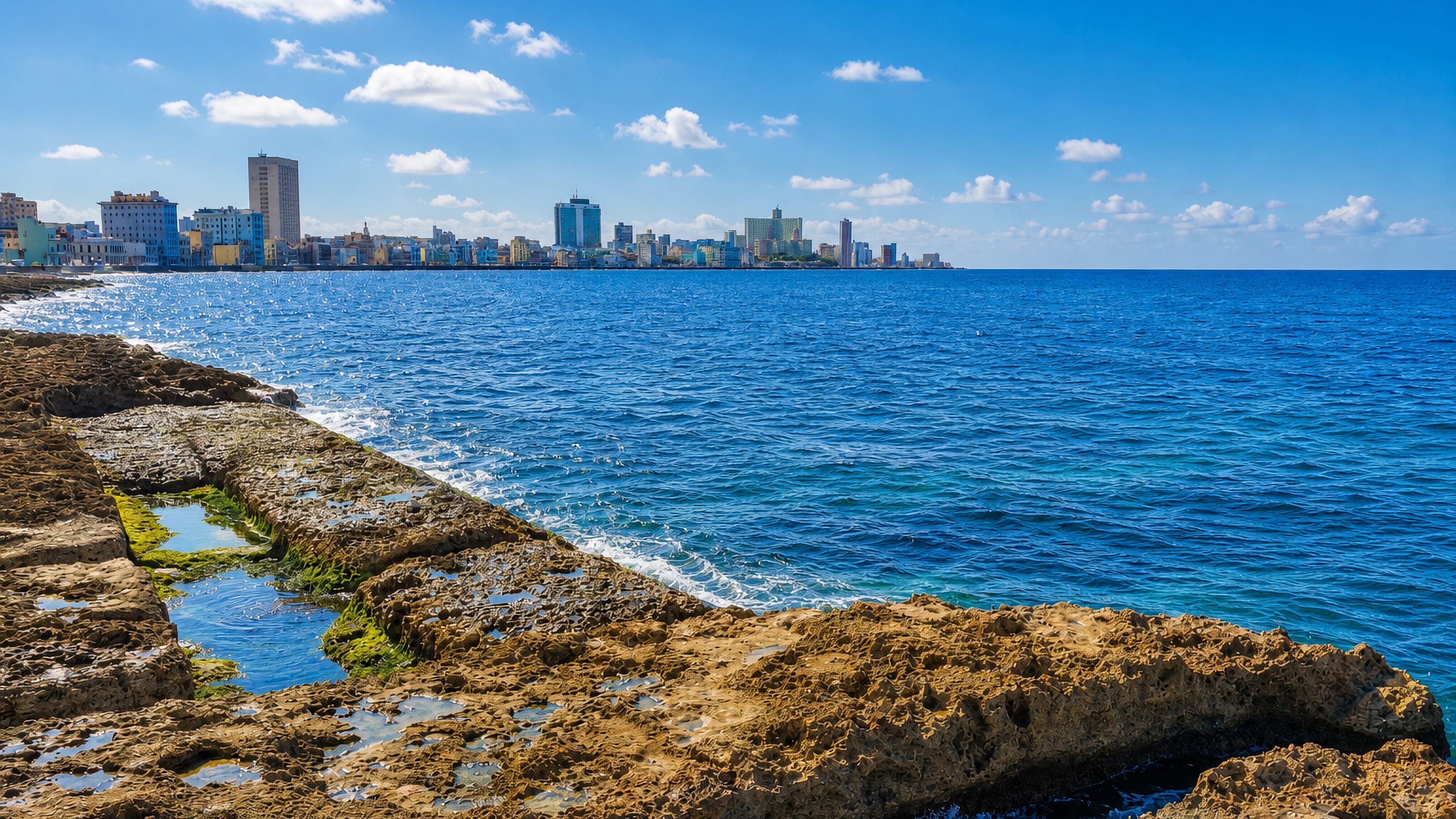
Sea walls and weathered colonnades edge Havana's harbour, the capital of Cuba and its main port, known for Havana Cathedral and the old walled quarter.
Find your area →


Where to stay in Havana
Where you base yourself shapes the visit — here's the character of each area.

 HavanaCuba
La Habana Vieja
La Habana Vieja holds the core of the original city of Havana, its old walls still marking the boundary of the modern municipality.Where to stay → HavanaCuba
Centro Habana
Centro Habana is Havana's most densely settled municipality, a compact quarter holding Barrio Chino and the Napoleon Museum.Where to stay →Things to do in Havana
Ranked by global recognition; descriptions from Wikidata (CC0).
Museums & Galleries
3- Museum of the Revolution
- National Museum of Fine Arts of Cuba
- Basilica Menor de San Francisco de Asis
Churches & Religious Sites
3- Havana Cathedral
- San Francisco de Paula Church
- Iglesia del Espíritu Santo, Havana
Castles & Historic Sites
3- Castle del Príncipe Heritage
- Atarés Castle Heritage
- Students' Monument
Landmarks & Notable Places
1- San Lázaro Tower Heritage
worth knowingacross 4 categories in Havana
About Havana
What is Havana known for?
Havana is known as the capital and largest city of Cuba, and the heart of La Habana Province. The old walled quarter draws most visitors, its plazas gathered around Havana Cathedral and the Basilica Menor de San Francisco de Asis. The city keeps a long stock of buildings from its late 19th and early 20th century heyday.
Music runs through it. The National Museum of Fine Arts of Cuba and the Museum of the Revolution hold much of its public collection.
What are the main landmarks in Havana?
The main landmarks in Havana are led by Havana Cathedral, the baroque church that anchors the old quarter's cathedral square, with the Basilica Menor de San Francisco de Asis rising over its own plaza a short walk away. Two museums frame the story. The National Museum of Fine Arts of Cuba holds the country's principal art collection, and the Museum of the Revolution records the modern national story.
Colonial-era forts guard the harbour, among them the Castillo del Principe and Atares Castle. The Monument to the Victims of the USS Maine stands on the seafront.
What is the history of Havana?
Havana was founded in 1515 as a Spanish settlement, one of the earliest towns on the island of Cuba. Its deep harbour made it a natural port. Fleets gathered here before the long crossing back to Spain, and the wealth passing through drew raiders, so the crown ringed the harbour entrance with stone forts.
Atares Castle guarded one flank while the Castillo del Principe later rose on the high ground behind the town. The walled town grew inland from the water around its plazas and churches, among them the Iglesia del Espiritu Santo, one of the oldest surviving in the city. The port endured.
For centuries it carried the town as a hinge of trade across the Caribbean, and Havana Cathedral took shape in the 18th century to give the old quarter its baroque centrepiece. The late 19th and early 20th century marked a building boom, and much of the surviving stock of grand houses and public halls dates from that stretch. Modern history left its own marks across the city.
The Monument to the Victims of the USS Maine and the Antonio Maceo monument stand among the memorials raised along the seafront and the avenues.
Where is Havana?
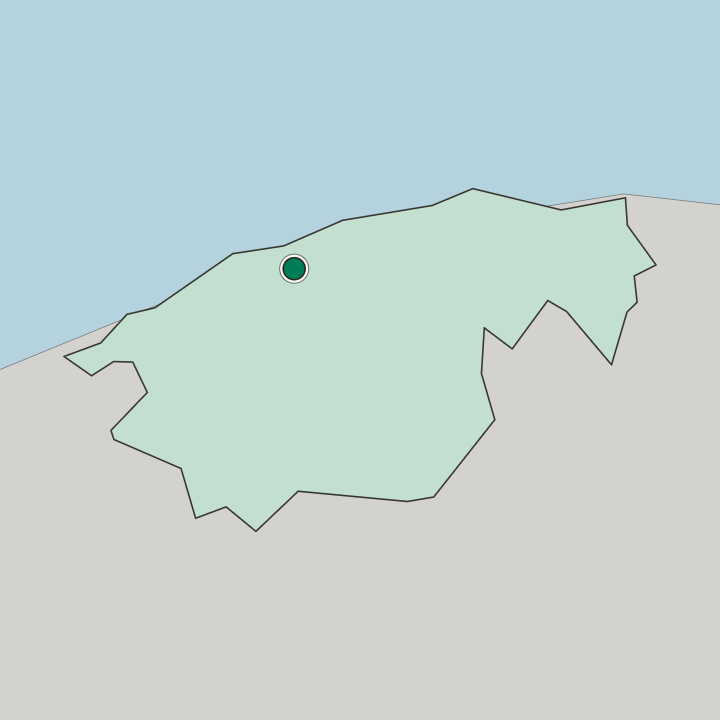
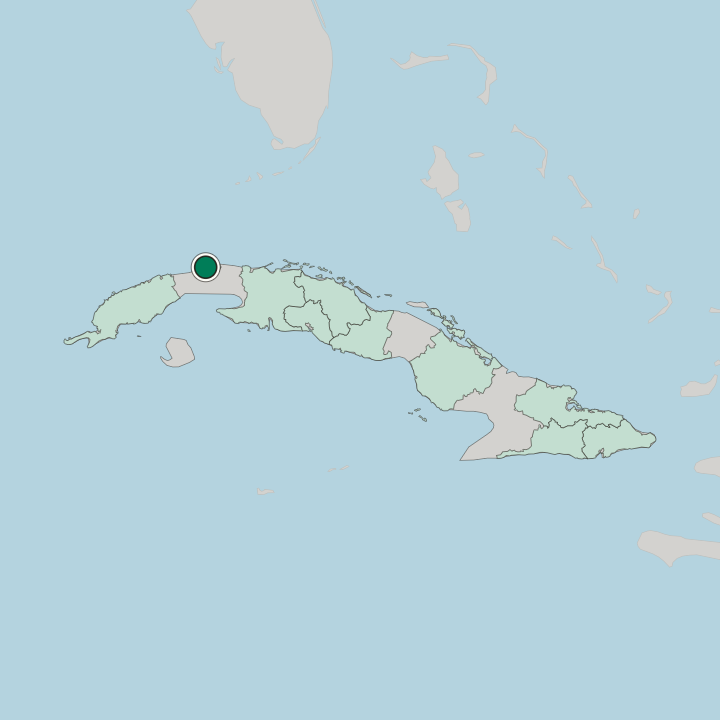
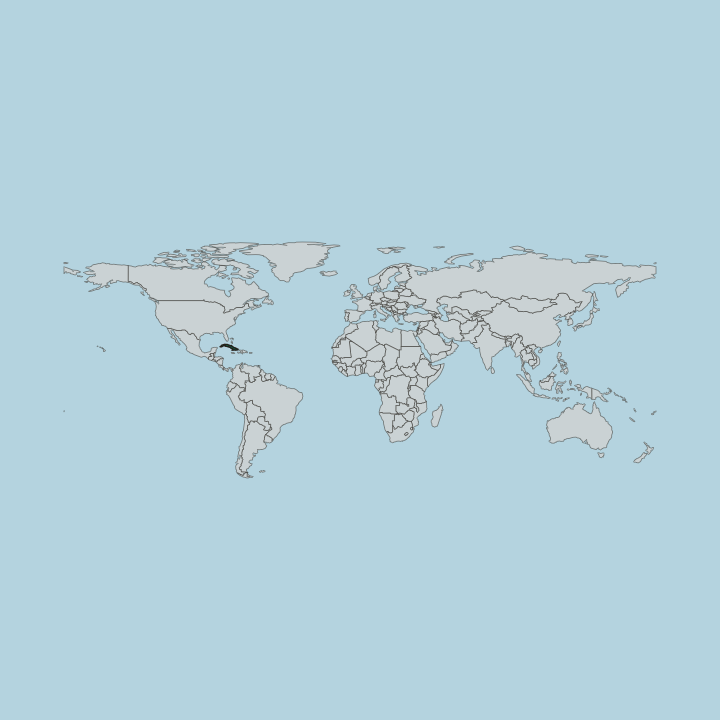
Havana lies on the northern coast of Cuba, wrapped around a deep sheltered harbour that opens to the Caribbean and made the site a natural port from its earliest days as a Spanish town. It heads La Habana Province. The old core sits on the west side of the harbour mouth, where the sea walls and the promenade trace the shoreline.
Low limestone ground rises inland. The Castillo del Principe crowns one of the higher points behind the old town.
What is the climate of Havana?
Havana has a tropical climate softened by the sea that surrounds Cuba. Its year splits into a warm wet season and a drier, milder stretch rather than into hot and cold. Rains build through the summer months and break over the harbour in heavy afternoon storms.
Sea breezes temper the heat along the promenade. The drier season brings clearer air and cooler nights across the old quarter, with the occasional northern front pushing wind and cloud down onto the coast.
How do you get to Havana?
Havana is reached most directly through its international airport, the main air gateway for Cuba. Flights land from across the Caribbean and beyond, and the airport sits inland from the old quarter with road links running in toward the harbour. The city is also the island's principal seaport, so cruise and ferry traffic ties up along the waterfront.
Roads fan out from Havana across La Habana Province. Within the centre the old quarter is walked, not driven.
Good for
Updated October 2026