Cuba
La Habana, Cuba — Towns & Travel Guide
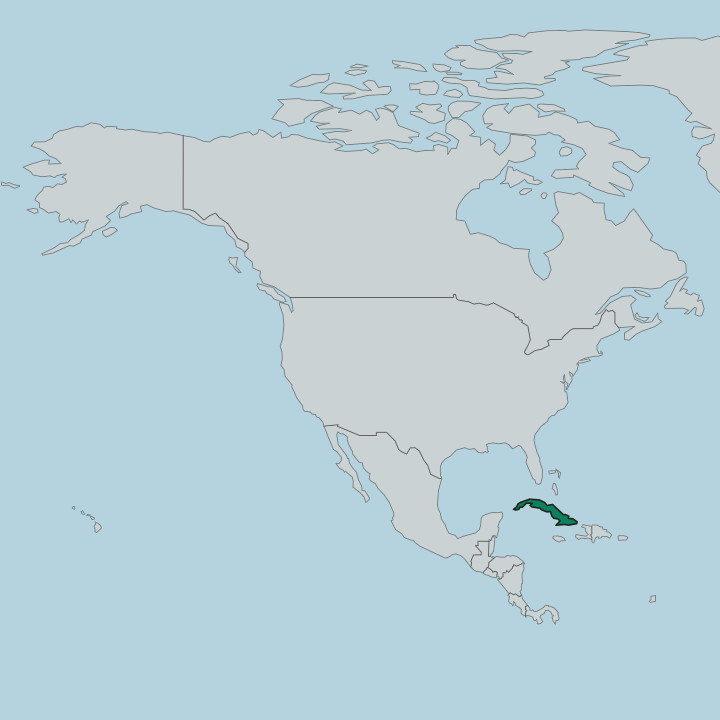
La Habana is the capital province of Cuba, one of the country's fifteen provinces, built around the port city of Havana on the Caribbean.
Find your area →


Towns & cities in La Habana
One town here has its own guide — it links to where to stay.
 Cuba
Cuba
Havana
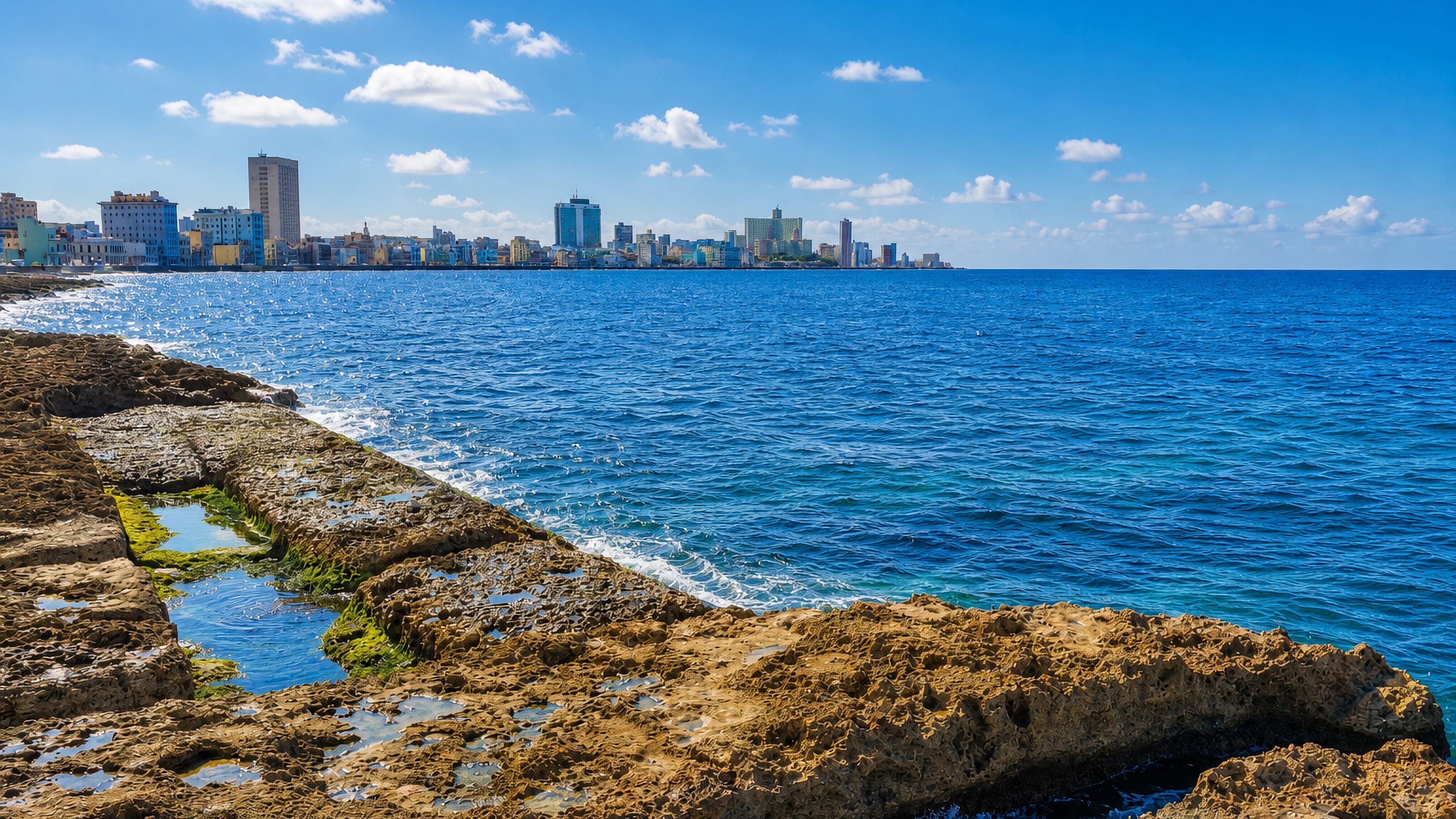
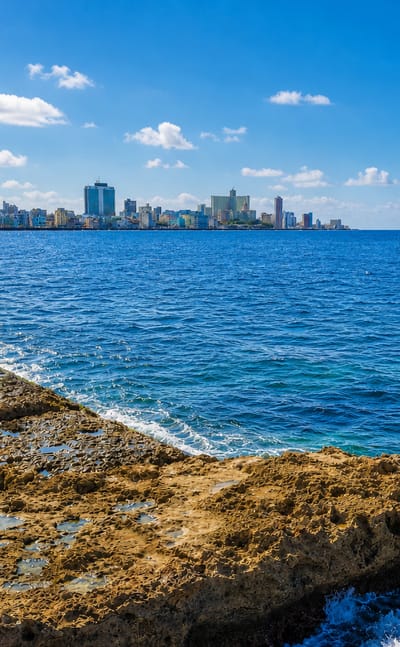
Sea walls and weathered colonnades edge Havana's harbour, the capital of Cuba and its main port, known for Havana Cathedral and the old walled quarter.Where to stay →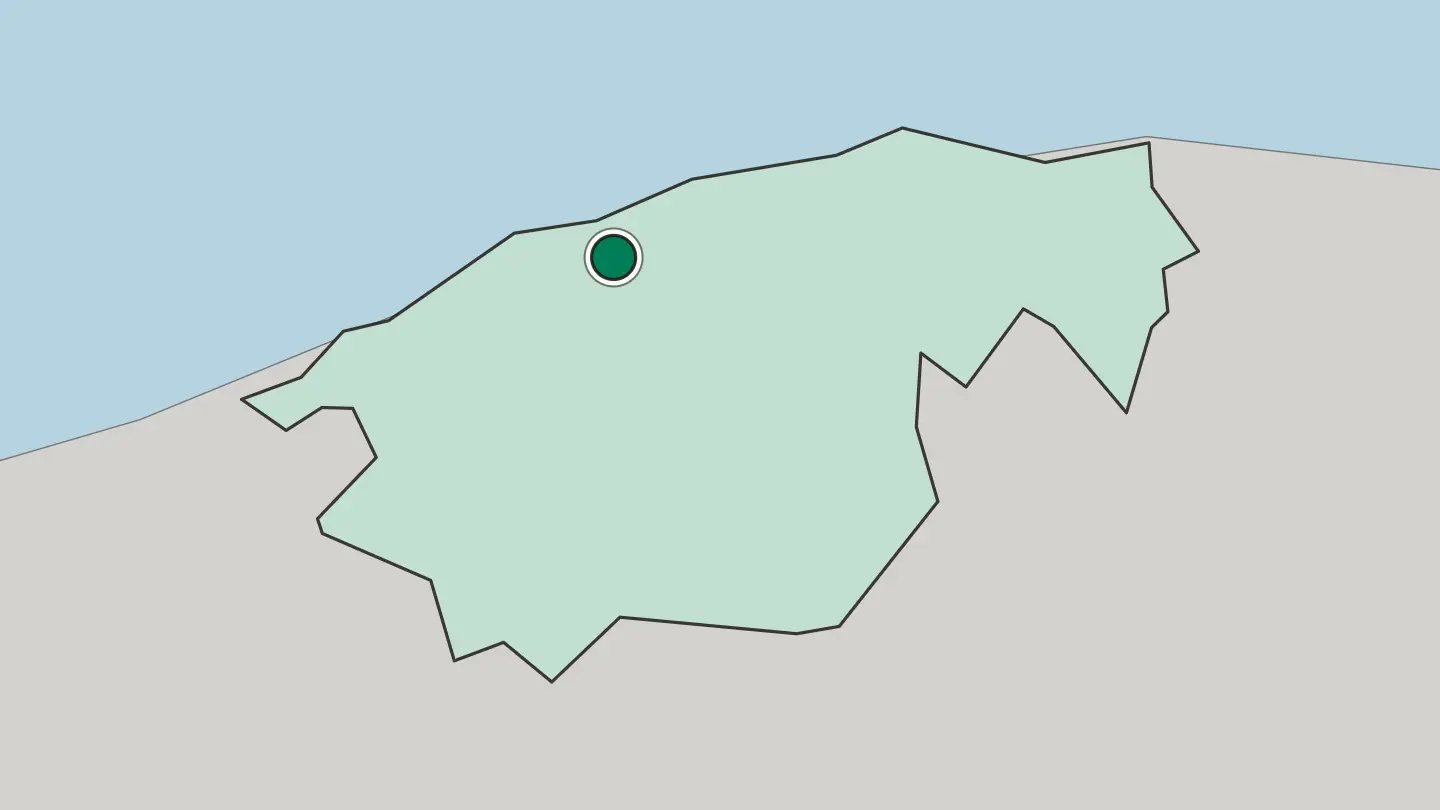
About La Habana
What is La Habana known for?
La Habana is known as the capital province of Cuba, the frame that holds the city of Havana. It is one of fifteen provinces on the island, and the smallest of them by land, drawn tightly around the capital rather than spread over open countryside. Havana gives the province its port, its government offices, and its stock of grand buildings from a late 19th and early 20th century heyday.
Music carries through it. Nearly everything the province is known for belongs to the city at its centre.
Where is La Habana?
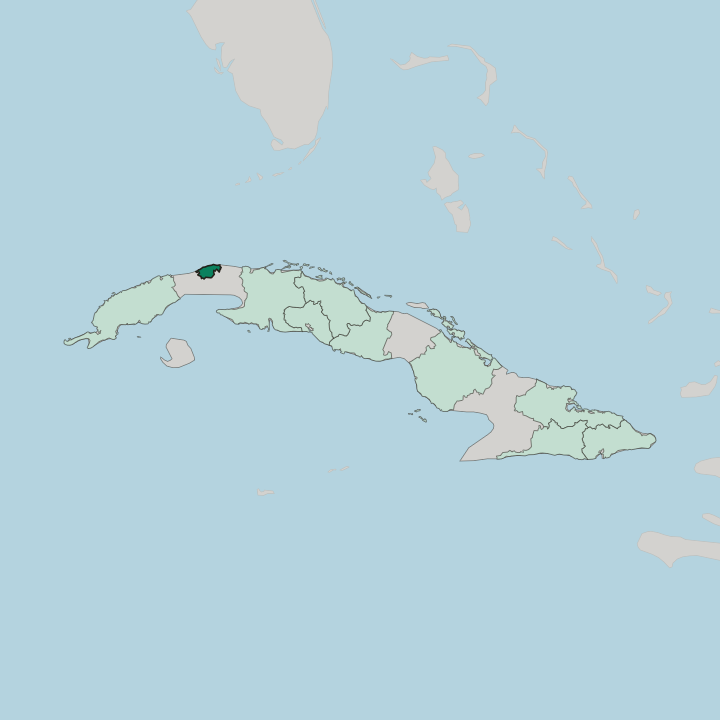
La Habana covers a compact stretch of the northern coast of Cuba, and its shape is defined by the city it contains rather than by any wide countryside beyond it. The province is small. It is the least extensive of the island's fifteen provinces, a tight administrative frame wrapped around Havana and the deep harbour that opens the capital to the Caribbean.
Low limestone ground runs back from the shore, gently rising inland from the water. Because La Habana is drawn so tightly, its geography reads largely as the geography of Havana. The boundaries exist to give Cuba's seat of government a province of its own, set apart from the surrounding land so the national capital sits within a division answering to the whole country.
Sea defines the northern edge. A deep harbour cuts into the coast at the province's heart, and the city fills nearly all the ground around it.
What is La Habana like?
La Habana carries the civic and cultural life of Cuba's capital. Life in the province is the life of Havana, where Spanish is the working language and the rhythms are those of a national capital rather than a provincial town. Music runs deep.
The sound is woven through the streets and squares of the port city that fills the province, and the buildings tell their own story, a stock of grand houses and public halls raised in a late 19th and early 20th century heyday and weathered by the decades since. Culture in La Habana is inseparable from Havana itself. The museums, the harbour trade, and the daily business of the state all belong to the city, and the province simply gives them a formal home on the Caribbean coast.
Because La Habana is defined by its capital rather than by a distinct rural tradition, its identity leans urban. The Spanish that Cuba shares is spoken in the accent of the capital here. That concentration on one city is the province's defining cultural fact.
What is the history of La Habana?
La Habana takes its history from the port at its centre. Havana was founded as a Spanish settlement in 1515, and its deep harbour on the Caribbean coast turned the site into the island's main port over the centuries that followed. The capital anchored it.
The province grew as the administrative frame around that city, holding the seat of government for Cuba, and its grand building stock rose largely during a late 19th and early 20th century heyday. La Habana exists to give that capital a division of its own.
What is the climate of La Habana?
La Habana sits in the tropics. Its weather follows tropical patterns softened by the sea, sharing the climate of Havana, where warm air off the Caribbean tempers the heat along the coast and the year divides into a wetter summer and a drier, milder stretch rather than into hot and cold. Rains break over the harbour in heavy afternoon storms.
Cooler nights and clearer air come with the drier months across the province.
How do you get to La Habana?
La Habana is reached through Havana, which serves as its only real gateway. Because the province is built around the capital and holds little land beyond it, arriving in La Habana means arriving in Havana. The city carries the province's international airport and its main seaport, so air and sea traffic both converge on the harbour.
Roads then fan out across Cuba from the capital. Getting to La Habana is simply getting to Havana.
Common questions
What is the best area to stay in La Habana?
Havana: the capital's harbour quarter and seafront within La Habana province.
Good for
More regions in Cuba
Updated September 2026