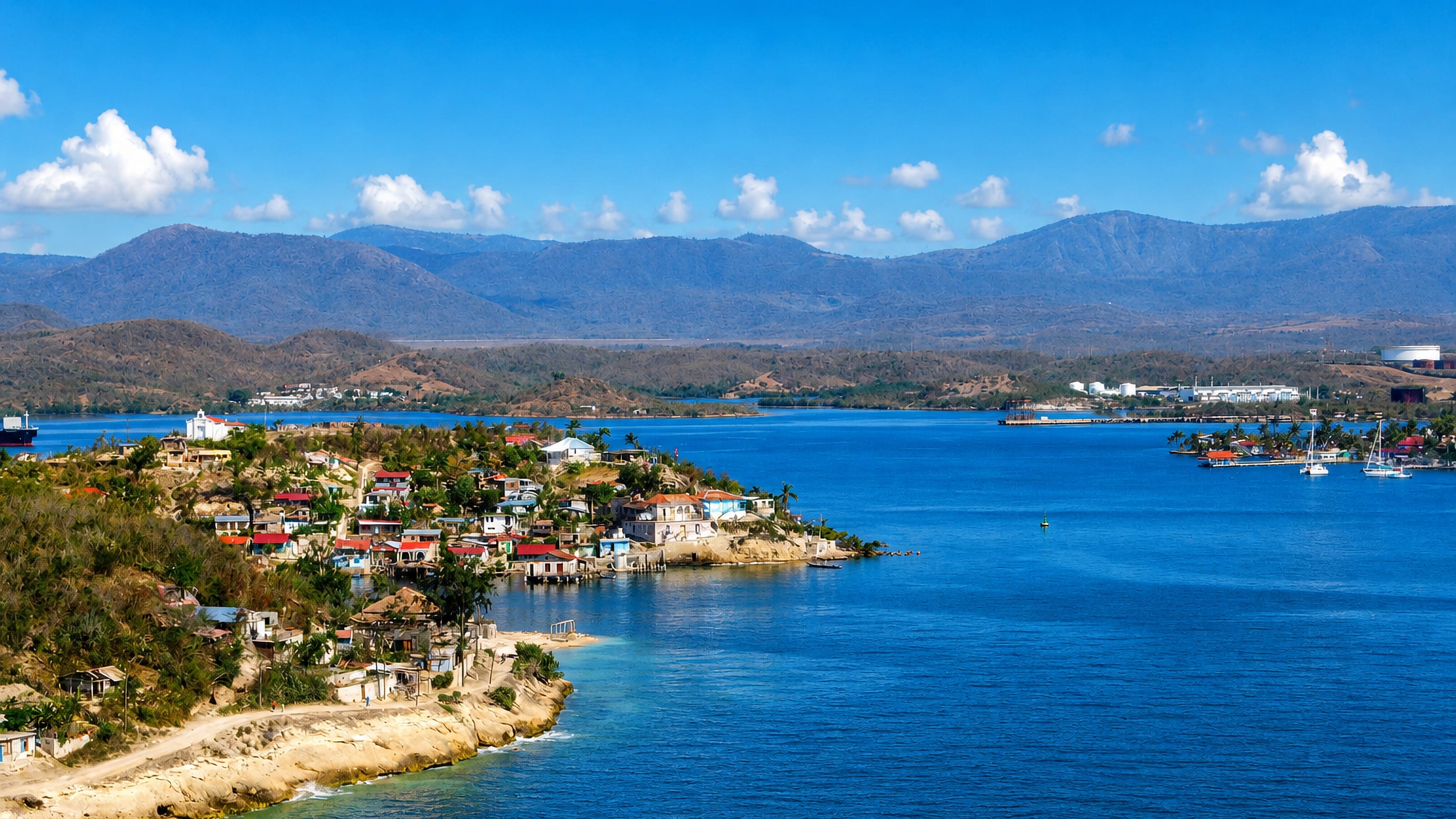
Cuba · Provincia de Santiago de Cuba
Where to Stay in Santiago de Cuba, Provincia de Santiago de Cuba
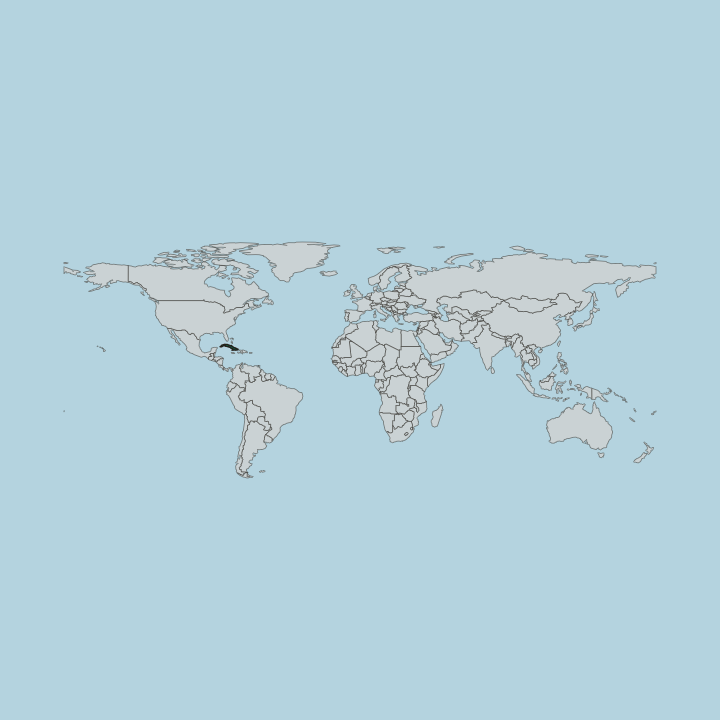
Santiago de Cuba, second-largest city on the island and capital of Santiago de Cuba Province, was founded in 1514, a long way southeast of Havana.
Find your area →


Where to stay in Santiago de Cuba
The practical side of choosing where to sleep.
The Cathedral Basilica of Our Lady of the Assumption fixes the first choice. Beds in the old centre of Santiago de Cuba put that church, the Museo Municipal Emilio Bacardi Moreau, and the everyday business of a provincial capital within a short walk, which is what most first visits want. Old Santiago moves at walking pace.
A room here suits you if the cathedral, the museum, and the monuments are the reason for coming rather than a base for driving out. Nothing else in the province matches its range of beds. Out from the middle, Santiago de Cuba spreads across a municipality far larger than its built streets, and rooms in those outer quarters trade the walk for space, air, and somewhere easy to leave a car.
The Estadio Guillermón Moncada pulls its own traffic on match days, and a bed near the ground suits anyone whose visit is timed to a fixture rather than to the cathedral. Distances grow beyond the core. Havana is 870 km off, so almost nobody here is passing through, and the real decision is between the old streets and the room to breathe outside them.
Things to do in Santiago de Cuba
Ranked by global recognition; descriptions from Wikidata (CC0).
Museums & Galleries
1- Museo Municipal Emilio Bacardi Moreau
Churches & Religious Sites
1- Cathedral Basilica of Our Lady of the Assumption, Santiago de Cuba
Castles & Historic Sites
2- Francisco Vicente Aguilera Monument
- José Maceo Monument
Stadiums & Sports
1- Estadio Guillermón Moncada
worth knowingacross 4 categories in Santiago de Cuba
About Santiago de Cuba
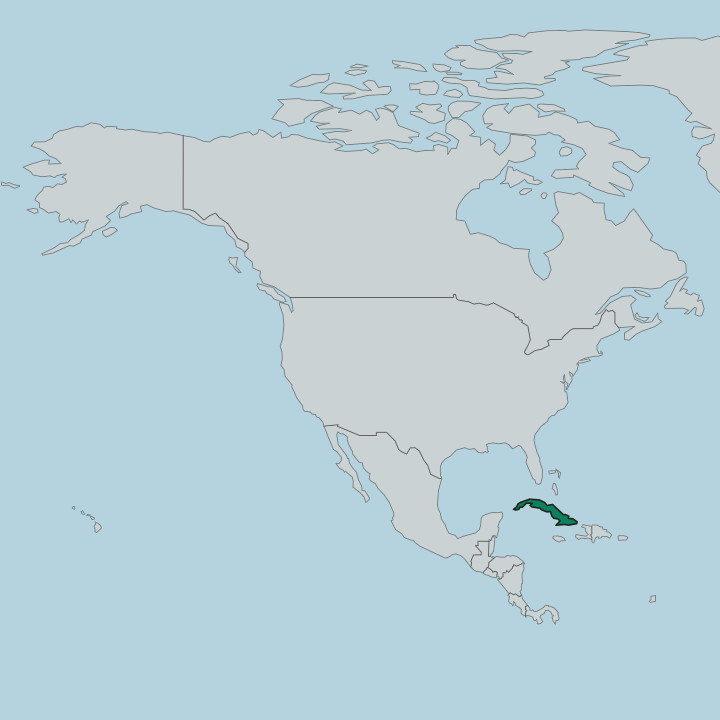
Cuba keeps two great cities.
What is Santiago de Cuba known for?
Santiago de Cuba is the second of them, capital of Santiago de Cuba Province, holding the southeastern area of the island some 870 km from Havana. The Cathedral Basilica of Our Lady of the Assumption is its principal church, the Museo Municipal Emilio Bacardi Moreau holds the municipal collection, and the Estadio Guillermón Moncada fills with the crowds a second city can raise. Monuments mark the rest.
What are the main landmarks in Santiago de Cuba?
Five sites define Santiago de Cuba. The Cathedral Basilica of Our Lady of the Assumption stands first among them, and the Museo Municipal Emilio Bacardi Moreau follows, a municipal collection whose holdings anchor the account the city gives of itself. The Estadio Guillermón Moncada is the sporting ground.
Two monuments complete the set, the Francisco Vicente Aguilera Monument and the José Maceo Monument, public memorials standing in the streets of Santiago de Cuba.
What is the history of Santiago de Cuba?
The year is 1514. Santiago de Cuba is a foundation of the sixteenth century, and its place at the southeastern area of the island set it a long way from where the island's later capital would rise. Distance shaped it.
Havana grew up 870 km off, and Santiago de Cuba kept its own weight rather than falling into the shadow of that capital, holding the rank of second city and the seat of a province. The Cathedral Basilica of Our Lady of the Assumption carries the longest institutional line here. Later generations added markers of their own: the Museo Municipal Emilio Bacardi Moreau for the municipal record, the Francisco Vicente Aguilera Monument and the José Maceo Monument for the figures the city chose to remember, and the Estadio Guillermón Moncada for crowds of a later kind.
The monuments say what mattered. The province carries the city's name, and the business of a provincial capital has been done here ever since. Through all of it Santiago de Cuba stayed second in Cuba by size and first in its own corner of the island.
Where is Santiago de Cuba?
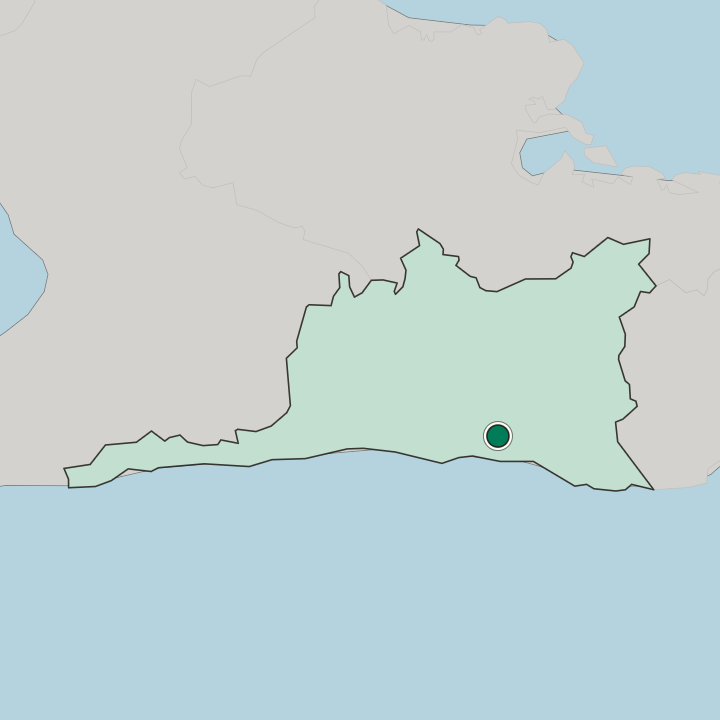
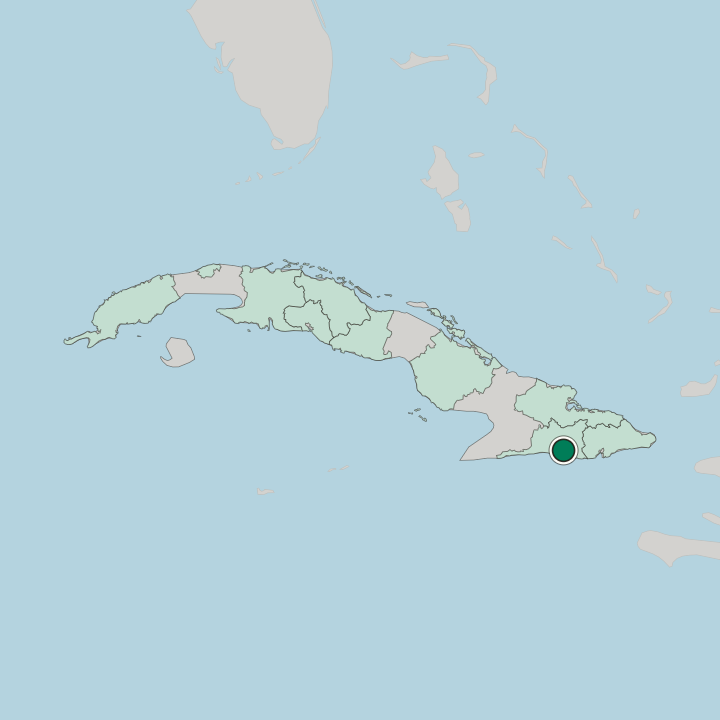
Santiago de Cuba holds the island's far end. It lies in the southeastern area of the island, some 870 km southeast of Havana, and its municipality runs well past the built streets into open country. Tropical conditions shape everything else.
Distance from the capital is the first geographic fact anyone here names.
What is the climate of Santiago de Cuba?
Nothing here cools off for long. Lying in the tropics at the southeastern area of the island, Santiago de Cuba runs warm the year round, and the difference between seasons shows in rainfall and humidity far more than on the thermometer. Humidity does the rest.
Shade counts for more here than any jacket, and the day bends around it.
How do you get to Santiago de Cuba?
Havana is 870 km off. That distance makes Santiago de Cuba a destination reached on purpose, at the end of a long haul down the island rather than a stop picked up between other places. The province gathers its traffic here.
Roads from across Santiago de Cuba Province converge on the capital, and once inside the old centre, the cathedral and the museum lie a walk apart.
Good for
Updated October 2026