Cuba
Provincia de Santiago de Cuba, Cuba — Towns & Travel Guide
Santiago de Cuba Province dates from 1976 and carries the name of Santiago de Cuba, inside the region known as Eastern Cuba.
Find your area →


Towns & cities in Provincia de Santiago de Cuba
One town here has its own guide — it links to where to stay.

 Cuba
Cuba
Santiago de Cuba
Santiago de Cuba, second-largest city on the island and capital of Santiago de Cuba Province, was founded in 1514, a long way southeast of Havana.Where to stay →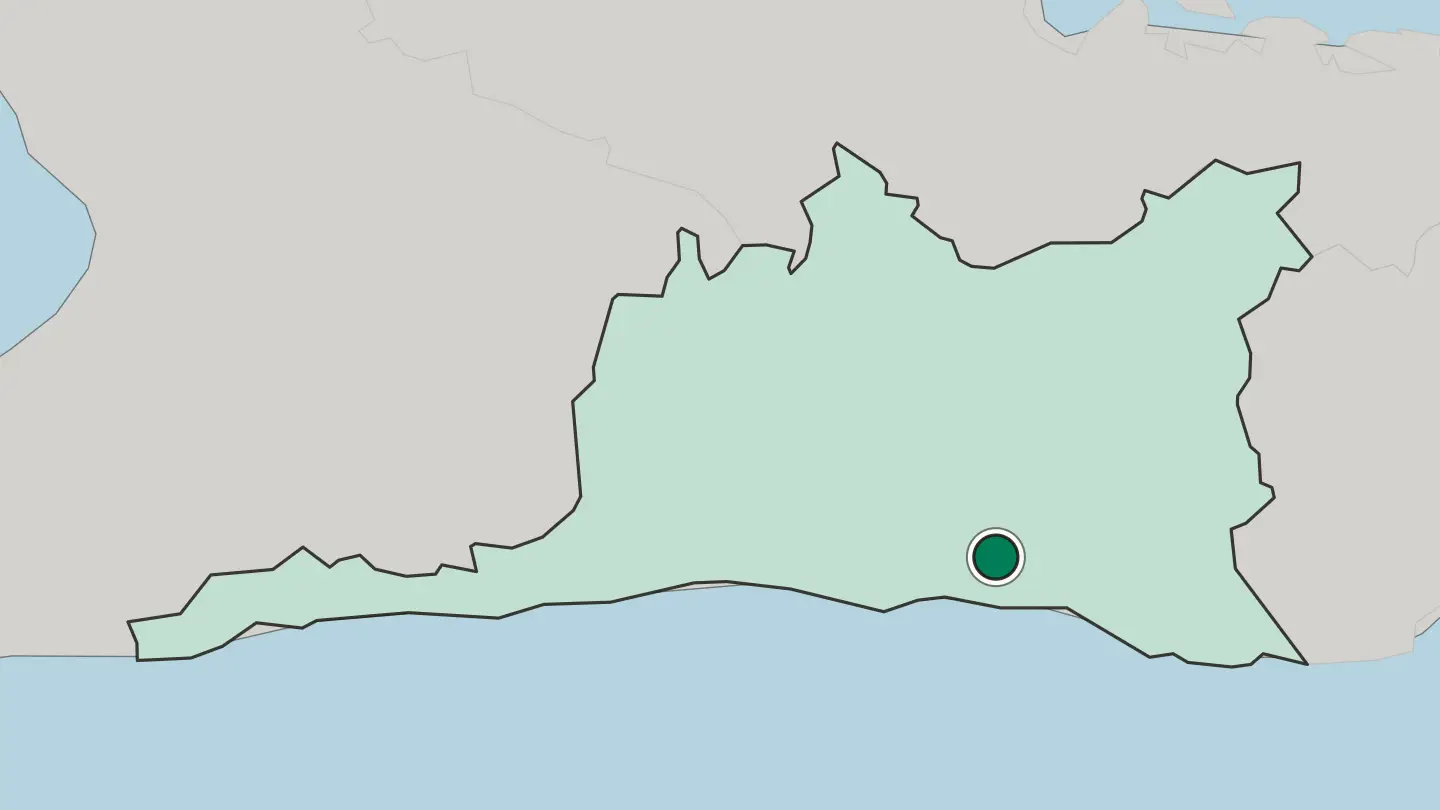
About Provincia de Santiago de Cuba
The province is a creation of 1976.
What is Provincia de Santiago de Cuba known for?
That year gave Santiago de Cuba its standing as a province of Cuba, so unlike regions that grew slowly into their borders it carries an exact founding date. The name is shared with a settlement. Eastern Cuba is the wider grouping it falls under, and the province's name is the one most often used for that end of the island.
Where is Provincia de Santiago de Cuba?
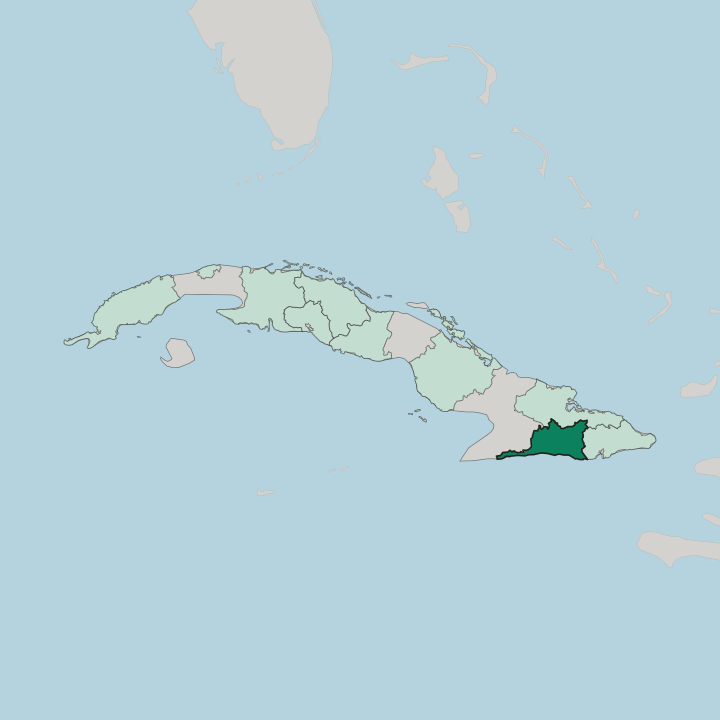
Santiago de Cuba lies at the eastern end of the island, in the grouping Cuban travel geography calls Eastern Cuba. The province dates from 1976. Its borders were set in that year rather than inherited from an older territory, which makes it one of the Cuban provinces whose extent can be given a precise starting point.
Santiago de Cuba is the name it carries. Province and namesake share the phrase completely, so a reference to Santiago de Cuba may mean the provincial unit or the settlement at its core, and Cuban usage relies on context to tell them apart. Eastern Cuba is the wider region the province sits inside, gathered with the other provinces at that end of Cuba.
The grouping is a travel one. It says nothing about relief or coastline, only that the province belongs to the far end of the island rather than to its middle, which is the first thing a route across Cuba has to account for. Spanish is spoken throughout the province.
Cuba lies inside the tropics, and Santiago de Cuba with it, so the province's year runs warm from one end to the other and no cold season interrupts it.
What is Provincia de Santiago de Cuba like?
Spanish is the language of the province. It carries the everyday life of Santiago de Cuba, from the provincial offices to the streets of the settlement the province is named after, and it is the language a visitor will hear at every turn. The province is young as an administrative unit.
Created in 1976, it has held its present shape for a shorter span than the settlement whose name it took, and the two are commonly spoken of as one. One name serves both. Eastern Cuba is where the province is placed in the island's regional shorthand, alongside the other provinces of that end.
That grouping is a travel convention, not a government tier. The convention still shapes itineraries. Within it, Santiago de Cuba stands out because the province and its namesake settlement share a single name, and a route through the eastern provinces reaches the pair together.
Spanish holds across the whole grouping. Nothing in the province's makeup separates it linguistically from the rest of Cuba, and what a traveller notices instead is a matter of place and distance, of being at one end of a long island rather than the other.
What is the history of Provincia de Santiago de Cuba?
The founding date is 1976. Santiago de Cuba became a province of Cuba in that year, so its history as an administrative territory is measurable from a single point rather than traced back through older forms. The name is older than the province.
It belonged first to the settlement the province was named after, and the provincial unit took it whole when the boundaries were drawn, which is why the two are so easily confused.
What is the climate of Provincia de Santiago de Cuba?
Warmth is constant here. Santiago de Cuba sits within the tropics along with the rest of Cuba, which rules out a cold season and leaves the year to be told apart by rainfall and by the weight of the heat. The eastern end shares the island's pattern.
Nothing about the province's placement inside Eastern Cuba sets its conditions apart from the provinces beside it, so what changes across the region is local ground rather than the band the whole province lies in.
How do you get to Provincia de Santiago de Cuba?
Arrival means the eastern end of Cuba. Santiago de Cuba is the point every approach to the province converges on, since the settlement that shares the province's name is the reference point for the province as a whole. Distance is the main obstacle.
The province lies at the island's eastern end, so any approach from elsewhere in Cuba covers most of the country's length, and Eastern Cuba is normally treated as a leg of its own rather than as a side trip.
Common questions
What is the best area to stay in Provincia de Santiago de Cuba?
Santiago de Cuba: the one base the province is organised around.
Good for
More regions in Cuba
Updated September 2026