Curaçao
Where to Stay in Willemstad, Curaçao
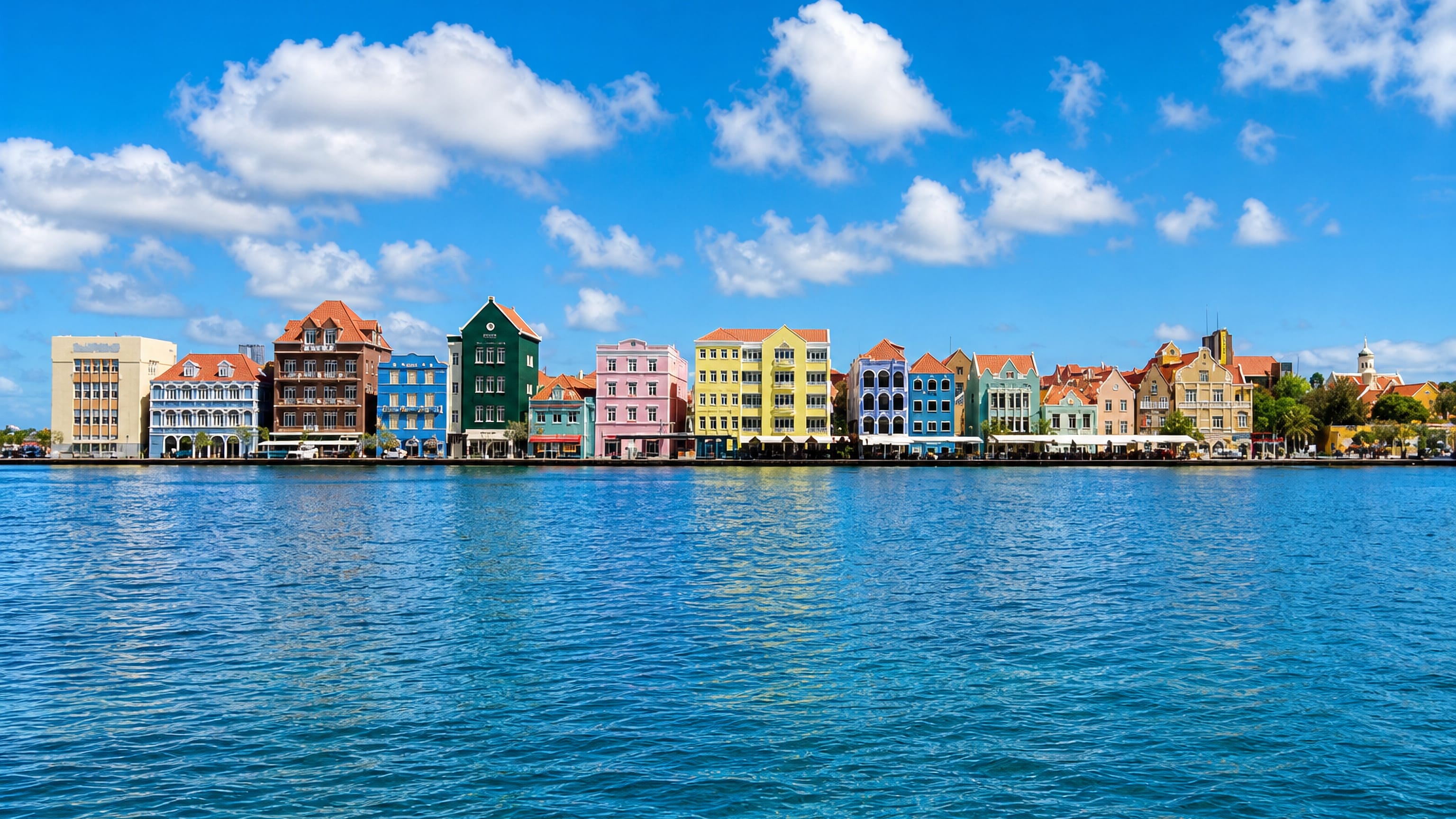
Willemstad, capital of Curaçao, splits across Sint Anna Bay into Punda and Otrobanda, with a UNESCO-listed centre on both sides.
Hotel links are affiliate links: booking through them may earn us a commission, at no extra cost to you. It never affects how places are ranked. How this works


Where to stay in Willemstad
Where the beds are, and what that means for the visit.
Four quarters make the decision. Punda and Otrobanda sit on opposite sides of Sint Anna Bay, so a room in either puts the UNESCO-listed centre, the waterfront and the crossing between them within a few minutes on foot. Cruise days change the mood of the centre.
Willemstad takes ship passengers who stay a day or two at most, and the streets nearest the harbour entry carry that traffic while the quarters behind it keep their own pace. Scharloo and Pietermaai Smal face each other across the Waaigat, the smaller of the two harbours, and both sit far enough from the crossing to stay quiet when the ships are in. Museums pull in another direction.
The Kura Hulanda Museum, the Curaçao Museum and the Octagon Museum spread the city's collections beyond the two central quarters, so a stay chosen for them may sit away from the water. The bay is always the reference. Whichever quarter a visitor picks, Sint Anna Bay and the Schottegat behind it set the distances, and crossing the water is the one move that shapes a day in Willemstad.
Find hotels in Willemstad
Direct booking searches for these neighbourhoods.
Punda
Punda holds one half of the listed centre, and the crossing over Sint Anna Bay to Otrobanda begins at its waterfront.Find hotels in PundaLooking back at the listed waterfront from across Sint Anna BayOtrobanda
Otrobanda faces Punda over Sint Anna Bay, which puts the harbour entry in view rather than underfoot.Find hotels in OtrobandaNights on the Waaigat rather than the cruise frontageScharloo
Scharloo sits on the Waaigat instead of the main harbour entry, far enough from the crossing to miss the ship-day traffic. Lodging is scarce in this area; reserve in advance.Find hotels in ScharlooA base facing Scharloo with the centre still on footPietermaai Smal
Pietermaai Smal faces Scharloo across the Waaigat, a quarter of the historic centre set back from the harbour entry.Find hotels in Pietermaai SmalHotel links are affiliate links: booking through them may earn us a commission, at no extra cost to you. It never affects how places are ranked. How this works
Things to do in Willemstad
Ranked by global recognition; descriptions from Wikidata (CC0).
Museums & Galleries
3- Kura Hulanda Museum
- Curaçao Museum
- Octagon Museum
Churches & Religious Sites
3- Fortkerk UNESCO
- Queen of the Most Holy Rosary Cathedral, Willemstad
- Tempel Emanu-el
Castles & Historic Sites
3- Desenkadená
- Freedom Monument
- monument in memory of the bridge disaster
Stadiums & Sports
1- Stadion dr. Antoine Maduro
worth knowingacross 4 categories in Willemstad
About Willemstad
The harbour entry is the image.
What is Willemstad known for?
Punda and Otrobanda face each other across Sint Anna Bay, the inlet that leads into the Schottegat, and the historic centre they form together carries UNESCO World Heritage Site status. One building goes further back. The Curaçao synagogue is the oldest surviving synagogue in the Americas, and Tempel Emanu-el and the Jewish Cultural Historical Museum extend that thread through the city.
What are the main landmarks in Willemstad?
The register splits three ways. The Queen of the Most Holy Rosary Cathedral, Fortkerk and Tempel Emanu-el carry the religious buildings, while the Kura Hulanda Museum, the Curaçao Museum, the Octagon Museum and the Jewish Cultural Historical Museum carry the collections. Monuments do the remembering.
The Freedom Monument, the Autonomy Monument, Desenkadená and the monument in memory of the bridge disaster stand across the city, and the stadium named for Antoine Maduro holds the sport.
What is the history of Willemstad?
Willemstad dates from 1634. The Dutch founded the town at the entry to Sint Anna Bay, where the inlet opens into the Schottegat, and the natural harbour behind it explains why a settlement of that date grew into the capital of Curaçao. Commerce grew around that inlet.
Punda and Otrobanda grew on opposite banks, Scharloo and Pietermaai Smal on the Waaigat, and the four quarters together make the historic centre now inscribed on the UNESCO World Heritage List. The Jewish community left one of the deepest marks on the record. The Curaçao synagogue survives as the oldest in the Americas, and Tempel Emanu-el and the Jewish Cultural Historical Museum keep that history in view alongside Fortkerk and the Queen of the Most Holy Rosary Cathedral.
Politics rearranged the map twice. Willemstad served as the capital of the Netherlands Antilles until that entity was dissolved in 2010, after which Curaçao continued as a constituent country of the Kingdom of the Netherlands with the city as its capital. The Autonomy Monument and the Freedom Monument belong to that political thread.
The Kura Hulanda Museum and the Curaçao Museum carry the rest of the story indoors.
Where is Willemstad?
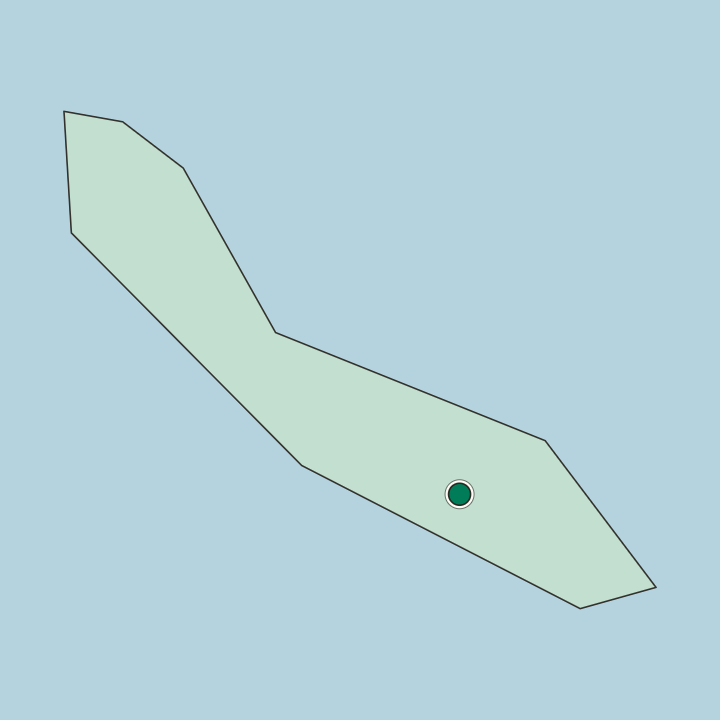
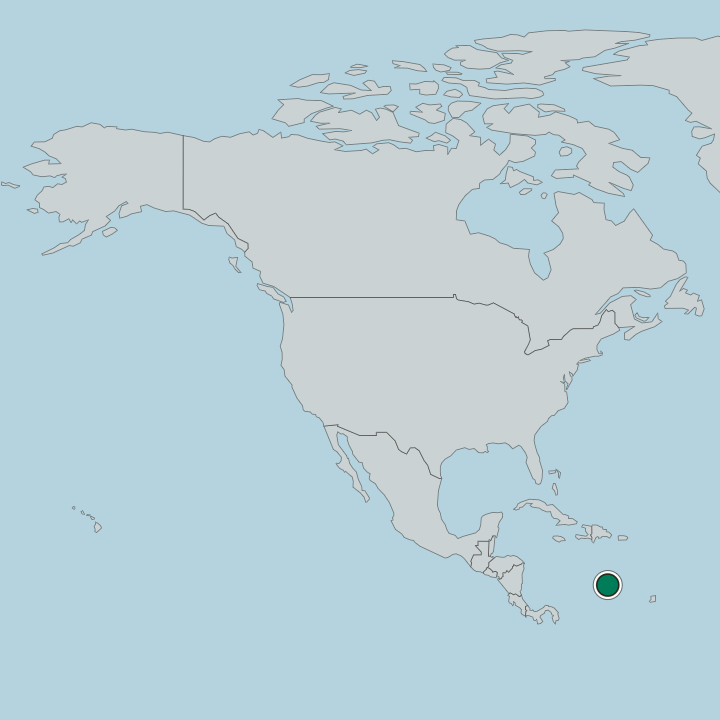
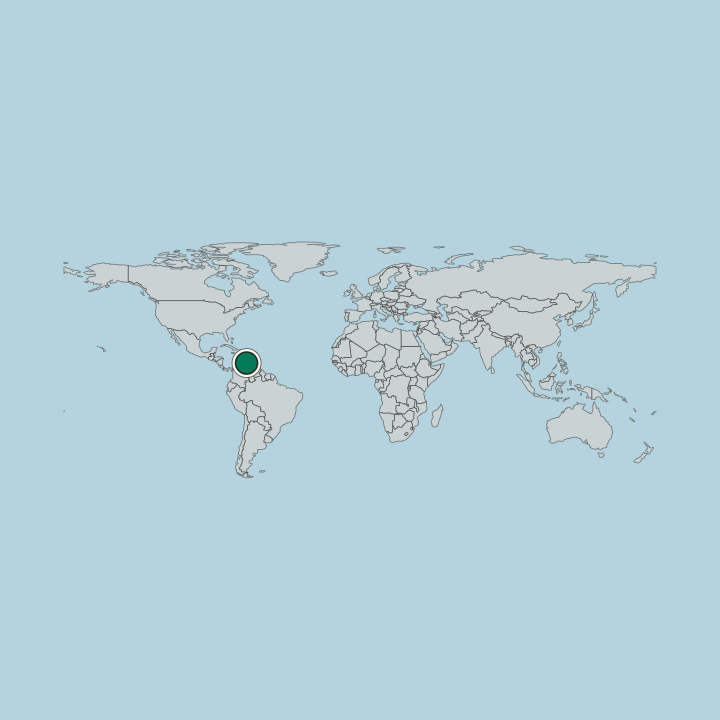
Water divides the city. Sint Anna Bay cuts between Punda and Otrobanda and opens into the Schottegat, the large natural harbour behind the town, while the smaller Waaigat separates Scharloo from Pietermaai Smal. Curaçao sits in the Caribbean Sea.
The island is a constituent country of the Kingdom of the Netherlands, and Willemstad, its capital, spreads back from the harbour entry over the ground between the two inlets.
What is the climate of Willemstad?
The Caribbean Sea does the work. Willemstad sits on the water in the tropics, so the sea keeps the daily range tight and the difference between one month and the next is small enough that a visit rarely turns on the calendar. Shade and breeze come from the bay.
The open frontage along Sint Anna Bay catches the air off the Schottegat, while the streets set back in Punda and Otrobanda hold the heat longer through the afternoon.
How do you get to Willemstad?
Most visitors arrive by ship. Willemstad draws cruise passengers who spend a day or two at most, and the harbour entry between Punda and Otrobanda is where the compact part of the city begins. Crossing the bay is the only real move.
Sint Anna Bay separates the two central quarters, and Scharloo and Pietermaai Smal lie beyond the Waaigat, so a day in Willemstad is a matter of short crossings rather than of distance.
Common questions
What is the best area to stay in Willemstad?
Punda: Walking straight into the listed frontage on Sint Anna Bay. Otrobanda: Looking back at the listed waterfront from across Sint Anna Bay. Scharloo: Nights on the Waaigat rather than the cruise frontage. Pietermaai Smal: A base facing Scharloo with the centre still on foot.
Good for
Updated October 2026