Germany · Baden-Württemberg · Tübingen
Lustnau, Tübingen — Area Guide & Where to Stay
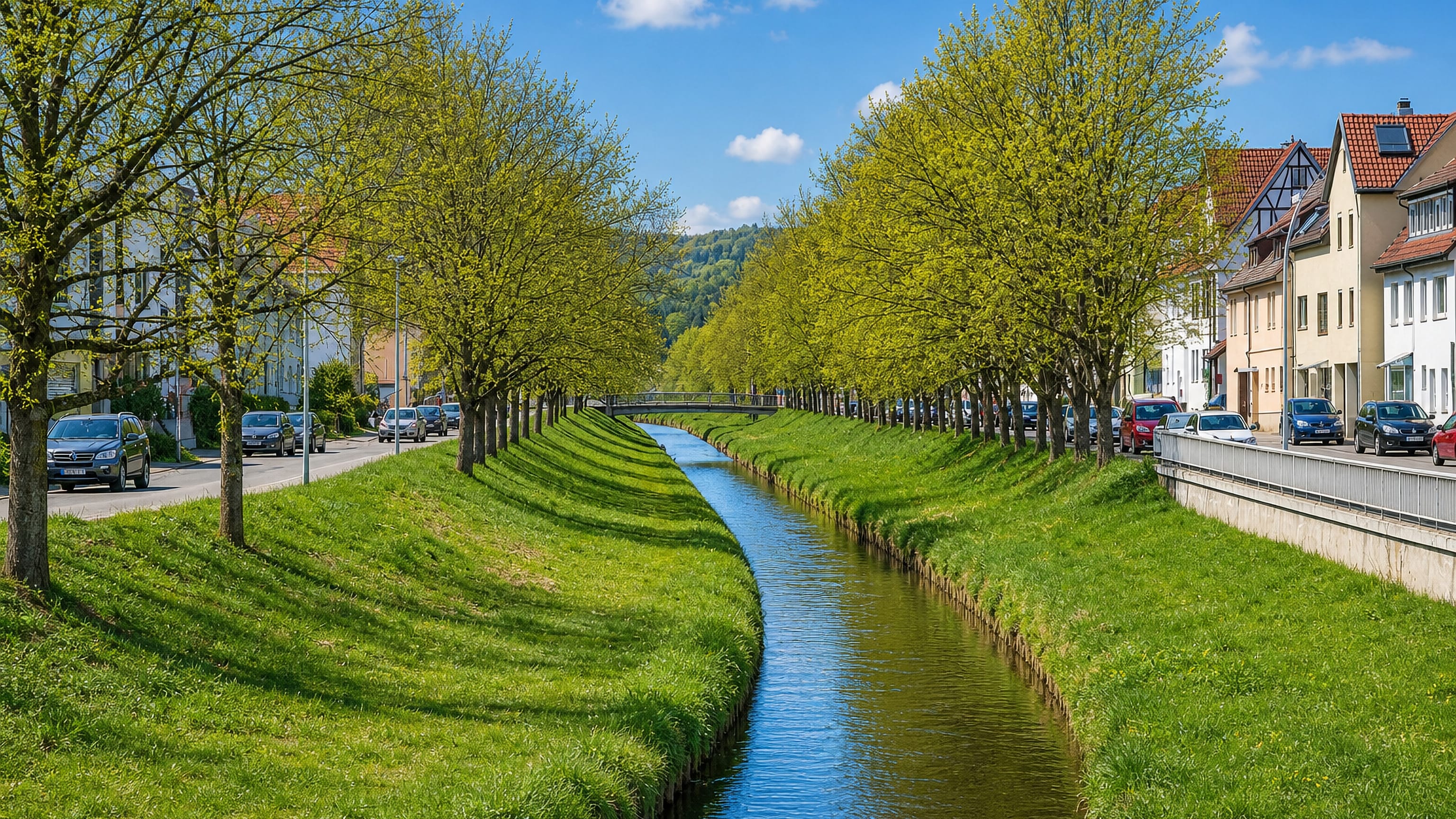
Lustnau ran as its own municipality until 1934, when Tübingen absorbed it. Lustnau Monastery remains.
Hotel links are affiliate links: booking through them may earn us a commission, at no extra cost to you. It never affects how places are ranked. How this works


Where to stay in Lustnau
Where the beds are, and what that means for the visit.
Beds in Lustnau are scarce; Tübingen keeps its hotels closer to the middle. What Lustnau offers instead is a quiet base near the Martinskirche and the Evangelische Kirche Lustnau, with the Mineralogische Schau- und Lehrsammlung and the Bocciabahn Tübingen reachable on the way into the city. Book in Tübingen.
The walk back out is short.
Few places to stay in Lustnau — most visitors book in Tübingen nearby.
Things to do in and around Tübingen
Ranked by global recognition; descriptions from Wikidata (CC0).
Museums & Galleries
1- Mineralogische Schau- und Lehrsammlung
Churches & Religious Sites
3- Evangelische Kirche Lustnau Heritage
- Lustnau Monastery Heritage
- St. Petrus
Stadiums & Sports
1- Bocciabahn Tübingen
worth knowingacross 3 categories in and around Tübingen
About Lustnau
What are the main landmarks in Lustnau?
Six entries carry Lustnau's name in the record. Three of them are churches, the Evangelische Kirche Lustnau, the Martinskirche and St. Petrus. Lustnau Monastery is a fourth, and the last two are secular: the Mineralogische Schau- und Lehrsammlung, a teaching collection of minerals, and the Bocciabahn Tübingen.
Short, but varied.
What is the history of Lustnau?
Lustnau governed itself until 1934. It had been an independent municipality, and the merger left it one named subdivision of Tübingen, an arrangement that has held in Baden-Württemberg ever since. Before 1934 the file offers no start date.
What stands instead of a date is a set of buildings: Lustnau Monastery, the Martinskirche, the Evangelische Kirche Lustnau and St. Petrus.
Where is Lustnau?
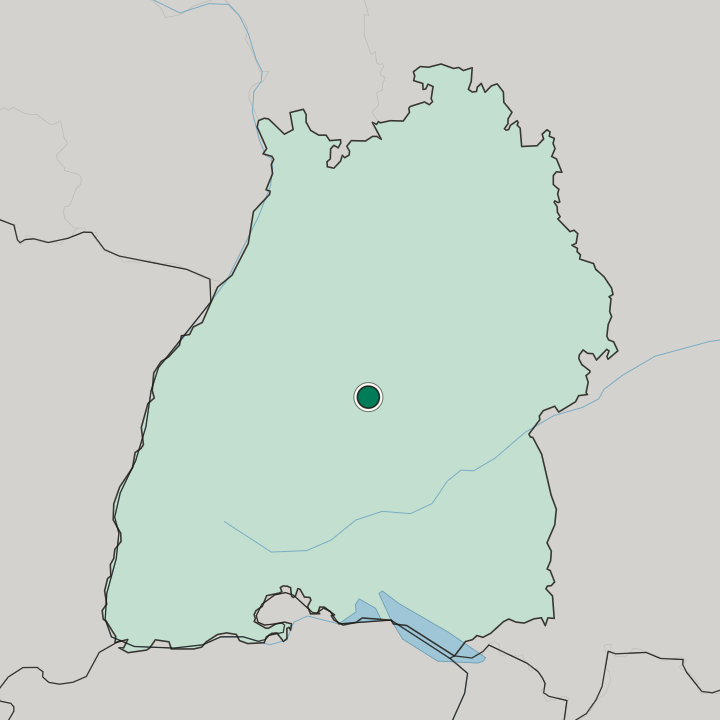
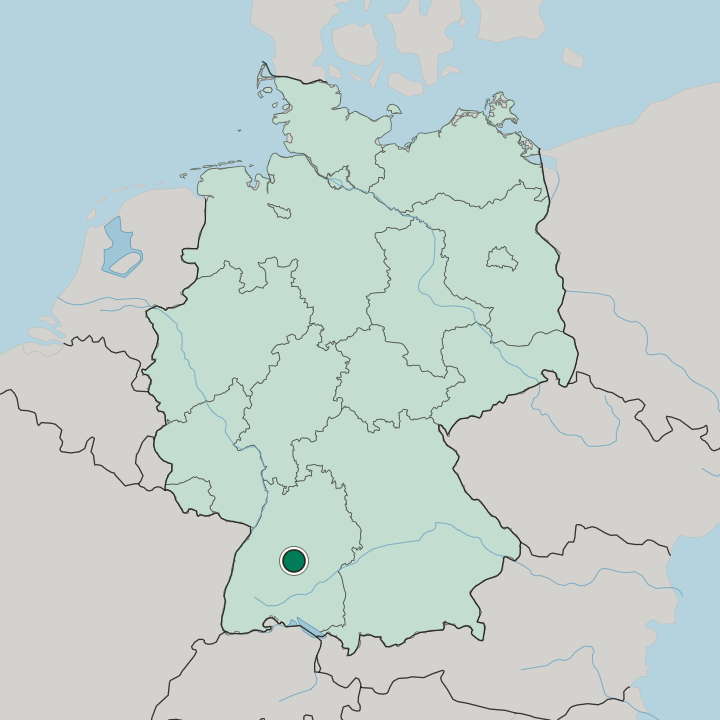
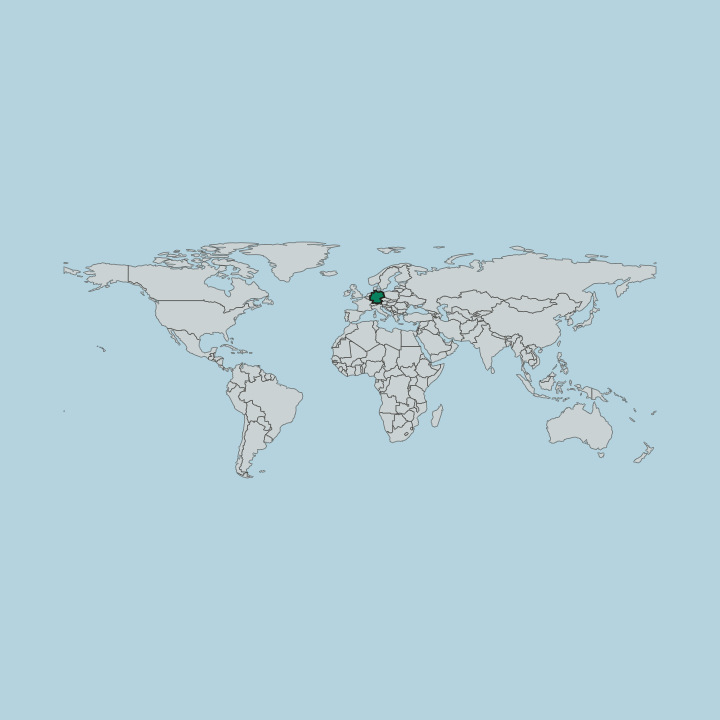
Lustnau takes up 14.32 square kilometres of Tübingen, a subdivision of the city in Baden-Württemberg, Germany. Four kindergartens serve it.
Common questions
What is the best area to stay in Lustnau?
Lustnau: Quiet nights by the Martinskirche with Tübingen's hotel streets a short ride off.
Good for
Updated October 2026