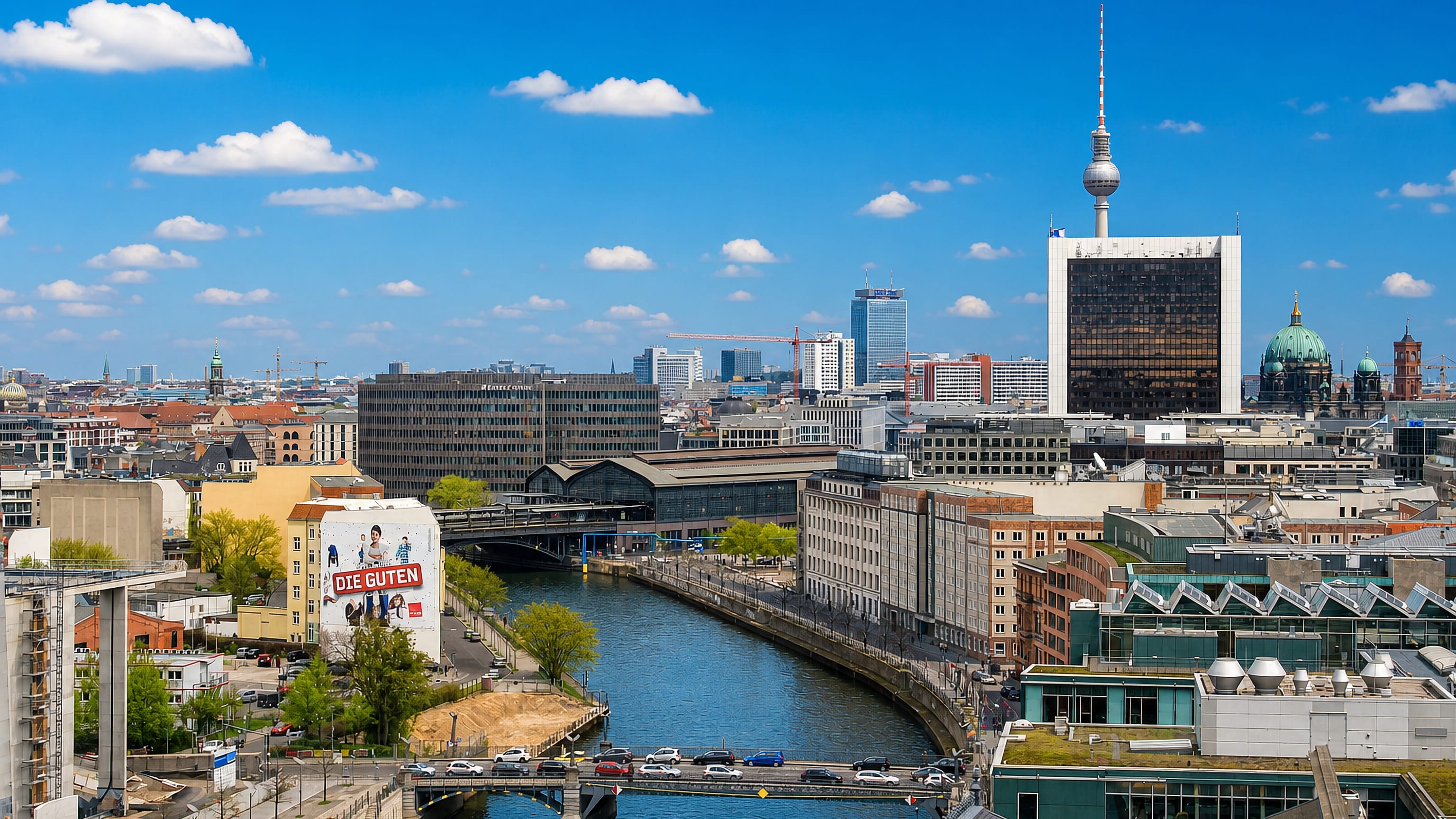
Germany: Regions, Cities & Travel Guide
Germany is a country reaching from the Baltic Sea and North Sea coasts to the Alps, organised as a federation of 16 states.
Hotel links are affiliate links: booking through them may earn us a commission, at no extra cost to you. It never affects how places are ranked. How this works


Top destinations in Germany
Cities to start from, then drill into areas and hotels.
 Germany
Berlin
Berlin is the capital of Germany, a city-state where grand museums and monuments gather around the Brandenburg Gate and Museum Island.Where to stay →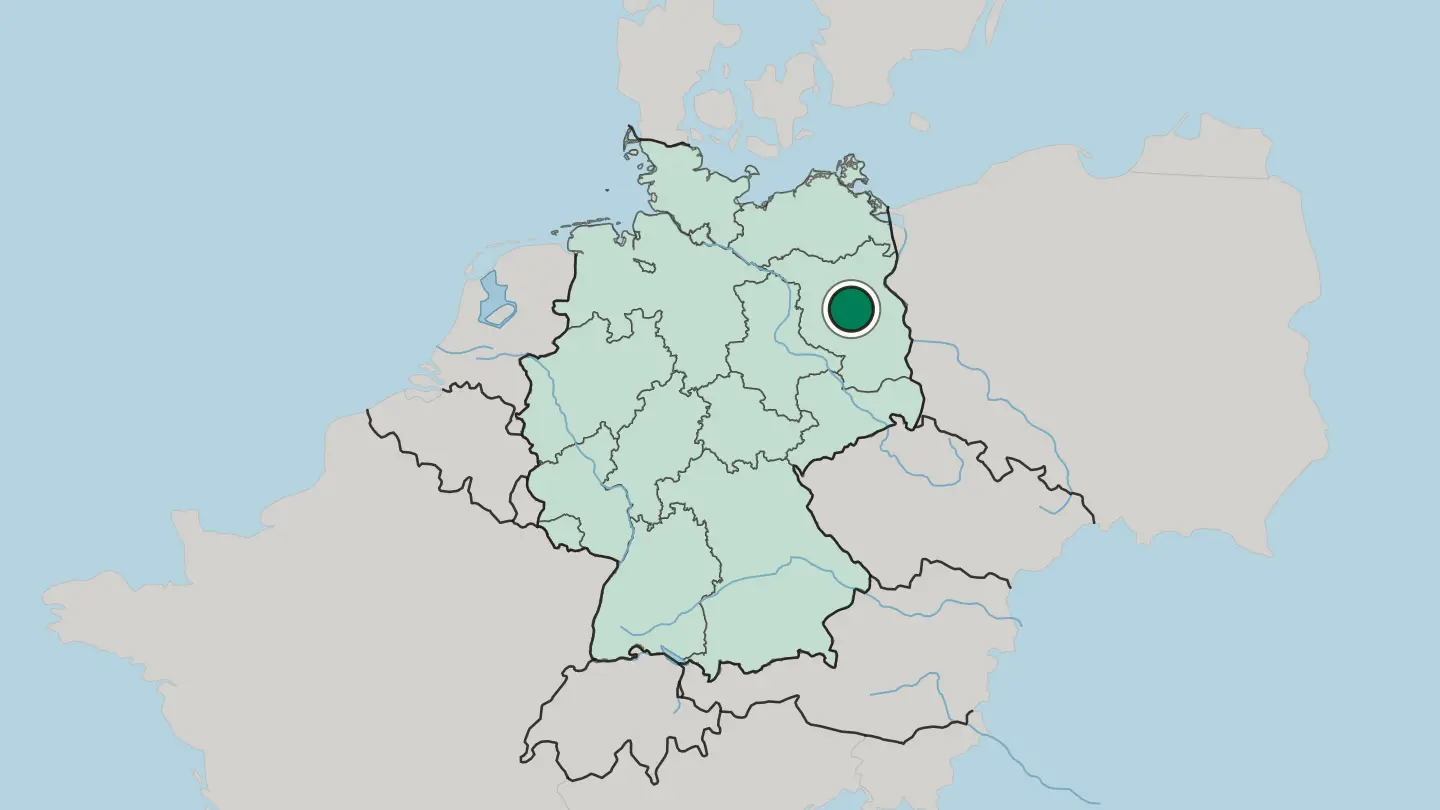
 Germany
Munich
The Isar cuts through Munich, the capital of Bavaria, a city north of the Alps founded in 1158 and known for the Alte Pinakothek.Where to stay →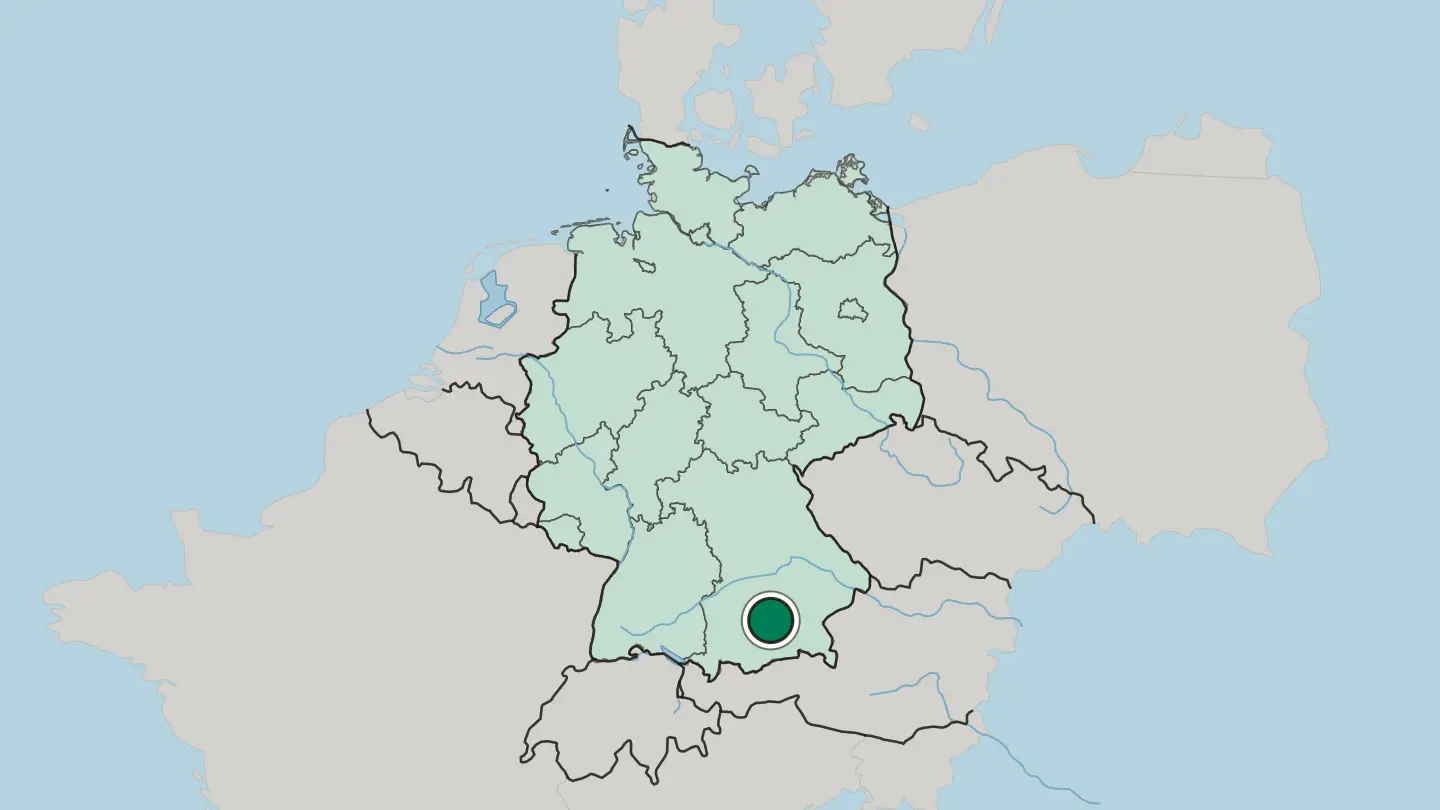
 Germany
Hamburg
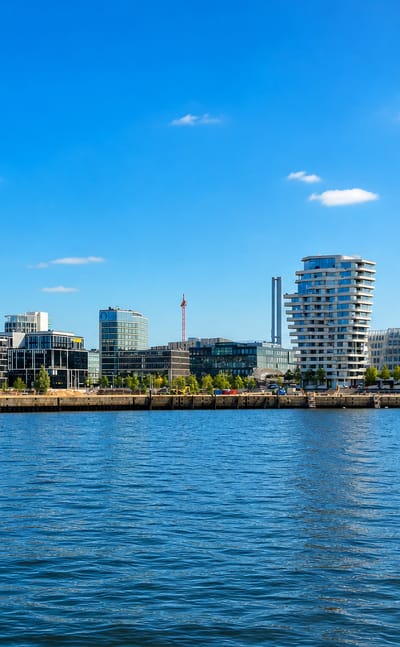
Hamburg spreads along the River Elbe around the Alster lakes and Germany's largest port, a Hanseatic city-state near the North Sea.Where to stay →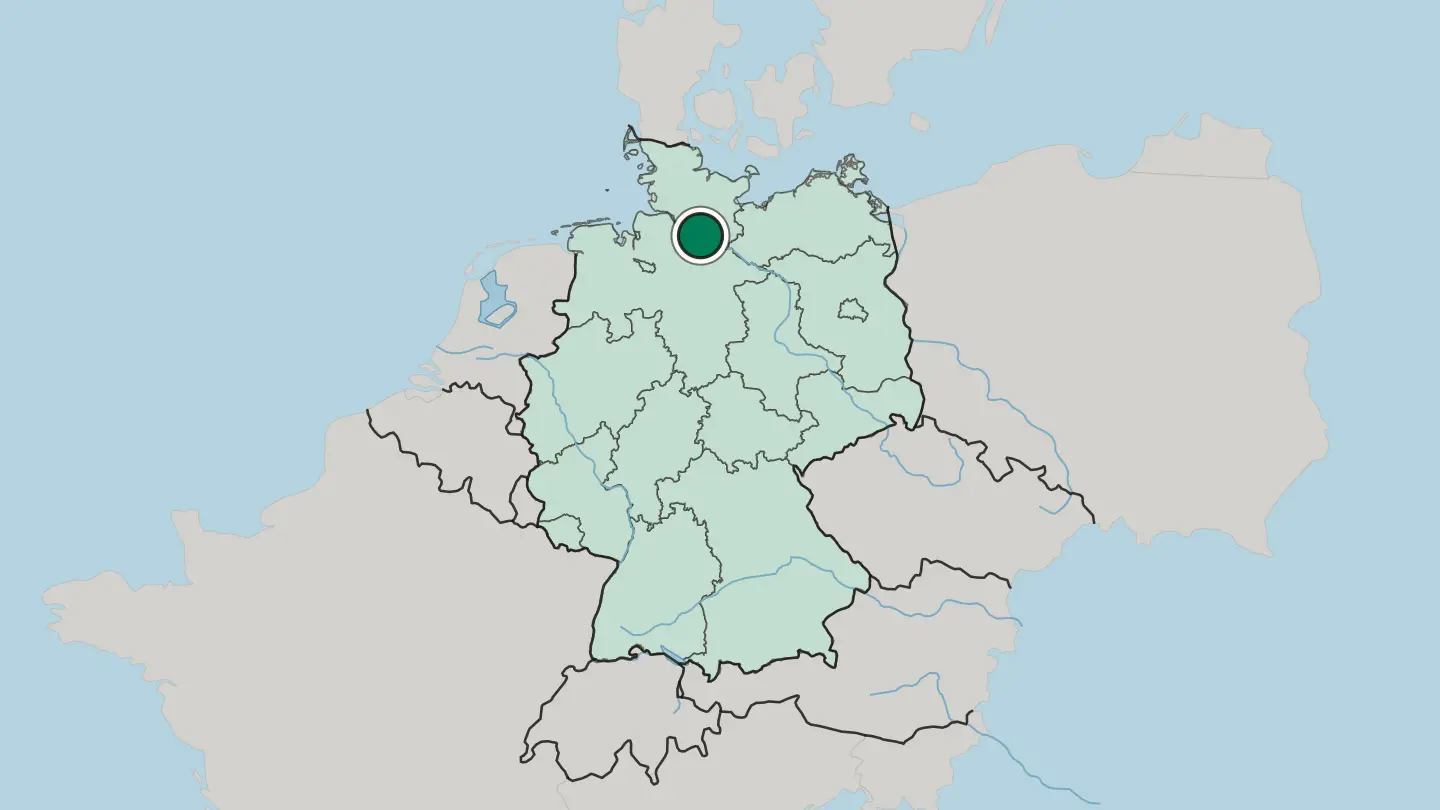
 Germany
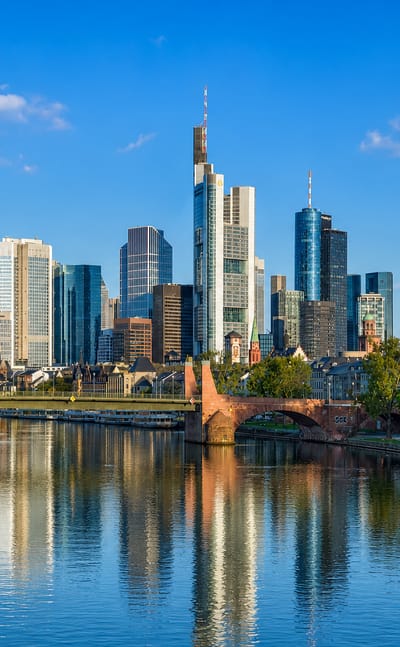
Frankfurt am Main
Frankfurt am Main stands on the river Main in Hessen, its old town rising around Frankfurt Cathedral above a riverbank of museums.Where to stay →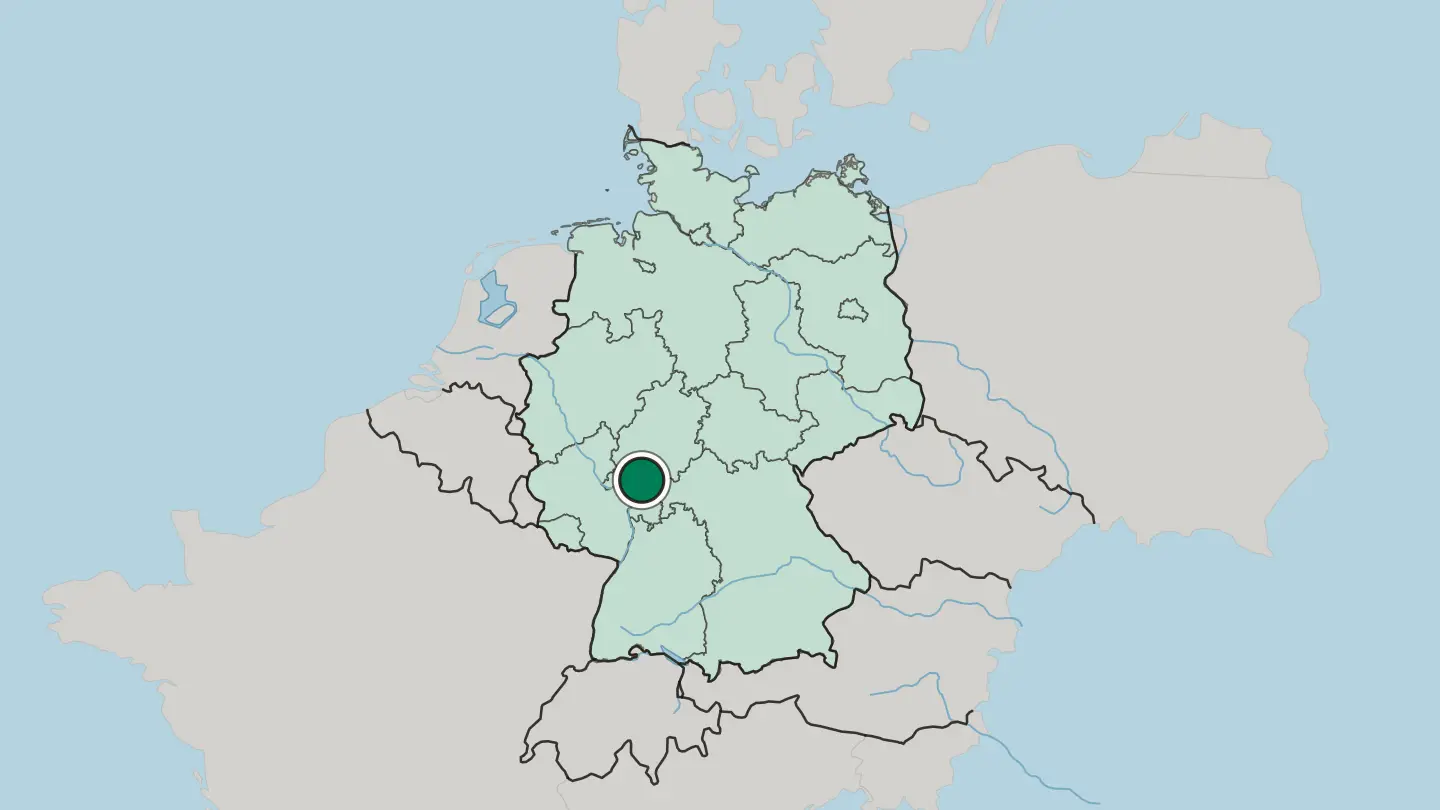
 Germany
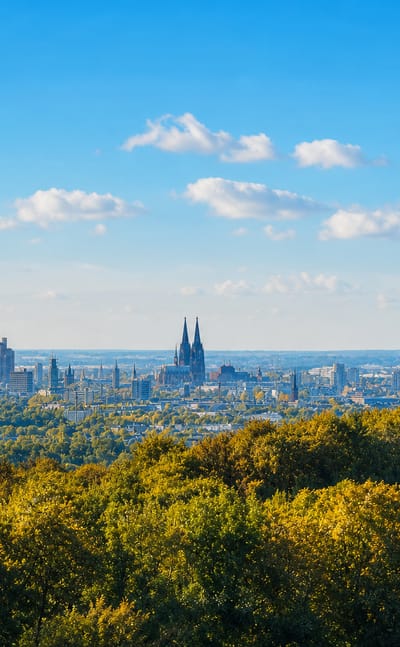
Köln
Köln stands on the left bank of the Rhine beneath the spires of Cologne Cathedral, the largest city of Nordrhein-Westfalen.Where to stay →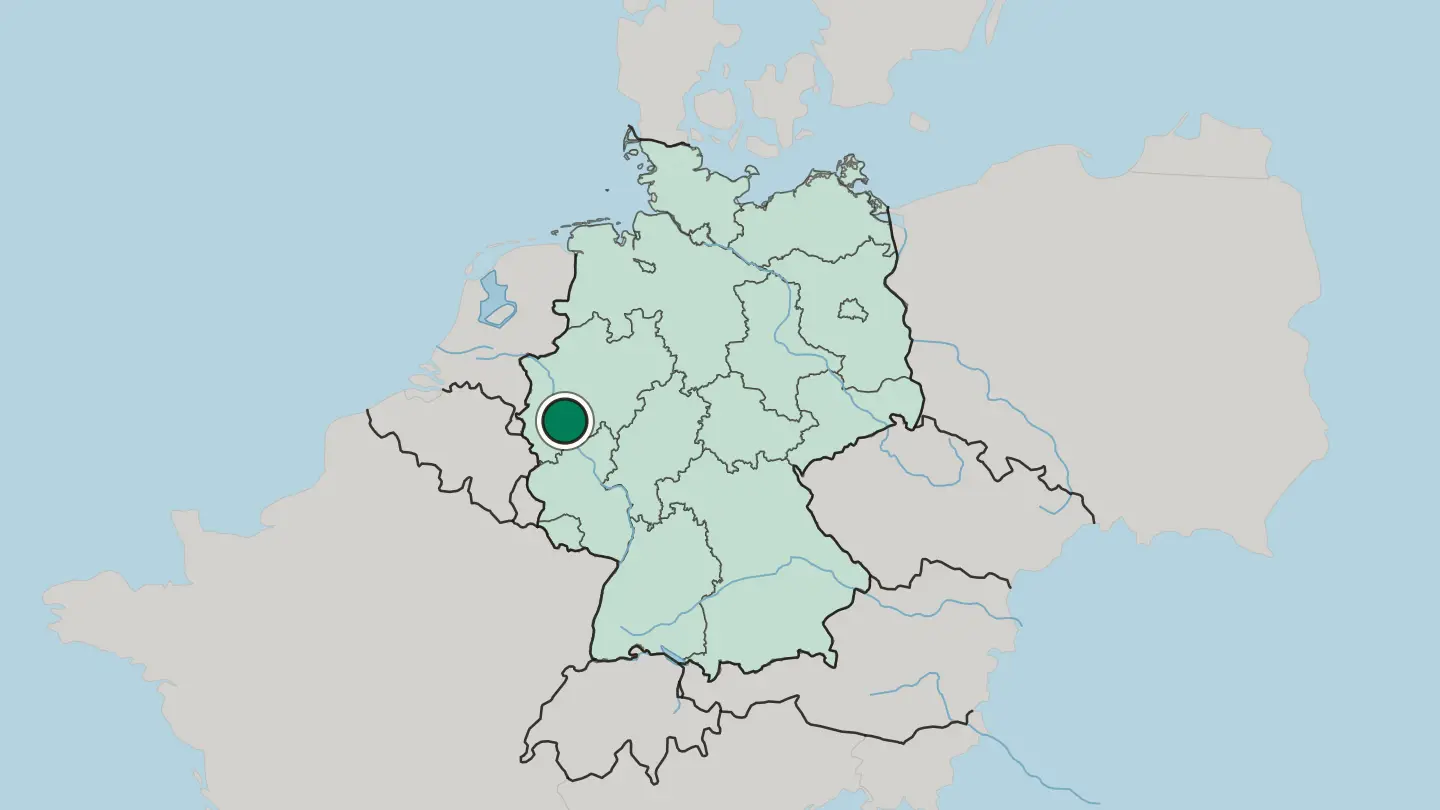
 Germany
Dresden
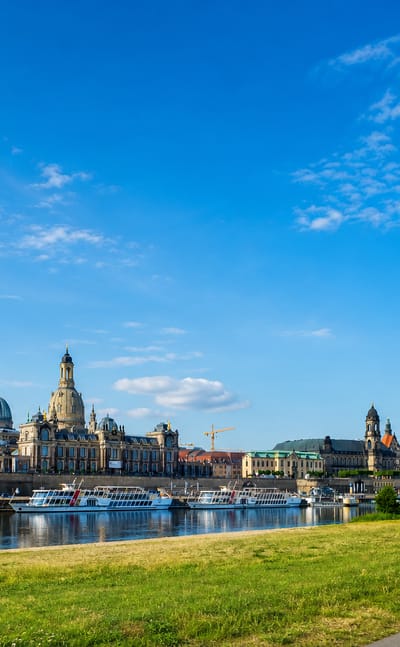
Dresden is the Baroque capital of Saxony, a river city known for the Church of Our Lady, the Green Vault, and the galleries of its old court.Where to stay →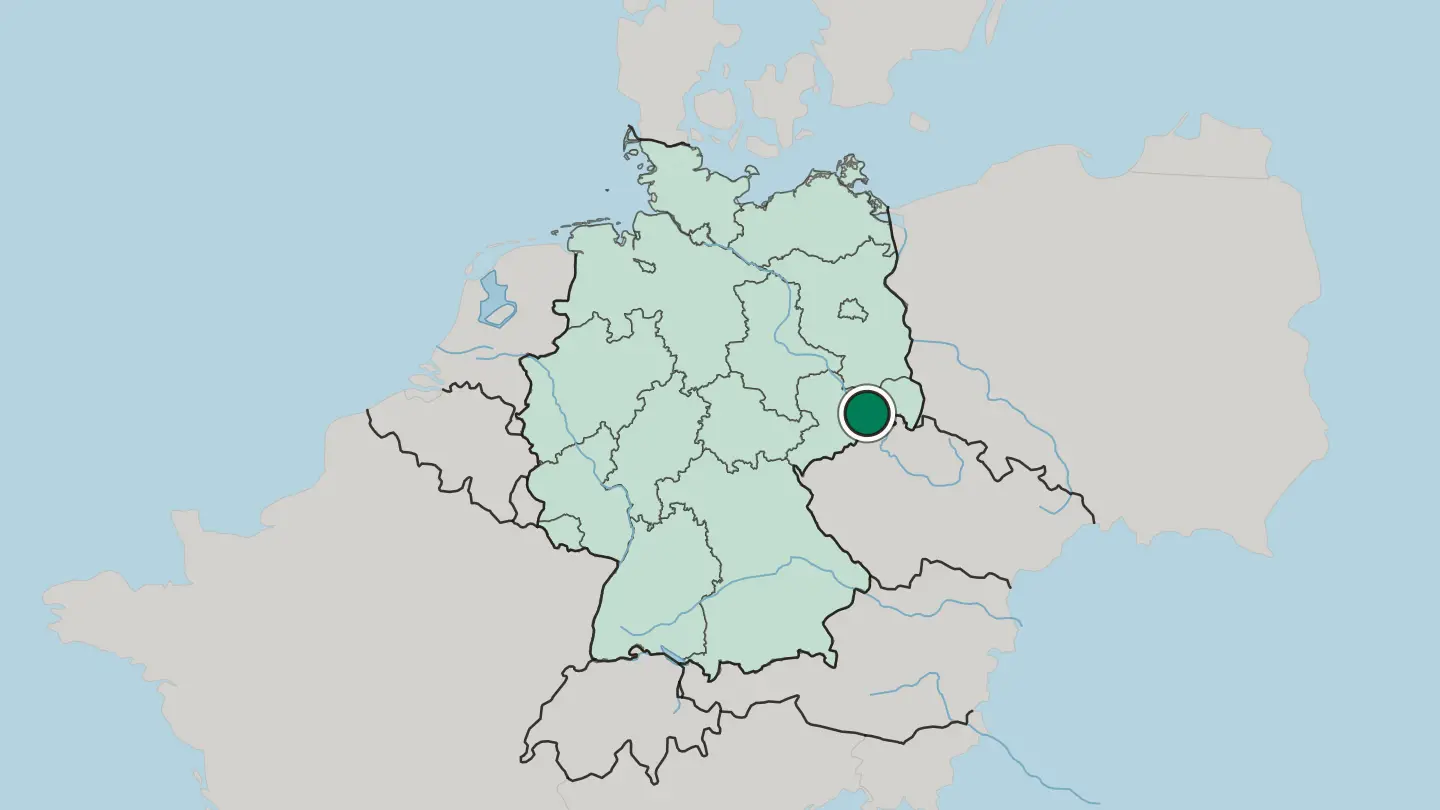
 Germany
Nuremberg
Walls and towers still ring the old town of Nuremberg, the largest city in Franconia, on the Pegnitz in Bavaria and known for Nuremberg Castle.Where to stay →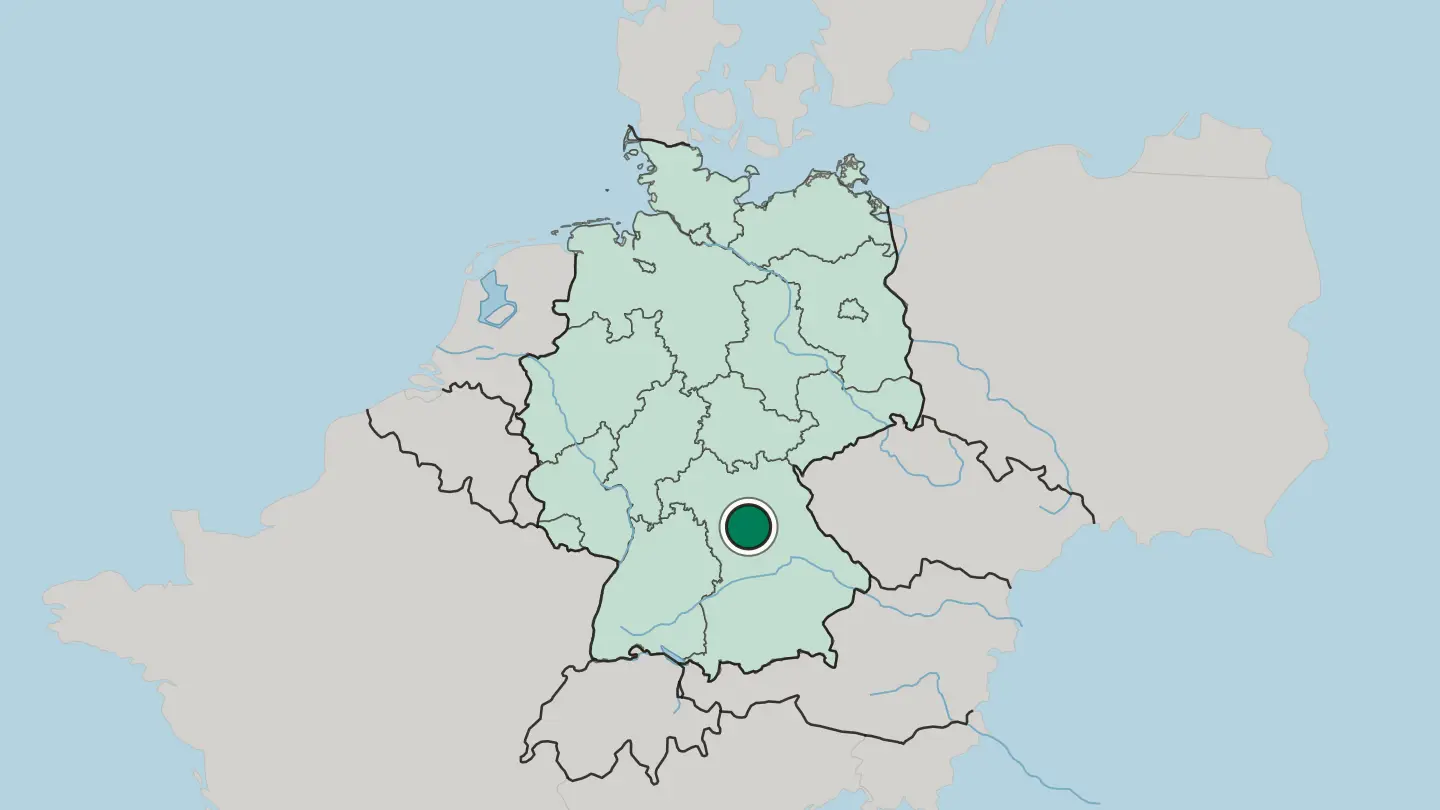
 Germany
Leipzig
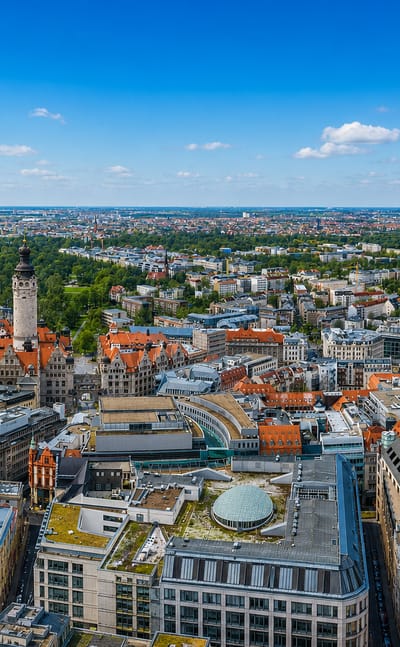
Organ music still fills St. Thomas Church at Leipzig, the largest city in Saxony, where Bach worked and a river confluence threads the old trade-fair town.Where to stay →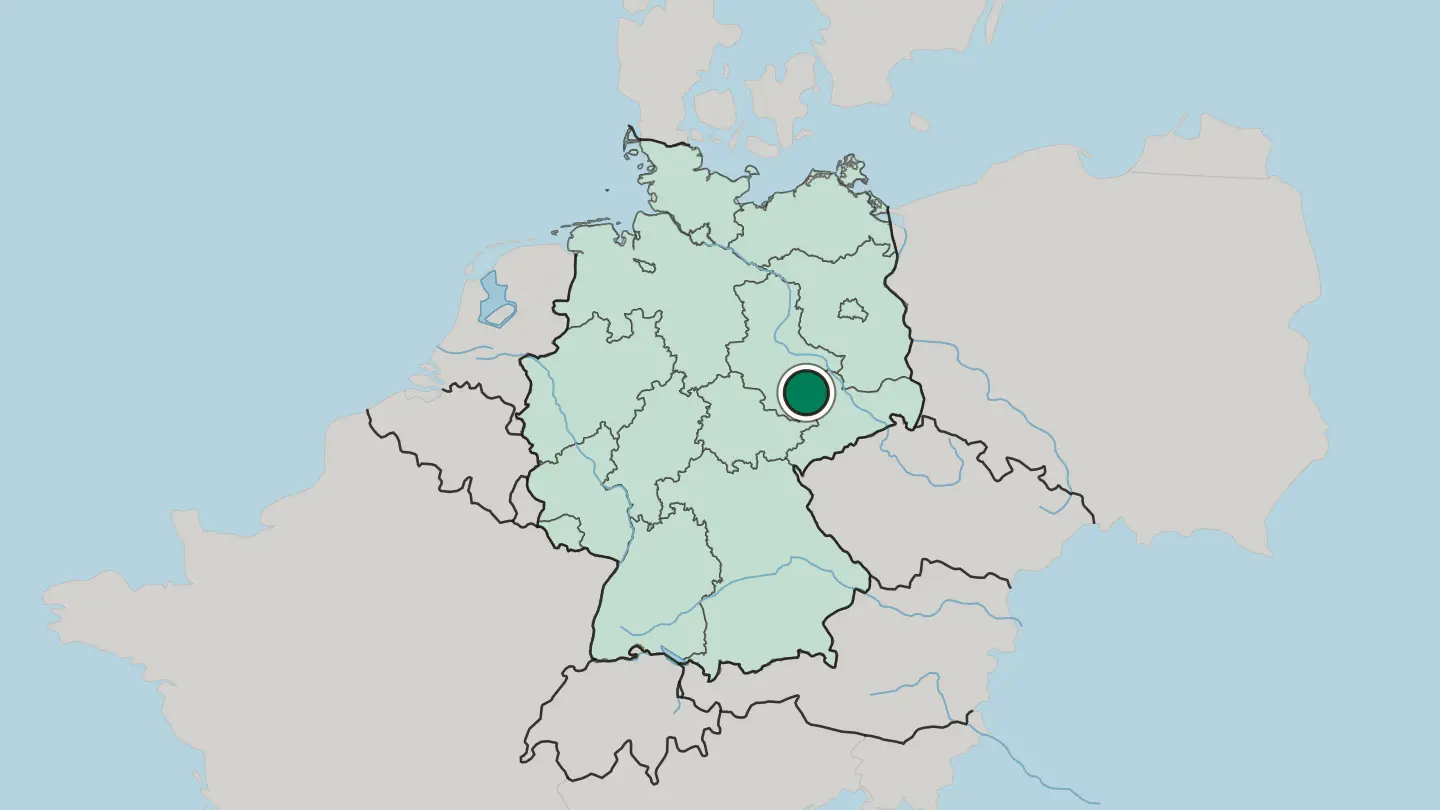
 Germany
Stuttgart
Vineyards climb the slopes above Stuttgart, capital of Baden-Württemberg in the valley of the Neckar, known for the Fernsehturm and its car works.Where to stay →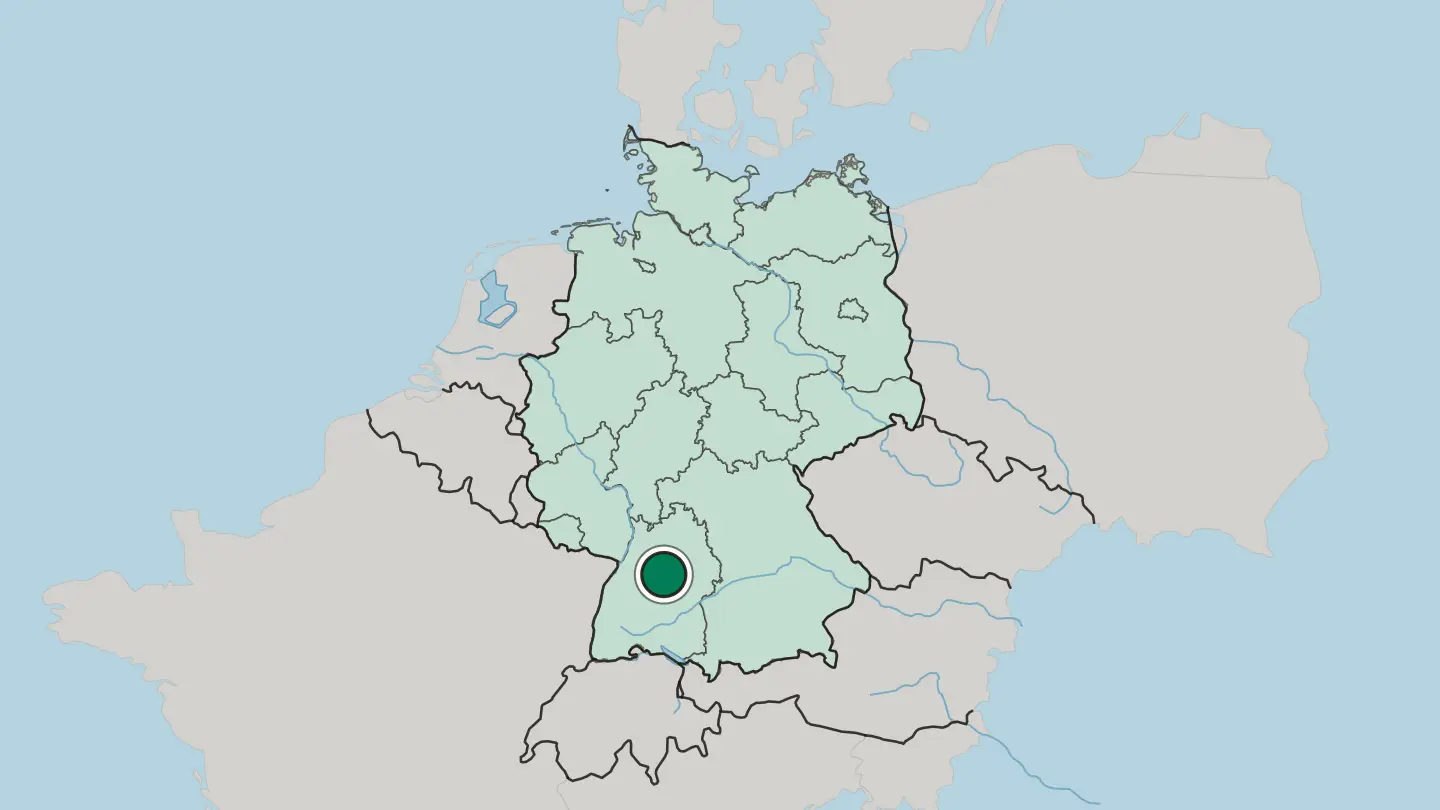
Hotel links are affiliate links: booking through them may earn us a commission, at no extra cost to you. It never affects how places are ranked. How this works
Regions of Germany
Germany
Baden-Württemberg
Baden-Württemberg fills Germany's south-west corner, home to the Black Forest, the Neckar, and carmaking Stuttgart.Towns & cities →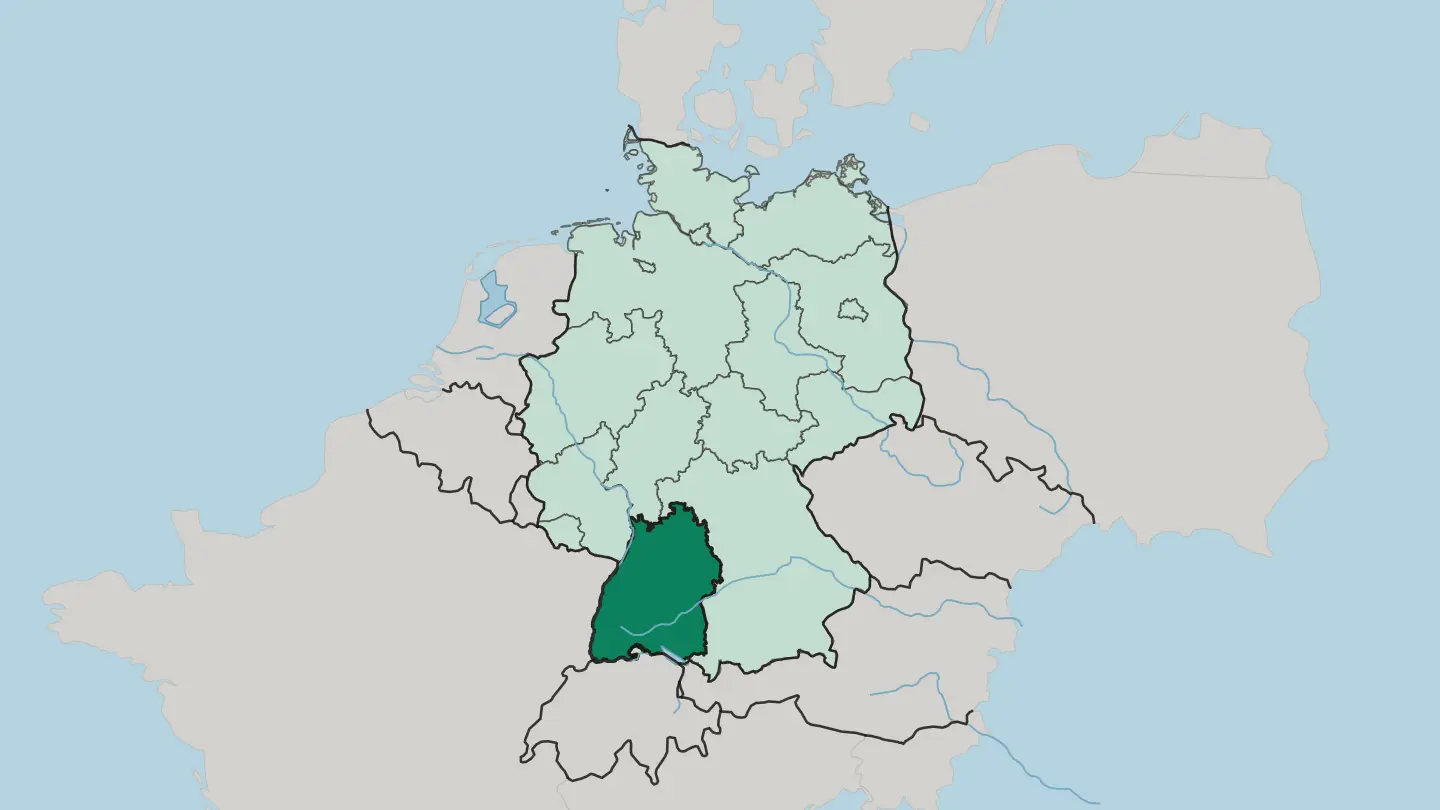 Germany
Bavaria
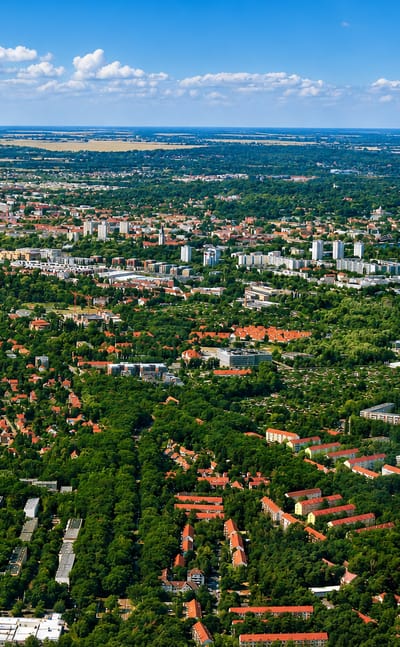
Bavaria is Germany's largest state by area, spread across the country's south-east from the Danube to the Alps and the Munich plateau.Towns & cities →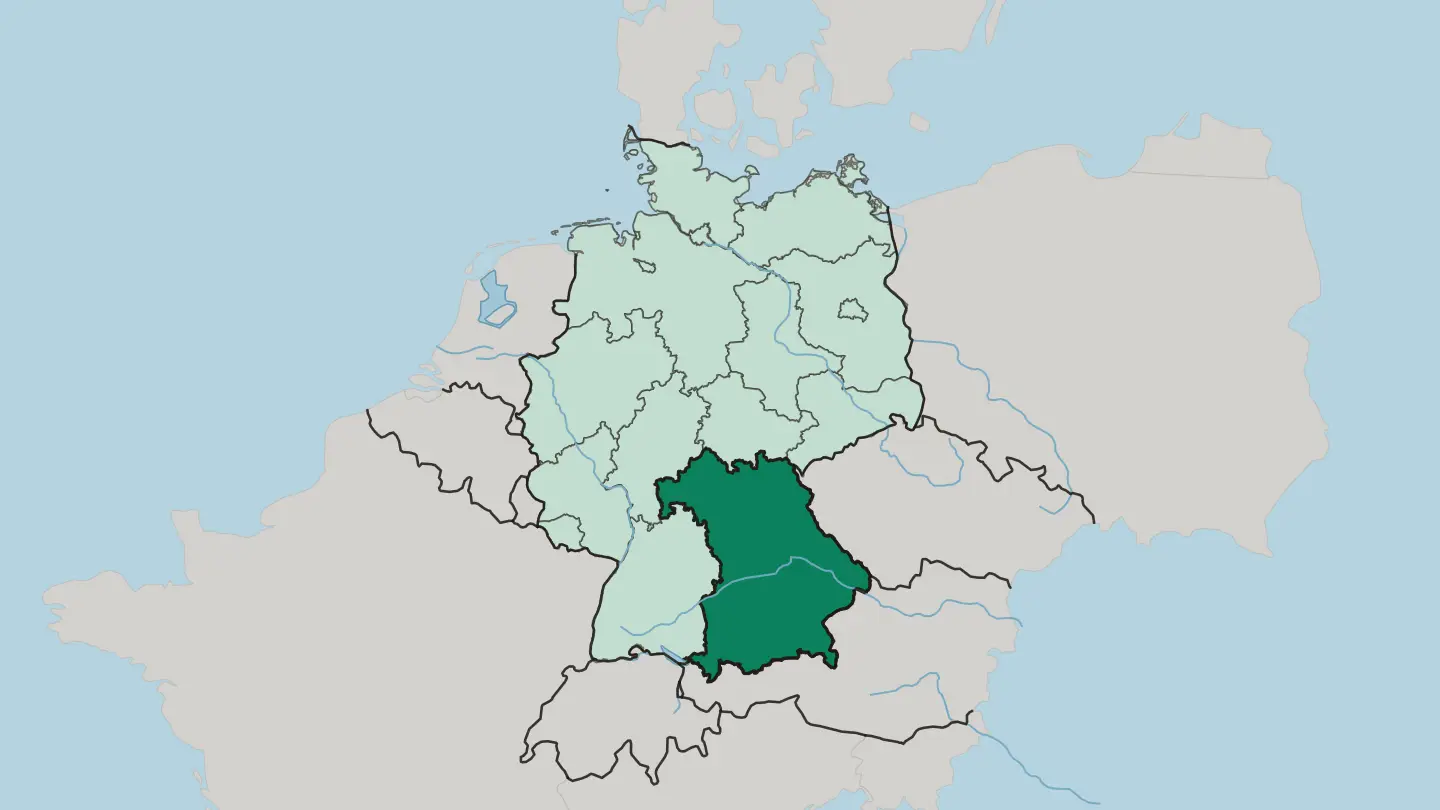
 Germany
Brandenburg
Brandenburg is the landlocked German state that wraps entirely around Berlin, a lake-strewn plain of forest, canals and Prussian palaces.Towns & cities →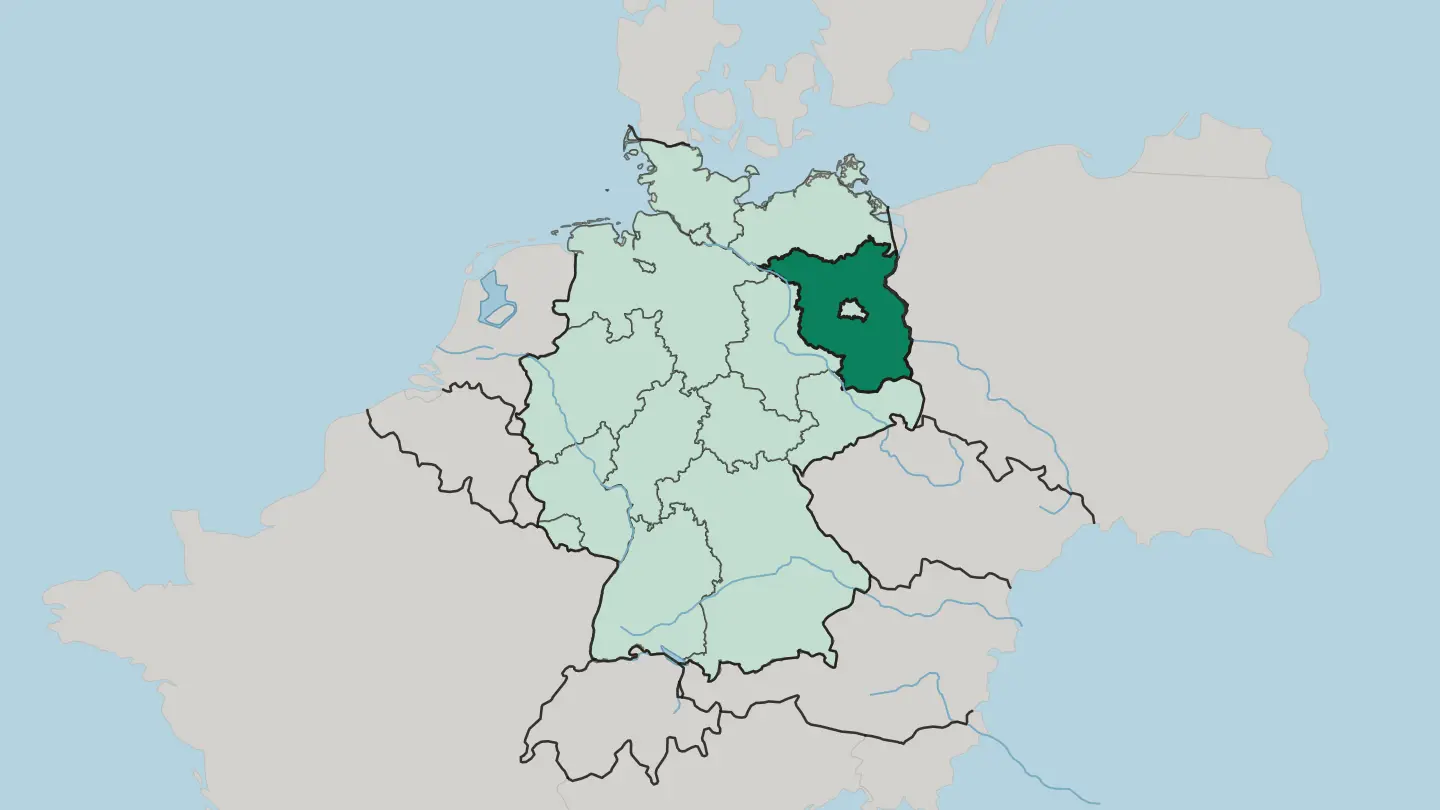
 Germany
Bremen
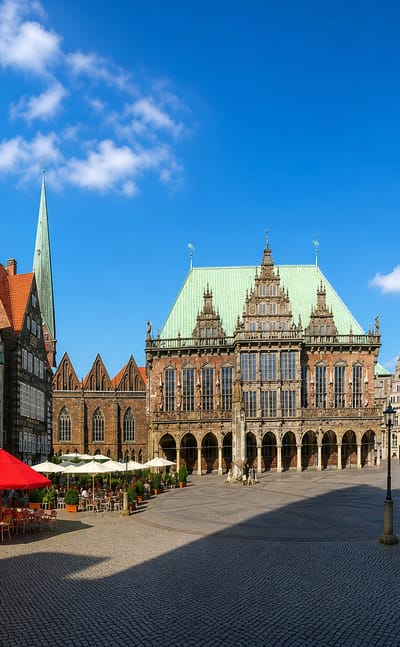
Bremen is Germany's smallest state, a two-city republic on the River Weser in the north.Towns & cities →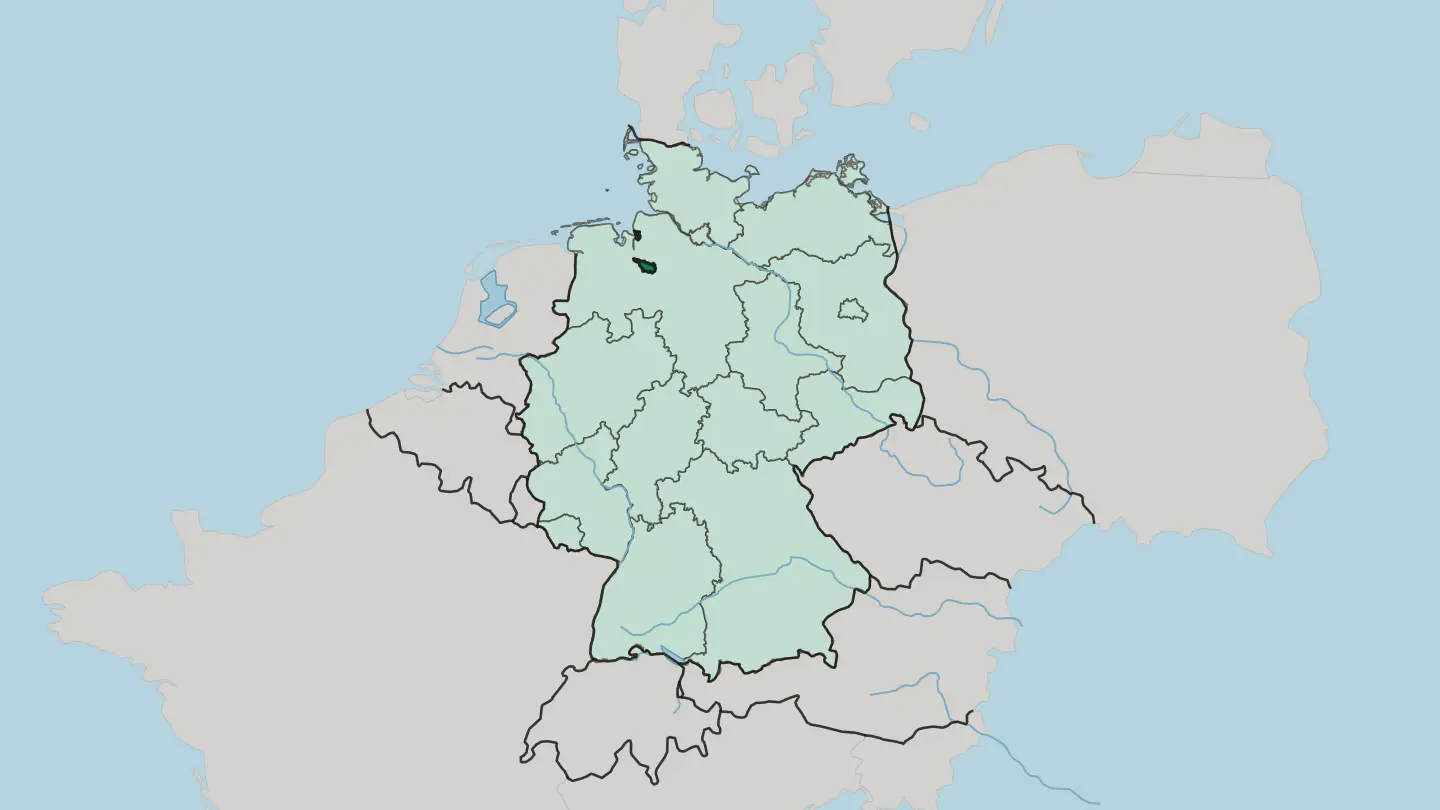 Germany
Free and Hanseatic City of Hamburg
Hamburg is a German city-state on the River Elbe, a Hanseatic port set where the Alster and Bille meet the river above the North Sea.Towns & cities →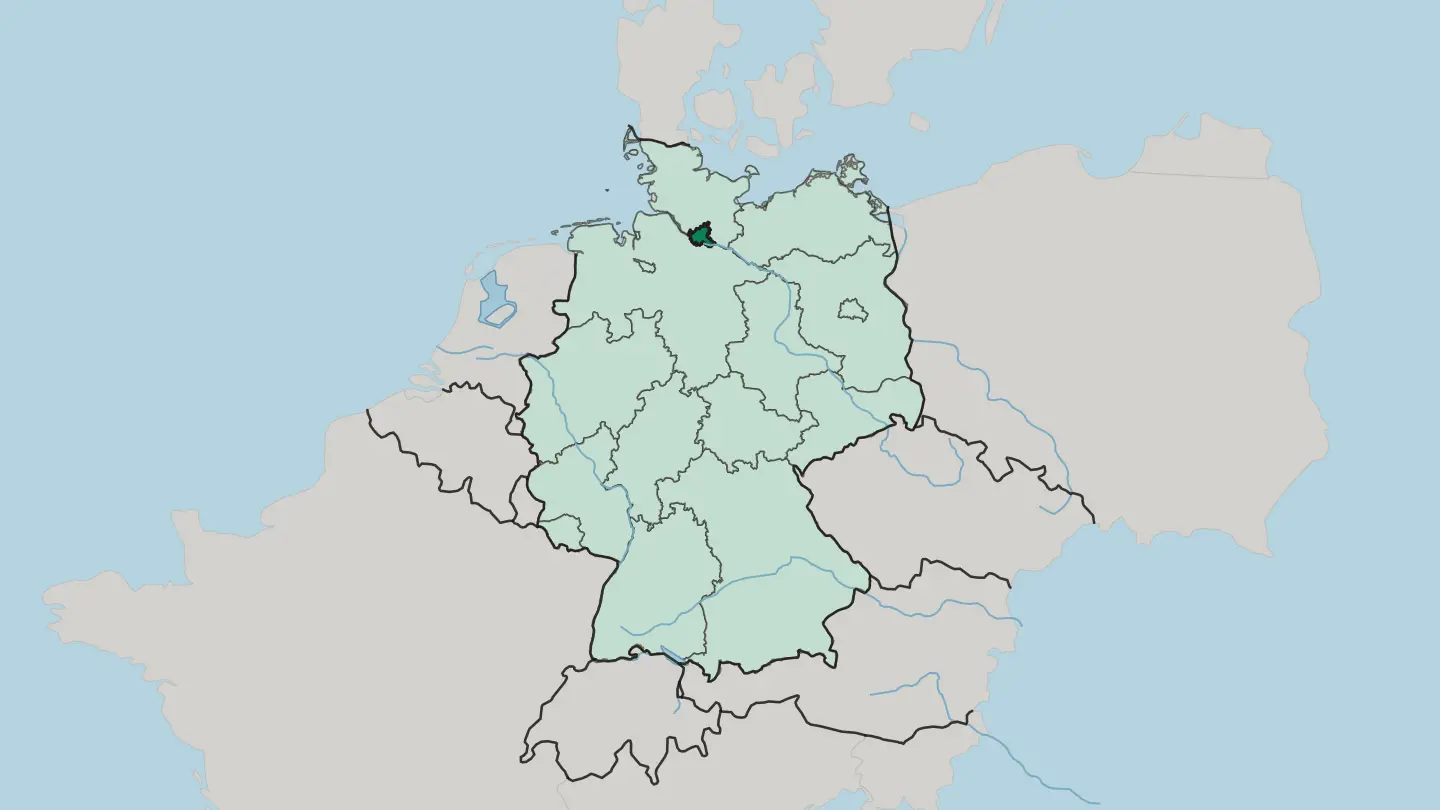 Germany
Hessen
Hessen is a landlocked German state built around the Frankfurt Rhine-Main region, its wooded hills and half-timbered towns spreading out from Wiesbaden.Towns & cities →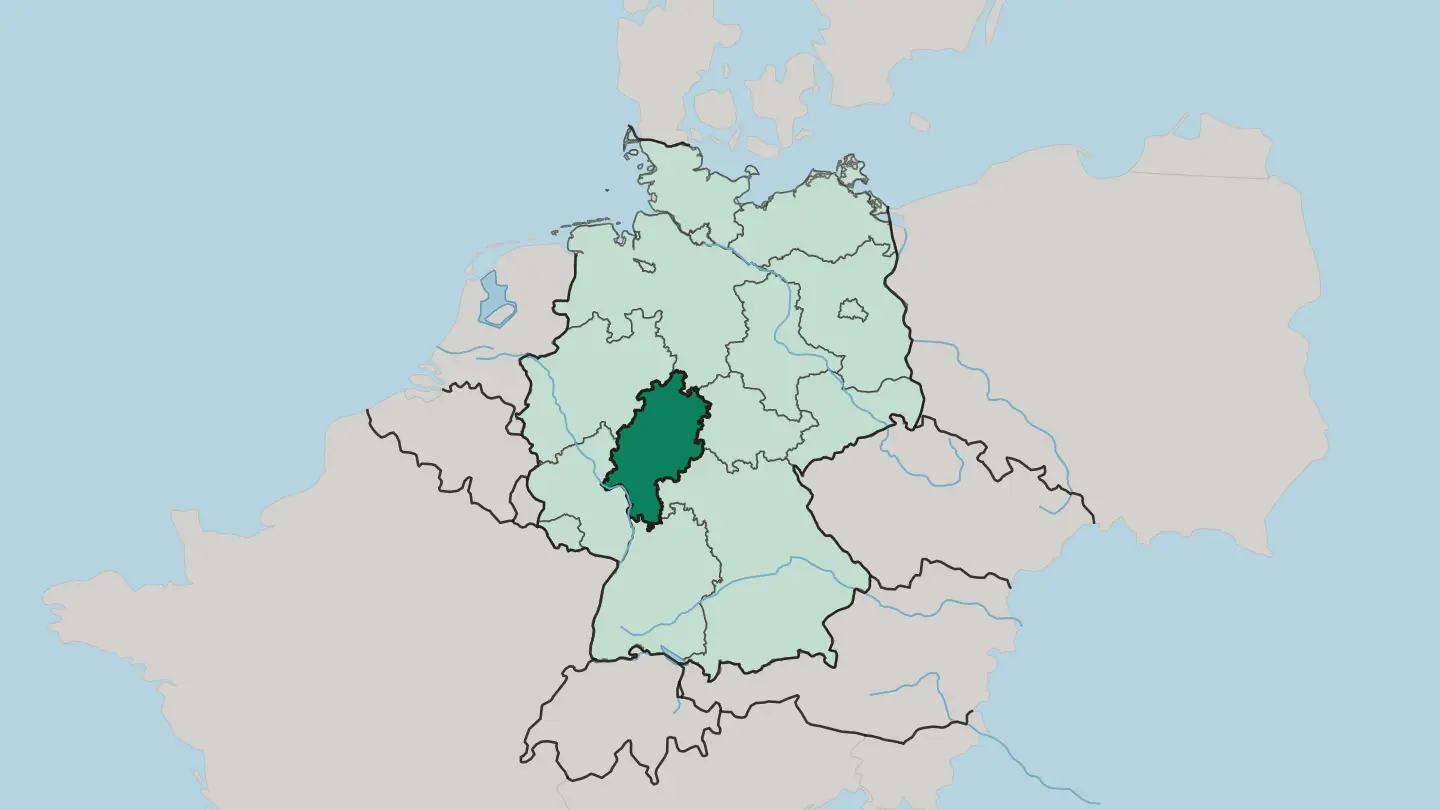 Germany
Land Berlin
Berlin is the capital of Germany and a city-state of its own, Germany's largest city by area, ringed entirely by the surrounding state of Brandenburg.Towns & cities →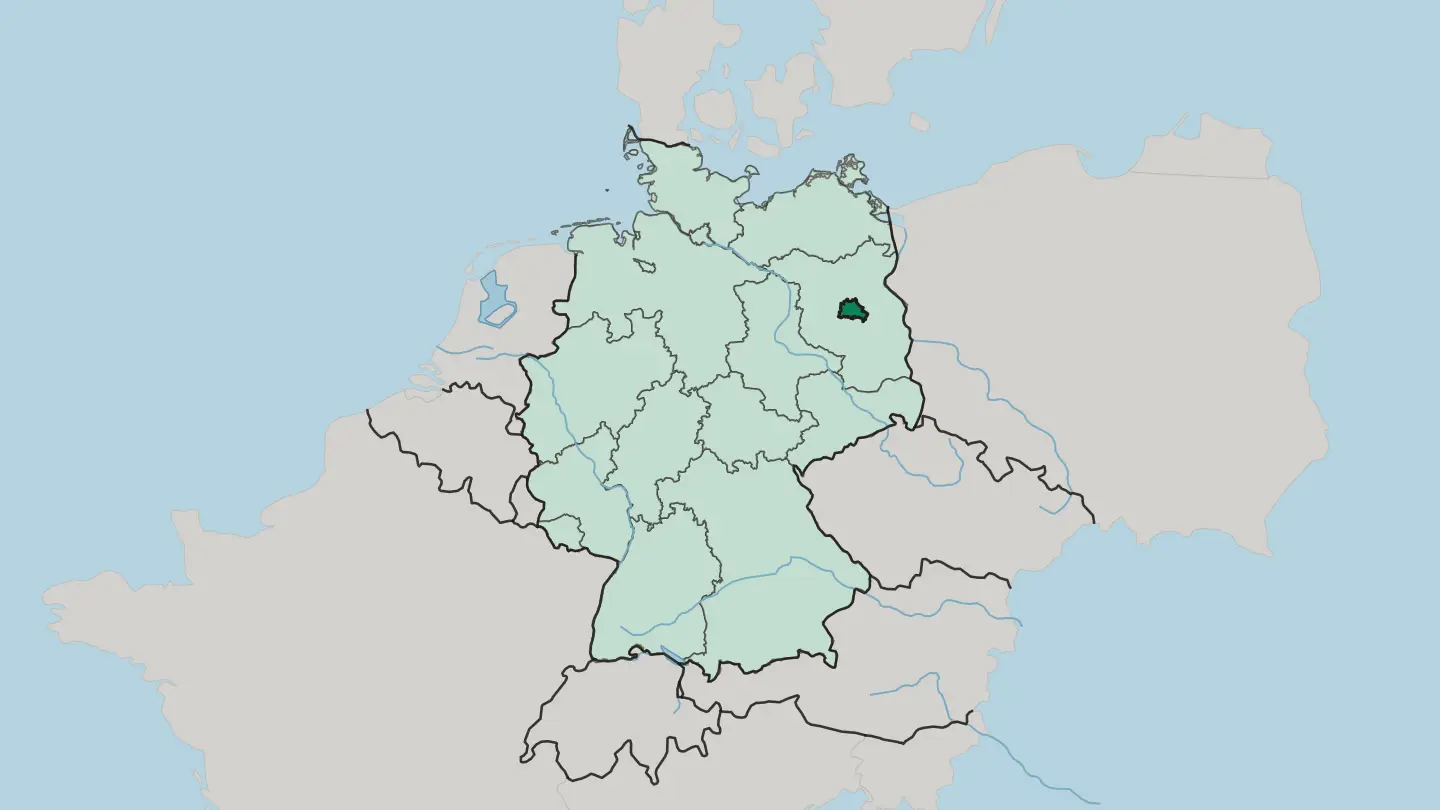
 Germany
Lower Saxony
Lower Saxony sweeps across northwestern Germany, the only German state to hold both North Sea coast and Harz peaks.Towns & cities →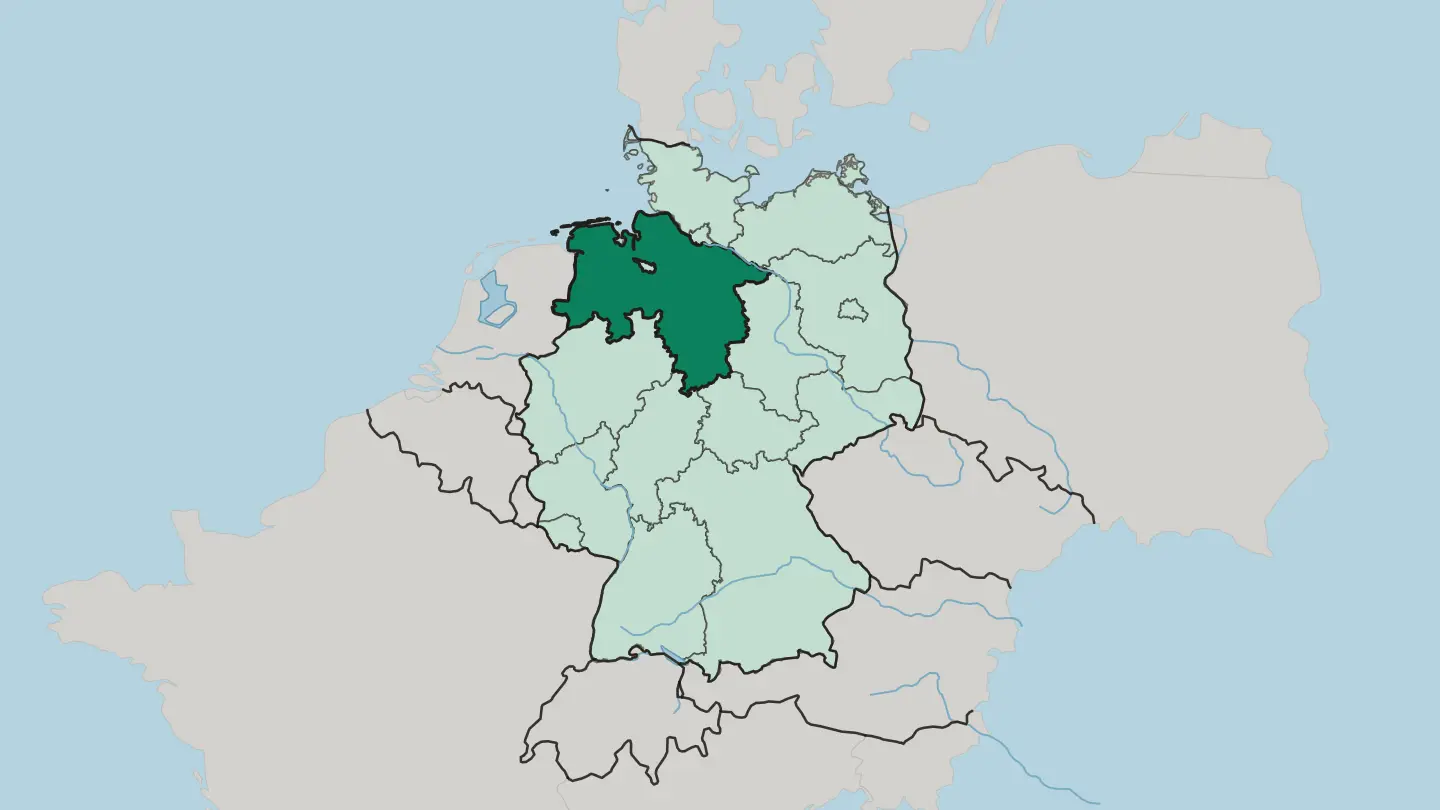
 Germany
Mecklenburg-Western Pomerania
Mecklenburg-Western Pomerania is Germany's Baltic corner: seaside resorts, more than a thousand inland lakes, and old Hanseatic ports.Towns & cities →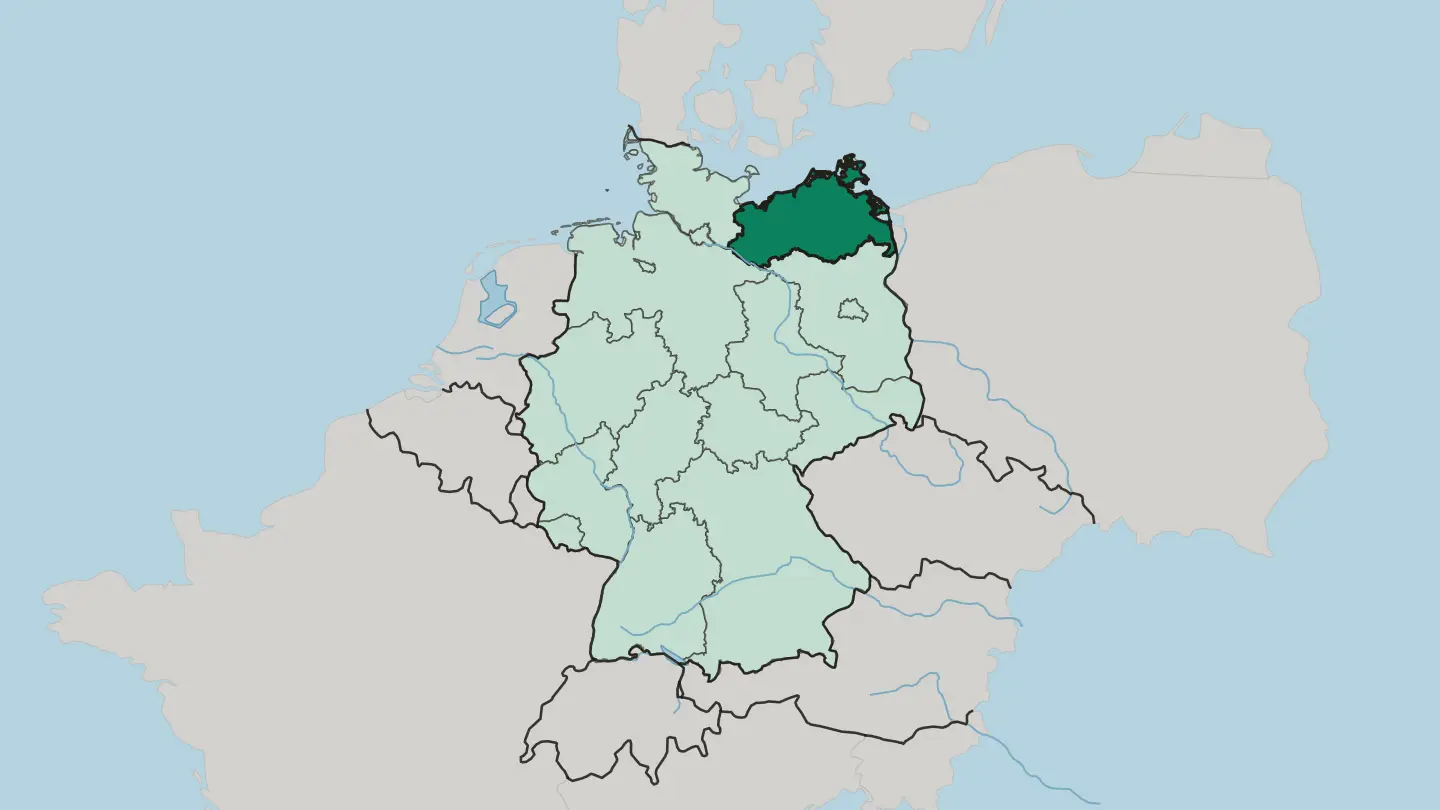 Germany
Nordrhein-Westfalen
Nordrhein-Westfalen is a landlocked German state on the river Rhine, joining Nordrhein and Westfalen around the Ruhr Valley and the Teutoburg Forest.Towns & cities →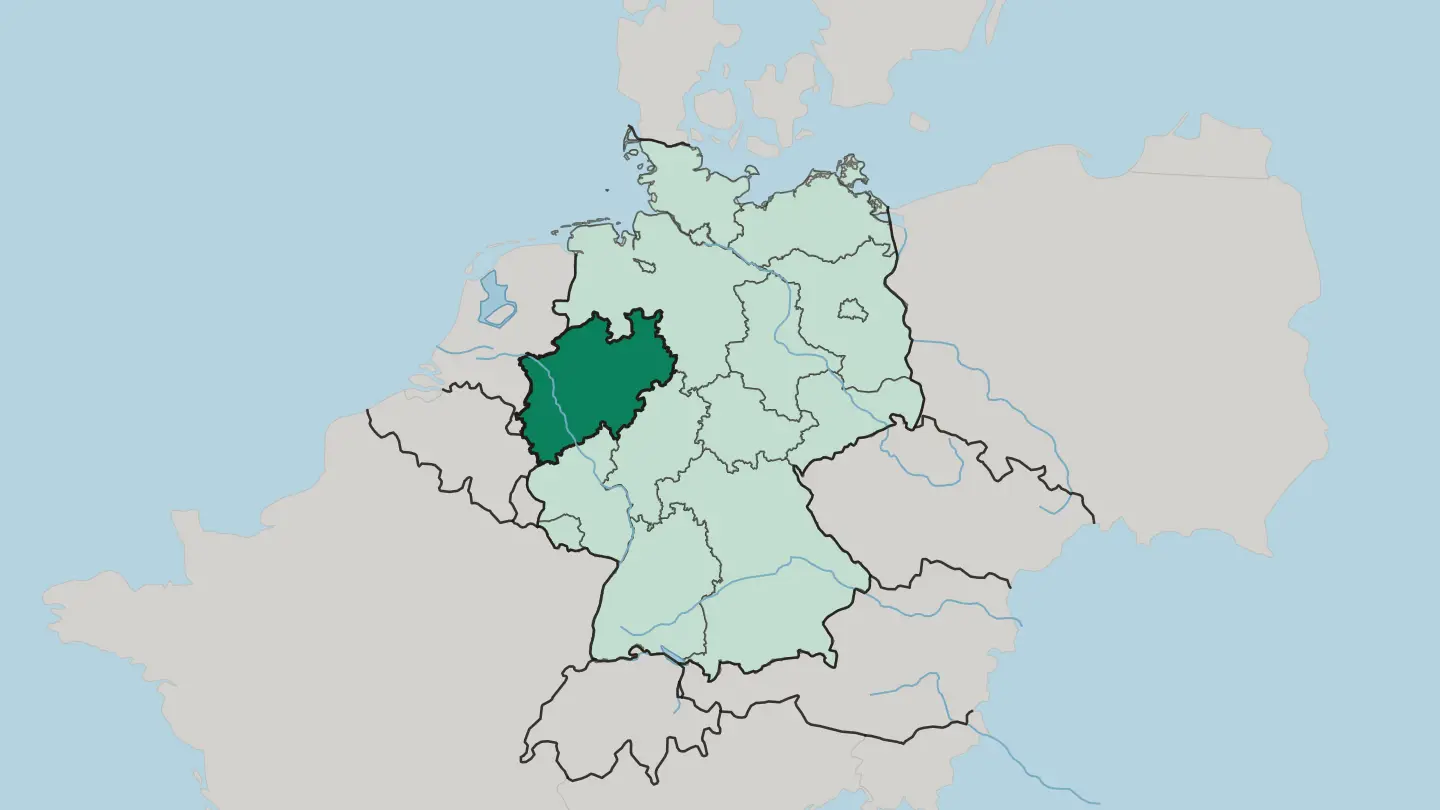
 Germany
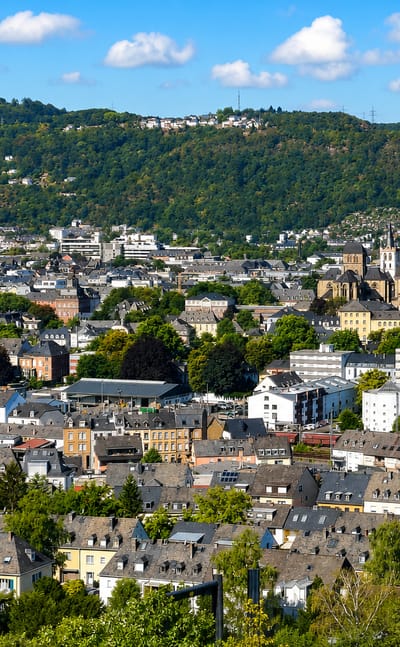
Rheinland-Pfalz
Rheinland-Pfalz is Germany's largest wine state, where the Rhine and the Mosel carve terraced valleys past Roman Trier and the castles of the Rhine Gorge.Towns & cities →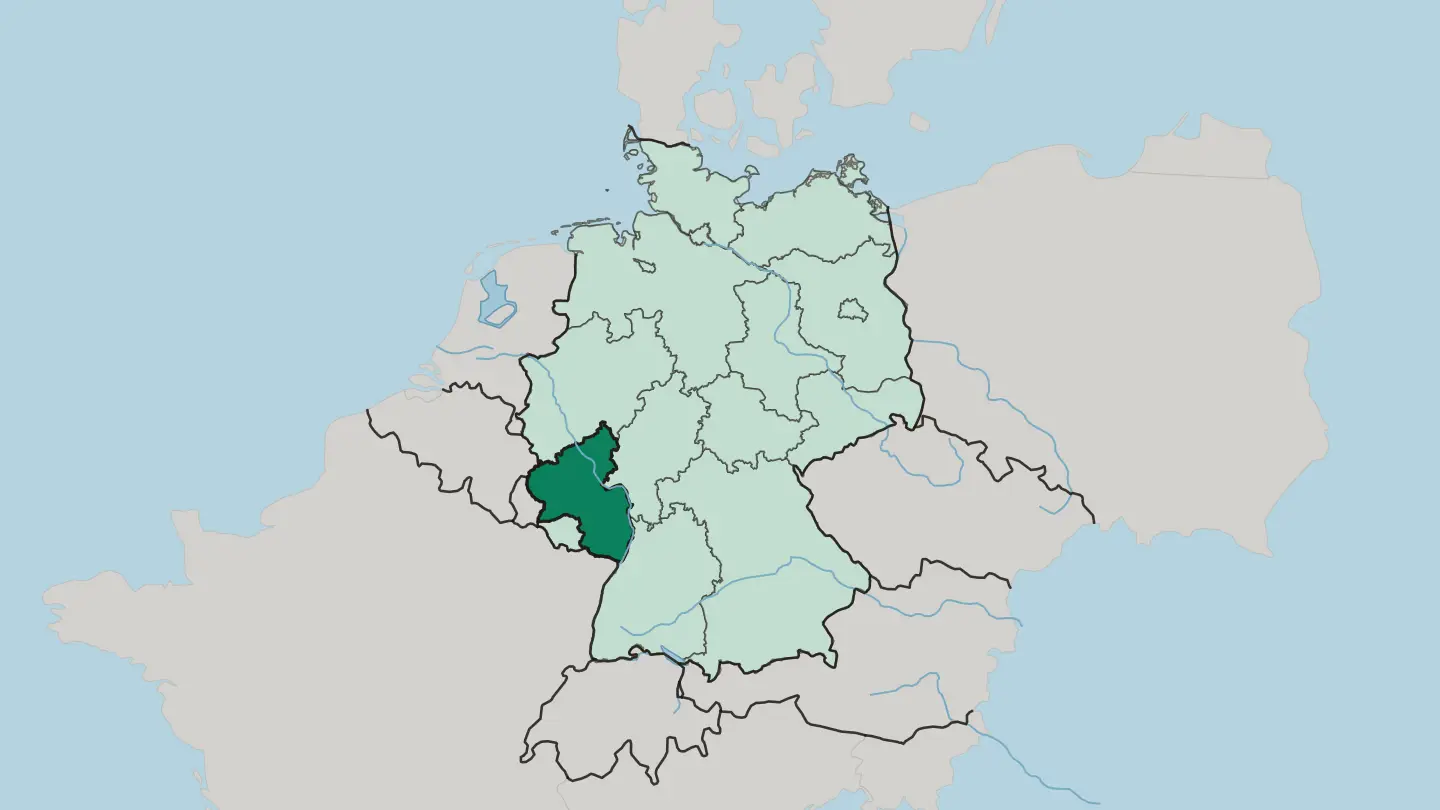
 Germany
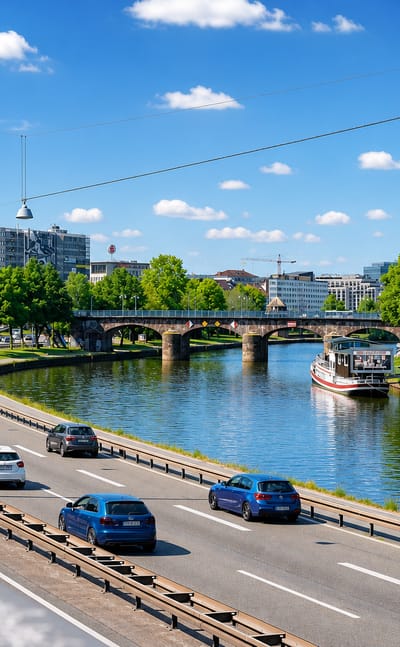
Saarland
Saarland is Germany's smallest full state, wrapped around the Saar in the far south-west against France and Luxembourg.Towns & cities →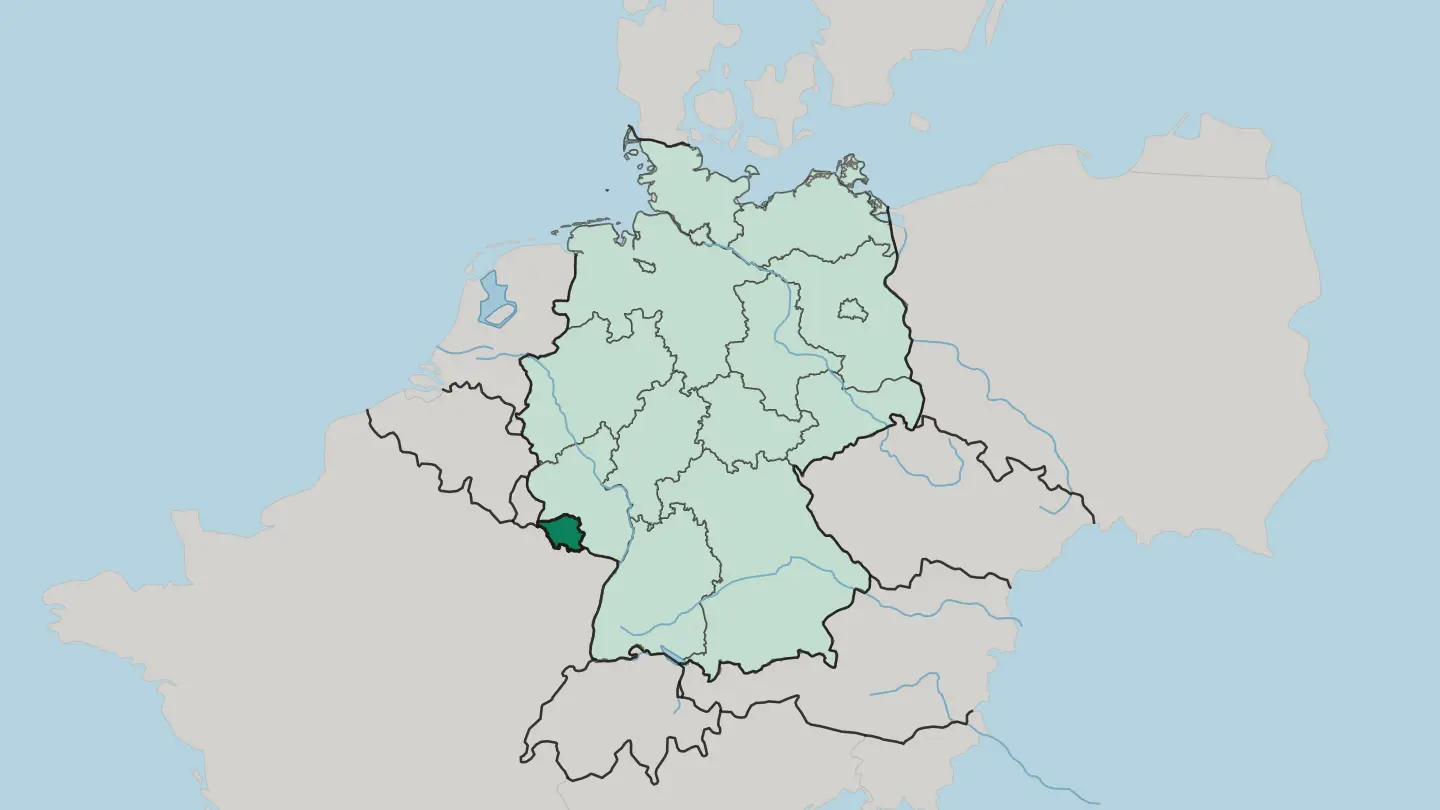 Germany
Saxony
Saxony is Germany's eastern free state, holding Dresden's Baroque riverfront, Leipzig, and the Ore Mountains on the Czech border.Towns & cities →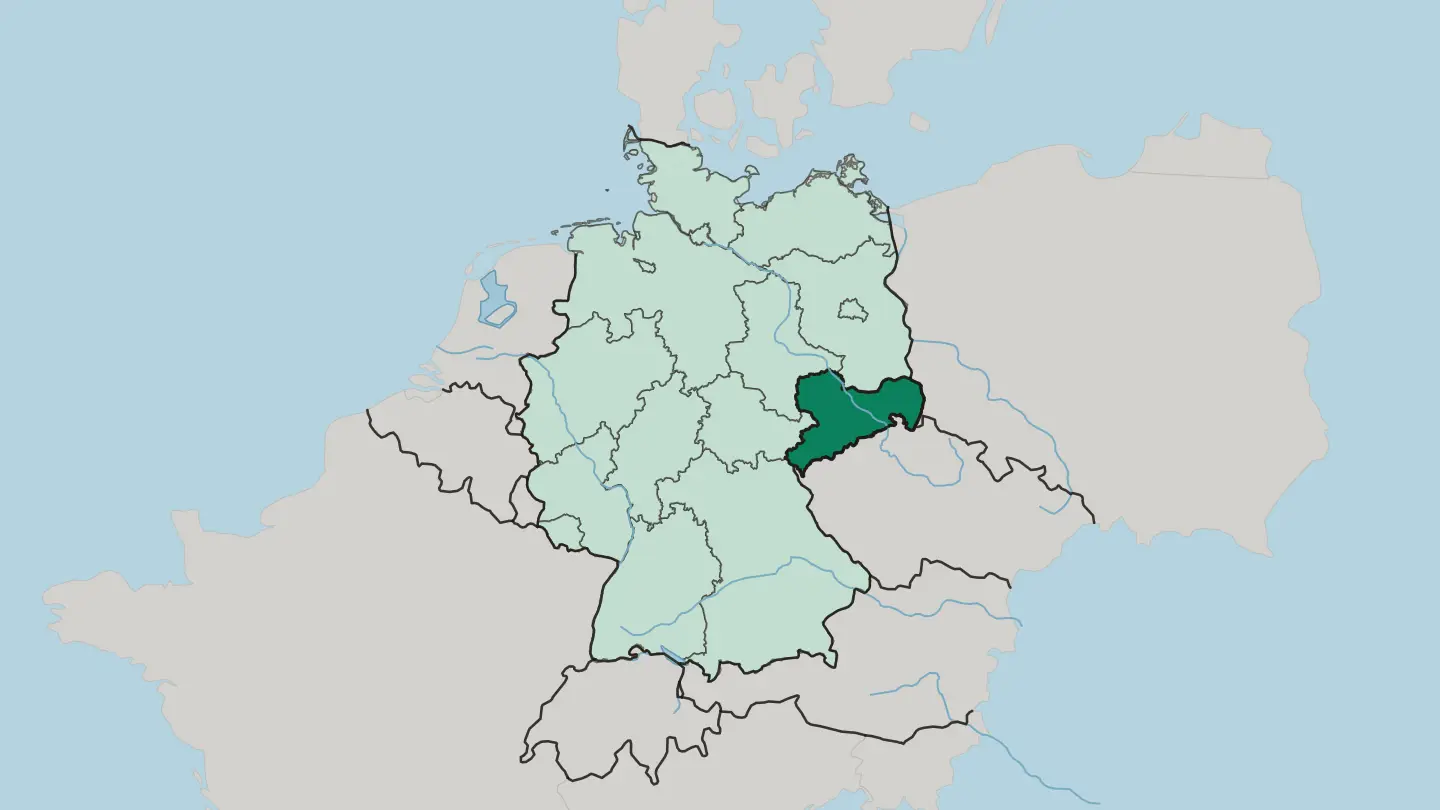
 Germany
Saxony-Anhalt
Saxony-Anhalt is a landlocked state of central Germany, where the Elbe crosses the plain and the Harz rises in the south-west.Towns & cities →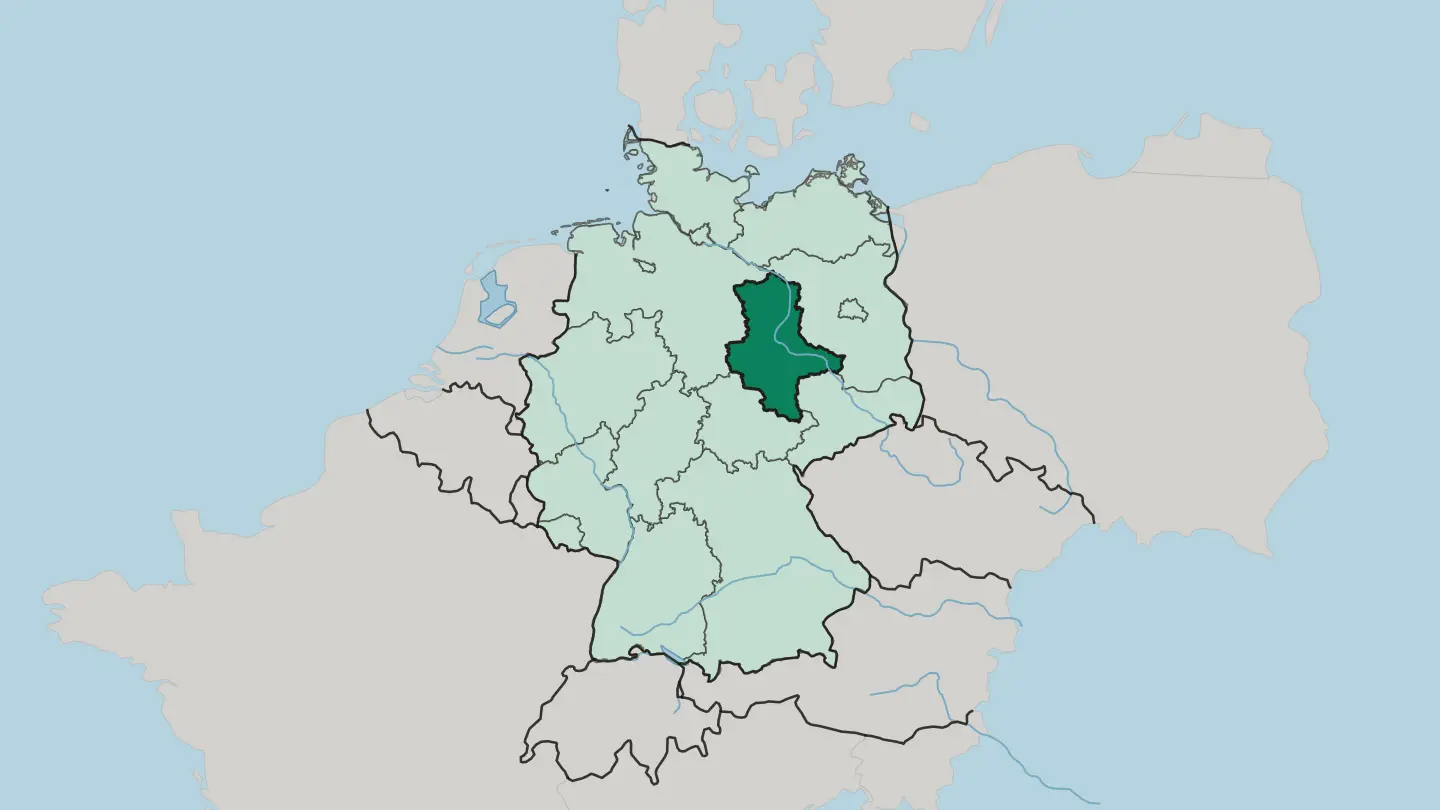
 Germany
Schleswig-Holstein
Schleswig-Holstein is Germany's northernmost state, a slim land bridge to Denmark caught between the North Sea and the Baltic.Towns & cities →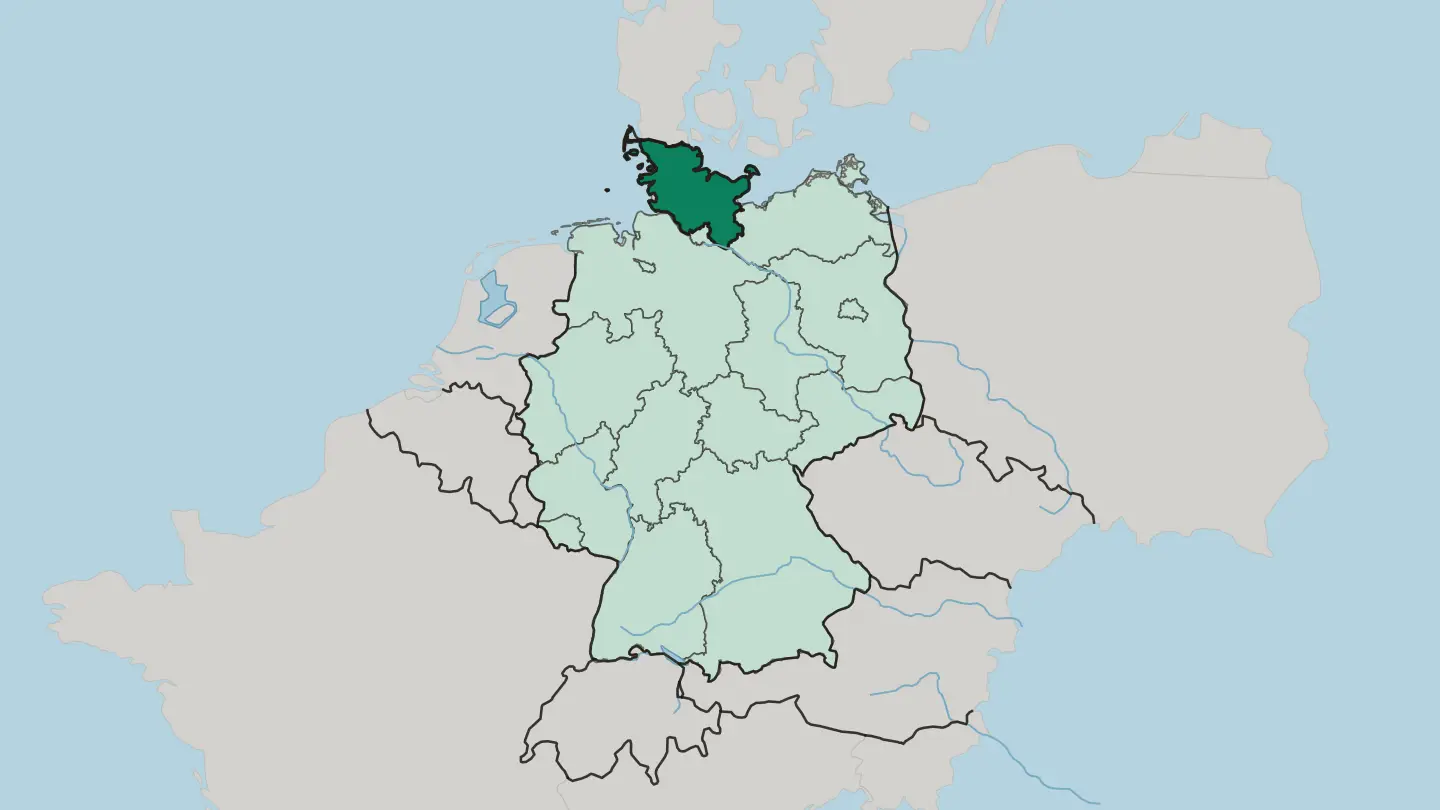
 Germany
Thuringia
Thuringia is the centremost state of Germany, a landlocked upland of forest and river valleys between Erfurt and the Werra.Towns & cities →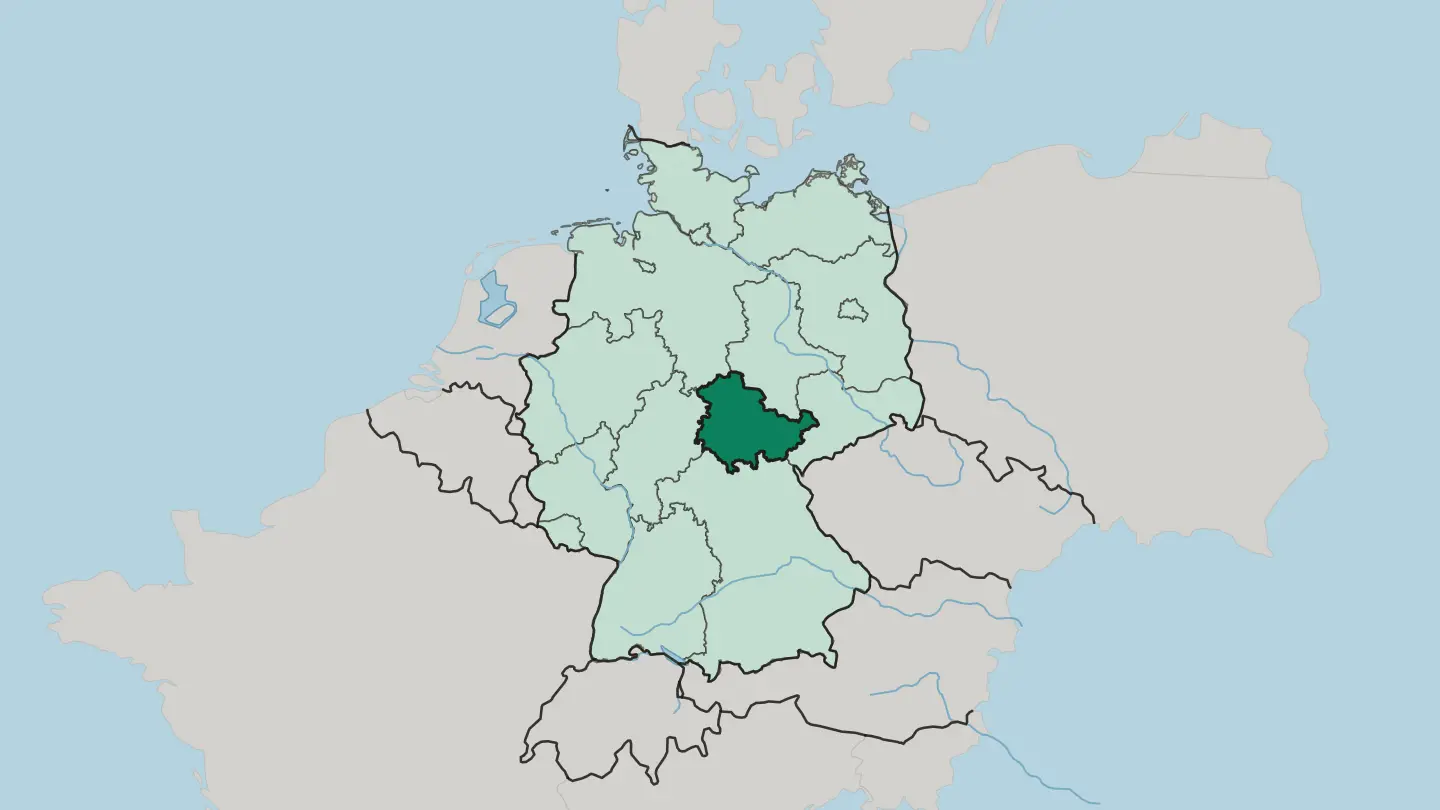
Explore by experience
Not sure which place? Start from how you want to travel.
About Germany
What is Germany known for?
Germany is known for its regional diversity, its place in European history, and the everyday cosiness its own language calls Gemütlichkeit. The country spreads across 16 states, each with its own landscape and character. Its cities, rolling countryside, seasonal festivals and open country all draw visitors, running from the Alps at one edge of the land to the Baltic and North Sea coasts at the other.
German culture, holidays and rural life sit alongside the draw of the cities. Variety is the theme.
Where is Germany?
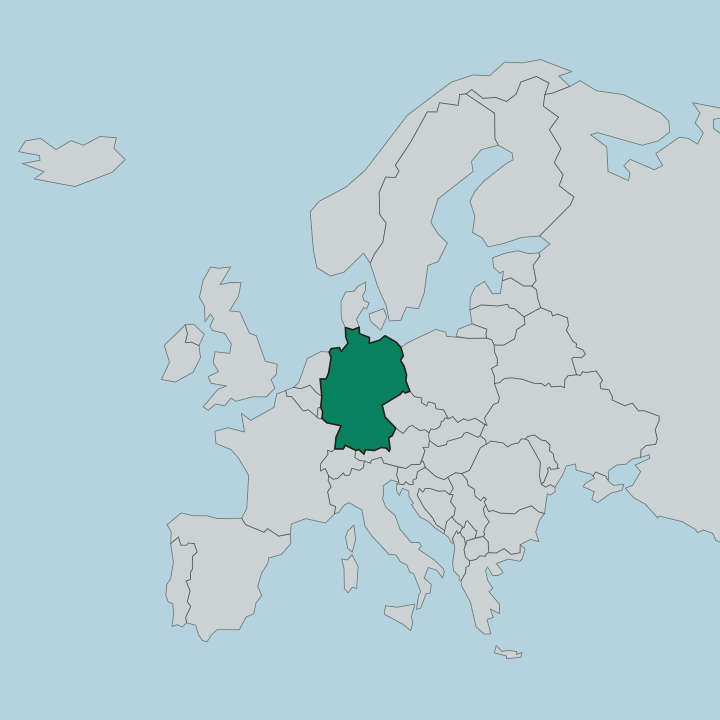
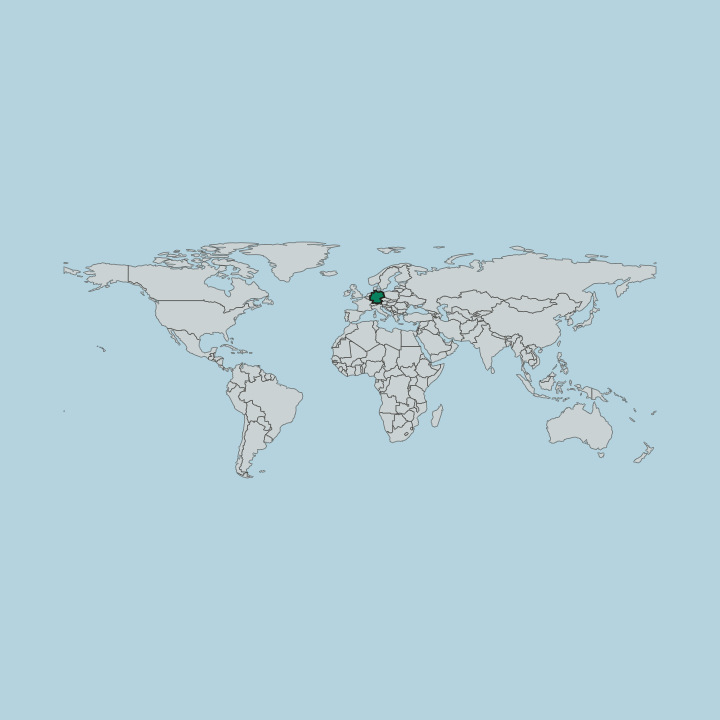
Germany is a country in central Europe, framed by the Baltic Sea and the North Sea to the north and by the Alps to the south. Between those coasts and that mountain wall the land runs a full temperate band, low and open to the ocean along its northern shores and rising toward the high south. It is the largest country in central Europe, wide enough that its weather and its landscapes shift markedly from one end to the other.
The seas and the Alps bookend it. Neither edge is far from a border. Germany shares land frontiers on nearly every side, hemmed by more neighbours than almost any country of the continent.
Denmark adjoins it to the north, while Poland and the Czech Republic line the eastern frontier. Austria and Switzerland close the southern edge beneath the Alps, and France, Luxembourg, Belgium and the Netherlands run along the western boundary. Within these limits the country divides into 16 states, each a self-standing piece of the federation.
Its densest built-up expanse, the Ruhr, gathers a cluster of cities across the old industrial belt, while the capital, Berlin, and the financial centre, Frankfurt, anchor the wider country.
What is the history of Germany?
The Federal Republic of Germany was constituted in 1949, drawing its states together under one federal government. Its formal name, Bundesrepublik Deutschland, still marks that founding. The country took shape as a federation rather than a single centralised state, and its 16 states each kept a measure of their own standing.
Berlin serves as the capital and the seat of the federal government. Germany sits at the centre of much of European history, a land whose past has shaped the wider continent. The federal form endures.
What is Germany like?
German culture is defined as much by its regions as by the country as a whole. Diversity is the rule. Across the 16 states, the texture of daily life shifts from one land to the next, so that a single national culture reads more like a federation of local ones.
Dialects shift from land to land, and even building styles mark out one region from another. The German language binds them all, and the word Gemütlichkeit, a sense of warmth and cosiness, names a value the culture holds dear. Seasonal festivities run through the calendar, from the cities out to the rural countryside.
Old-world custom sits beside modern life. Food and festivals carry the culture as strongly as any monument.
What is the climate of Germany?
Germany has a temperate climate, mild and changeable rather than extreme. The north lies open to the sea. Along the Baltic Sea and North Sea coasts the ocean keeps winters softer and summers cooler, while the sheltered interior and the ground rising toward the Alps run to sharper seasonal swings.
Winters bring grey and cold; summers turn warm and green. Four clear seasons mark the year.
How do you get to Germany?
Most visitors reach Germany through its largest cities, with Berlin and Frankfurt the main points of entry. Frankfurt anchors much of the country's air and rail connections. Overland, Germany can be entered from any of its nine neighbours, from Denmark in the north to Austria and Switzerland below the Alps.
The North Sea and Baltic Sea coasts add sea routes and ferry links from the north. Trains tie the cities together. By land, air or water, the country is easy to enter from across the continent.
Good for
Updated September 2026