Germany · Saarland
Where to Stay in Saarbrücken, Saarland
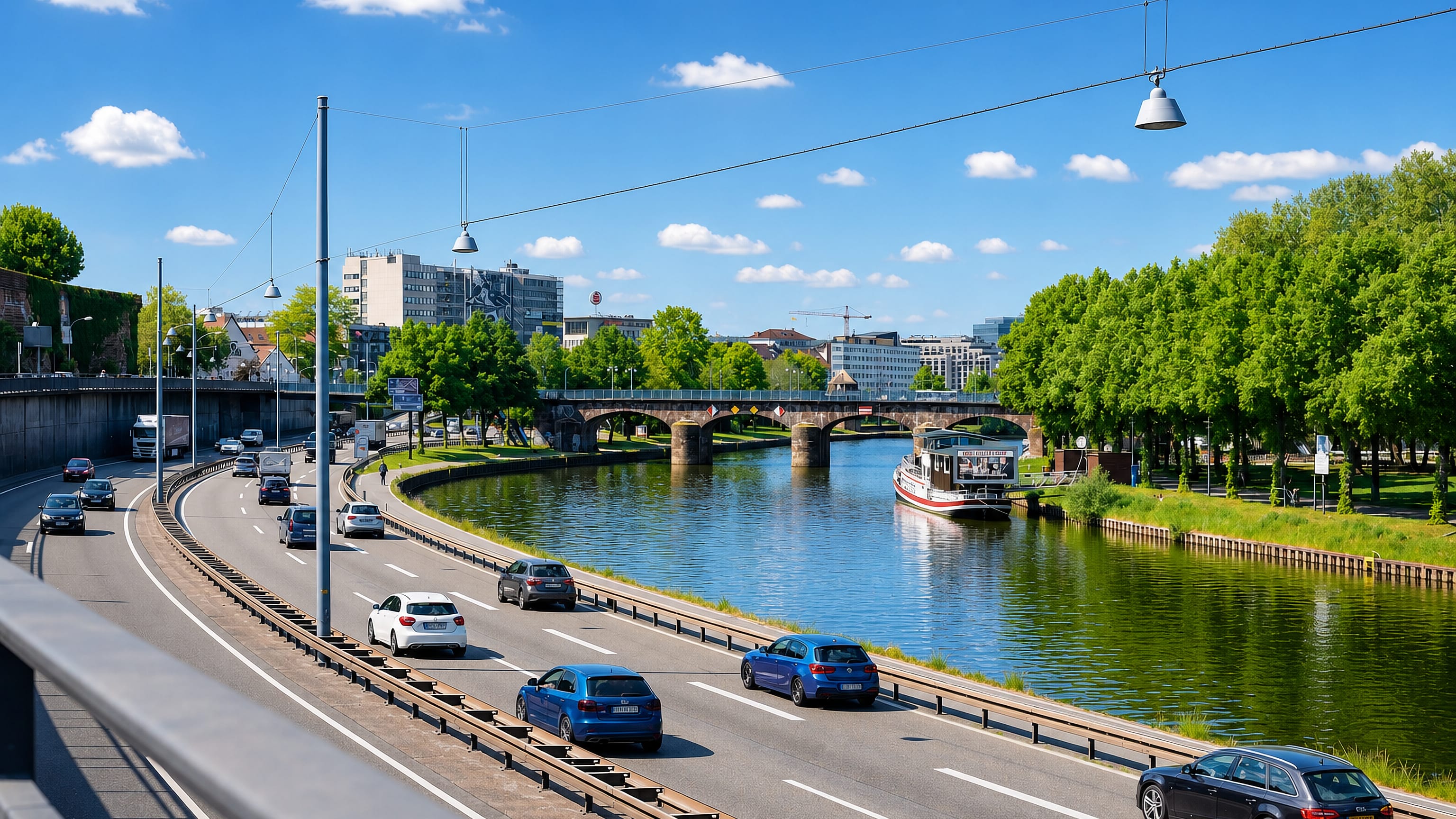
The Baroque Ludwigskirche crowns Saarbrücken, the capital of Saarland, a city of bridges spanning the Saar and named for its crossings.
Hotel links are affiliate links: booking through them may earn us a commission, at no extra cost to you. It never affects how places are ranked. How this works


Where to stay in Saarbrücken
The right area depends on your trip — here's what each neighbourhood is best for.

 SaarbrückenGermany
Eschberg
Eschberg is a quarter of Saarbrücken, the Saarland capital in Germany, with the Saarbrücker Zoo and the Schwarzenbergturm on its ground.Where to stay → SaarbrückenGermany
Dudweiler
Dudweiler is a borough of Saarbrücken on the Sulzbach creek, first recorded in 977 as the site of a chapel.Where to stay →Hotel links are affiliate links: booking through them may earn us a commission, at no extra cost to you. It never affects how places are ranked. How this works
Find hotels in Saarbrücken
Direct booking searches for these neighbourhoods.
St. Johann and the city centre
Steps from the St. Johann market, the Johanneskirche and the museums on the northern bank of the Saar.Find hotels in St. Johann and the city centreThe Baroque square below the LudwigskircheAlt-Saarbrücken
Older streets climbing from the Saar toward the Ludwigskirche, quieter than the shopping centre across the bridges.Find hotels in Alt-SaarbrückenHotel links are affiliate links: booking through them may earn us a commission, at no extra cost to you. It never affects how places are ranked. How this works
Things to do in Saarbrücken
Ranked by global recognition; descriptions from Wikidata (CC0).
Museums & Galleries
3- Saarland Museum
- Historisches Museum Saar
- Museum für Vor- und Frühgeschichte
Churches & Religious Sites
8- Ludwigskirche Heritage
- Johanneskirche Heritage
- Deutschherrenkapelle Saarbrücken Heritage
- Sacred Heart Church (Saarbrücken) Heritage
- former Old St. John's Church, Saarbrücken Heritage
Show 3 more →
- Notkirche Saarbrücken Heritage
- Stummsche Kapelle Heritage
- St. Mauritius Heritage
Castles & Historic Sites
1- The Square Of The Invisible Monument
Stadiums & Sports
3- Saarlandhalle
- Stadion Kieselhumes
- Sportcampus Saar
Landmarks & Notable Places
3- Schwarzenbergturm Heritage
- Sender Saarbrücken-Winterberg
- Sender Scheidt
worth knowingacross 5 categories in Saarbrücken
About Saarbrücken
What is Saarbrücken known for?
Saarbrücken is known as the capital of Saarland, a city grown up around the bridges that give it its name over the Saar. Its Baroque signature is the Ludwigskirche, one of the great Protestant churches of its age. The river divides it.
Both banks carry the old town, the museums and the churches, and the city's museums, from the Saarland Museum to the Historisches Museum Saar, keep the story of this corner of Saarland close to the water.
What are the main landmarks in Saarbrücken?
Saarbrücken's landmarks stand on both banks of the Saar. The Baroque Ludwigskirche is the city's emblem, and the Johanneskirche and the collegiate church at St. Arnual mark the older parishes. Museums line the river too.
The Saarland Museum holds the art, the Historisches Museum Saar and the Museum für Vor- und Frühgeschichte tell the region's story, and the wooded Schwarzenbergturm and the Saarbrücker Zoo give the city its green edges away from the centre.
What is the history of Saarbrücken?
Saarbrücken grew from settlements on both banks of the Saar, where crossings over the river gave the place its name and its purpose. The collegiate church at St. Arnual, one of the oldest foundations here, marks the medieval town, and the two riverside communities of Alt-Saarbrücken and St. Johann long stood apart before they were joined into a single city. The Saar always tied them together.
Under the princes of Nassau-Saarbrücken, the town became a residence and gained its Baroque face, above all the Ludwigskirche that still crowns the southern bank. Coal and iron later turned Saarland into an industrial land, and the museums of the city, among them the Historisches Museum Saar, record those centuries of trade, princes and heavy industry that shaped Saarbrücken into the capital of its state.
Where is Saarbrücken?
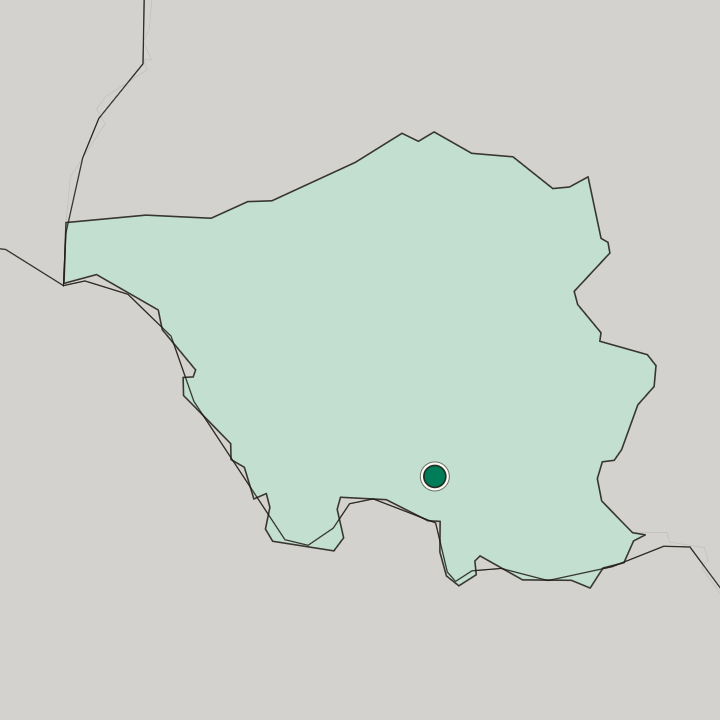
Saarbrücken lies along the Saar, which winds through the city and separates its two historic banks. Wooded hills rise on either side of the valley, among them the height carrying the Schwarzenbergturm above the town. The river sets the shape of everything here.
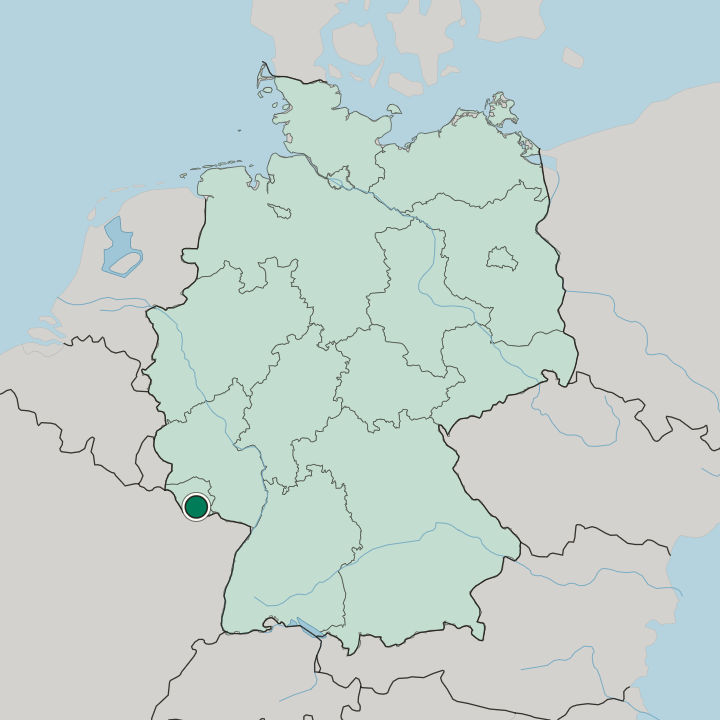
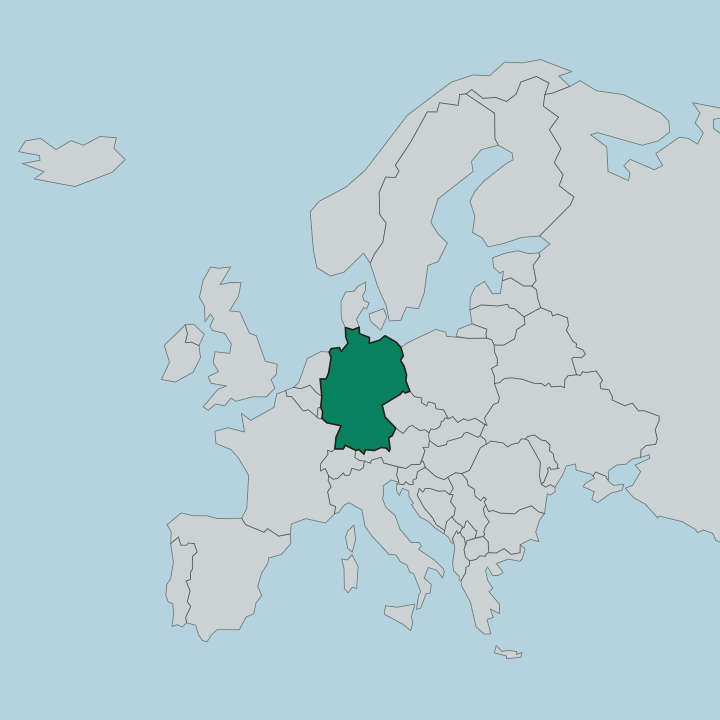
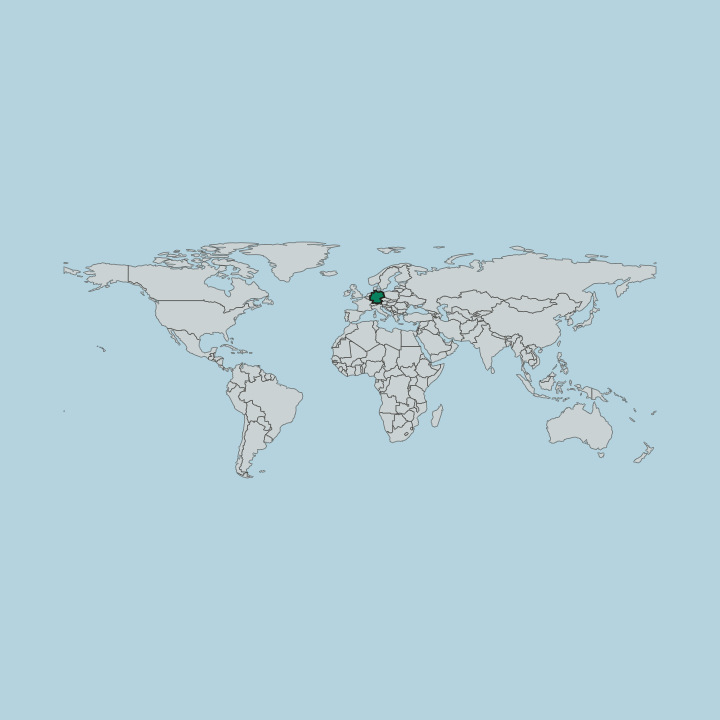
As the seat of Saarland, Saarbrücken sits in the low, forested country of Germany's south-west, where the Saar carries the valley's traffic down toward its meeting with the Moselle beyond the city.
What is the climate of Saarbrücken?
Saarbrücken has a mild, moist climate typical of Germany's south-western river valleys. Rain is frequent through the year, carried in on westerly winds that follow the Saar valley, and the surrounding woods keep the air soft. Summers stay warm and green.
Winters are cool rather than harsh, with snow lying only briefly on the hills above the city and seldom for long on the streets down by the river.
How do you get to Saarbrücken?
Saarbrücken is the rail hub of Saarland, with fast trains linking it east toward Mannheim and the Rhine and lines running west along the Saar valley. The Hauptbahnhof sits at the northern edge of the centre. Trams and buses cross the river frequently.
Autobahns thread the valley around the city, tying Saarbrücken to the rest of Saarland and the wider south-west, so most arrivals reach the Ludwigskirche and the old town on either bank without a car.
Common questions
What is the best area to stay in Saarbrücken?
St. Johann and the city centre: First stays around the Saarbrücken market. Alt-Saarbrücken: The Baroque square below the Ludwigskirche.
Good for
Updated October 2026