Djibouti · Djibouti Region
Where to Stay in Djibouti, Djibouti Region
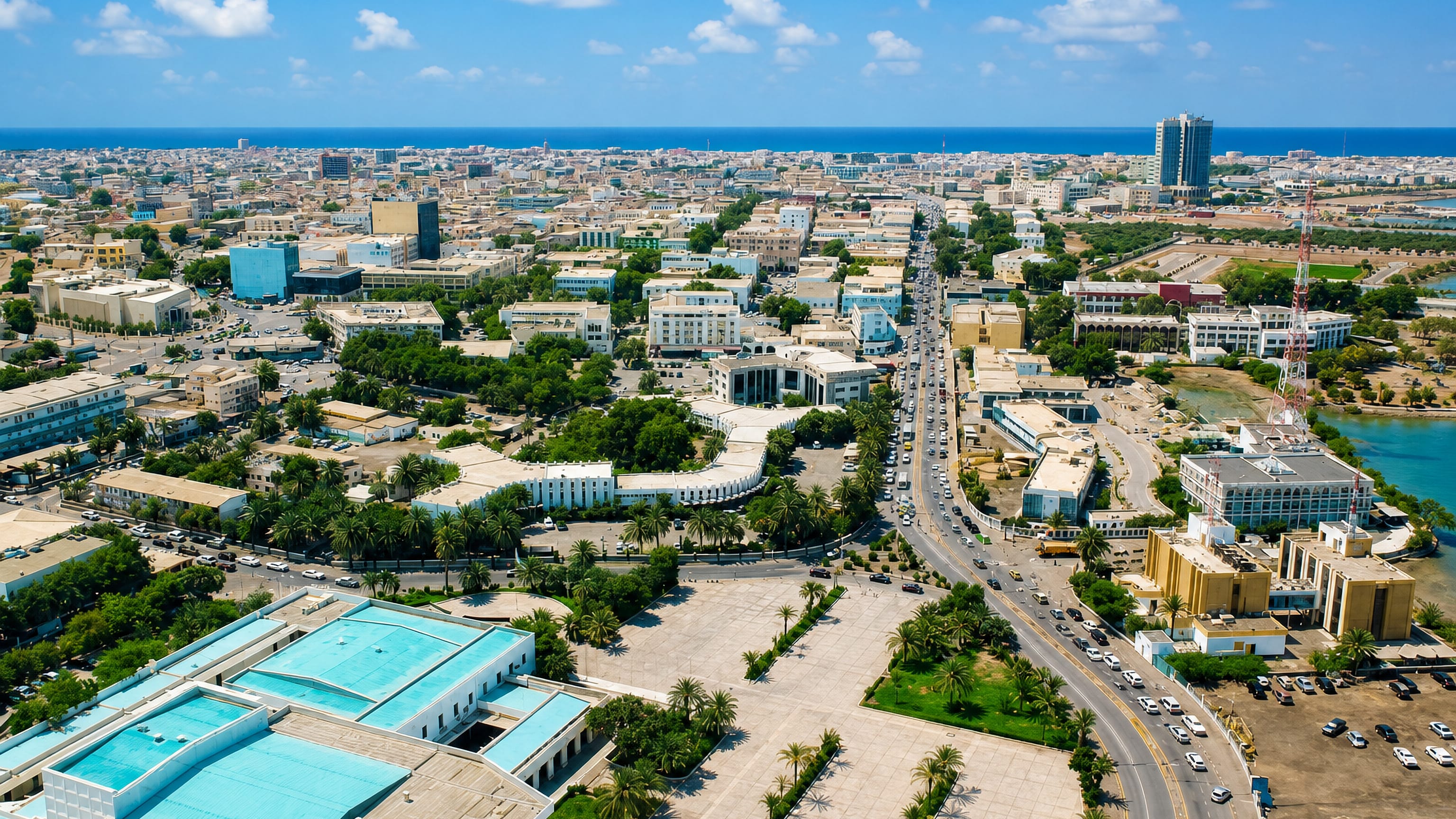
Djibouti is the capital of its small country on the Horn of Africa, a hot port city at the mouth of the Red Sea, near salt lakes below sea level.
Hotel links are affiliate links: booking through them may earn us a commission, at no extra cost to you. It never affects how places are ranked. How this works


Where to stay in Djibouti
Where visitors usually base themselves, and why.
Where you stay in Djibouti turns on the town or the sea. The streets of the European quarter keep the port, the market, and the white arcades within a walk, and staying downtown suits anyone here for the city. The gulf lies just beyond.
Dhows ride in the harbour. Out along the coast and the desert, the town gives way to the beach resorts, the dive boats, and the tracks to the salt lakes. A room by the sea trades the streets for the quiet coves, the warm gulf, and the reefs where the whale sharks pass.
The desert runs on to the lakes. Take a room in the European quarter for the harbour, or out along the shore for the sea. The port and the salt lakes hold the land of the strait.
Find hotels in Djibouti
Direct booking searches for these neighbourhoods.
The European quarter
Around the arcaded streets of the European quarterFind hotels in The European quarterStays wanting the beaches and dive boatsThe coast
Out along the seaFind hotels in The coastHotel links are affiliate links: booking through them may earn us a commission, at no extra cost to you. It never affects how places are ranked. How this works
About Djibouti
Djibouti is the port city of the Horn of Africa.
What is Djibouti known for?
On the Gulf of Tadjoura where the Red Sea opens to the ocean, it grew as a harbour and railhead of the strait, and it keeps the busy port at the world's shipping lane, the salt shores of Lake Assal far below the sea, the whale sharks that gather in the gulf, and the old quarter of white arcaded houses. The hot gulf glitters offshore. Salt crusts the desert lakes.
What are the main landmarks in Djibouti?
Lake Assal is the pride of the Djibouti country. The great salt crater lake, sunk the lowest of any water in Africa and ringed by blinding white flats, is the emblem of the land, out of downtown. Chimneys smoke on a far lake.
The steaming stone towers of Lake Abbe rise on the western border nearby, while the busy port, the whale sharks of the gulf, and the Day forest mark the country around Djibouti.
What is the history of Djibouti?
Djibouti rose as a harbour of the strait. The French built a port here on the Gulf of Tadjoura and ran a railway inland to the highlands of Ethiopia, and the town grew on the trade of the line. The port served an empire's trade.
Ships from Europe to the East called at Djibouti on the sea road through the Red Sea, and the harbour thrived on coal and cargo. The land kept older ways. Out in the deserts the Afar and the Issa herded their flocks between the salt lakes and the hills, as they had for ages.
The country won its freedom. In nineteen seventy-seven the little land became independent as Djibouti, and its capital grew as the port of the strait, keeping its harbour, its railway, and its deserts. The ships still crowd the roadstead.
Djibouti keeps its port city on the Red Sea.
Where is Djibouti?
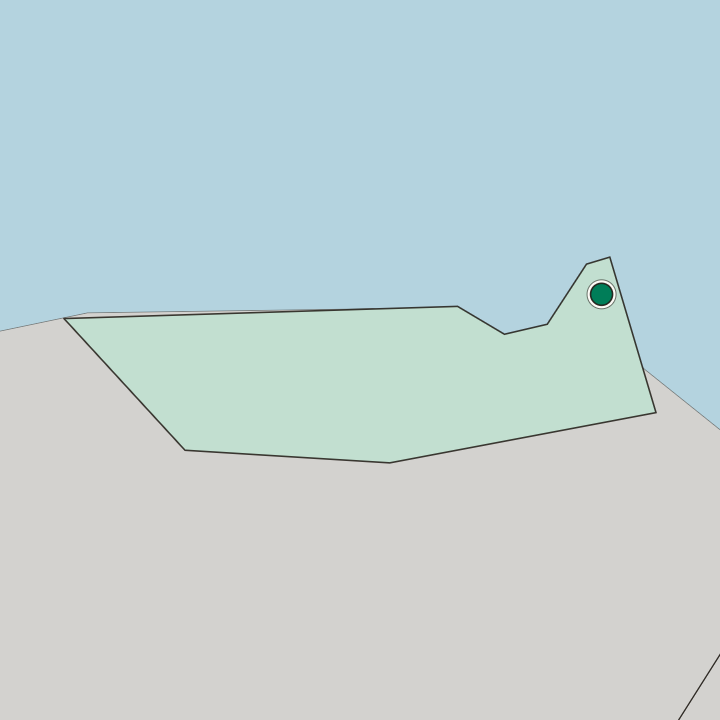
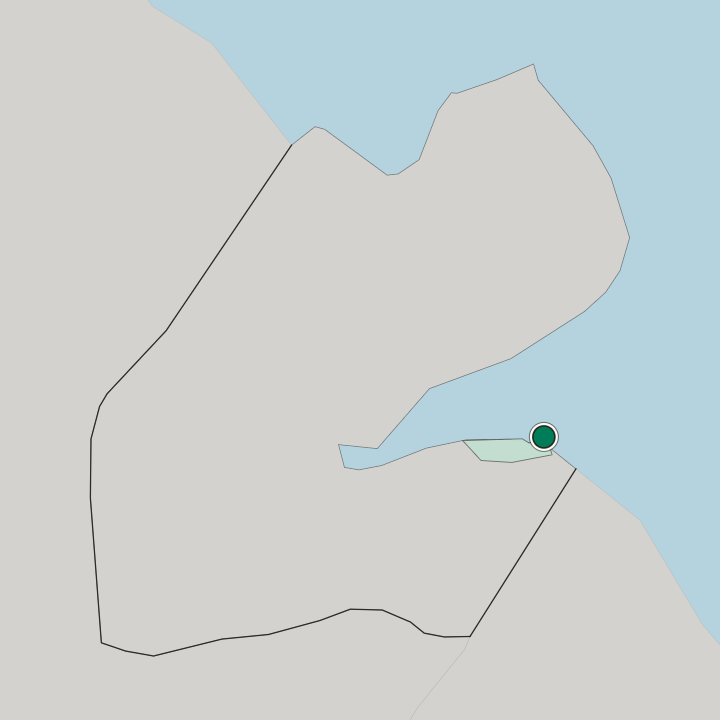
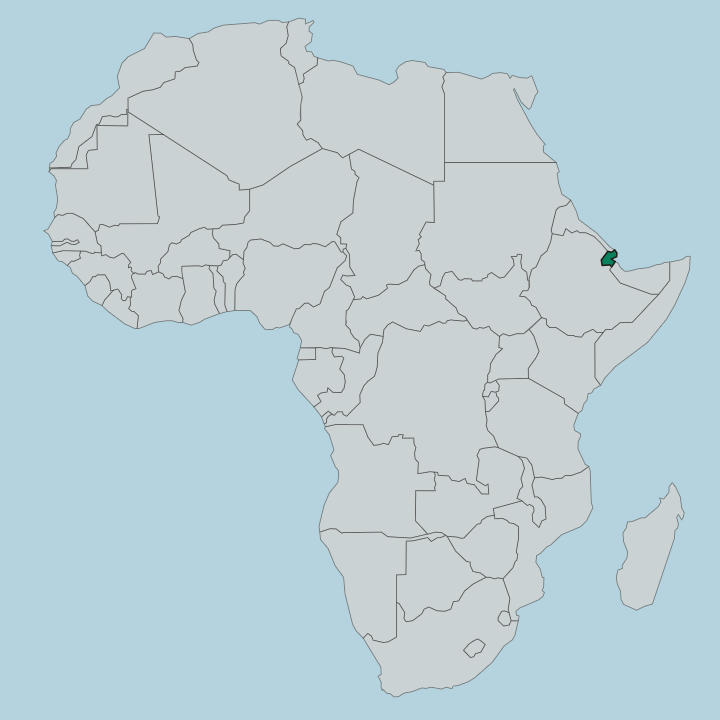
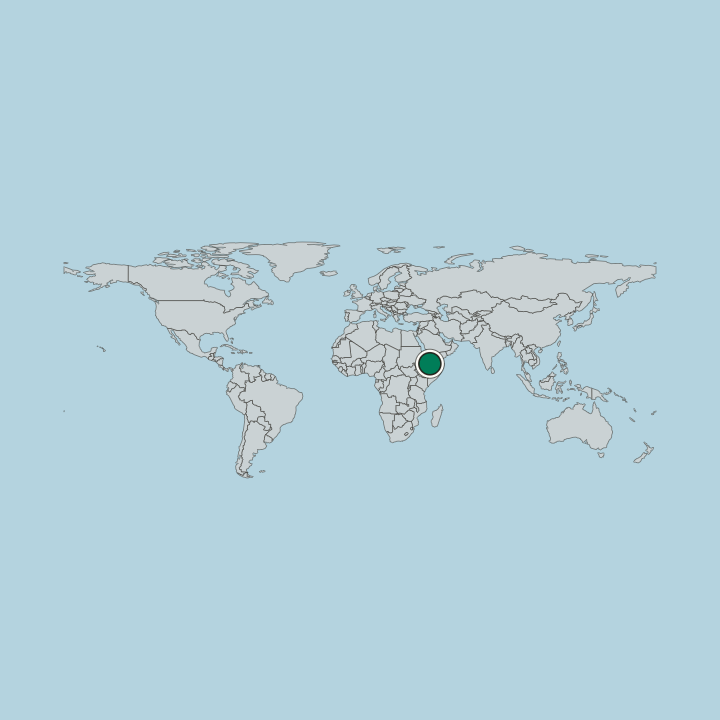
Djibouti lies on the Horn of Africa, at the strait between the Red Sea and the gulf. The city sits on a bay of the Gulf of Tadjoura, in a hot volcanic desert of black lava and salt pans, with the sea to the east and the rift lakes of Assal and Abbe sunk deep in the land to the west. The bare desert bakes inland.
Salt flats ring the crater lake.
What is the climate of Djibouti?
Djibouti has a hot, arid desert climate. Searing heat holds all year by the strait, with fierce summer temperatures and warm dry winters the year round. The heat rules the land.
Sea winds bring little relief.
How do you get to Djibouti?
Djibouti lies on the Horn of Africa, at the strait into the Red Sea. Ships call at its great port, and a new railway runs up to Addis Ababa, and flights land from Europe and the Gulf. Ferries cross the gulf.
Addis Ababa lies west up the line.
Common questions
What is the best area to stay in Djibouti?
The European quarter: Visitors here for the port and the Gulf of Tadjoura. The coast: Stays wanting the beaches and dive boats.
Good for
Updated September 2026