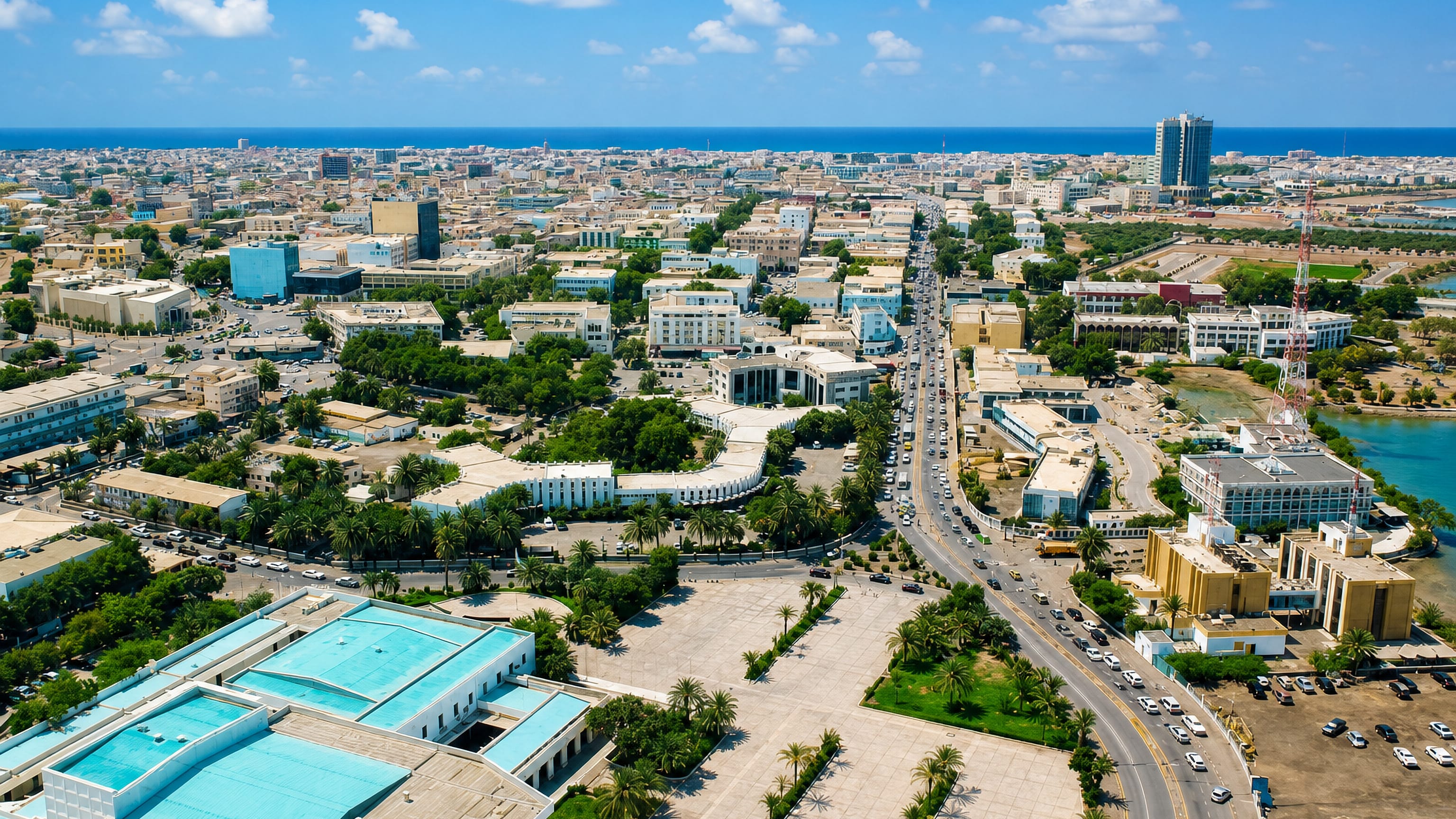
Djibouti: Regions, Cities & Travel Guide
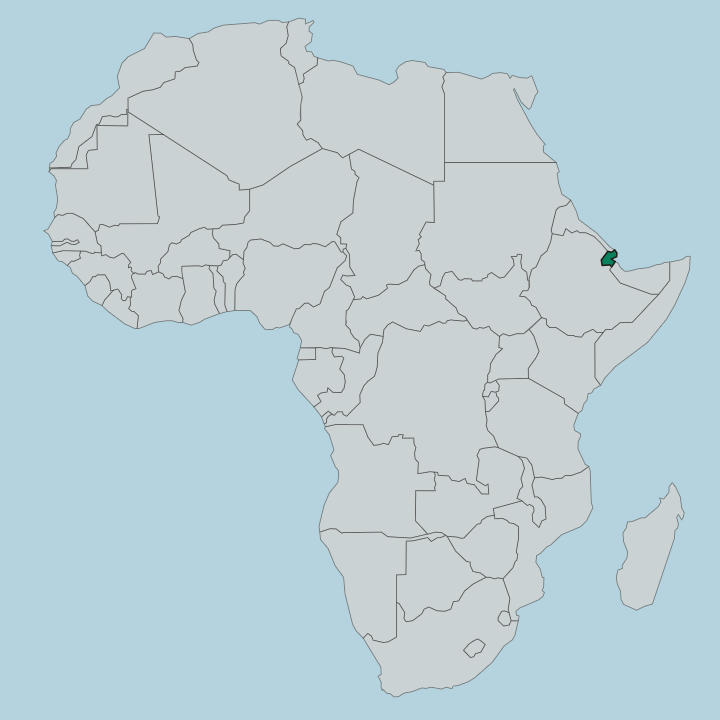
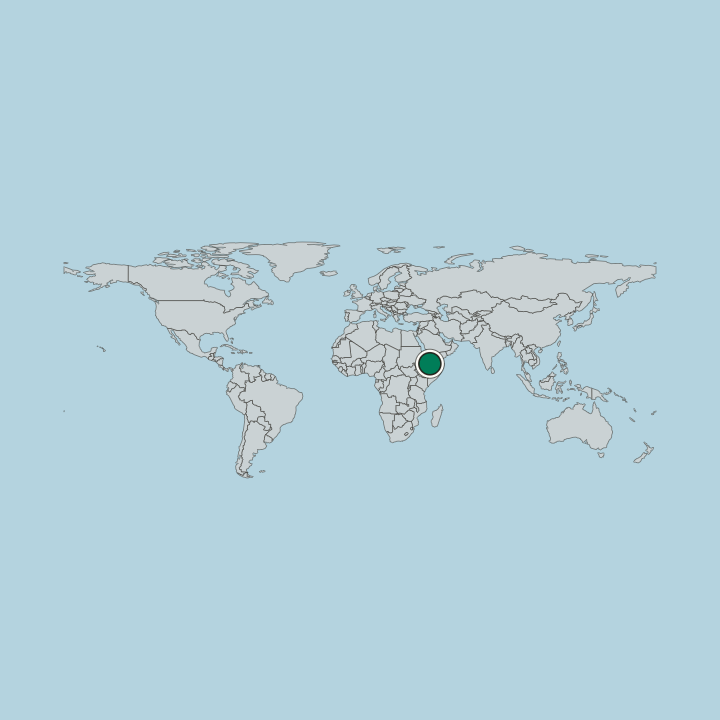
Djibouti is a small country in the Horn of Africa, wrapped around the Gulf of Tadjoura where the Red Sea meets the Gulf of Aden.
Hotel links are affiliate links: booking through them may earn us a commission, at no extra cost to you. It never affects how places are ranked. How this works


Top destinations in Djibouti
One city to start from, then drill into its areas and hotels.

 Djibouti
Djibouti
Djibouti is the capital of its small country on the Horn of Africa, a hot port city at the mouth of the Red Sea, near salt lakes below sea level.Where to stay →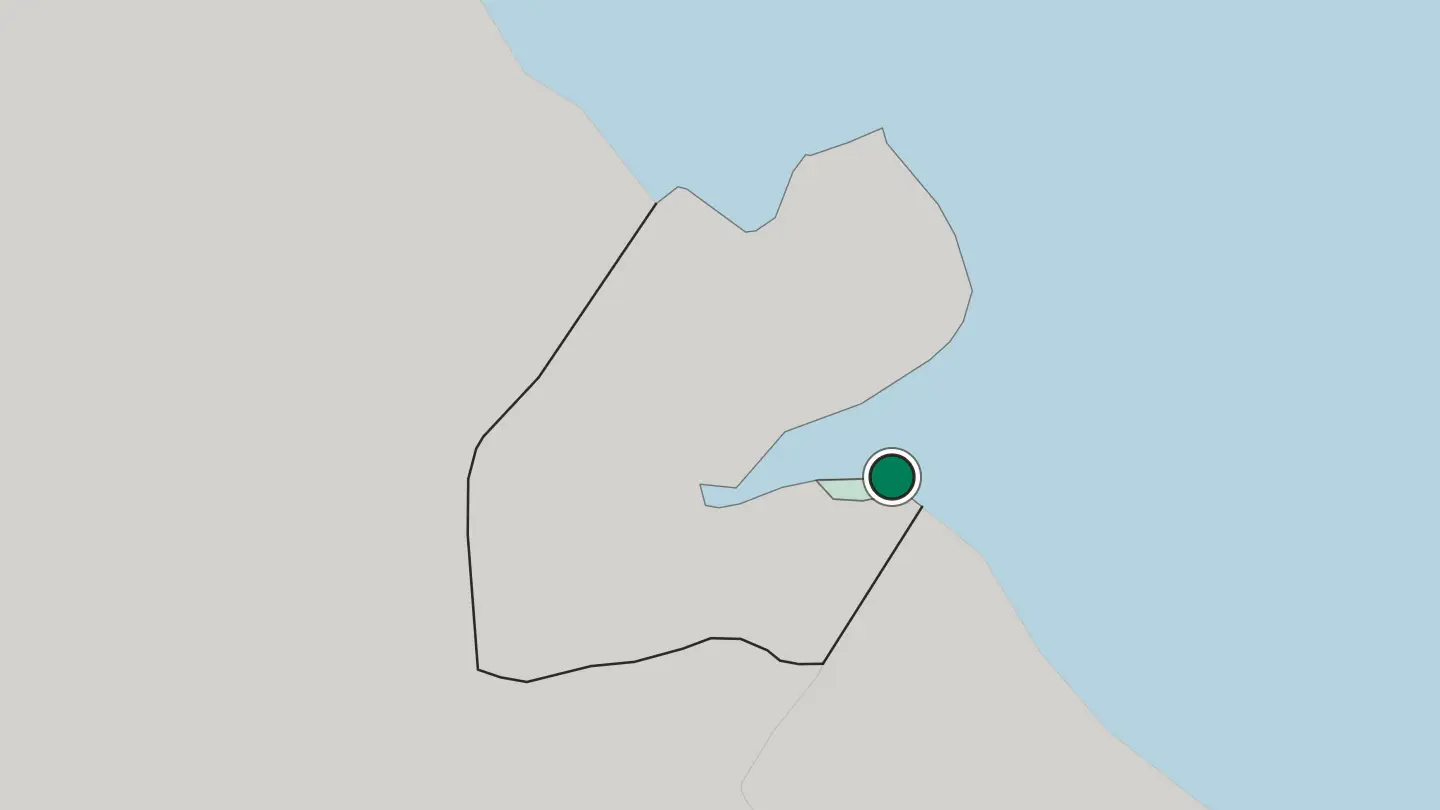
Hotel links are affiliate links: booking through them may earn us a commission, at no extra cost to you. It never affects how places are ranked. How this works
Browse by region
One region so far — open it to see its cities and towns.
About Djibouti
Djibouti trades on extremes.
What is Djibouti known for?
Lake Assal, ringed by white salt crust, sits lower than anywhere else in Africa, while Lake Abbé bristles with chimneys of steaming limestone out on the Ethiopian border. The capital, Djibouti City, guards one of the busiest shipping lanes on earth, and the Goda Mountains lift cool juniper forest above the baked coastal plain. Whale sharks gather in the Gulf of Tadjoura.
Few countries pack so much into so little ground.
Where is Djibouti?
Djibouti curls like a horseshoe around the Gulf of Tadjoura, an arm of the sea that all but splits the little country in two. The land divides into three broad grains. A hot coastal plain rings the capital and the southern shore, volcanic plateaus spread across the centre and south, and mountain ranges climb the north.
The Goda Mountains rise behind the northern coast, their high slopes cool enough to hold the juniper and wild olive of Day Forest National Park. Water shapes the interior in strange ways. Lake Assal, a crater lake fed by seepage from the sea, lies far below sea level and rims itself with a thick belt of salt that miners still cut by hand.
Out on the frontier with Ethiopia, Lake Abbé spreads its shallow brine among tall limestone chimneys that vent steam at dawn. The far north reaches its highest ground at Mousa Ali, a stratovolcano standing where Djibouti, Ethiopia, and Eritrea meet. Most of the surface is rock, lava, and scrub, with almost no farmland.
It is a country you read through fault lines and salt.
What is the history of Djibouti?
Two peoples have long shared this coast: the Afar of the north and inland plateaus, and the Somali Issa of the south. Their sultanates traded across the Gulf of Tadjoura for centuries, moving salt, coffee, and livestock between the Ethiopian highlands and the ports of the Red Sea. France arrived in the later nineteenth century.
Treaties with local Afar and Somali rulers gave Paris a foothold at Obock, then across the water at the deep-water anchorage that became Djibouti City, and the whole territory was drawn together as French Somaliland. The port grew to serve Ethiopia. A railway to Addis Ababa turned the young capital into the outlet for a landlocked empire, and that single line fixed the country's role as a gateway between sea and highland.
The colony was renamed the French Territory of the Afars and the Issas in the run-up to a long argument over its future. Independence came in 1977. The new Republic of Djibouti kept the port, the railway, and the delicate balance between its two founding peoples.
That balance still frames the country's politics. The old caravan crossroads had become a nation state.
What is Djibouti like?
Djibouti's culture grows from its two main peoples, the Afar and the Somali Issa, both Cushitic-speaking, mostly Muslim, and long shaped by pastoral life on hard ground. French and Arabic carry official business, while Afar and Somali fill the markets and the home. Hospitality sets the rhythm of daily life.
Guests are fed first and generously, meals are shared from a common platter, and the right hand does the eating in the East African manner. Food tells the country's mixed story plainly. The national dish is skoudehkaris, a lamb-and-rice stew reddened with tomato and warmed by cumin and cardamom, and the same spice cupboard flavours grilled goat and camel across the plateaus.
Djibouti City draws Somali, Afar, Yemeni, Ethiopian, and French cooking into one crowded set of streets, so a plate of pilau can sit beside French bread and sweet spiced tea. Poetry and oral verse carry weight among both Afar and Somali. Song, camel lore, and clan genealogy pass down by ear, not page.
The sea and the desert both leave their mark. It is a small country with many tongues at the table.
What is the climate of Djibouti?
Djibouti is one of the hottest countries on earth. A hot desert climate grips the coast and the low plains, with fierce, humid summers when the capital bakes well past 40 degrees Celsius. Rain is scarce and comes mostly in brief winter showers.
Only the Goda Mountains break the pattern, their height wringing enough moisture from the air to keep Day Forest green. The cooler months from about November to March are the time to travel. Heat rules the rest of the year.
How do you get to Djibouti?
For nearly all arrivals, Djibouti begins with a flight. Djibouti-Ambouli International Airport sits just outside the capital and carries the country's flights to the Gulf, East Africa, and Europe. The other classic approach runs by rail.
The electrified Addis Ababa-Djibouti Railway crosses from the Ethiopian highlands to the coast in a matter of hours, ending near Djibouti City after a journey that once took days. Ferries link the capital with Tadjoura and Obock across the gulf. Arrange your visa before you set out.
Good for
Updated September 2026