Dominican Republic · Provincia de La Altagracia
Where to Stay in Punta Cana, Provincia de La Altagracia
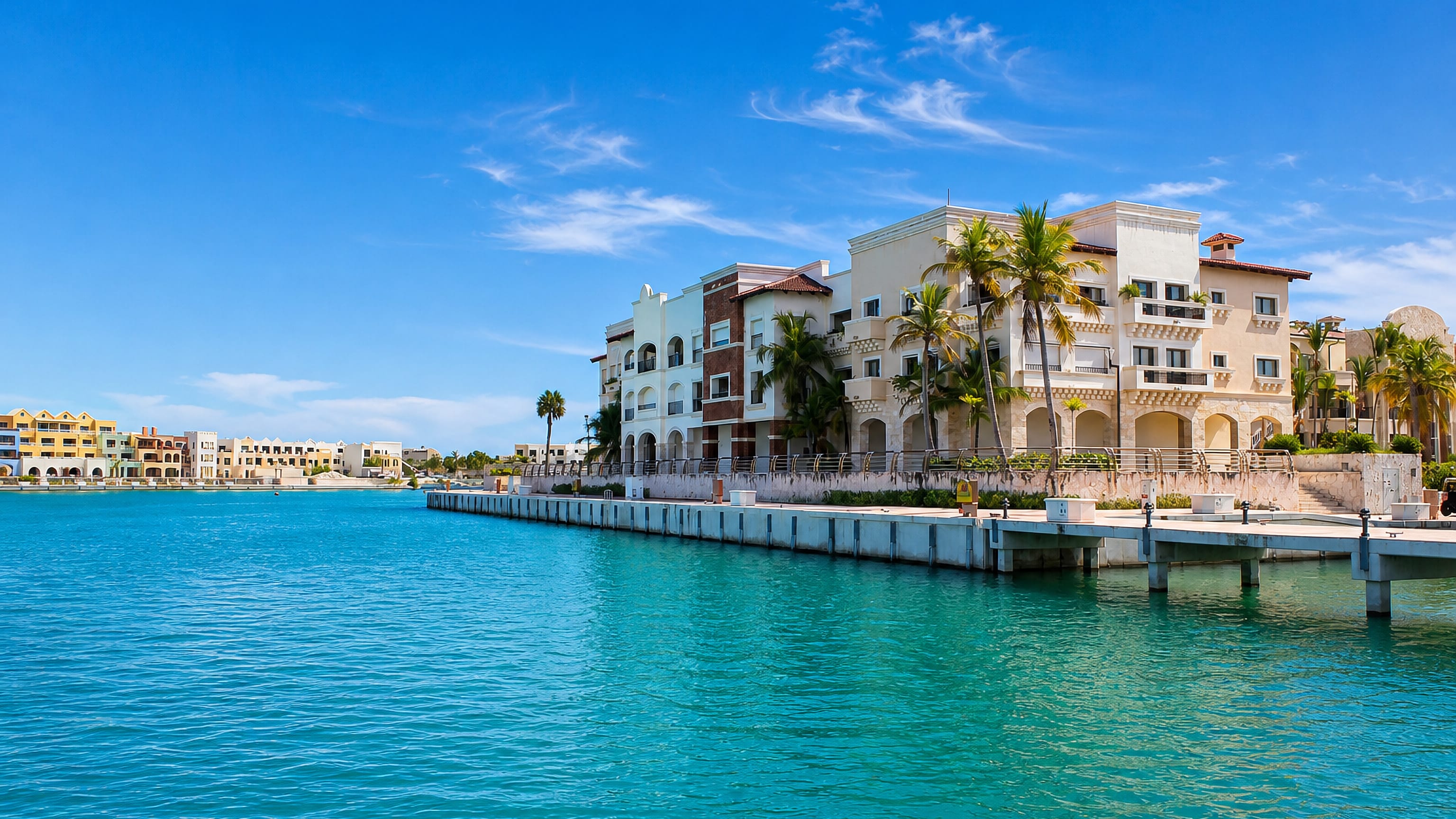
Punta Cana is a coastal city in Provincia de La Altagracia, on the Caribbean shore of Hispaniola in the Dominican Republic.
Hotel links are affiliate links: booking through them may earn us a commission, at no extra cost to you. It never affects how places are ranked. How this works


Where to stay in Punta Cana
How the choice of base plays out on the ground.
Punta Cana is a coastal city, and its shore is the reason to stay. The sea comes first. Rooms along the Caribbean edge of Provincia de La Altagracia put the warm water and the tropical light within easy reach, and travellers who want the beach at the centre of the trip base themselves on the shore of Hispaniola facing the open sea.
This is the eastern face of the Dominican Republic, where the island meets the Caribbean Sea. Inland from the shore, the wider municipality gives a quieter and more everyday footing in Provincia de La Altagracia. If the sea and the tropical warmth are the point, choose the coastal edge; if you want to sit back from the front and travel out to it, look to the land side of Punta Cana.
Both belong to the same city on the eastern reaches of Hispaniola, within the Dominican Republic.
Find hotels in Punta Cana
Direct booking searches for these neighbourhoods.
The Caribbean shore of Punta Cana
The seaward edge of Provincia de La Altagracia puts the open Caribbean Sea and year-round tropical light within reach of the room.Find hotels in The Caribbean shore of Punta CanaVisitors wanting a quieter base set back from the frontThe land side of Punta Cana
The inland reach of the municipality trades the seafront for an everyday footing in Provincia de La Altagracia, a short run from the shore.Find hotels in The land side of Punta CanaHotel links are affiliate links: booking through them may earn us a commission, at no extra cost to you. It never affects how places are ranked. How this works
About Punta Cana
What is Punta Cana known for?
Punta Cana is known as the Caribbean coast of the Dominican Republic, a warm tropical stretch on the island of Hispaniola. The sea sets the whole tone. Its shore within Provincia de La Altagracia faces the open Caribbean Sea, where the water stays warm the year round and the light comes off the Atlantic in long clear stretches.
The setting, not any single monument, is what the name means to most travellers.
What are the main landmarks in Punta Cana?
Punta Cana keeps its draw in the shore itself rather than in built monuments. The coastline is the landmark. Its beaches run along the Caribbean edge of Provincia de La Altagracia, where the warm sea meets the eastern reaches of Hispaniola in a long tropical strand.
The open Caribbean Sea, the reef-fringed water and the palm-backed sand are what define the place, set on the island the Dominican Republic shares.
What is the history of Punta Cana?
Punta Cana takes its identity from the coast rather than from an old founding date. The land here sits at the eastern reach of Hispaniola, the island the Dominican Republic shares with Haiti within the Greater Antilles, and its long human story is that of the wider island rather than of a single dated town. It is young.
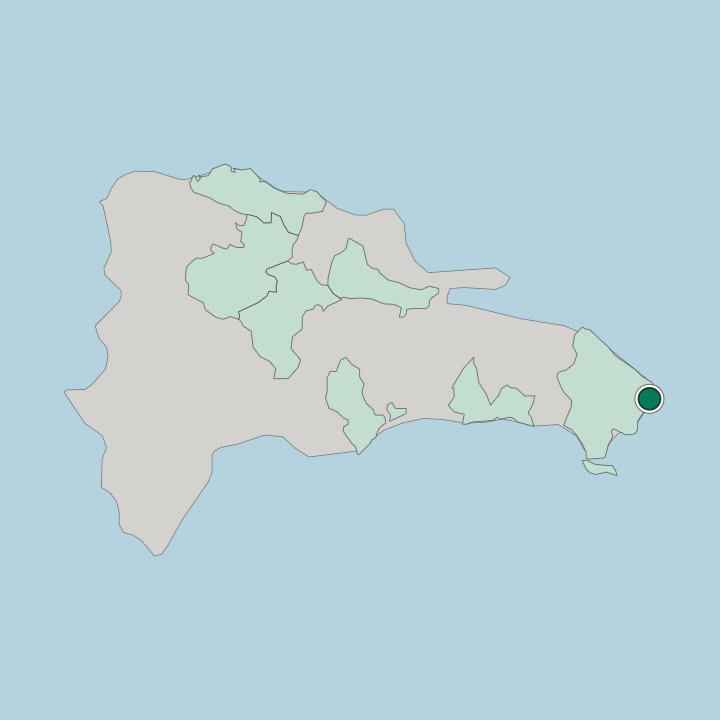
Provincia de La Altagracia, the province that holds Punta Cana, took its modern administrative form in 1961, giving the eastern Caribbean coast of the Dominican Republic its own regional seat. The place grew around the sea rather than around a walled core, and its history is bound to the tropical shore of Hispaniola, the Caribbean Sea at its front and the island at its back.
Where is Punta Cana?
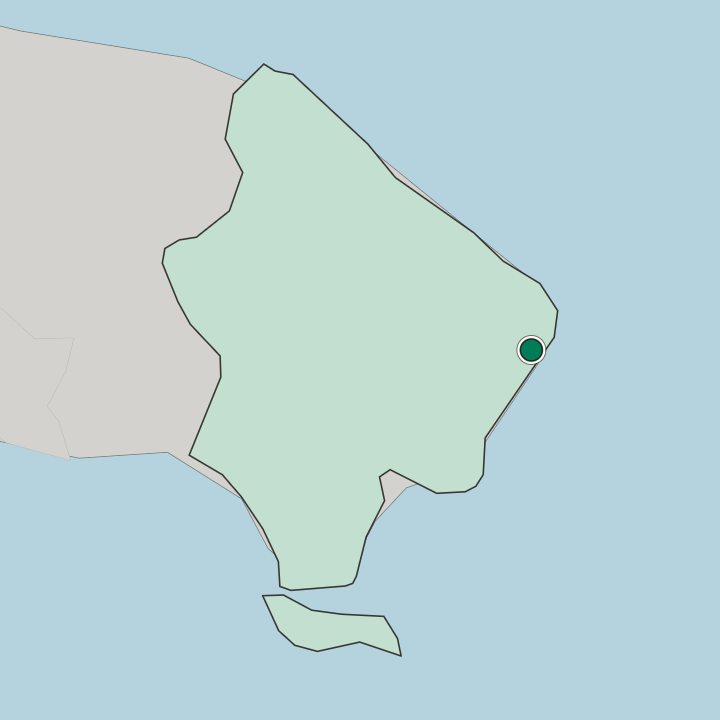
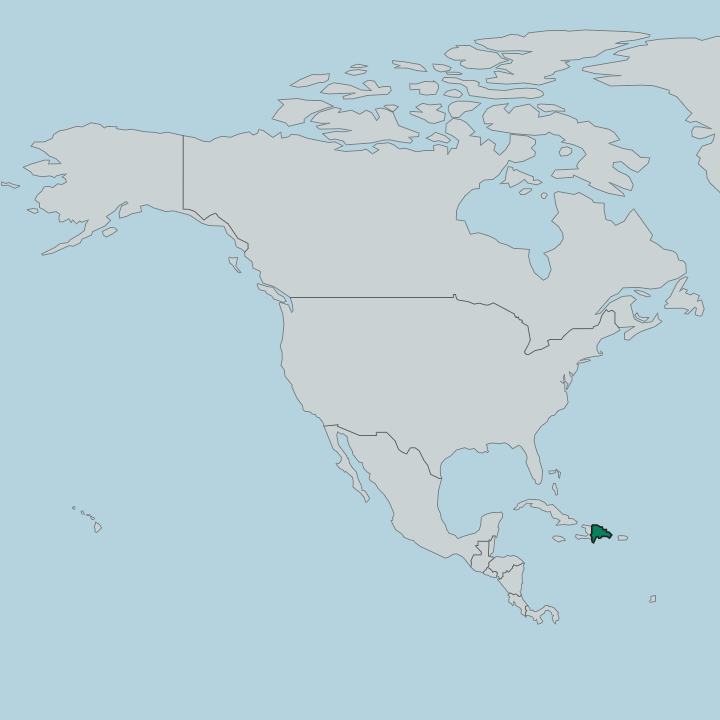
Punta Cana lies on the Caribbean coast of the Dominican Republic, at the eastern reach of the island of Hispaniola. It sits within Provincia de La Altagracia. The city opens onto the warm Caribbean Sea, part of the Greater Antilles, where the tropical shore of the island fronts the open water and the North Atlantic runs beyond.
Hispaniola is shared, and Punta Cana holds its eastern, seaward edge.
What is the climate of Punta Cana?
Punta Cana has a tropical climate, warm and humid the year round on the Caribbean shore of Hispaniola. The heat is constant. Seasons here divide by rain rather than by cold, with a drier, breezier stretch through the northern-hemisphere winter and heavier showers in the warmer months, when tropical storms can cross the Caribbean Sea toward the island.
The open water keeps the coast mild.
How do you get to Punta Cana?
Punta Cana is one of the main points of arrival on the eastern Caribbean coast of the Dominican Republic. Most travellers come by air. Flights reach the eastern end of Hispaniola directly, landing visitors near the shore of Provincia de La Altagracia within a short drive of the sea.
Coastal roads then link the city along the tropical edge of the island, and the open Caribbean adds sea approaches to the shore.
Common questions
What is the best area to stay in Punta Cana?
The Caribbean shore of Punta Cana: Beach-first travellers who want the warm Hispaniola coast at the centre of the stay. The land side of Punta Cana: Visitors wanting a quieter base set back from the front.
Good for
Another city in Provincia de La Altagracia
Updated September 2026