Haiti: Regions, Cities & Travel Guide
Haiti holds the western third of Hispaniola in the Caribbean, its mountains falling to the sea, with Port-au-Prince as capital.
Hotel links are affiliate links: booking through them may earn us a commission, at no extra cost to you. It never affects how places are ranked. How this works


Top destinations in Haiti
Cities to start from, then drill into areas and hotels.

 Haiti
Haiti
Port-au-Prince
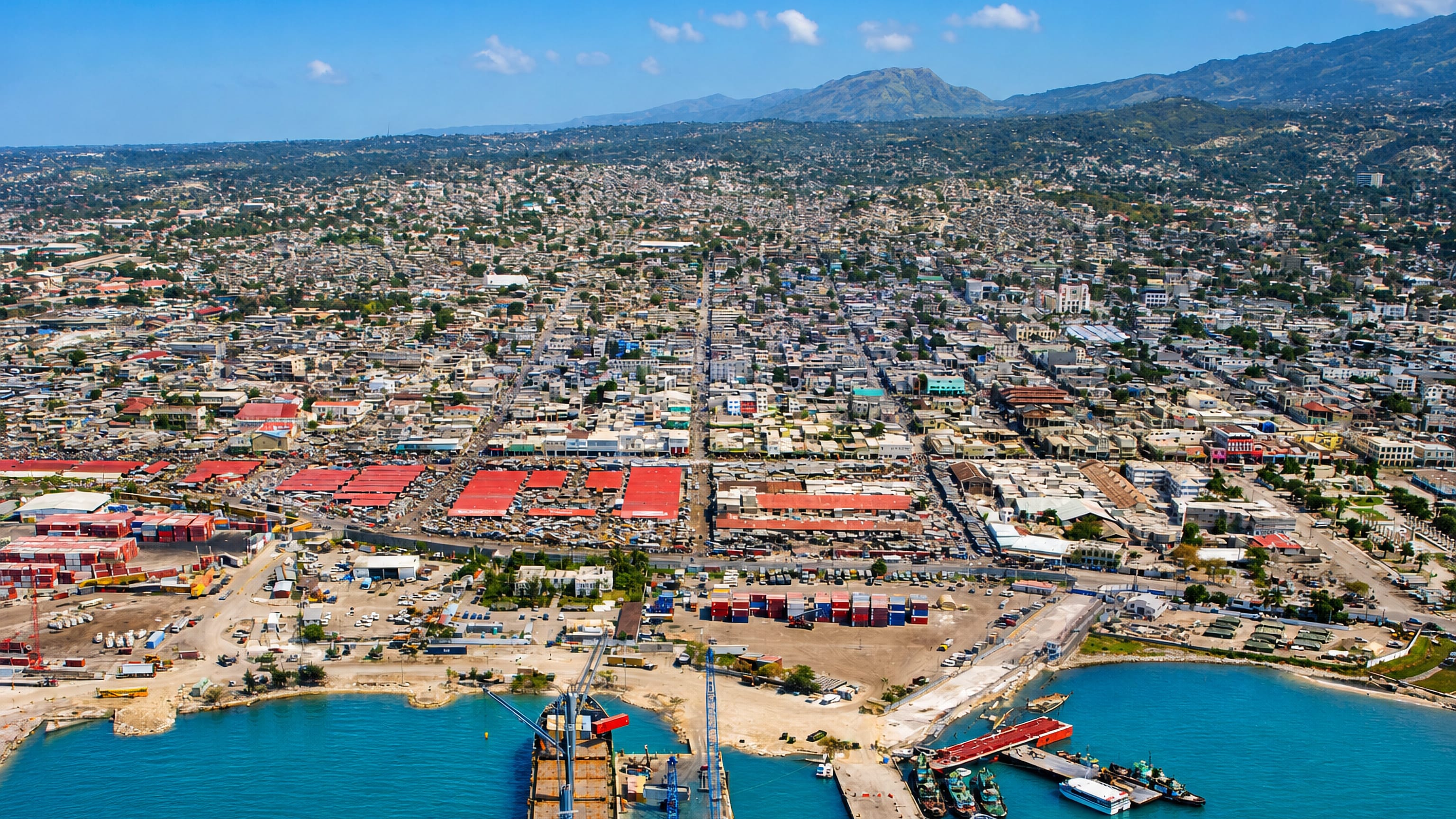
Port-au-Prince is the capital of Haiti, founded in 1749, seat of the Département de l'Ouest and centre of a metropolitan area of six communes.Where to stay →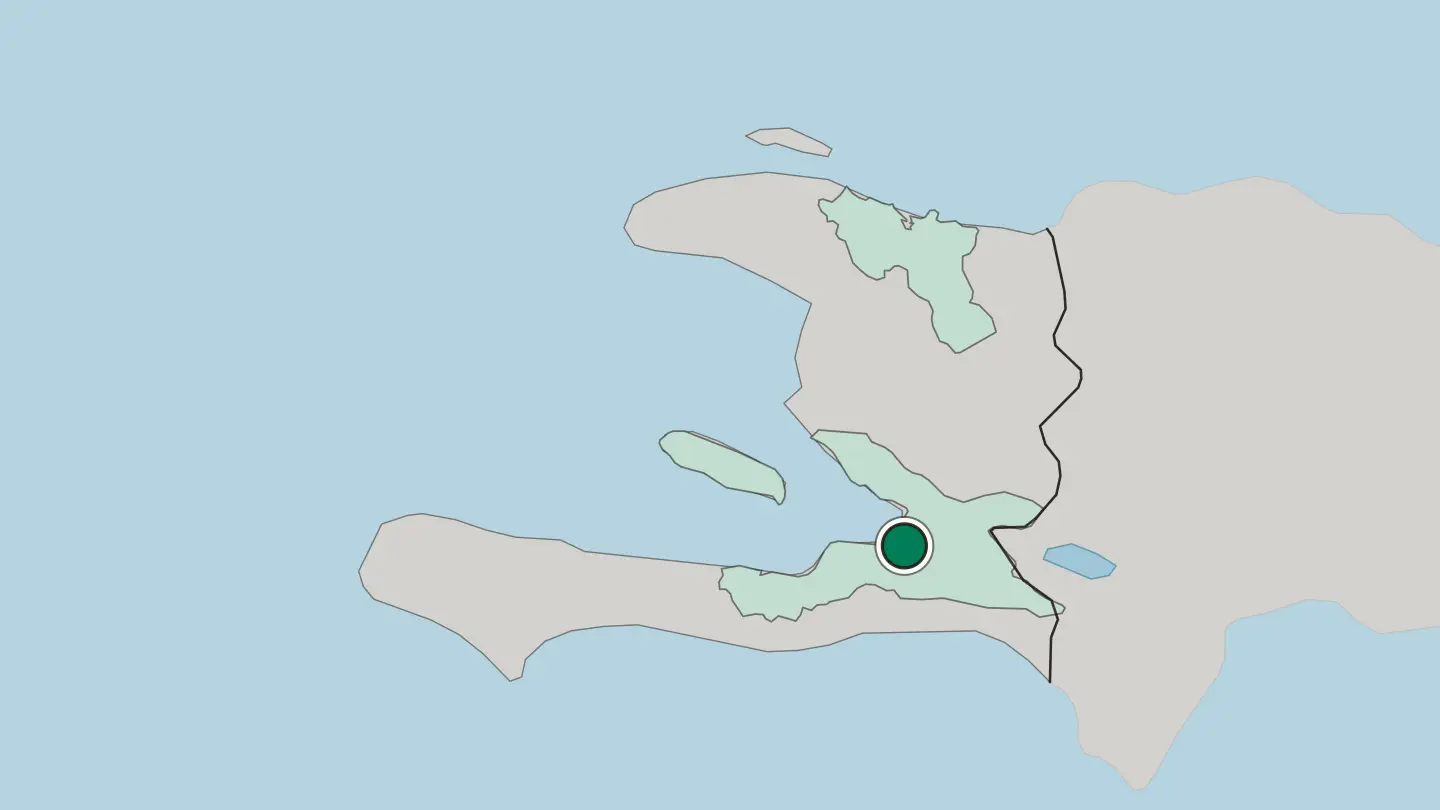
 Haiti
Haiti
Cap-Haïtien
Cap-Haïtien is the second city of Haiti and capital of the Nord department, on a bay of the northern coast, once the capital of Saint-Domingue.Where to stay →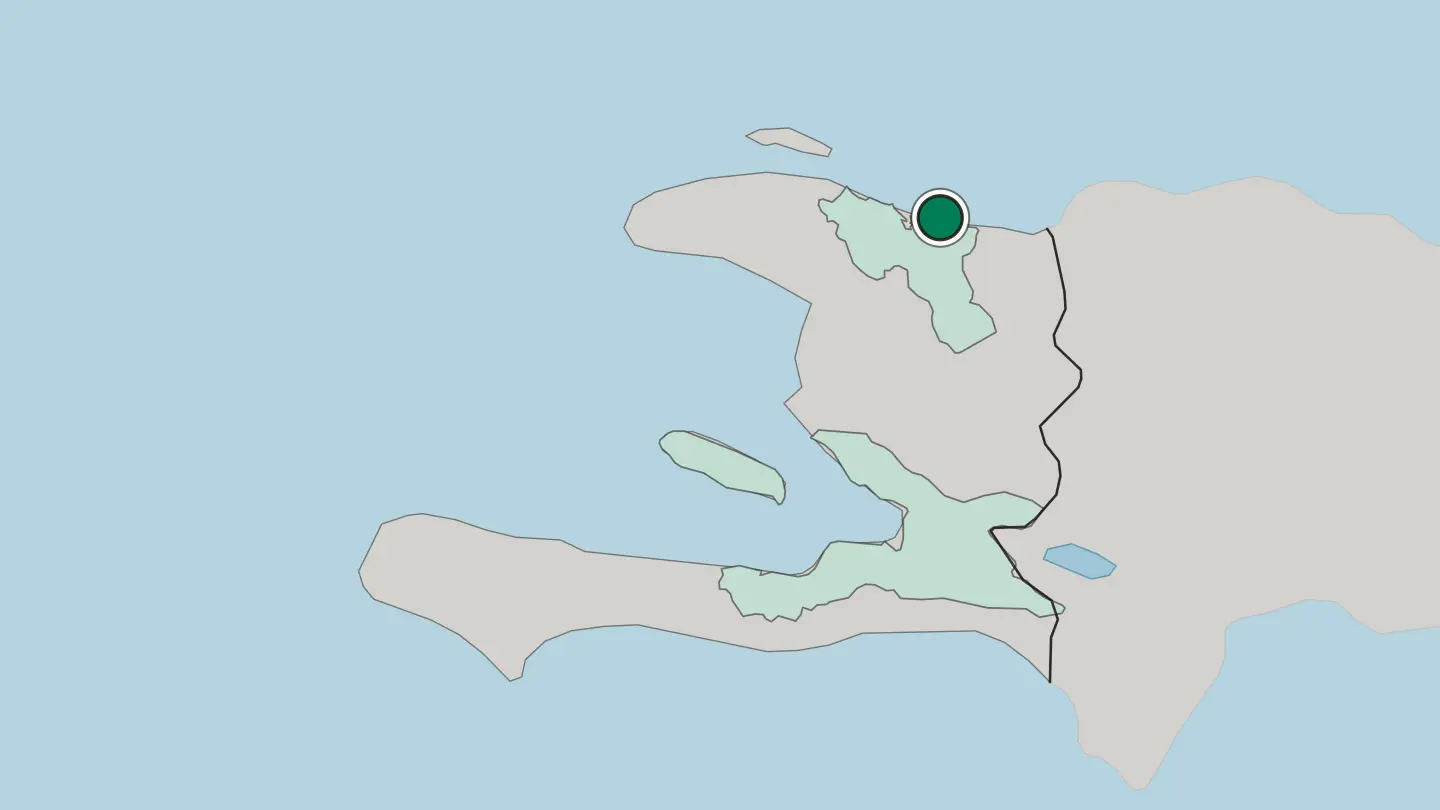
Hotel links are affiliate links: booking through them may earn us a commission, at no extra cost to you. It never affects how places are ranked. How this works
Regions of Haiti
Haiti
Département de l'Ouest
Département de l'Ouest, or Lwès, is one of the ten departments of Haiti, the link between the Great-North and the Tiburon Peninsula.Towns & cities →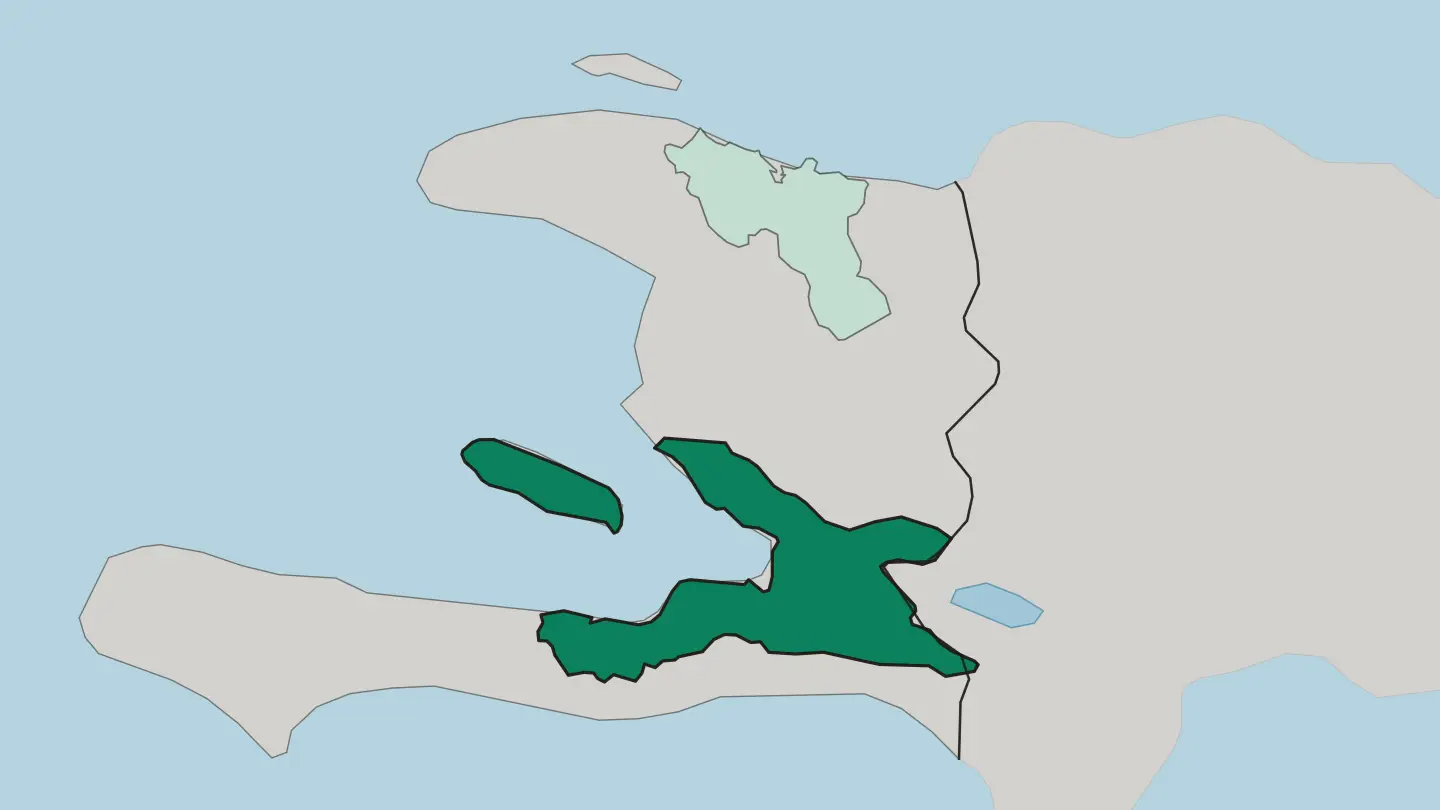 Haiti
Haiti
Nord
Nord is a department of Haiti. Its capital is Cap-Haïtien, and the department, also written Nò, is one of the ten that divide the country.Towns & cities →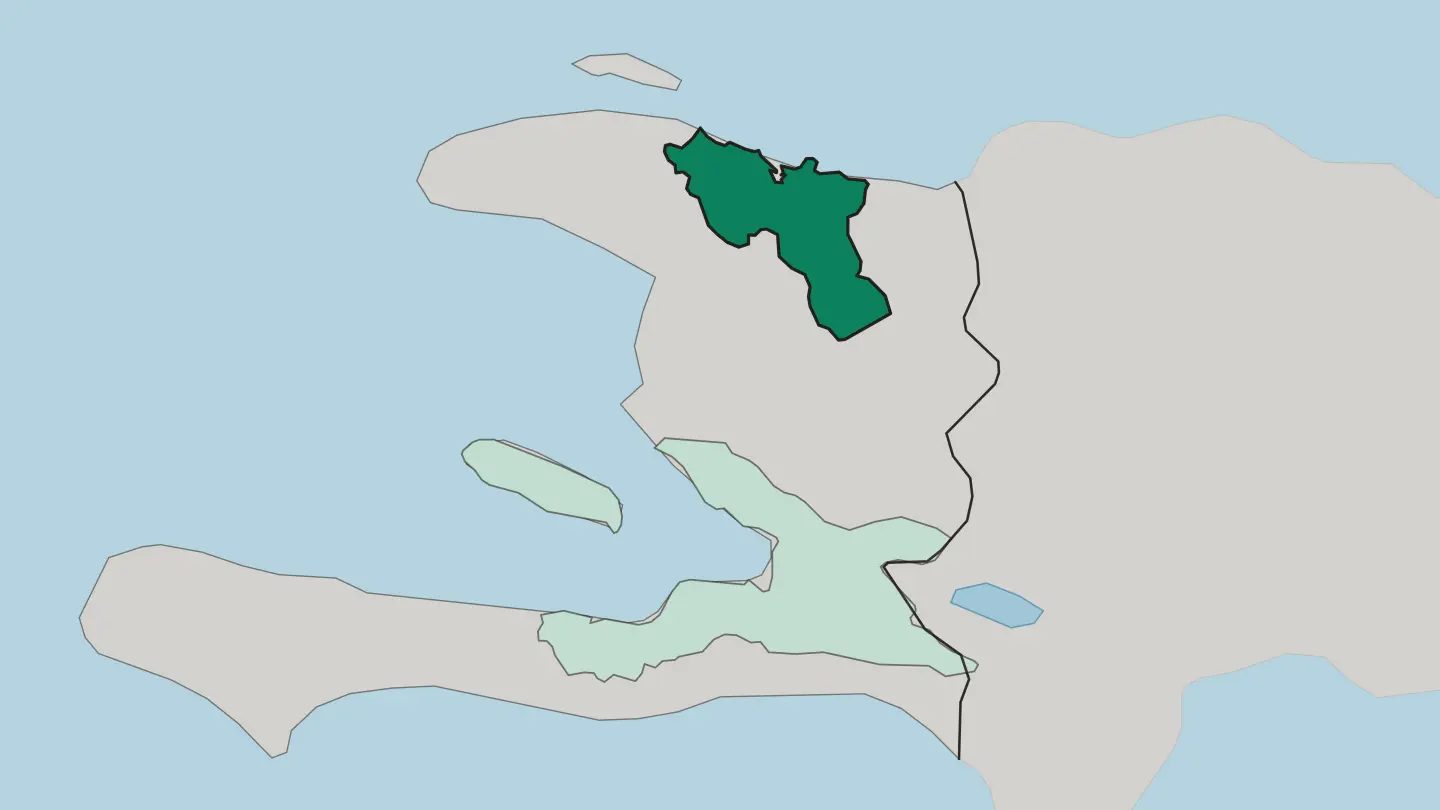
About Haiti
Haiti is the country a slave revolt built.
What is Haiti known for?
Its name means mountainous land in the Taíno tongue, and the ridges deliver: the Massif du Nord walls the north while the Chaîne de la Selle climbs to Pic la Selle in the south. Above Cap-Haïtien, Henri Christophe raised the Citadelle Laferrière on a peak, the largest fortress in the Americas. Down the coast, Jacmel keeps its cast-iron colonial façades and papier-mâché carnival masks.
Konpa carries the sound of the streets.
Where is Haiti?
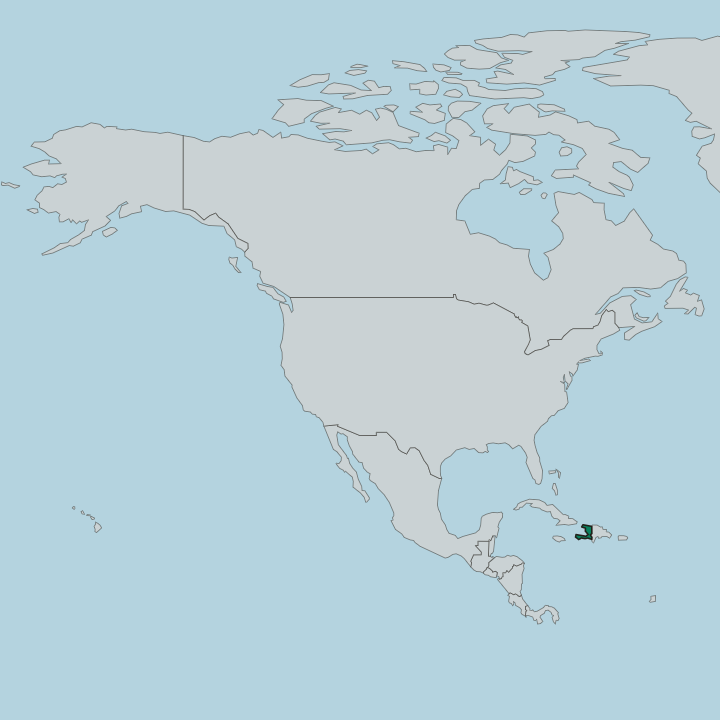
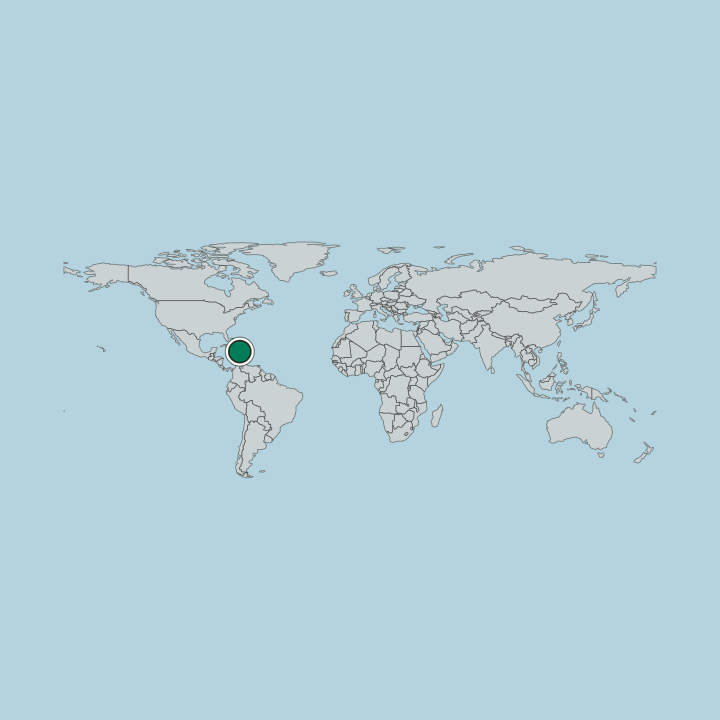
Haiti occupies the western third of Hispaniola, the second-largest island in the Caribbean, sharing a land border down the middle with the Dominican Republic. The shape on the map is a crab's claw, two long peninsulas pinching the Gulf of Gonâve between them, with the island of La Gonâve set in the water of that bay. Mountains dominate.
Four ranges run roughly west to east across the country, and between them lie the plains where most people live. In the north the Massif du Nord rises behind the Plaine du Nord and the port of Cap-Haïtien. The centre holds the Plateau Central, a highland basin drained by rivers.
Along the southern claw the Chaîne de la Selle climbs to Pic la Selle, the highest point in the country at 2,680 metres, while the parallel Massif de la Hotte carries some of the island's last cloud forest. The Artibonite, longest river of Hispaniola, gathers in the Dominican highlands and swings southwest through Haiti's rice-growing plain to reach the sea. Rivers here are mostly short and unnavigable, spilling straight off the ridges.
Because the high ground blocks the eastern trade winds, the Cul-de-Sac plain around Port-au-Prince and the northwestern tip fall into a dry rain shadow, cactus country beside the mountain forest. From coast to summit the land changes fast.
What is the history of Haiti?
Haiti is the only nation born of a victorious slave uprising. As the French colony of Saint-Domingue, the western third of Hispaniola grew rich on sugar and coffee worked by enslaved Africans, the most profitable colony in the Caribbean and the cruellest. In August 1791 that system broke.
An uprising in the northern plain spread into a thirteen-year war, and from its ranks rose Toussaint Louverture, a formerly enslaved general who came to govern the colony before the French seized him and let him die in a cold Alpine prison. His lieutenant finished the work. On the first day of 1804, at Gonaïves, Jean-Jacques Dessalines declared independence and restored the island's Taíno name, Haiti, founding the first Black republic and the second independent state in the Americas.
What came after was hard-won and often hard. Henri Christophe crowned himself king in the north and drove the country to build the Citadelle Laferrière and the Sans-Souci Palace, a mountaintop declaration that the freedom would be defended. France later extracted a crushing indemnity in exchange for recognition, a debt that bled the young state for generations.
Coups, occupation, and earthquakes have marked the centuries since. The founding act still defines the place.
What is Haiti like?
Haitian culture is a creole forged from African, French, and Taíno strands under one demanding history. Nearly everyone speaks Haitian Creole, the mother tongue built on a French vocabulary with West African grammar, and it shares official status with French. Faith runs on two tracks at once.
Many Haitians keep a Christian church and Haitian Vodou together, the second not the horror-film cartoon but a structured religion of ancestral spirits, drumming, and ceremony that helped bind the enslaved into the army that won 1804. Music carries the mood of the country. Konpa, the swaying dance genre codified in the 1950s, fills the sound system, while rara bands take to the roads at Easter with bamboo trumpets and drums.
Painting and sculpture are national obsessions, from the bright canvases of the mid-century masters to the recycled-steel figures cut in the metalworkers' yards. Jacmel builds its carnival around giant papier-mâché masks. The table is its own tradition.
On the first of January every household eats soup joumou, the pumpkin-and-beef soup once forbidden to the enslaved, listed by UNESCO as intangible heritage; everyday plates run to griot, fried marinated pork, and diri ak djon djon cooked with black mushrooms. Creativity here is a form of survival.
What is the climate of Haiti?
Haiti runs tropical, warm all year, with the terrain carving it into wet and dry pockets. December through February is the driest stretch, while the heavy rains arrive in spring and return more lightly in the autumn. The mountains rule the pattern.
Where the Chaîne de la Selle blocks the eastern trade winds, the Cul-de-Sac plain and the northwestern peninsula stay parched, some corners drawing less rain in a year than a temperate town. From June into November comes hurricane season, when Atlantic storms can cross Hispaniola. Altitude is the great cooler.
How do you get to Haiti?
Most arrivals land at Port-au-Prince, where Toussaint Louverture International Airport is the country's main gateway and the hub of its domestic carriers. The north has its own door. Cap-Haïtien's international airport, renamed for Hugo Chávez, brings travellers straight to the Citadelle Laferrière without the long mountain drive from the capital.
Cruise ships call separately at the Labadie peninsula on the northern coast. Overland, a single highway crosses the border from the Dominican Republic. Between Haitian regions, flying skips the ridges.
Good for
Updated September 2026