Dominican Republic · Provincia Duarte
Where to Stay in San Francisco de Macorís, Provincia Duarte
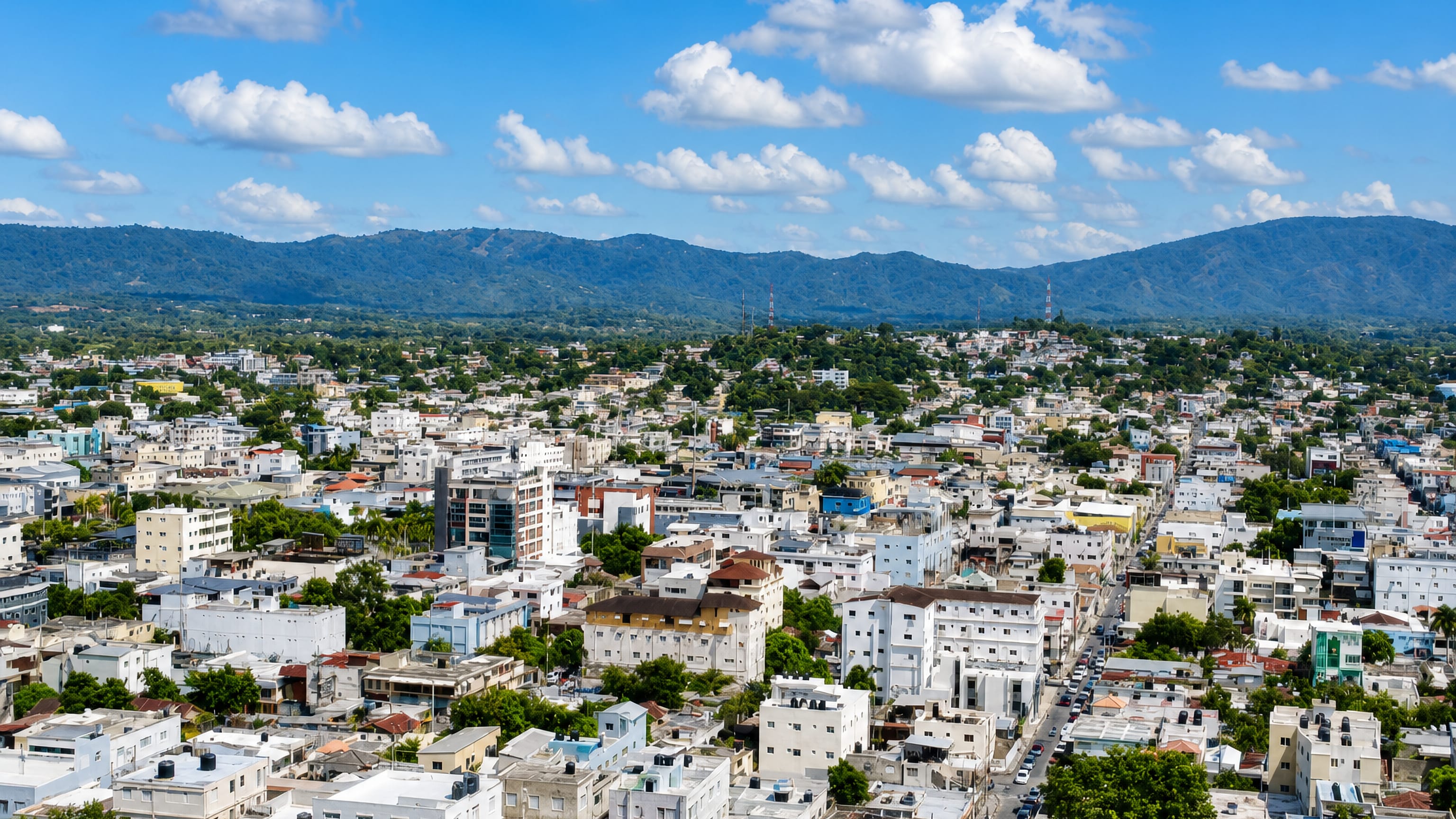
San Francisco de Macorís stands in the Cibao, capital of Duarte Province, its name joining Saint Francis to Macorix, the old name of the territory.
Hotel links are affiliate links: booking through them may earn us a commission, at no extra cost to you. It never affects how places are ranked. How this works


Where to stay in San Francisco de Macorís
The practical side of choosing where to sleep.
The Estadio Julian Javier sets the one date worth planning around. When it fills, a room within walking distance is worth more than anything the centre offers, and that is the one night in the year when the choice of address really changes the evening. The rest of the year, the centre wins on every count.
Rooms near the offices of Duarte Province put the markets, the business and the food within a few blocks, and almost every bed in the city is in that part of it anyway. Duarte Province is administered from those same blocks. Plain is the standard.
This is a Dominican provincial capital of the sixth rank rather than a resort, so the list runs short and the rooms are built for people working rather than for people looking. Nobody should arrive expecting the range of the coast. The edges suit drivers.
Beds out that way reach the smaller towns of the province before they reach the centre, which makes sense for a trip built around the Cibao rather than around San Francisco de Macorís itself. If you are here for the stadium, take the streets beside it.
Find hotels in San Francisco de Macorís
Direct booking searches for these neighbourhoods.
The provincial centre
The provincial offices, the markets and the everyday trade of San Francisco de Macorís sit in these few blocks.Find hotels in The provincial centreThe nights the Estadio Julian Javier is fullBeside the Estadio Julian Javier
A room beside the Estadio Julian Javier turns the city's one big fixture into a short walk.Find hotels in Beside the Estadio Julian JavierDrivers based here for the smaller towns of Duarte ProvinceThe road edges
Rooms on this edge of San Francisco de Macorís reach Duarte Province's small towns before they reach its centre. Few places to stay nearby — book ahead.Find hotels in The road edgesHotel links are affiliate links: booking through them may earn us a commission, at no extra cost to you. It never affects how places are ranked. How this works
About San Francisco de Macorís
The name explains the place.
What is San Francisco de Macorís known for?
San Francisco de Macorís joins Saint Francis, patron of the Franciscan Order, to Macorix, the older name for the territory the city grew on. Duarte Province is run from here. The Estadio Julian Javier is the venue the city fills, and the Cibao around it supplies the trade that keeps a provincial capital of this size at work.
What are the main landmarks in San Francisco de Macorís?
One stadium, one name. The Estadio Julian Javier is the single built landmark San Francisco de Macorís offers a visitor, and on the nights it fills, it is where the city's whole social calendar collapses into one address. Everything else is the ordinary fabric of a provincial capital.
Streets, markets and the offices of Duarte Province are what fill the days here, with the Cibao and its small towns providing the day trips that a longer stay would need.
What is the history of San Francisco de Macorís?
The founding date is 1778. San Francisco de Macorís belongs to the last quarter of the eighteenth century, and its name records two much older things: Saint Francis, patron of the Franciscan Order, and Macorix, the name the territory carried before any town stood on it. Two traditions, one name.
That pairing of a European saint with an older local word is written into the city's title and has never been dropped from it. Rank came later. San Francisco de Macorís became the capital of Duarte Province and grew into the sixth largest city of the Dominican Republic, which gives it more weight in the Cibao than its short list of monuments would suggest.
Administration concentrates things. The offices, the courts and the markets of a whole province have been transacted here long enough that the pattern is fixed, and the city has kept growing on that basis rather than on any single industry. The Estadio Julian Javier belongs to the modern city.
It holds the largest crowd San Francisco de Macorís gathers in one place, and it is the building most visitors will actually recognise.
Where is San Francisco de Macorís?
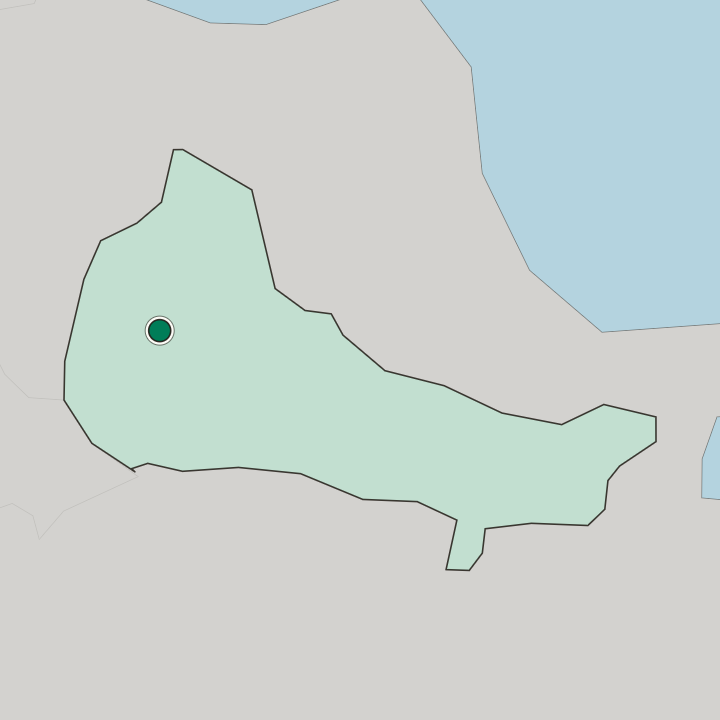
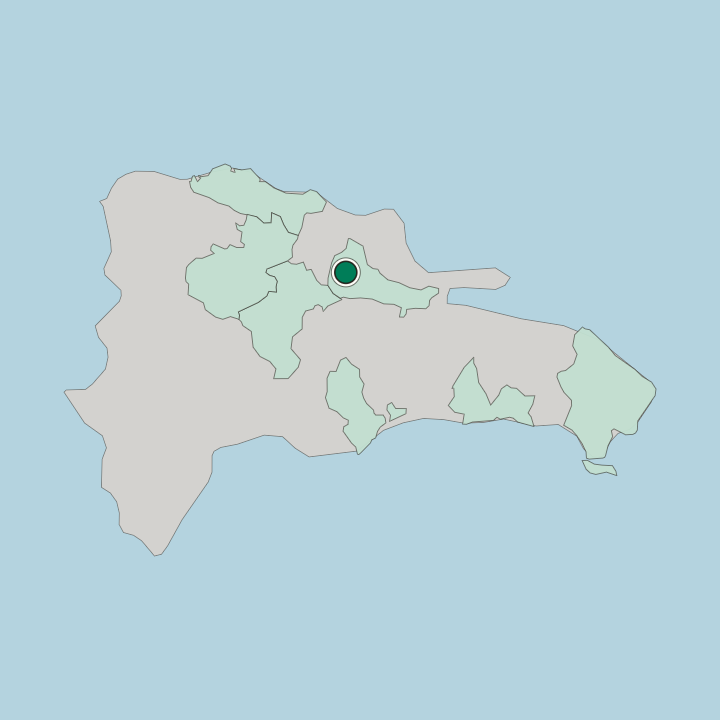
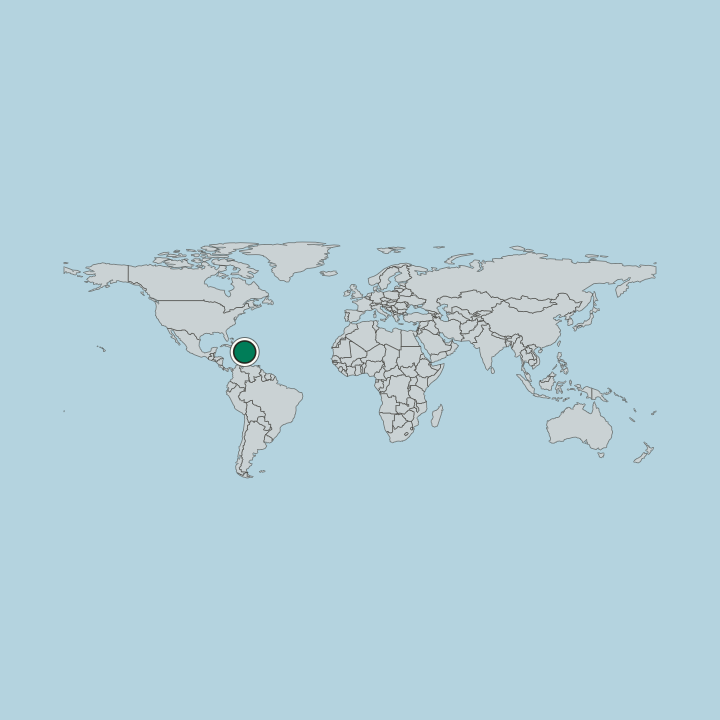
The Cibao does the framing. San Francisco de Macorís lies in that region, in the northeast portion of the country, on the ground that Duarte Province administers from this city. The province spreads around it.
Farms and small towns take up most of that area, the Estadio Julian Javier and the working streets keep to one compact part of it, and Macorix was the name the territory carried before the city took its own.
What is the climate of San Francisco de Macorís?
Green is the constant here. The Cibao keeps its colour through the year because the wet months arrive reliably rather than as an event, and San Francisco de Macorís sits in the middle of that. Heat is steady, not extreme.
What changes between January and August is the frequency of the afternoon downpour, and an evening at the Estadio Julian Javier is more likely to be humid than cool at any point in the calendar.
How do you get to San Francisco de Macorís?
Roads carry every arrival. San Francisco de Macorís sits in the Cibao, so arrivals are overland from whichever direction a traveller starts, and the routes are ordinary provincial ones rather than anything laid on for visitors. Downtown is easily walked.
The Estadio Julian Javier and the offices of Duarte Province are close enough to cover on foot, while the small towns scattered through the province need transport of their own.
Common questions
What is the best area to stay in San Francisco de Macorís?
The provincial centre: Working days around the offices of Duarte Province. Beside the Estadio Julian Javier: The nights the Estadio Julian Javier is full. The road edges: Drivers based here for the smaller towns of Duarte Province.
Updated September 2026