Dominican Republic · Santiago
Where to Stay in Santiago de los Caballeros, Santiago
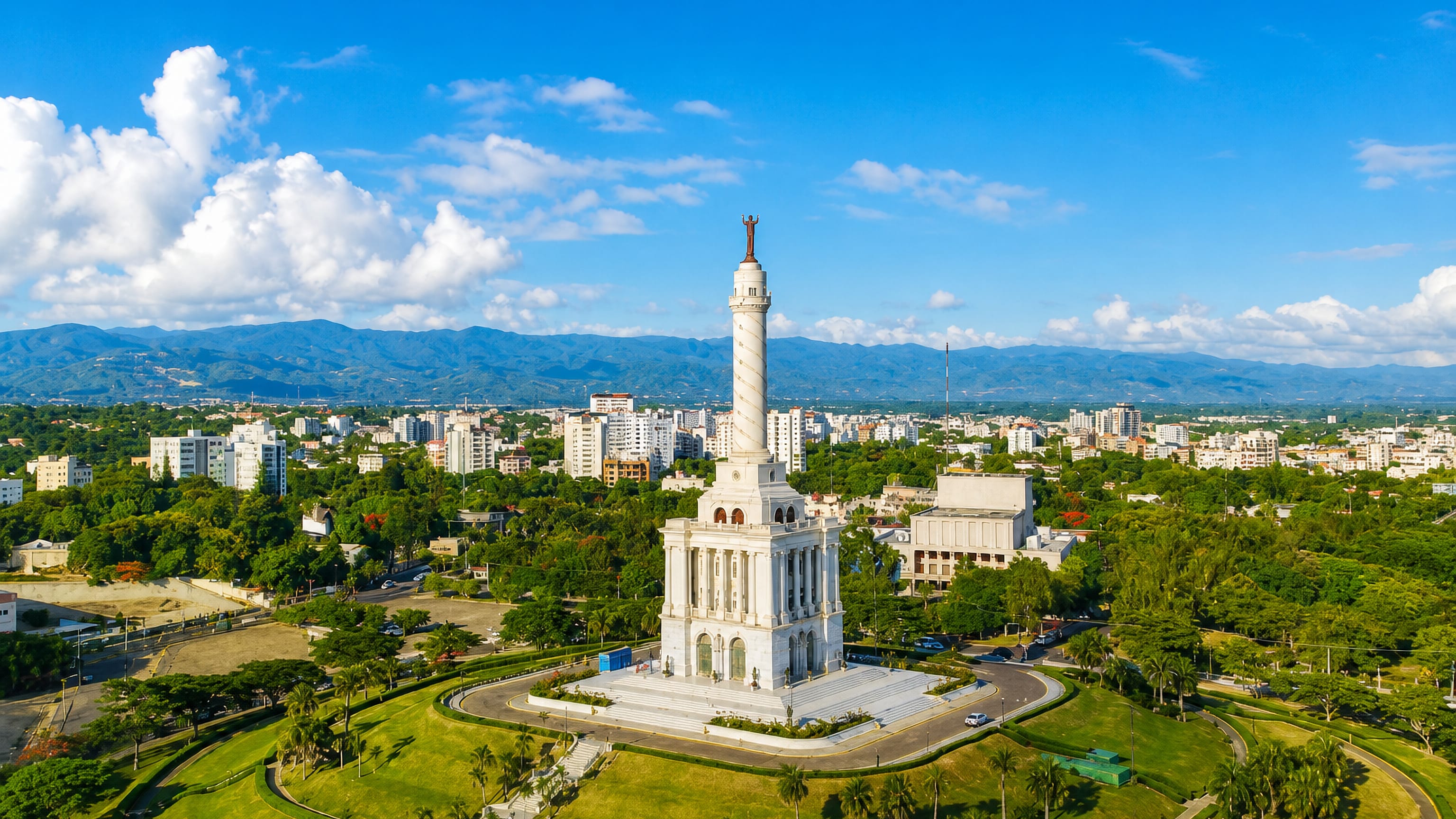
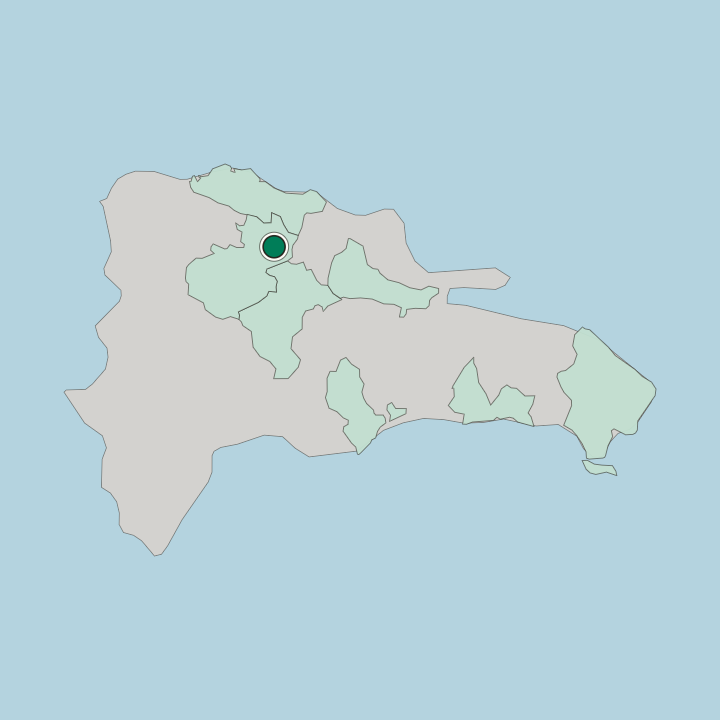
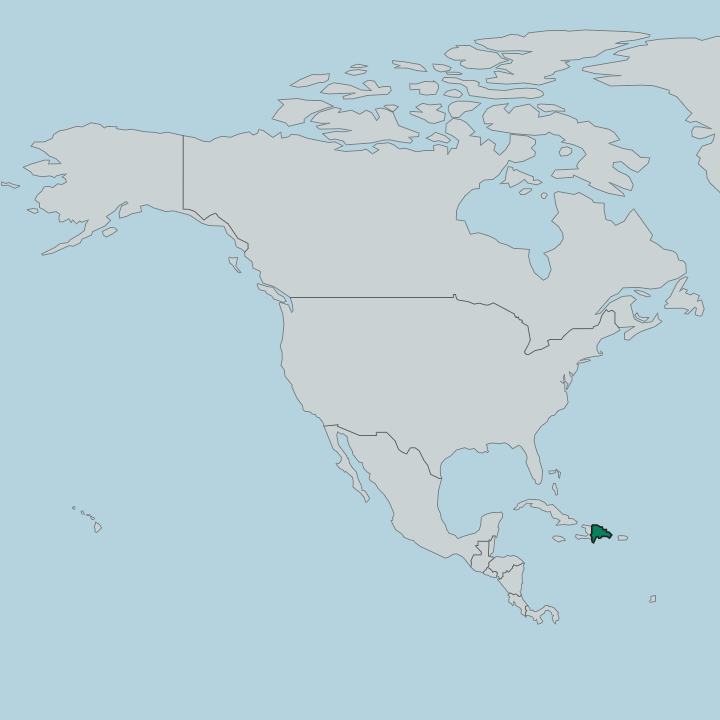
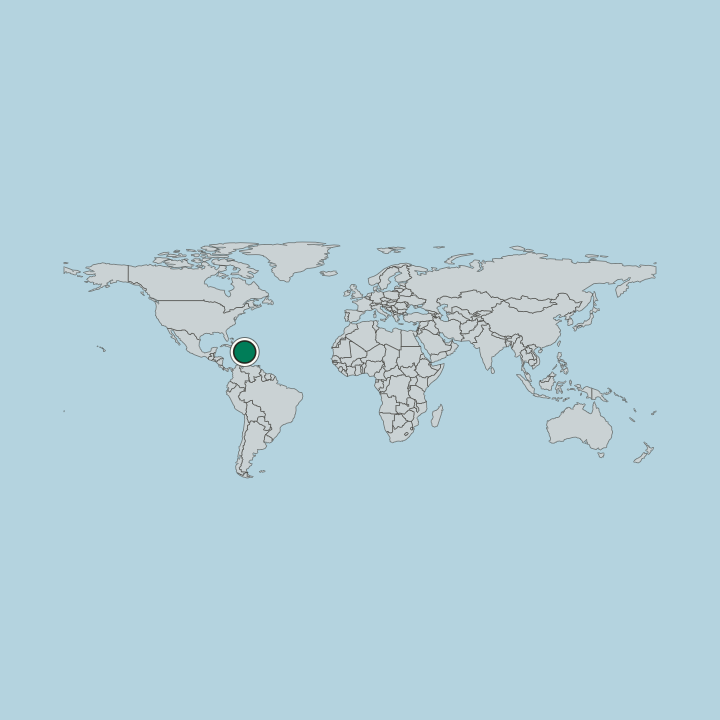
Santiago de los Caballeros stands inland in the Cibao, northwest of Santo Domingo, a Spanish foundation of 1495 marked by the Monumento de Santiago.
Hotel links are affiliate links: booking through them may earn us a commission, at no extra cost to you. It never affects how places are ranked. How this works


Where to stay in Santiago de los Caballeros
How the choice of base plays out on the ground.
The old centre is the default. Fortaleza San Luis, the classic Caribbean Spanish blocks around it and the climb towards the Monumento de Santiago sit close enough together that one base covers all three, and that is the choice most first visits make. Rooms there face the street.
The Centro Cultural Eduardo León Jimenes is a short ride from the same streets, which matters if galleries rather than fortifications are the reason for the trip. Santo Domingo is far enough that an overnight here is a decision, not a fallback. Event nights pull the other way.
Beds near the Estadio Cibao and the Gran Arena del Cibao trade the walkable centre for a short trip home after a match or a concert, and anyone arriving for one of those will feel the difference at midnight. San Francisco de Jacagua lies further out again. Santiago de los Caballeros is a working provincial capital rather than a resort, so its rooms cluster where its business is, and the Cibao around it has no beach strip to compete with them.
If you want the fort and the monument on foot, stay in the middle.
Find hotels in Santiago de los Caballeros
Direct booking searches for these neighbourhoods.
Around Fortaleza San Luis
The fort, the old shuttered streets and the climb towards the Monumento de Santiago all begin from these blocks.Find hotels in Around Fortaleza San LuisGallery mornings at the Centro Cultural Eduardo León Jimenes before the fortTowards the Centro Cultural Eduardo León Jimenes
A base at this end puts the Centro Cultural Eduardo León Jimenes ahead of the old centre in the day's order.Find hotels in Towards the Centro Cultural Eduardo León JimenesMatch nights at the Estadio Cibao and shows at the Gran Arena del CibaoBy the Estadio Cibao
Rooms out here shorten the trip home from the Estadio Cibao and the Gran Arena del Cibao after an evening event. Rooms are few around here — worth securing early.Find hotels in By the Estadio CibaoHotel links are affiliate links: booking through them may earn us a commission, at no extra cost to you. It never affects how places are ranked. How this works
Things to do in Santiago de los Caballeros
Ranked by global recognition; descriptions from Wikidata (CC0).
Museums & Galleries
2- Centro Cultural Eduardo León Jimenes
- Fortaleza San Luis
Castles & Historic Sites
1- Monumento de Santiago
Stadiums & Sports
2- Estadio Cibao
- Gran Arena del Cibao
worth knowingacross 3 categories in Santiago de los Caballeros
About Santiago de los Caballeros
Size is the first fact here.
What is Santiago de los Caballeros known for?
Santiago de los Caballeros ranks second among Dominican cities and stands as the largest metropolis of the Cibao, the inland region it serves as a market and a stage. The Estadio Cibao and the Gran Arena del Cibao carry its crowds, and the Centro Cultural Eduardo León Jimenes carries its exhibitions. Fortaleza San Luis holds older ground.
San Francisco de Jacagua belongs to the same early layer.
What are the main landmarks in Santiago de los Caballeros?
Six names cover most visits. Fortaleza San Luis and San Francisco de Jacagua are the historical pair, the Centro Cultural Eduardo León Jimenes holds the exhibitions, and the Monumento de Santiago is the city's set-piece marker. Crowds go elsewhere.
The Estadio Cibao and the Gran Arena del Cibao take the evening trade, and each of them draws a crowd from well beyond Santiago Province.
What is the history of Santiago de los Caballeros?
The date is 1495. Santiago de los Caballeros belongs to the first years of Spanish settlement on the island, which makes it older than almost everything standing in it and explains why the city's identity rests on a founding date rather than on a single building. San Francisco de Jacagua carries that oldest name.
The streets that followed took the classic Caribbean Spanish manner of building, and enough of it survives that the older quarters read differently from the newer ones spreading out around them. Defence came next. Fortaleza San Luis is the surviving military work, set on the ground a garrison would hold in a city with no harbour to guard and open country to watch instead.
Then came the merchants. Santiago de los Caballeros grew into the market of the whole Cibao and then into the second city of the Dominican Republic, and the Caribbean holds no larger city that is not a capital. The Monumento de Santiago belongs to that later confidence, and the Centro Cultural Eduardo León Jimenes to a later stage again, when a provincial capital could keep galleries of its own.
Two arenas followed. The Estadio Cibao and the Gran Arena del Cibao are the newest layer, and they gather the city in numbers nothing older can match.
Where is Santiago de los Caballeros?
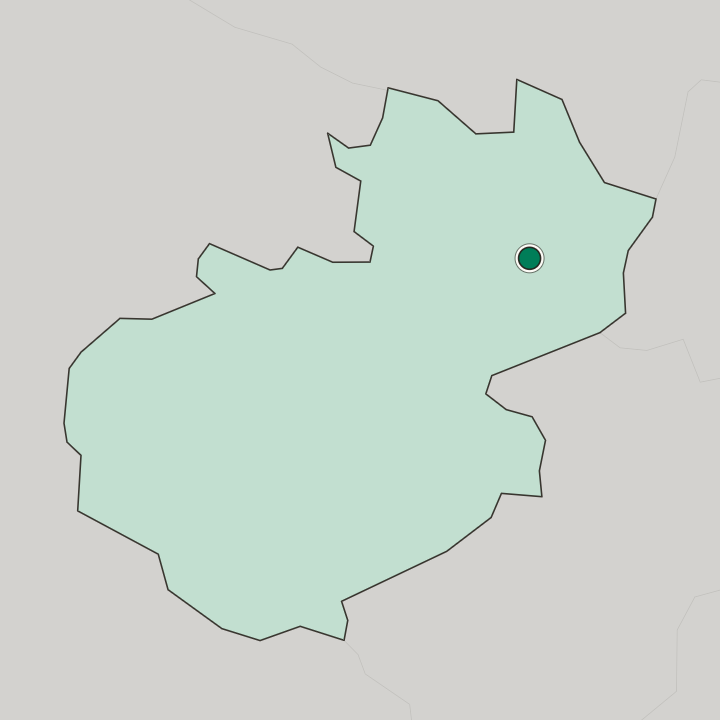
Height and distance define the setting. Santiago de los Caballeros stands well northwest of Santo Domingo at a modest elevation, the largest city of the Cibao and the largest metropolis in the Caribbean islands without a coast. It sits entirely inland.
Fortaleza San Luis and the Centro Cultural Eduardo León Jimenes sit within the built middle, while San Francisco de Jacagua lies outside it, and Santiago Province spreads around the whole.
What is the climate of Santiago de los Caballeros?
Distance from the sea does the work here. The Cibao keeps Santiago de los Caballeros away from the sea breeze that moderates the Dominican coast, so afternoons build more heat than they do beside the water at Santo Domingo. Evenings ease.
Well inside the tropics, the city trades a cold season for a wet one, and the gap between January and July counts for less than the gap between a dry week and a soaked one.
How do you get to Santiago de los Caballeros?
Most arrivals come up from Santo Domingo. The road northwest from the capital is the standard approach, and it runs long enough that the journey counts as a leg of its own rather than a day errand. Nothing arrives by sea.
Inside Santiago de los Caballeros the older streets around Fortaleza San Luis hold together, while the Estadio Cibao, the Gran Arena del Cibao and San Francisco de Jacagua sit apart from them and want wheels.
Common questions
What is the best area to stay in Santiago de los Caballeros?
Around Fortaleza San Luis: First visits that want Fortaleza San Luis and the old Caribbean Spanish blocks on foot. Towards the Centro Cultural Eduardo León Jimenes: Gallery mornings at the Centro Cultural Eduardo León Jimenes before the fort. By the Estadio Cibao: Match nights at the Estadio Cibao and shows at the Gran Arena del Cibao.
Good for
Updated October 2026