Dominican Republic
Santiago, Dominican Republic — Towns & Travel Guide
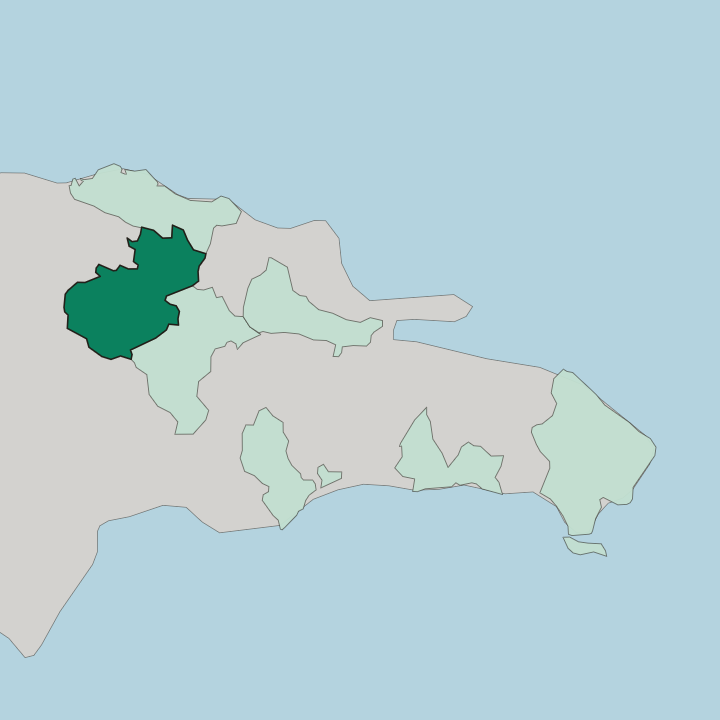
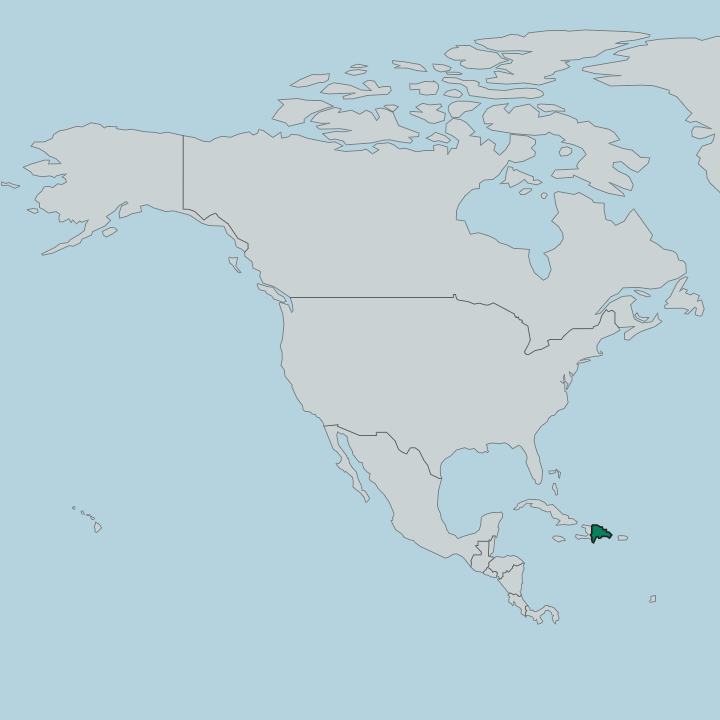
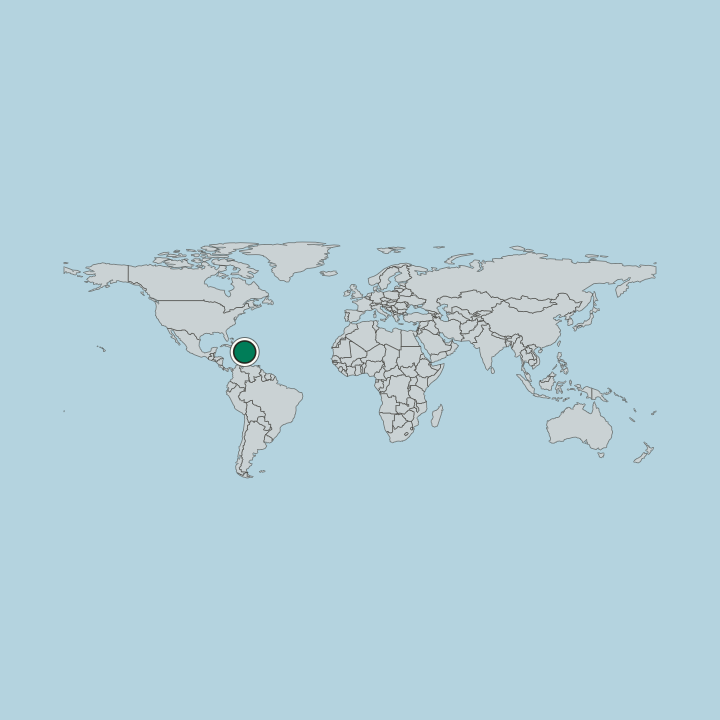
Santiago is a Dominican Republic province in the Cibao, centred on Santiago de los Caballeros and bordered by Puerto Plata and La Vega.
Hotel links are affiliate links: booking through them may earn us a commission, at no extra cost to you. It never affects how places are ranked. How this works


Towns & cities in Santiago
One town here has its own guide — it links to where to stay.

 Dominican Republic
Santiago de los Caballeros
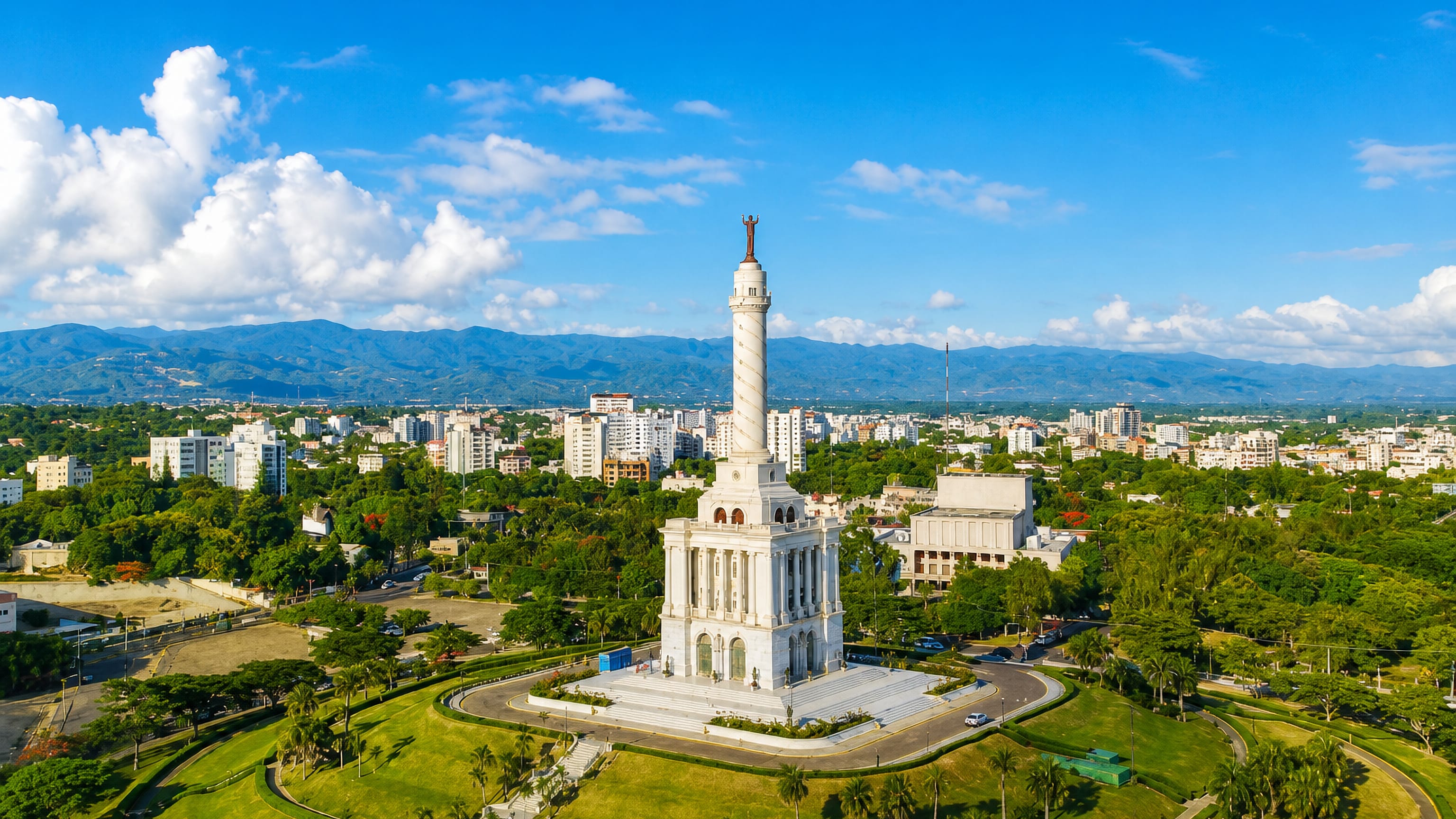
Santiago de los Caballeros stands inland in the Cibao, northwest of Santo Domingo, a Spanish foundation of 1495 marked by the Monumento de Santiago.Where to stay →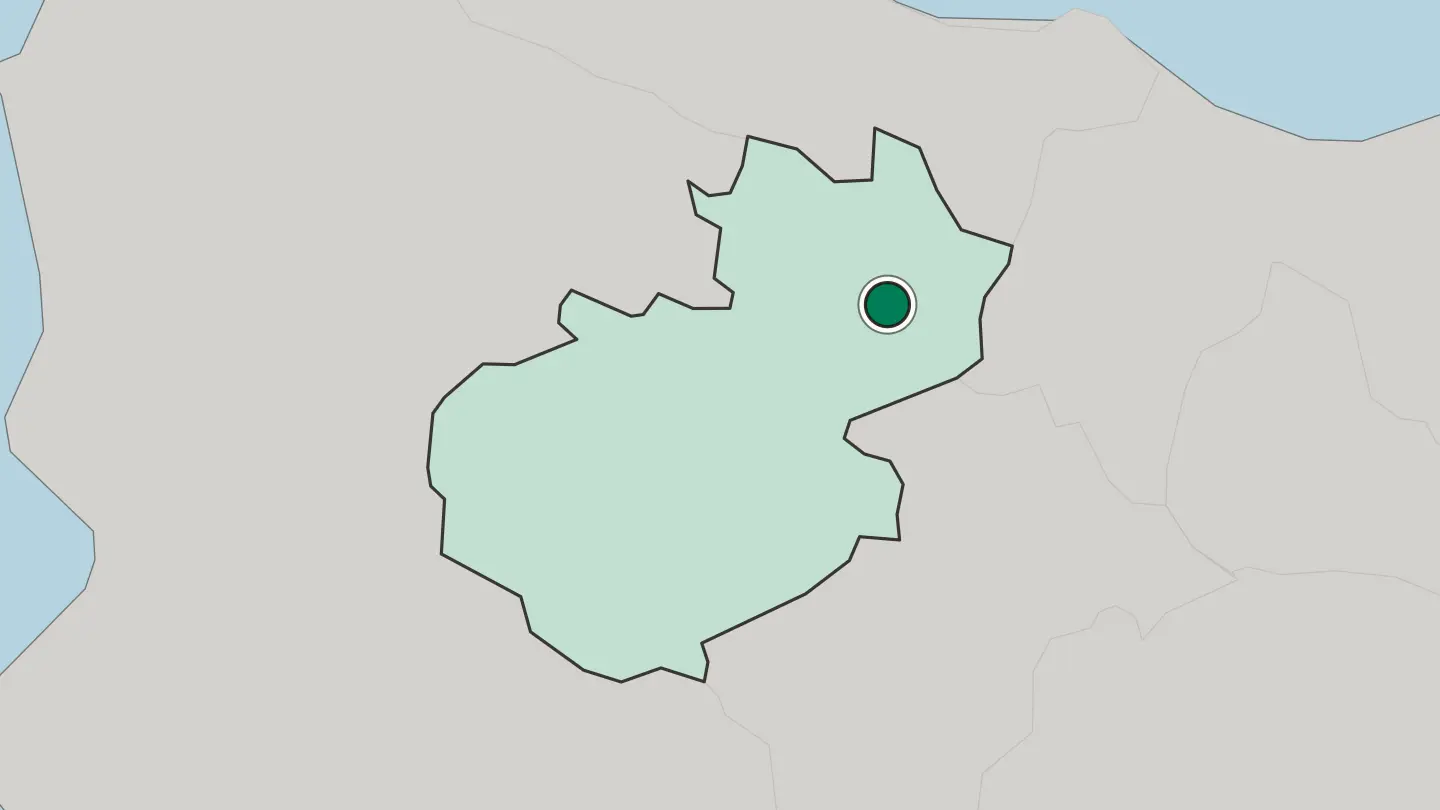
Hotel links are affiliate links: booking through them may earn us a commission, at no extra cost to you. It never affects how places are ranked. How this works
About Santiago
Ten municipalities, one clear centre.
What is Santiago known for?
Santiago de los Caballeros is the provincial capital, and it is the reason the name Santiago carries well beyond the Cibao, the region this province belongs to and is usually described through. The Cibao does the framing. A traveller hears about the valley country, about La Vega and Puerto Plata next door, and only afterwards about the administrative province that ties those pieces together under a single name.
Where is Santiago?
Borders define this one. Santiago is ringed by neighbours: Valverde to the north-west, Puerto Plata to the north, Espaillat and La Vega to the east, San Juan to the south, and Santiago Rodríguez to the west, which gives the province a shape best understood through the provinces it touches. The Cibao holds it all.
That regional name covers the country the province sits in, and it is the term Dominicans reach for well before the administrative one. Ten municipalities divide the territory, and their common point is Santiago de los Caballeros, which stands at the middle of the province in every practical sense rather than merely the administrative one. Land here is worked.
The province looks inland, since its neighbours ring it on every side and the sea belongs to Puerto Plata, so its own business is conducted across farming country and in the city. Two provinces, one itinerary. That pairing of an interior province with a coastal neighbour explains why so many trips through the Dominican Republic treat Santiago and the shore beyond it as a single stretch rather than as two separate destinations.
What is Santiago like?
Two names do the work here. In conversation the province is Santiago, but the capital keeps its long form, Santiago de los Caballeros, and the extra words earn their place because the name occurs more than once on the Dominican Republic's map: Santiago Rodríguez borders this province on the west. The Cibao is the deeper identity.
People place themselves in that region first, and the provincial boundary comes afterwards in the way anyone here describes home to a stranger. Spanish carries everything. The ten municipalities each keep their own affairs, yet the pull of the capital city is strong enough that trade, schooling, and public life gravitate towards it rather than spreading evenly across the province.
Neighbours matter too. La Vega and Espaillat sit on the eastern side, Puerto Plata on the north, and the traffic among them means the province has never had to be self-contained, which shows in how readily people treat the whole Cibao as their own ground. The founding date is 1844.
The province has carried a formal existence since that year, and the municipalities inside its boundary are the units that actually run local life, whatever the region beyond them is called.
What is the history of Santiago?
The founding year is 1844. Santiago's formal life as a province begins there, with Santiago de los Caballeros already the settlement the surrounding country reported to. Ten municipalities came with it.
Since then the province has held a regional identity and an administrative one at the same time, so the paperwork says Santiago while a good deal of the conversation still says Cibao, and neither has displaced the other.
What is the climate of Santiago?
Warm all year, without argument. Santiago sits in the tropical band, and as an inland province that leaves the shoreline to Puerto Plata, it takes the heat without much help from a sea breeze. Seasons here are not thermal.
What shifts across the calendar is the farming work of the Cibao rather than the thermometer, so picking a month is a question about what the province is doing rather than about how warm it will be.
How do you get to Santiago?
Arrivals funnel through the capital. Santiago de los Caballeros is where the province's roads meet, so an approach from Puerto Plata on the north side, from Espaillat and La Vega to the east, or from Valverde to the north-west resolves into the same city. Distances inside are modest.
Onward, the province hands travellers to Santiago Rodríguez on the west and to San Juan to the south, and those two edges are where the Cibao gives way to other country.
Common questions
What is the best area to stay in Santiago?
Santiago de los Caballeros: hotel choice and reaching all ten municipalities. The Puerto Plata side: Cibao days followed by coast nights. Towards Espaillat and La Vega: driving days on the eastern edge.
More regions in Dominican Republic
Updated September 2026