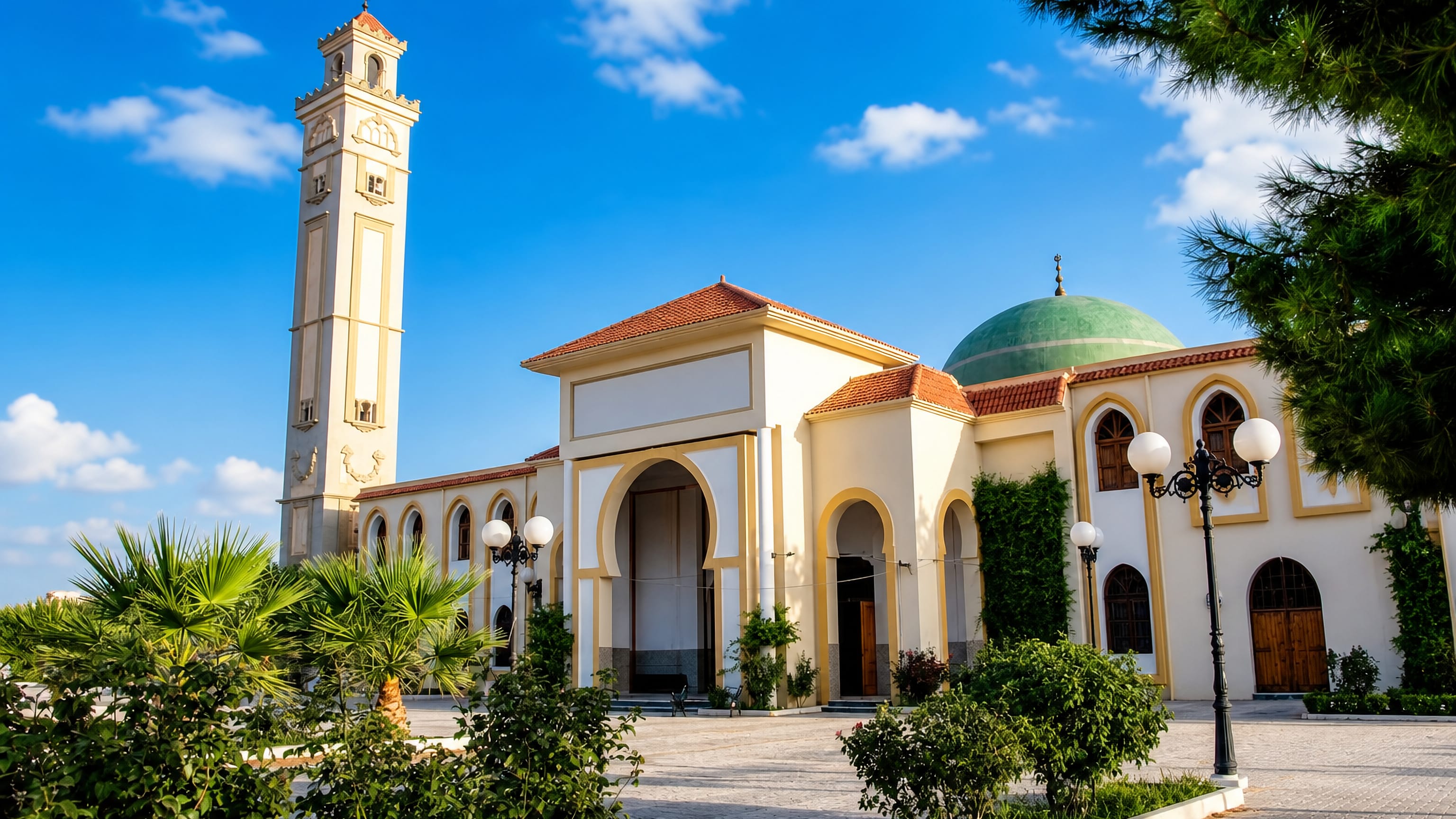
Algeria · Wilaya de Djelfa
Where to Stay in Djelfa, Wilaya de Djelfa
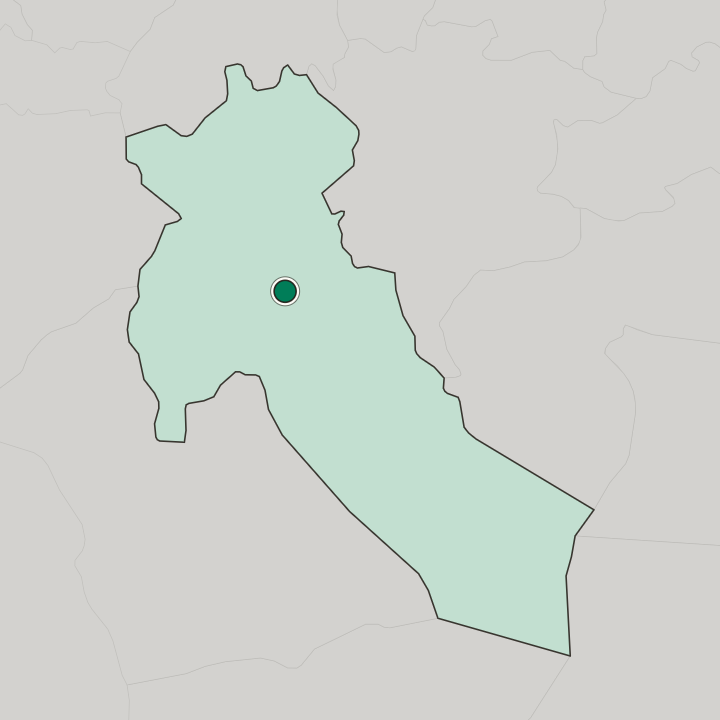
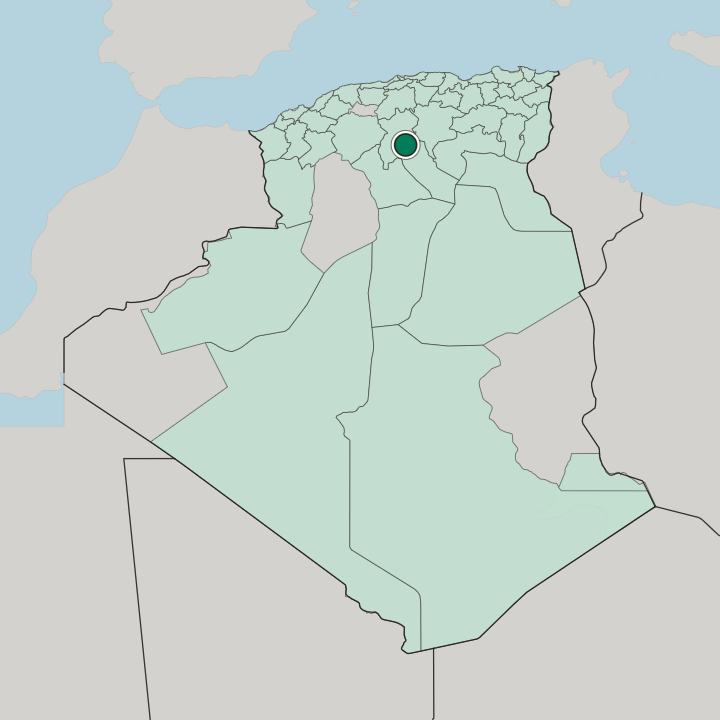
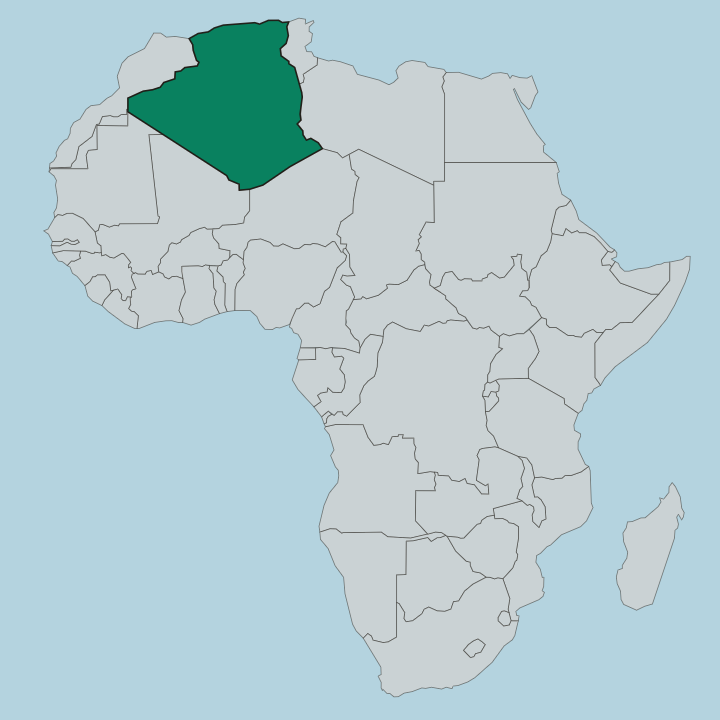
Djelfa is the capital of Djelfa Province, a highland city in the Saharan Atlas, northern Algeria, standing on the site of ancient Fallaba.
Hotel links are affiliate links: booking through them may earn us a commission, at no extra cost to you. It never affects how places are ranked. How this works


Where to stay in Djelfa
The practical side of choosing where to sleep.
Djelfa is a working provincial capital, and the beds follow that. Most of what a visitor needs sits in the centre, the part of the city that handles Djelfa Province business, meaning administration, market trade, and the traffic those two generate between them. Rooms cluster there.
Staying central puts the day's errands, the bus and taxi stands, and the ground that ancient Fallaba once occupied inside an easy walk, which counts for more here than any window view. The alternative is the outer edge, where Djelfa gives way to the Saharan Atlas. Few rooms exist that far out.
Anything on the ridge side of the city trades convenience for a quicker exit onto the roads that cross the range, and if you are here to drive on rather than to see the town, that trade is usually the right one. Choice is limited on both sides, and it is worth accepting from the start that a night in Djelfa is a stop on a route through the Saharan Atlas rather than an end in itself, which is broadly how the city's own visitors treat it.
Find hotels in Djelfa
Direct booking searches for these neighbourhoods.
The provincial centre
The administrative core of Djelfa Province, laid over the ground ancient Fallaba once heldFind hotels in The provincial centreDrivers breaking a crossing of the Saharan Atlas and leaving earlyThe ridge side
Out where Djelfa thins toward the ridges and passes of the Saharan Atlas. Few places to stay nearby — book ahead.Find hotels in The ridge sideHotel links are affiliate links: booking through them may earn us a commission, at no extra cost to you. It never affects how places are ranked. How this works
About Djelfa
Djelfa is known first as a seat of government.
What is Djelfa known for?
The city administers Djelfa Province from its position inside the Saharan Atlas, and that upland setting, rather than any coast or river, is what a visitor registers first. Antiquity supplies the second claim. Fallaba stood on this ground in the ancient world, and its name endures as a Latin Catholic titular see long after the settlement itself passed out of ordinary use.
What are the main landmarks in Djelfa?
Djelfa carries no long roll of monuments. The one name that matters is Fallaba, the ancient city on whose site the modern town stands, and whose bishopric still appears in the register of Latin Catholic titular sees. That register outlasted the city.
Beyond it, the Saharan Atlas itself is the attraction, the ridges and passes of the range that Djelfa Province occupies doing more to shape a visit than any single built thing.
What is the history of Djelfa?
Two foundations share one piece of ground. The earlier is Fallaba, an ancient city that carried a bishopric, and although the settlement itself did not survive into the modern era, the see attached to it was never formally extinguished. That bishopric belongs wholly to the ancient period.
Church registers kept the title. The titular see of Fallaba appears on the rolls of the Latin Catholic church as a bishopric without territory, held by bishops who govern no diocese of their own, which is how a name long gone from the map stays in use. The second foundation carries a date: 1852.
Djelfa as it now stands begins there, inside the Saharan Atlas, and the growth of a market and administrative centre and the eventual designation as the seat of Djelfa Province all proceed from that nineteenth-century start rather than from anything Fallaba left behind. Centuries separate the two. What links them is the site itself, the same upland pocket of the range having served both, and the modern city has since become the point from which the whole of Djelfa Province is run.
Where is Djelfa?
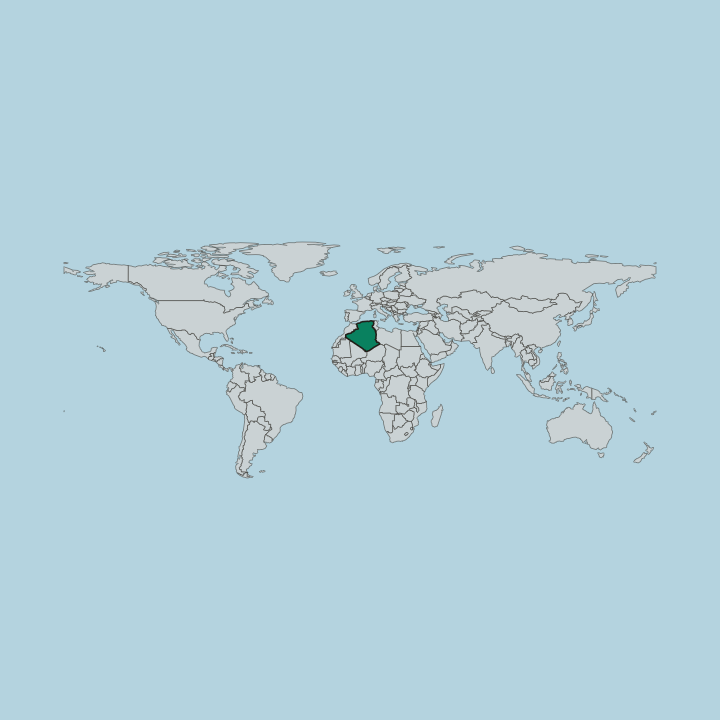
The Saharan Atlas sets the terms. Djelfa lies within that range in northern Algeria, well inland, and the surrounding Djelfa Province takes in a broad sweep of upland country administered from the city itself. Elevation, not water, defines the site.
Fallaba occupied the same ground in antiquity, which says something about how workable this pocket of the range has always been.
What is the climate of Djelfa?
The Saharan Atlas does the work here. Height inside the range tempers Djelfa's subtropical position, so days that would be flatly hot at sea level arrive drier, and the air gives up its heat quickly once the sun is off the ridges. Winter reaches this plateau.
Seasons in Djelfa Province read as altitude first and position second.
How do you get to Djelfa?
Travel to Djelfa happens on the ground. Roads climb into the Saharan Atlas and converge on the city, which works as the road head for the Wilaya de Djelfa and for the long runs that carry on southward past it. Arrival means a drive.
Because Djelfa Province is large and the city sits at its administrative centre, the routes that matter run through the range rather than around it.
Common questions
What is the best area to stay in Djelfa?
The provincial centre: Travellers wanting the Djelfa Province offices and the market inside one walk. The ridge side: Drivers breaking a crossing of the Saharan Atlas and leaving early.
Updated September 2026