Algeria · Wilaya de Ghardaïa
Where to Stay in Ghardaïa, Wilaya de Ghardaïa
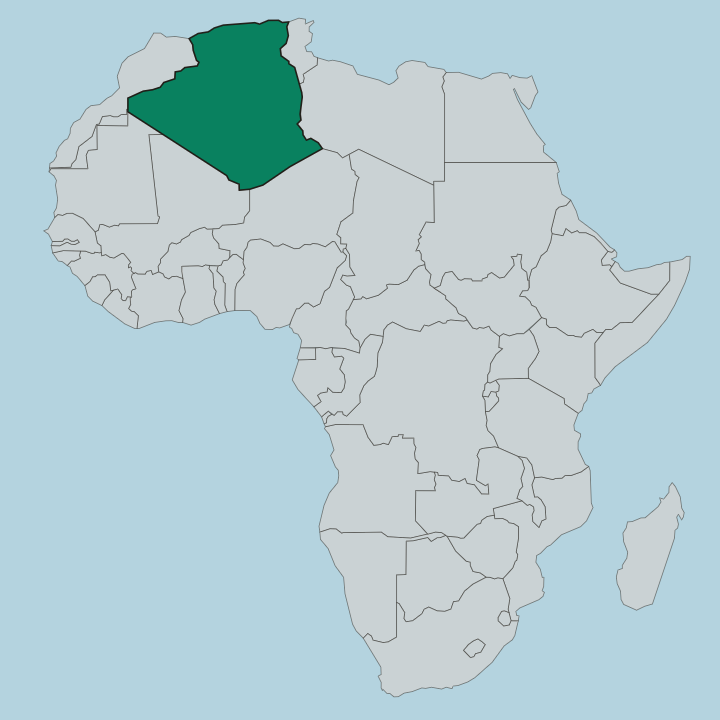
Ghardaïa is a desert town of the M'zab valley in central Algeria, chief of five old Mozabite towns whose tiered houses climb the hills above the palms.
Hotel links are affiliate links: booking through them may earn us a commission, at no extra cost to you. It never affects how places are ranked. How this works


Where to stay in Ghardaïa
The practical side of choosing where to sleep.
Where you stay in Ghardaïa turns on the old town or the palms. The lanes of the hill town keep the mosque, the market square, and the old houses within a walk, and staying in the ksar suits anyone here for the M'zab. The tiers climb to the mosque.
Lanes wind up the hill. Down toward the valley and the palm groves, the town gives way to gardens, date palms, and the summer houses of the oasis. A room among the palms trades the hill for the green groves, the garden walls, and the shade of the date trees.
Palms fill the valley floor. Stay in the old town for the market, or by the palms for the gardens. The town lies a short way up.
Find hotels in Ghardaïa
Direct booking searches for these neighbourhoods.
The old hill town
Up in the tiered ksarFind hotels in The old hill townStays wanting the gardens and oasisThe palm groves
Down in the valley among the palmsFind hotels in The palm grovesHotel links are affiliate links: booking through them may earn us a commission, at no extra cost to you. It never affects how places are ranked. How this works
About Ghardaïa
What is Ghardaïa known for?
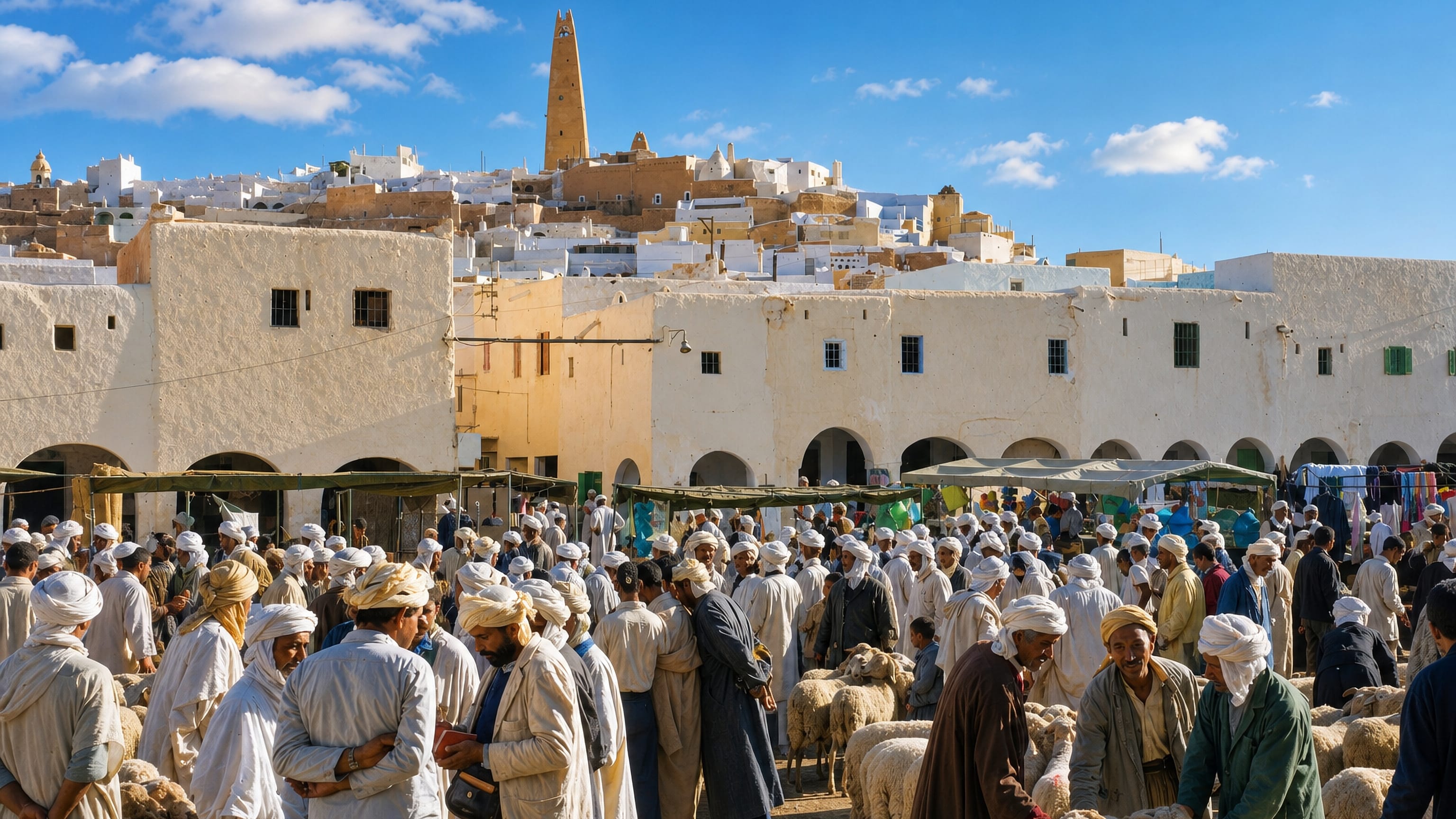
Ghardaïa is the hill town of the M'zab. On the edge of the northern Sahara where five fortified towns crown the rocky hills, it is the largest and busiest of them, and it keeps a pyramid-topped mosque above its climbing streets, an arcaded market square ringed with arches, the terraced cube houses that so struck the architects of Europe, and the green palm groves in the valley below. The stone town climbs the hill.
The desert runs bare beyond.
What are the main landmarks in Ghardaïa?
The pyramid mosque crowns the old town of Ghardaïa. The tall minaret rising like a pyramid over the tiered houses, at the summit of the walled hill town, looks out over the valley, the emblem of the M'zab, above the palms. An arcaded square lies below.
The old market square ringed with arches fills with trade and carpets, while the cube houses, the palm groves, and the four sister towns mark the valley around Ghardaïa.
What is the history of Ghardaïa?
Ghardaïa was built by the Mozabites a thousand years ago. When the Ibadi Muslims, a people apart in their faith, fled persecution in the north, they came into this harsh valley and raised five fortified towns on its hills. They built to last.
Each town rose in tiers around a mosque on the summit, its houses packed tight within walls, a design suited to the heat and to defence. The towns became a trading power. From these desert strongholds the Mozabites grew into famed merchants and traders across the Sahara and the north, keeping their own law, their own tongue, and their strict ways.
The valley kept its faith. Through the centuries the M'zab held to the Ibadi creed and its walled towns, and Ghardaïa grew as the largest of them and the trading heart of the valley, its market square busy under the arches. The old town still climbs the hill.
Ghardaïa keeps its mosque and its market in the M'zab.
Where is Ghardaïa?
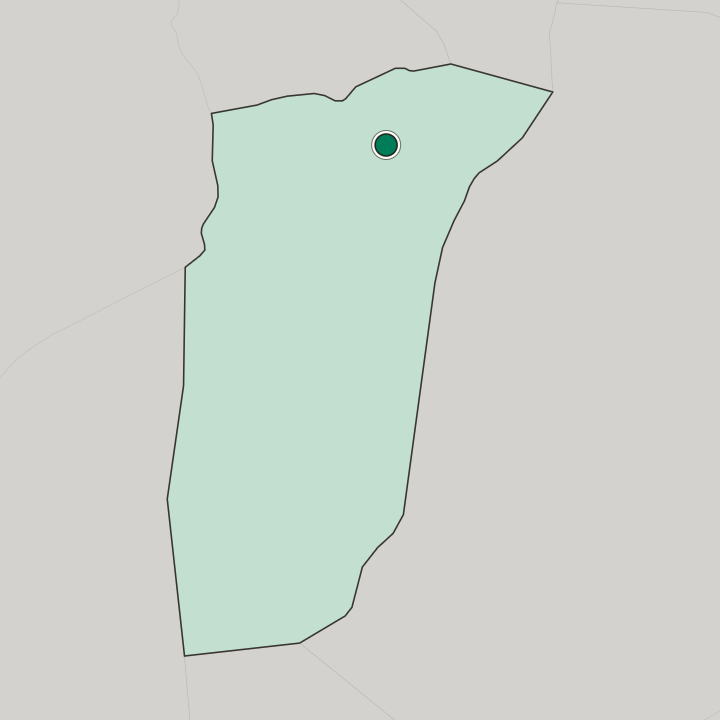
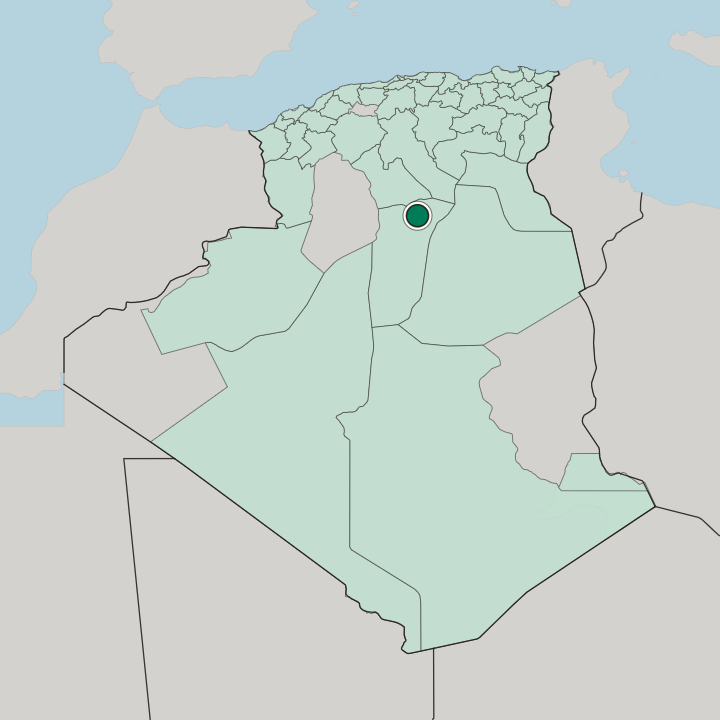
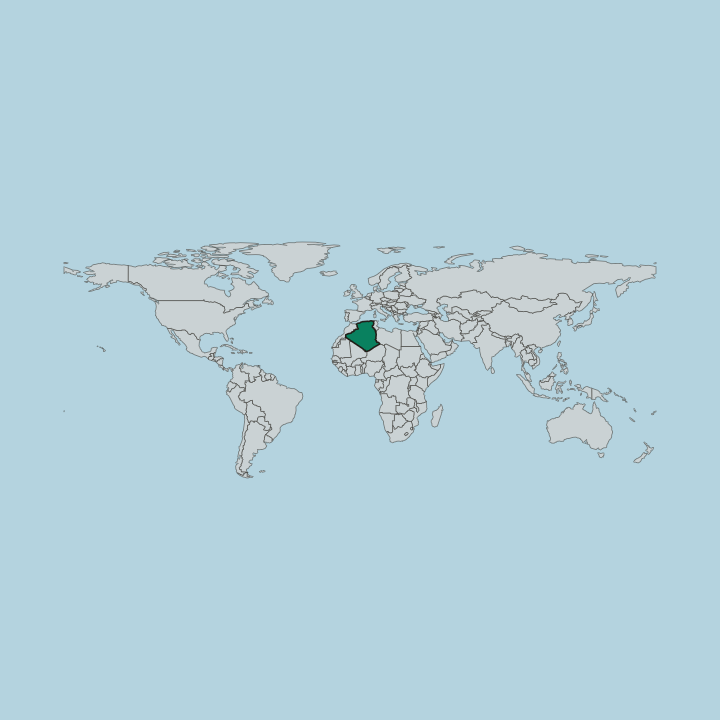
Ghardaïa lies in the north of the Algerian Sahara, in a rocky valley on the edge of the great desert. The town climbs a hill above the bed of the M'zab, a dry river that flows only after rare storms, with palm groves along the valley floor and the stony hammada of the desert spreading around. Rocky hills close the valley.
Bare sand spreads to the south.
What is the climate of Ghardaïa?
The M'zab valley gives Ghardaïa a hot desert climate with little rain. Scorching summers and mild winters hold in the Sahara, with fierce sun almost every day, cold desert nights in winter, and rain that falls only in rare storms. The summer heat turns fierce.
Cold nights come with winter.
How do you get to Ghardaïa?
Ghardaïa lies in the northern Sahara, on the desert road south from Algiers. Roads and buses run to it down the highway across the plateau, and an airport links it to the coast. Lanes climb the old hill town.
Algiers lies north over the desert.
Common questions
What is the best area to stay in Ghardaïa?
The old hill town: Visitors here for the mosque and market square. The palm groves: Stays wanting the gardens and oasis.
Good for
Updated September 2026