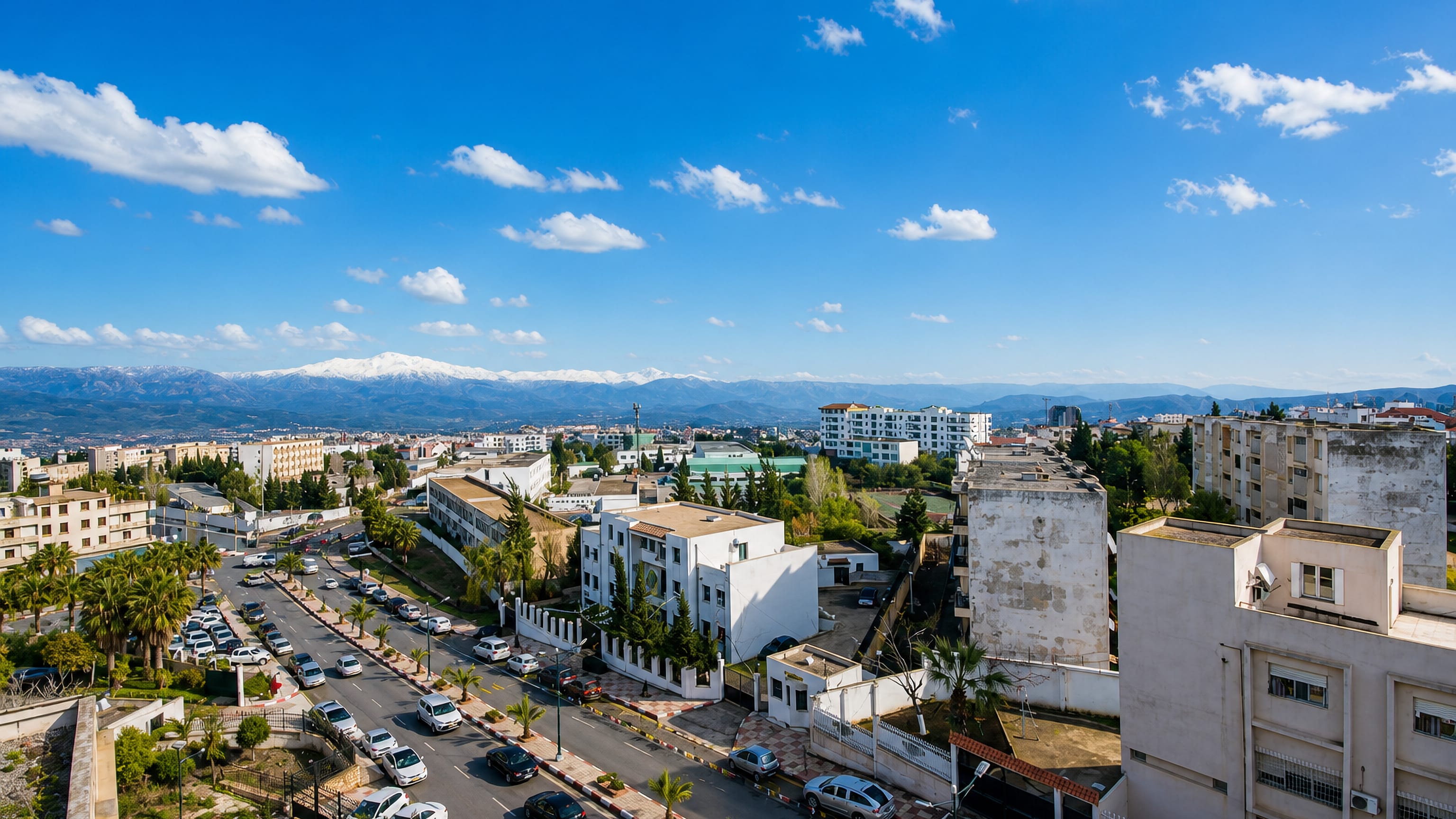
Algeria · Wilaya de Mila
Where to Stay in Mila, Wilaya de Mila
Mila, the Milevum of Roman Numidia, is the capital of Mila Province in Algeria and the setting of the Sidi Ghanem Mosque.
Hotel links are affiliate links: booking through them may earn us a commission, at no extra cost to you. It never affects how places are ranked. How this works


Where to stay in Mila
The practical side of choosing where to sleep.
Two fixed points hold Mila: the Sidi Ghanem Mosque and the ancient ground of Milevum. A room chosen near either sets the character of the visit, because the mosque anchors the built city that people use every day while Milevum belongs to the older layer that brought most travellers to Mila in the first place. The commune is not large.
Its roughly 130 square kilometres take in the capital of Mila Province and the land around it, which keeps the two anchors close enough that a stay near one does not put the other out of reach. The sources describe no separate quarters. Neither a marked old town nor a modern district is set out for Mila, so a visitor picks by proximity to the mosque, to the Roman site, or to the provincial offices that the Wilaya de Mila runs from the city.
That is the whole of the decision. Anyone touring the antiquities of Numidia will find Mila works better as a base than as a stop, since the ancient name of Milevum and the living town sit on the same ground rather than a drive apart, and a single room covers both.
Find hotels in Mila
Direct booking searches for these neighbourhoods.
By the Sidi Ghanem Mosque
The Sidi Ghanem Mosque is the built landmark the record names in Mila, and rooms near it keep the everyday town and the provincial offices within one walk.Find hotels in By the Sidi Ghanem Mosquevisitors here for the Roman ground of MilevumThe Milevum side
Milevum is the ancient city Mila grew over, so a stay on that side of the commune puts the Numidian layer, rather than the modern one, at the door.Find hotels in The Milevum sideHotel links are affiliate links: booking through them may earn us a commission, at no extra cost to you. It never affects how places are ranked. How this works
About Mila
Antiquity handed Mila two names.
What is Mila known for?
The city answered to Milevum in Latin and to Miraeon in Greek while it stood inside the Roman province of Numidia, and both forms are still carried in the record kept for the place. The mosque came later. Sidi Ghanem Mosque is the standing landmark the sources name here, and set beside the ancient ground of Milevum it gives the capital of Mila Province two eras to show a visitor instead of one.
What are the main landmarks in Mila?
Mila names two landmarks and no more. Sidi Ghanem Mosque accounts for the standing architecture the sources mark, while Milevum accounts for the buried and half-standing remains of the city that occupied this ground under Numidia. The pairing is the whole list.
Nothing else in the capital of Mila Province is catalogued as a monument, which concentrates a visit on one mosque and one ancient site rather than spreading it across a long itinerary.
What is the history of Mila?
Mila is old enough to have been written down in two ancient languages. Latin sources call it Milevum, Greek ones Miraeon, written Μιραίον, and in both traditions the city sits inside Numidia, the Roman province that covered this part of the map long before any of the modern boundaries were drawn. The names outlasted the province.
Milevum survives as the term used for the ancient site itself, so the Roman city and the modern one are distinguished on the record by name while occupying the same ground. What came between is not dated in the sources. No founding year is given for the settlement that followed the Roman one, and no sequence of rulers is recorded, though the Sidi Ghanem Mosque stands as the built evidence that the city carried on well past antiquity and acquired an Islamic layer of its own.
Its name is written ميلة. The modern chapter is administrative rather than dramatic: Mila is the capital of Mila Province, the Wilaya de Mila is run from it, and a city that once answered to Rome now answers for the paperwork of a province in Algeria.
Where is Mila?
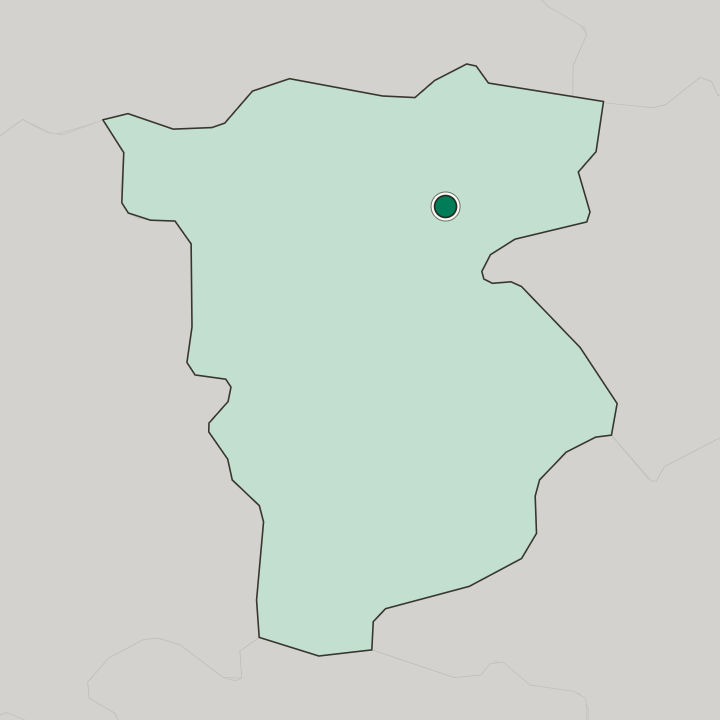
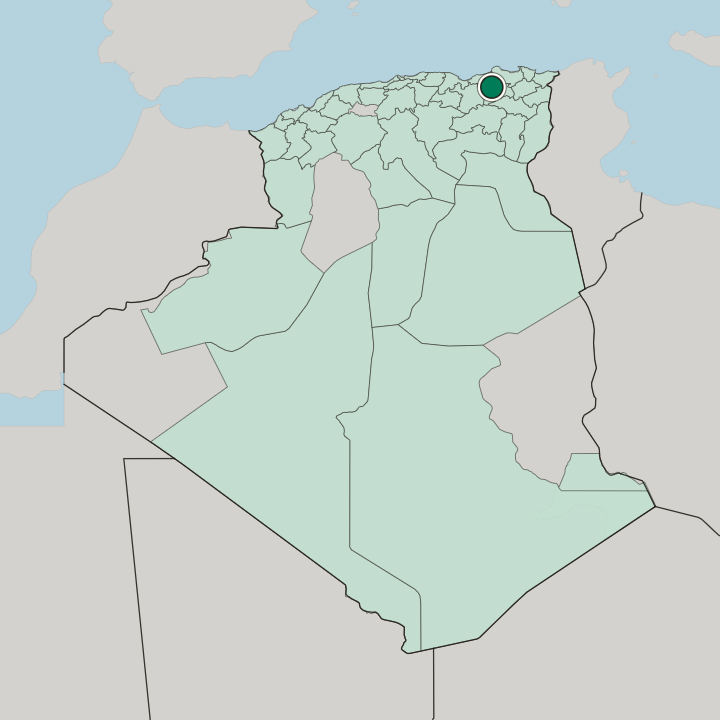
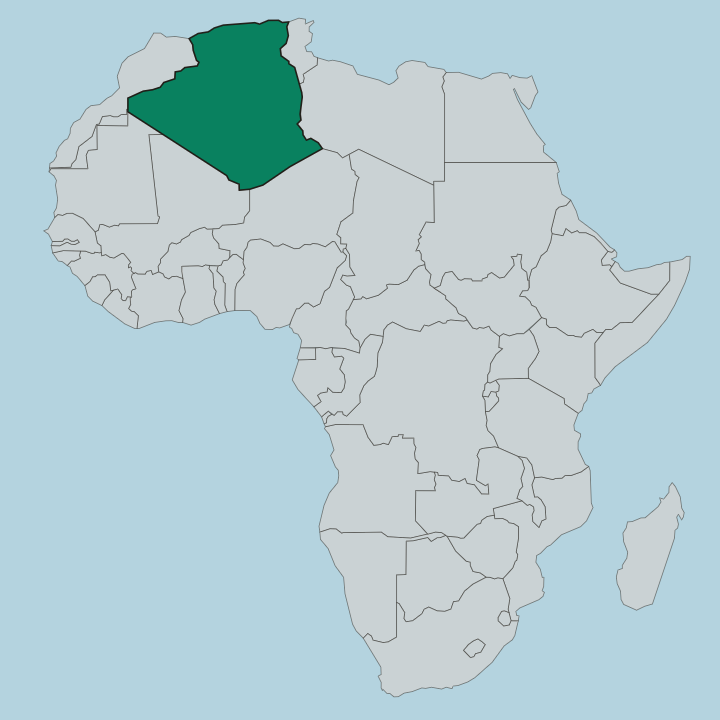
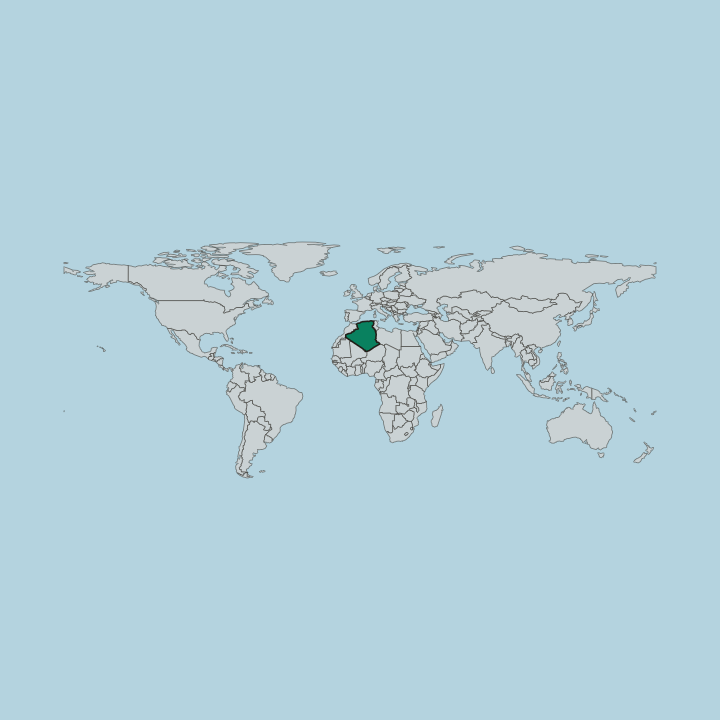
Roughly 130 square kilometres make up the commune of Mila. That extent holds the capital of Mila Province together with the ancient ground of Milevum, the two lying on the same land rather than at a remove from one another. Physical features go unrecorded for Mila.
What the sources fix is the administrative frame, the Wilaya de Mila around the city, Algeria beyond that, and a position within the temperate band, leaving the relief of the place undescribed.
What is the climate of Mila?
No sea, range, or wind is named as the agent behind Mila's weather. That leaves the temperate band as the only description the sources support, which puts the warm and dry part of the year in the middle months and the cool, wetter part at the two ends, in the ordinary Northern Hemisphere sequence. The stone takes it either way.
Milevum has stood through those cycles for centuries, and the Sidi Ghanem Mosque has weathered the same turns since it was raised.
How do you get to Mila?
Mila is approached as the seat of its province. Neither a rail terminal, an airport, nor a numbered road is recorded for the city in the sources, so arrival depends on whatever already connects the Wilaya de Mila to the rest of Algeria rather than on any named service. The detail is missing.
Travellers coming for Milevum and travellers coming for the offices of Mila Province follow the same approach, because the ancient site and the administration occupy one commune.
Common questions
What is the best area to stay in Mila?
By the Sidi Ghanem Mosque: a base beside Mila's standing landmark. The Milevum side: visitors here for the Roman ground of Milevum.
Updated September 2026