Algeria · Wilaya de Saïda
Where to Stay in Saïda, Wilaya de Saïda
Saïda holds Saïda Province from the right bank of the Wadi Saïda, a French outpost of 1854 below the Tell Atlas.
Hotel links are affiliate links: booking through them may earn us a commission, at no extra cost to you. It never affects how places are ranked. How this works


Where to stay in Saïda
How the choice of base plays out on the ground.
Two Saïdas exist, and the choice runs between them. Vieux Saïda is the older ground, the forest of El Okban where Abd al-Qadir built his base around a Roman watchtower before French troops took the valley. Beds there are few.
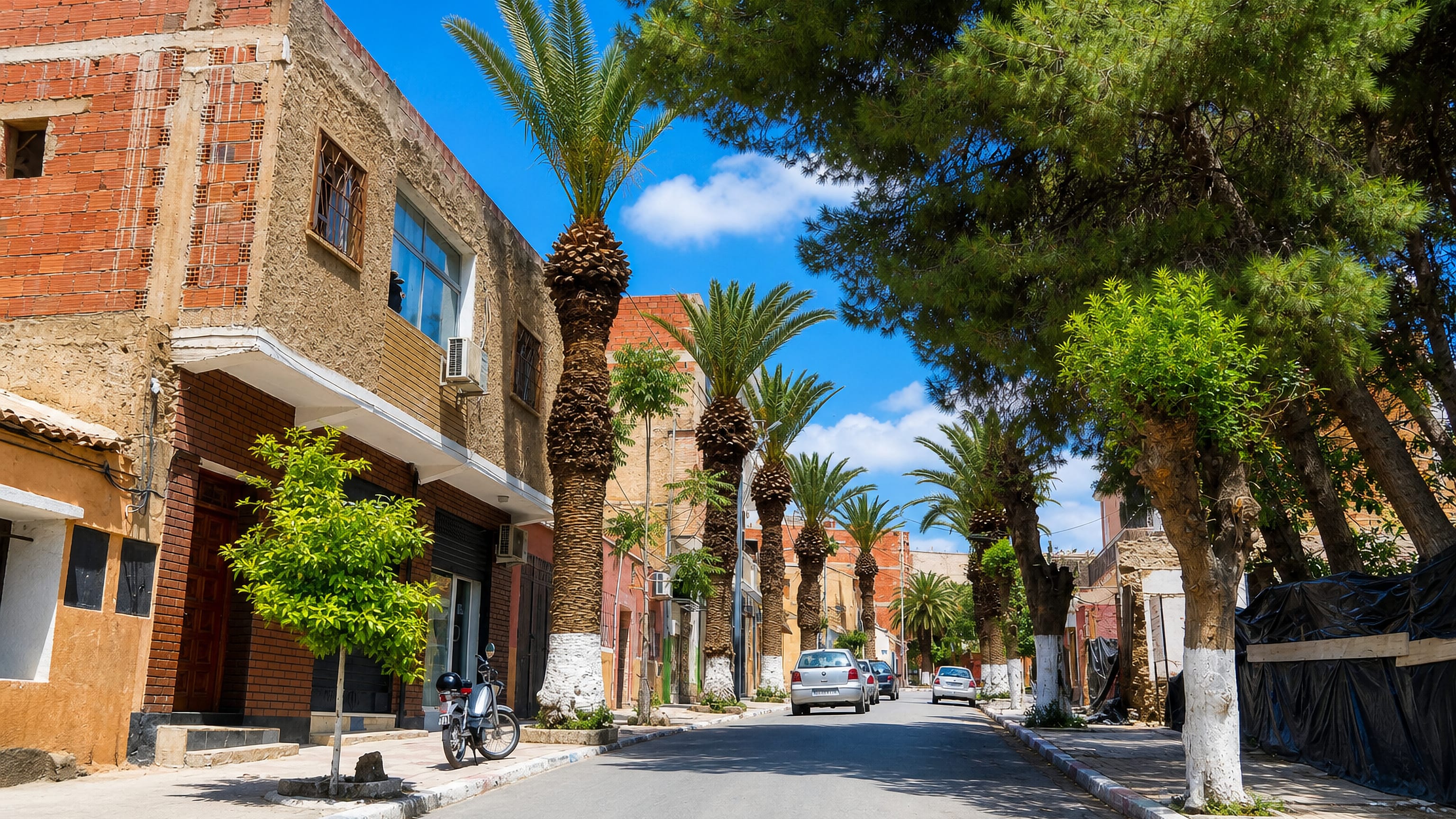
The city that carries the hotels is the one laid out from the military outpost of 1854, stacked on the right bank of the Wadi Saïda with wooded mountains standing across the water, and it keeps the provincial offices and the market within one walk. Arrival shapes the rest. The narrow-gauge line comes up from Mohammadia, so a room near the station suits anyone whose day begins on a train.
Drivers think differently. If your work runs out into the province, with Aïn El Hadjar to the south and Ouled Khaled to the north, a bed on the outward edge of the commune saves the morning crawl back through the centre. Water pulls the other way, since the springs behind the name city of waters still feed the bottling plants, and the hot source of Sidi Aissa gave the town one of its oldest names.
Stay central and walk to the zaouia of Moulay Tayeb; stay out and drive east to the caves at Tifrit.
Find hotels in Saïda
Direct booking searches for these neighbourhoods.
Vieux Saïda
The El Okban forest above the valley, where a Roman watchtower stood before Abd al-Qadir made it his base. Rooms are few around here — worth securing early.Find hotels in Vieux SaïdaStays that keep the market and the zaouia of Moulay Tayeb on footThe Wadi Saïda bank
The right bank under the wooded mountains, laid out from the 1854 outpost and still holding the provincial officesFind hotels in The Wadi Saïda bankArrivals by rail rather than by road from Aïn El HadjarThe Mohammadia line
The approach the narrow-gauge railway from Mohammadia takes into SaïdaFind hotels in The Mohammadia lineHotel links are affiliate links: booking through them may earn us a commission, at no extra cost to you. It never affects how places are ranked. How this works
About Saïda
Water made the reputation.
What is Saïda known for?
Springs run under Saïda in enough quantity to earn it the name city of waters, and bottling mineral water sits beside leather, wool, and cereals among the things the town sends out. Tanning is the older trade. Mouloudia de Saïda gives the city its other claim, the third Algerian club to lift the Algerian Cup, won against ES Mostaganem in 1965.
The zaouia of Moulay Tayeb, raised at the end of the nineteenth century, still teaches Qur'an and still draws the Waada that Saïda first hosted in 1907.
What are the main landmarks in Saïda?
The zaouia of Moulay Tayeb carries most of it. Built by subscription at the end of the nineteenth century, it trained jurists, sheltered wayfarers on the road linking the north to the south, and gathered fighters during the war of independence; its Waada has run since 1907. The El Atik mosque still keeps the dawn prayer.
Out at Vieux Saïda a Roman watchtower still marks the ground Abd al-Qadir chose, and the cave found in 1891 at the mouth of the Wadi Saïda holds Middle Stone Age traces. Tifrit adds rock drawings.
What is the history of Saïda?
Names came before walls. Ibn Khaldun put Berbers first on this ground, and the caves at Tifrit and the mouth of the Wadi Saïda were worked long before any of the states that followed. Massinissa farmed the plateau; Rome came in 40 AD, the Vandals in 429.
Tahert rose after the eighth-century conquest, the Almohads settled here in 1147, and the Zayyanids held the region from 1269 until the Ottomans arrived, after which Saïda answered to the Beylik of Mascara. The name itself is Abd al-Qadir's. Older ones survive on paper: Tirsif in Amazigh, El Okban for the eagles of the high ground, and Haz Saïda for the hot water at Sidi Aissa.
The French phase is short and heavy. Abd al-Qadir kept his base in the El Okban forest and burned the town as the columns closed in, and Bugeaud's troops entered on 22 October 1841. A military outpost followed in 1854.
The Oran-Béchar narrow-gauge railway arrived in 1862, the French Foreign Legion took quarters here in 1886, and resistance under Bouamama ran through the same decades. War closed the account. The town hall burned in 1945, the Soummam Congress split the province between two zones of Wilaya V, Bigeard was posted here in 1958, and independence came in 1962.
Where is Saïda?
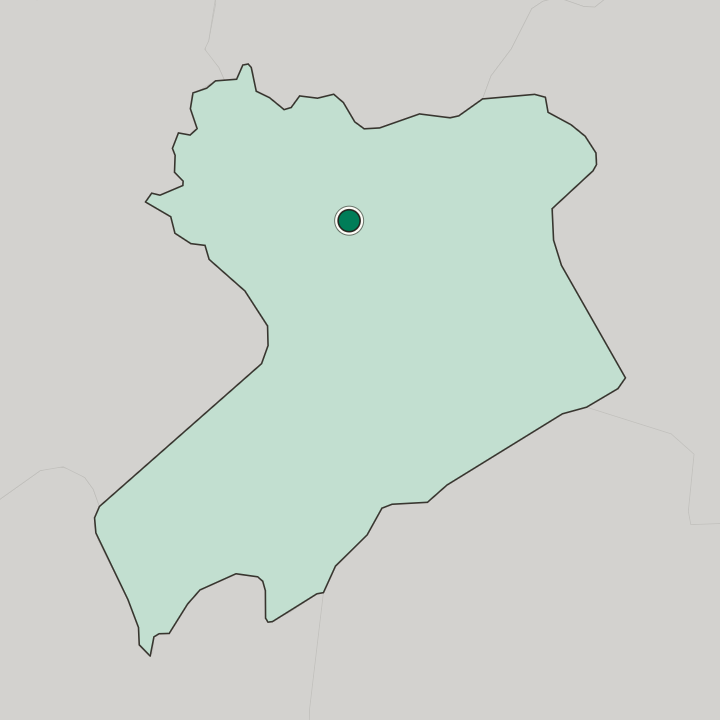
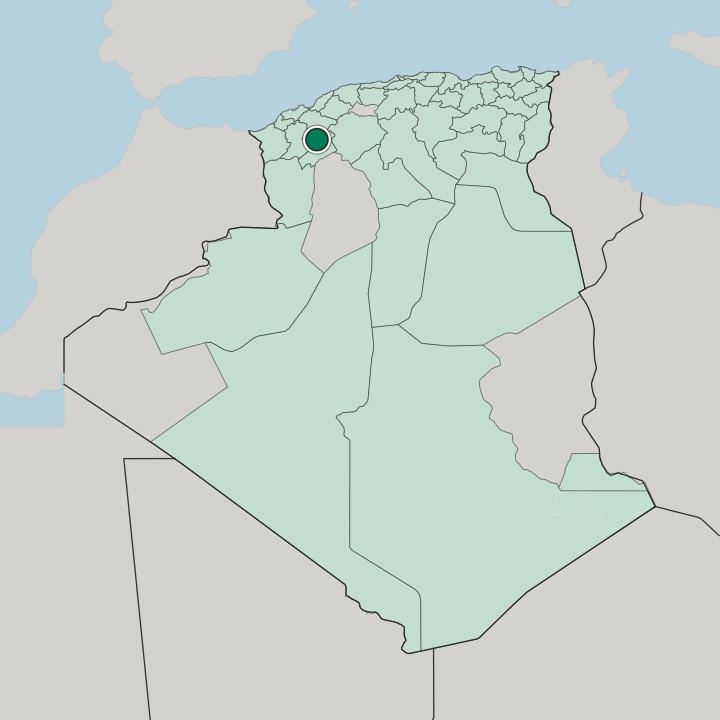
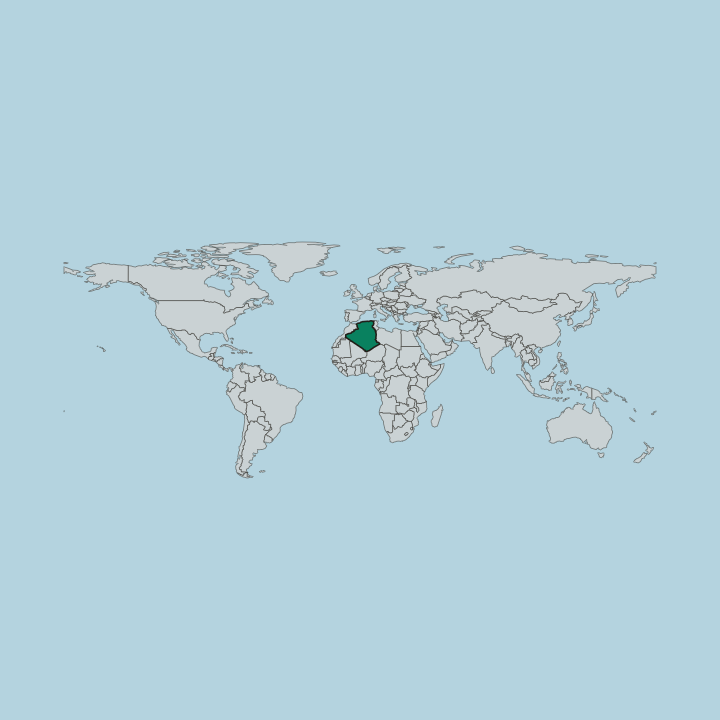
Saïda sits on the southern slopes of the Tell Atlas, at the northern fringe of the High Plateaus. The city takes the right bank of the Wadi Saïda, and the far shore climbs steeply into wooded mountain that shuts the valley on that side. Forest holds most of that ground.
Ouled Khaled closes the commune to the north and east, Aïn El Hadjar and Hassasna to the south, and Doui Thabet to the west.
What is the climate of Saïda?
Underground water is the local constant. Springs run beneath Saïda in enough volume for the town to be called the city of waters, and the plants that bottle mineral water work off them the whole year. Sidi Aissa runs hot.
The Tell Atlas stands to the north of the town and the High Plateaus open to the south, so the seasons Saïda keeps are the plateau's, not the coast's. Cereals and wool set the calendar on the land around, while leather and the springs keep the town's own working year steadier than the harvest.
How do you get to Saïda?
The railway is narrow gauge, and that is the first thing to know. Trains reach Saïda from Mohammadia on the old Oran-Béchar alignment laid in 1862; a standard-gauge replacement has been proposed rather than built. Roads carry the rest.
The province spreads out from the commune through Ouled Khaled to the north, Aïn El Hadjar and Hassasna to the south, and Doui Thabet to the west.
Common questions
What is the best area to stay in Saïda?
Vieux Saïda: Walkers who want the ground Saïda occupied before the outpost of 1854. The Wadi Saïda bank: Stays that keep the market and the zaouia of Moulay Tayeb on foot. The Mohammadia line: Arrivals by rail rather than by road from Aïn El Hadjar.
Updated September 2026