Algeria · Wilaya de Souk Ahras
Where to Stay in Souk Ahras, Wilaya de Souk Ahras
Souk Ahras is the capital of Souk Ahras Province, built on the ruins of Numidian Thagaste, birthplace of Augustine of Hippo.
Hotel links are affiliate links: booking through them may earn us a commission, at no extra cost to you. It never affects how places are ranked. How this works


Where to stay in Souk Ahras
Where visitors usually base themselves, and why.
Souk Ahras is small enough to stay anywhere. The centre sits directly over Thagaste, so a room there puts the Numidian ground, the bazaars, and the ordinary business of the provincial capital inside the same few streets. There is nothing else to weigh.
Anyone here for Augustine of Hippo will find the relevant ground underfoot rather than at the end of a drive, which is unusual for a place with this much behind it. Market days shape the week. Rooms near the bazaars suit travellers who want the trading side of Souk Ahras, and the noise that comes with them is what you accept for being in the middle of it.
Quieter beds sit further out. The edge of town trades the markets for space, and it works better for anyone driving into Souk Ahras Province in the morning. The province is thinly served.
Berber villages across Souk Ahras Province keep very little formal lodging, so the capital carries almost all of the beds and almost all of the arrivals from elsewhere in Algeria. Book here, drive out. That pattern holds for the ruins as much as for the countryside, since Thagaste is in town and everything else is a day's excursion from it.
Find hotels in Souk Ahras
Direct booking searches for these neighbourhoods.
The centre over Thagaste
The modern core lies directly on Thagaste, so the classical ground and the bazaars share the same few streets.Find hotels in The centre over Thagastetravellers who want the trading side of the townBeside the Souk Ahras bazaars
Rooms alongside the bazaars put the busiest hours of Souk Ahras a minute from the door, noise included.Find hotels in Beside the Souk Ahras bazaarsslow days out in the provincial countrysideBerber villages of Souk Ahras Province
Formal lodging beyond the provincial capital is very thin, so the villages of Souk Ahras Province are driven to rather than slept in. Beds are limited here, so book early.Find hotels in Berber villages of Souk Ahras ProvinceHotel links are affiliate links: booking through them may earn us a commission, at no extra cost to you. It never affects how places are ranked. How this works
About Souk Ahras
Thagaste is the reason people come.
What is Souk Ahras known for?
Souk Ahras stands on the ruins of that Numidian city, which was a centre of Berber culture and the birthplace of Augustine of Hippo, and that inheritance outweighs anything else the town is known for. Markets fill the rest. Souk Ahras is known for its markets and bazaars, and they are what most visitors notice before they go looking for Thagaste beneath the modern streets.
What are the main landmarks in Souk Ahras?
Thagaste is the landmark. Souk Ahras was built on the ruins of the Numidian town, so the classical site is not a separate excursion but the ground the modern streets occupy, and that changes how a visit works. Augustine of Hippo was born here.
That association is the strongest single reason the town appears on any itinerary, and it draws people who would otherwise pass Souk Ahras Province without stopping.
What is the history of Souk Ahras?
Numidia came first. Thagaste was a Numidian city, and Souk Ahras was built directly on its ruins, which makes the modern town the continuation of a settlement rather than a later foundation beside an abandoned one. Berber culture centred here.
The town is recorded as a centre of that culture, and the Numidian layer is the reason the name Thagaste still carries weight far outside Souk Ahras Province. Augustine of Hippo was born in Thagaste. That single fact has carried the place through the centuries of writing that followed him, and it remains the association most readers bring to the town before they know anything else about it.
Augustine left for Hippo. The epithet by which he is known attaches to another city entirely, which is why Thagaste is often the overlooked half of a story that began here. Administration came much later.
Souk Ahras now heads its own wilaya, the Wilaya de Souk Ahras, and the provincial role gives the town a working life in Algeria quite separate from its classical reputation. Markets do the rest. Trading has kept the place occupied in a way the ruins never could, and the two sides sit together without much overlap in the same set of streets.
Where is Souk Ahras?
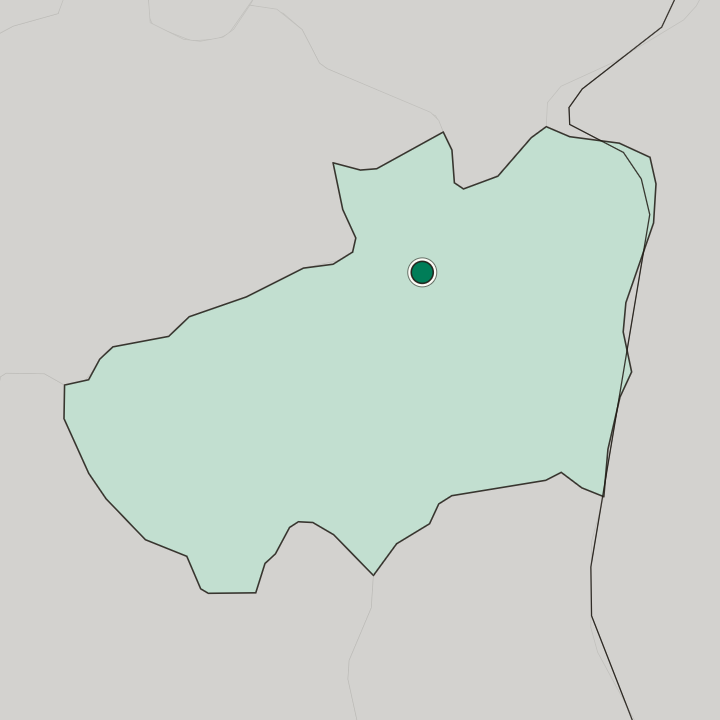
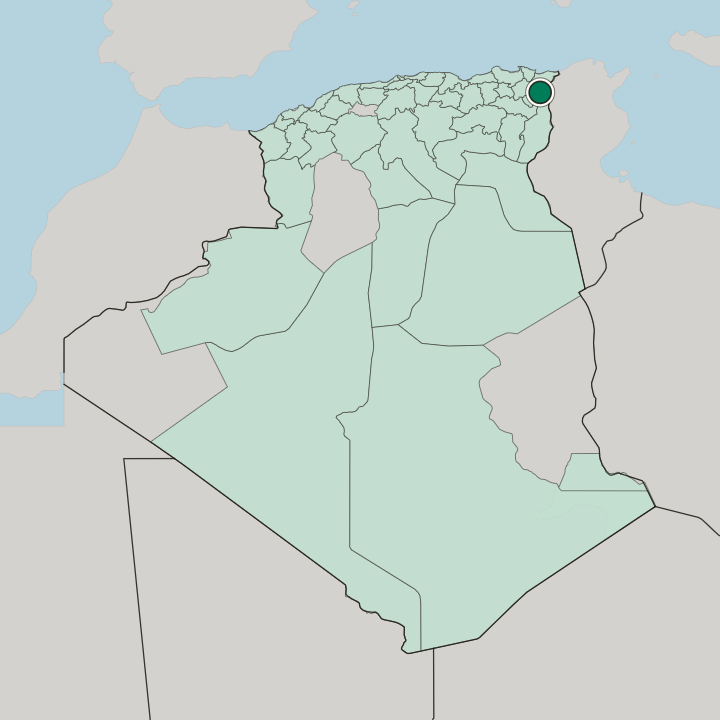
Souk Ahras heads a large province. Souk Ahras Province surrounds the town, Berber village country for the most part, with the ruins of Thagaste lying directly beneath the built-up ground rather than out in the fields. The old site and the new town coincide.
That overlap is the defining geographic fact here, and it explains why Souk Ahras cannot separate its classical ground from its markets the way other Algerian towns can.
What is the climate of Souk Ahras?
Summer is the hard season. Souk Ahras falls inside the temperate band north of the equator, so the year turns on a hot middle and a markedly cooler stretch at either end of it. Early hours suit the ruins best.
Anyone walking the ground of Thagaste or crossing Souk Ahras Province by road does better in spring or autumn than at the height of the warm season.
How do you get to Souk Ahras?
Overland is the only way in. Souk Ahras is reached overland from elsewhere in Algeria, and the same roads that bring travellers in are the ones that carry the market traffic which gives the town its working rhythm. The province is the onward step.
Routes out into Souk Ahras Province run to Berber villages that most visitors reach as day trips from the capital rather than as stops on a longer journey.
Common questions
What is the best area to stay in Souk Ahras?
The centre over Thagaste: market days and the Numidian ruins in one walk. Beside the Souk Ahras bazaars: travellers who want the trading side of the town. Berber villages of Souk Ahras Province: slow days out in the provincial countryside.
Good for
Updated September 2026