Algeria
Wilaya de Souk Ahras, Algeria — Towns & Travel Guide
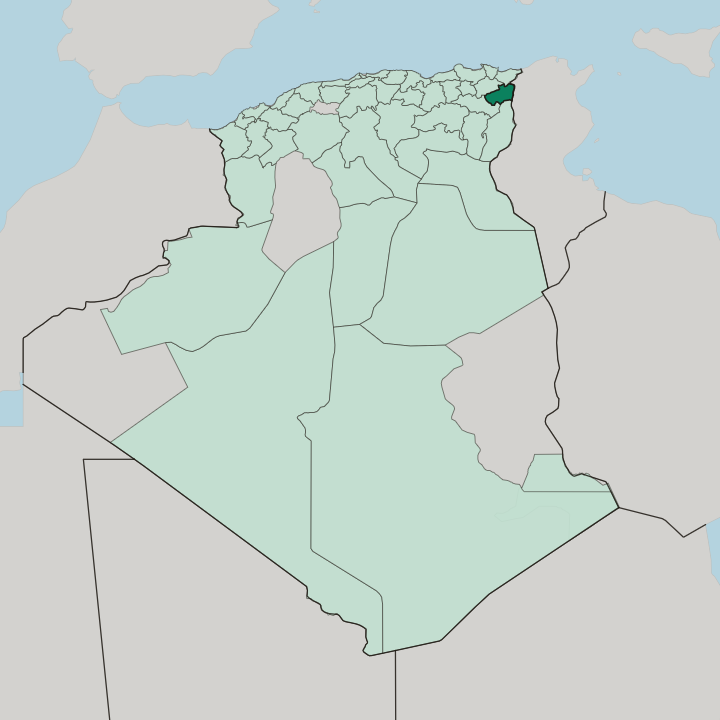
Wilaya de Souk Ahras is a border province of north-eastern Algeria, ancient Thagaste, the birthplace of Saint Augustine in 354.
Hotel links are affiliate links: booking through them may earn us a commission, at no extra cost to you. It never affects how places are ranked. How this works


Towns & cities in Wilaya de Souk Ahras
One town here has its own guide — it links to where to stay.
 Algeria
Souk Ahras
Souk Ahras is the capital of Souk Ahras Province, built on the ruins of Numidian Thagaste, birthplace of Augustine of Hippo.Where to stay →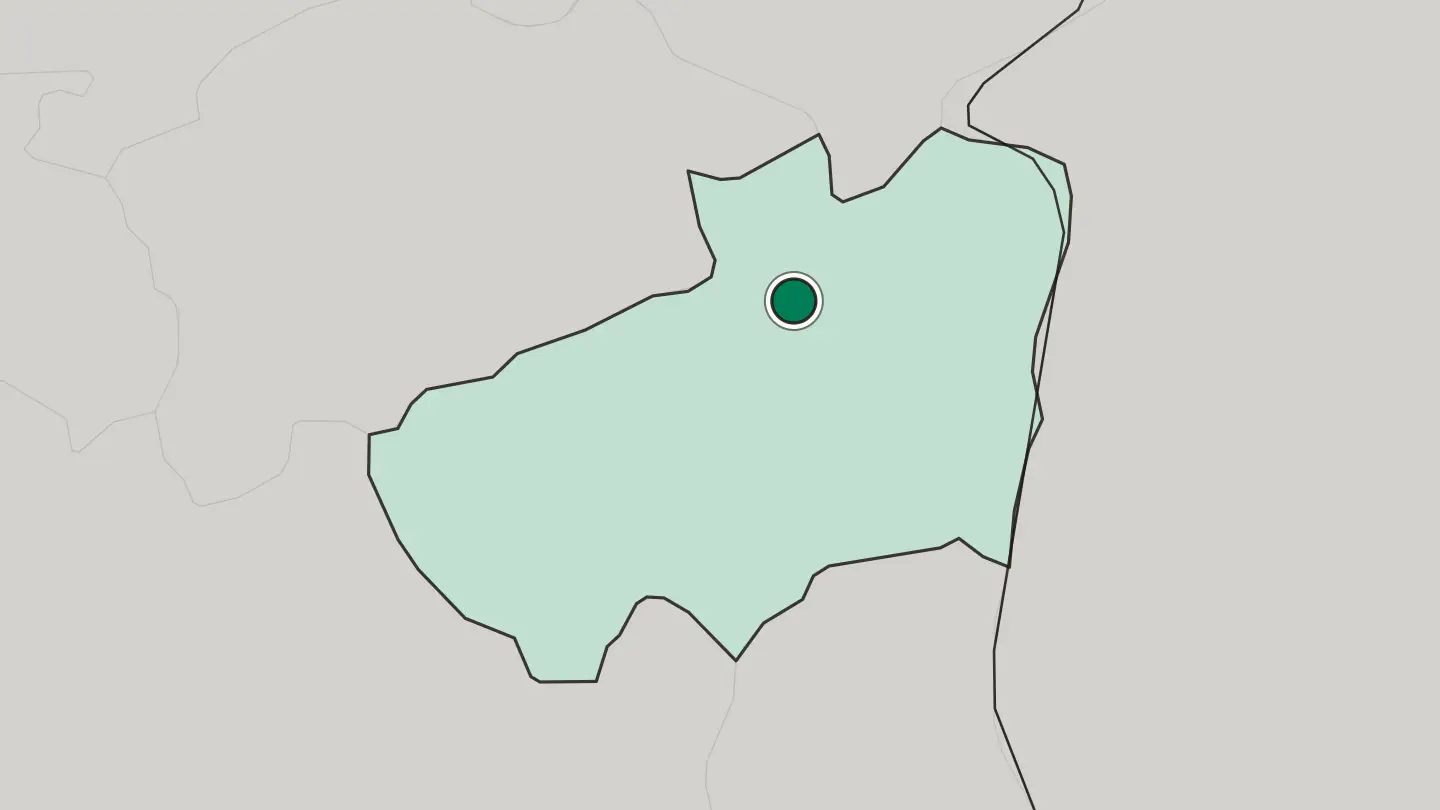
Hotel links are affiliate links: booking through them may earn us a commission, at no extra cost to you. It never affects how places are ranked. How this works
About Wilaya de Souk Ahras
Two things set this province apart.
What is Wilaya de Souk Ahras known for?
It is the cradle of Saint Augustine, born in the Roman-Numidian town of Thagaste that grew into modern Souk Ahras, and it is the source of the Medjerda, the river that waters much of northern Tunisia. Cork oak and Zeen oak forests darken the mountains of the north, while grain fields spread across the plains toward Sedrata in the west. The Roman ruins of Madauros lie south at M'Daourouch, where the young Augustine went to school.
Where is Wilaya de Souk Ahras?
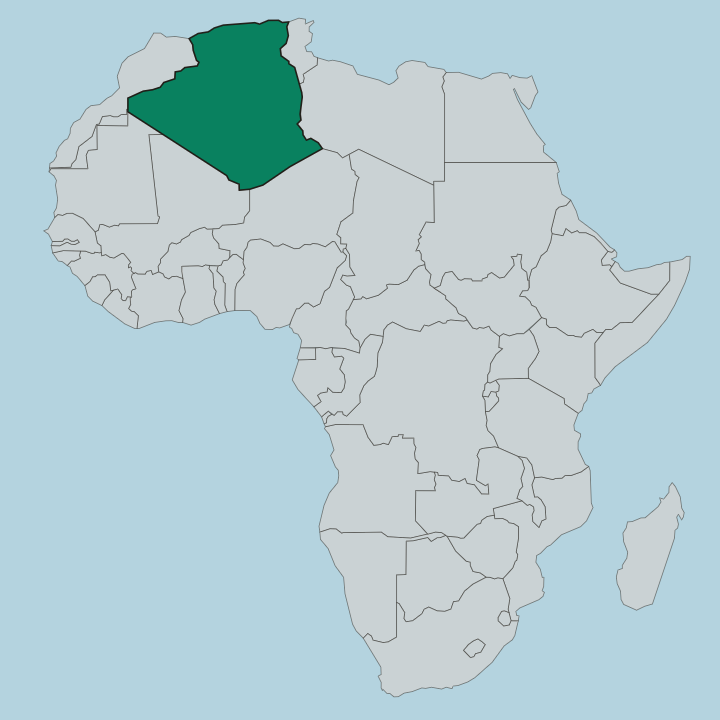
Wilaya de Souk Ahras occupies the extreme north-east of Algeria, pressed against the Tunisian border. The land falls into three bands. Wooded mountains fill the north, a belt of lowlands crosses the middle, and fertile plains open toward the south and west.
Souk Ahras itself sits in a basin ringed by forested peaks, chief among them Djebel Beni Salah and Djebel Ouled Moumen, the wall of hills that gave the ancient town its Berber name meaning 'the bag'. El Tarf and the Mediterranean coast lie to the north, Guelma and Oum el Bouaghi to the west, and Tébessa to the south. The Medjerda is born here.
It rises in the Tell Atlas above the town, then runs east across the frontier to become the main river of northern Tunisia, longest in that whole country. Cork oak and Zeen oak cloak the northern mountains, mixed with Aleppo pine, while wheat and barley cover the plains around Sedrata. Three dams, Ain Dalia, Oued Charef and Djedra, hold back the winter rains.
The port of Annaba lies about 90 km to the north-west, the province's window on the Mediterranean.
What is Wilaya de Souk Ahras like?
The province wears its Berber roots plainly. Most people here are Chaoui Berbers, and the name Souk Ahras itself joins the Arabic word for market to a Berber word for lions, 'the market of the lions', after the Barbary lions that once prowled these forests until they died out around 1930. Weekly markets still gather the farming villages of the plains, the old rhythm that the town's very name records.
Arabic is the official language; Chaoui Berber is the older tongue of the hills. Cork, grain and grazing flocks make the working year. Above all, this is Augustine's country.
Augustine was born in Thagaste in 354, the small Roman-Numidian town that became Souk Ahras, and a gnarled olive tree said to be his still draws pilgrims to a hill above the city. He was sent south to study at Madauros, the Roman town at M'Daourouch that had earlier produced Apuleius, author of the Latin novel 'The Golden Ass'. That double inheritance, Numidian and Roman, pagan and Christian, runs through the ruins, the churches and the local pride of the whole province.
Few corners of Algeria carry so much early Christian memory.
What is the history of Wilaya de Souk Ahras?
The story starts as Thagaste, a Numidian hill town that Rome absorbed and rebuilt. Its most famous son, Augustine, was born here in 354 and died Bishop of Hippo Regius, the Roman port later renamed Annaba, in the year 430. Arab dynasties followed Rome, and from 1830 the district fell under French Algeria, which laid the railway to the coast and opened iron and phosphate mines.
The rugged border country became a hard-fought corridor during the war of independence between 1954 and 1962. The province split from Guelma in 1984.
What is the climate of Wilaya de Souk Ahras?
Souk Ahras keeps a hot-summer Mediterranean climate, softened by its height in the hills. Wet, cool winters run from October to April, feeding the Medjerda and the dams, and snow dusts the higher peaks like Djebel Beni Salah. Summers turn hot and dry, though the town's basin escapes the fierce heat of the Saharan margins south toward Tébessa.
Most of the year's rain falls in the colder months; high summer stays nearly bone-dry. Green in spring, tawny by August.
How do you get to Wilaya de Souk Ahras?
The nearest airport sits at Annaba on the coast, roughly 90 km to the north-west. From there an electrified railway climbs inland to Souk Ahras, the same line that once hauled the region's iron ore and phosphate down to the port. Roads fan out from the capital across the plains and up into the border hills.
The frontier is close. Trains and highways cross east into Tunisia, and most visitors simply reach the province overland from the coast at Annaba.
Common questions
What is the best area to stay in Wilaya de Souk Ahras?
Souk Ahras: the Saint Augustine trail. Sedrata: the western grain plains. M'Daourouch: the Roman ruins of Madauros.
Good for
More regions in Algeria
Updated September 2026