Algeria · Wilaya de Tébessa
Where to Stay in Tébessa, Wilaya de Tébessa
Tébessa, the classical Theveste, is the capital of Tébessa Province, a walled city near the border with Tunisia.
Hotel links are affiliate links: booking through them may earn us a commission, at no extra cost to you. It never affects how places are ranked. How this works


Where to stay in Tébessa
The practical side of choosing where to sleep.
The wall decides the geography of a stay. Tébessa's oldest ground sits inside the wall that surrounds the city and its gates, and staying within that circuit means the classical remains, the gates themselves, and the carpets the city is known for are all reachable on foot. Nothing there is far apart.
That compactness is the strongest argument for a central room, particularly for a short visit built around Theveste rather than around the province. Antiquity pulls the other way slightly. The Tebessa Basilica is the single set piece that most visitors want, and a bed near it shortens the mornings for anyone who plans to spend them among the ruins of Theveste.
You will still walk into the centre. Tébessa is not large enough for the two choices to feel different, and the wall keeps most of what matters inside one perimeter. The frontier changes the calculus.
Tébessa Province runs up to the border with Tunisia, and travellers crossing the next morning often take a room on the outward side of the city rather than deep inside the walls. Beds thin out toward the line. Anything beyond the city is small, so the sensible plan is a night in Tébessa and an early start rather than a search for lodging closer to Tunisia.
Find hotels in Tébessa
Direct booking searches for these neighbourhoods.
Inside the walled city
The wall that surrounds the city and its gates keeps Tébessa's oldest quarter and its carpet reputation inside a single circuit.Find hotels in Inside the walled cityantiquity first, with Theveste on the doorstepAround the Tebessa Basilica
A bed near the Tebessa Basilica shortens the mornings for anyone treating the classical remains as the reason for the trip.Find hotels in Around the Tebessa Basilicaan early crossing toward TunisiaThe Tunisian border side of Tébessa Province
Tébessa is the last substantial stop before the frontier, so an outward-facing room saves doubling back through the gates. Few places to stay nearby — book ahead.Find hotels in The Tunisian border side of Tébessa ProvinceHotel links are affiliate links: booking through them may earn us a commission, at no extra cost to you. It never affects how places are ranked. How this works
About Tébessa
Carpets and walls make its name.
What is Tébessa known for?
Tébessa is known for traditional Algerian carpets, and for the wall that surrounds the city and its gates, which together give the place a reputation owing nothing to beaches or mountains. Theveste lies underneath. The classical city and the Tebessa Basilica draw the visitors who come for antiquity rather than for the border country toward Tunisia.
What are the main landmarks in Tébessa?
Two names sit on one site. Theveste is the classical city beneath Tébessa, and the Tebessa Basilica is the most substantial thing standing from that period, which is why the ruins rather than the modern streets fill most itineraries. The wall completes it.
Circuits of the wall that surrounds the city and its gates are the landmark Tébessa Province is best known for, and following one is the simplest way to see how the old town was held.
What is the history of Tébessa?
Theveste is the older name. The classical city stood on the same ground that Tébessa occupies, and the shift from one name to the other is the clearest marker of the long occupation of the site. Both spellings survive.
Tébessa and Tebessa are both written, and the two forms attach to the same city without either one displacing the other. Defences shaped the town. The wall that surrounds the city and its gates is the most notable of the historical landmarks here, and its survival explains why the old core still reads as a contained and defensible block rather than an open grid.
The Tebessa Basilica belongs to the same deep layer. Visitors who come for antiquity generally start there, before the walls and well before the border. Craft carried the name outward.
Tébessa became known for traditional Algerian carpets, a reputation that travelled further than the town itself and still stands as the thing the city is named for outside the province. Tunisia is close. The border with Tunisia has kept Tébessa a frontier town in practice, the last sizeable place on the Algerian side of that line and the one where journeys in either direction tend to pause.
Where is Tébessa?
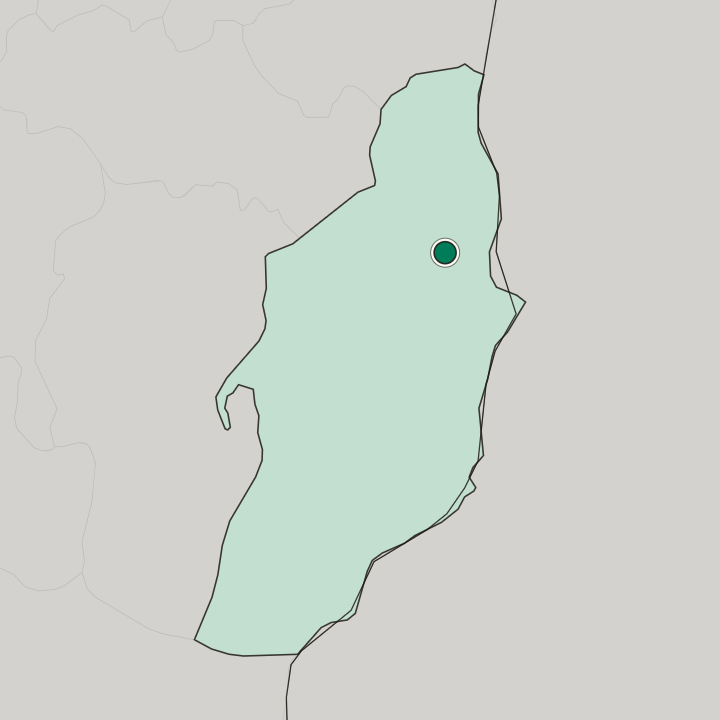
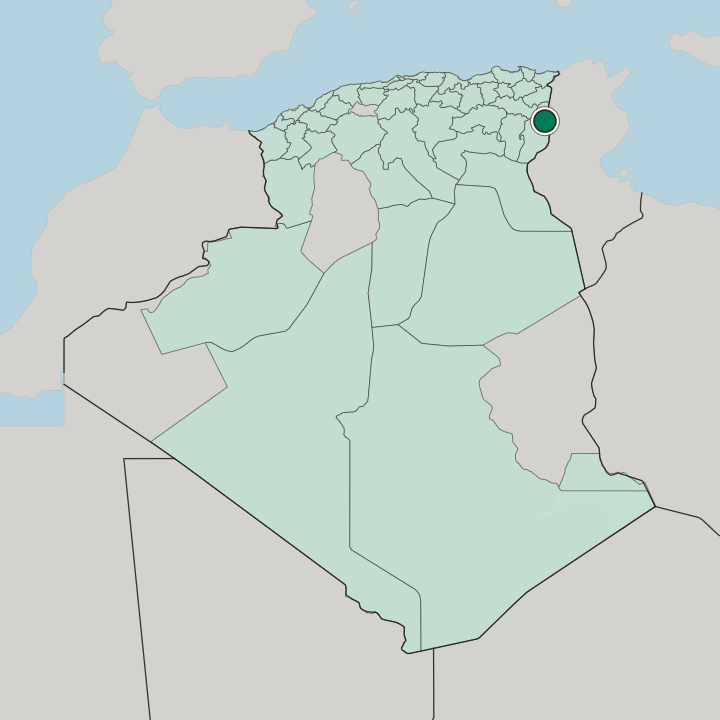
Tébessa sits close to Tunisia. The city stands near the border with Tunisia at the head of Tébessa Province, a large wilaya whose ground runs out from the walled town toward the frontier in one direction and deeper into Algeria in the other. Old Tébessa covers only a small patch.
Walls still define it, so the built-up part reads as a tight block set inside a much wider province.
What is the climate of Tébessa?
Seasons here are strongly marked. Tébessa falls inside the temperate band of the northern hemisphere, which gives Tébessa Province a hot stretch through the middle of the year and a distinctly cooler turn at either end of it. Timing matters for the ruins.
Walking Theveste and the wall that surrounds the city and its gates is far easier outside the hottest months, so spring and autumn take most of the visits.
How do you get to Tébessa?
Land routes do all the work here. Tébessa is reached overland, and the routes that matter are the ones running up to the border with Tunisia and the ones connecting the city to the rest of Tébessa Province. The frontier is the notable one.
Crossings toward Tunisia make Tébessa a natural stopping point on a journey between the two countries rather than a place most people reach as a destination in itself.
Common questions
What is the best area to stay in Tébessa?
Inside the walled city: walking the gates and the Theveste ground on foot. Around the Tebessa Basilica: antiquity first, with Theveste on the doorstep. The Tunisian border side of Tébessa Province: an early crossing toward Tunisia.
Good for
Updated September 2026