Ecuador · Provincia del Carchi
Where to Stay in Tulcán, Provincia del Carchi
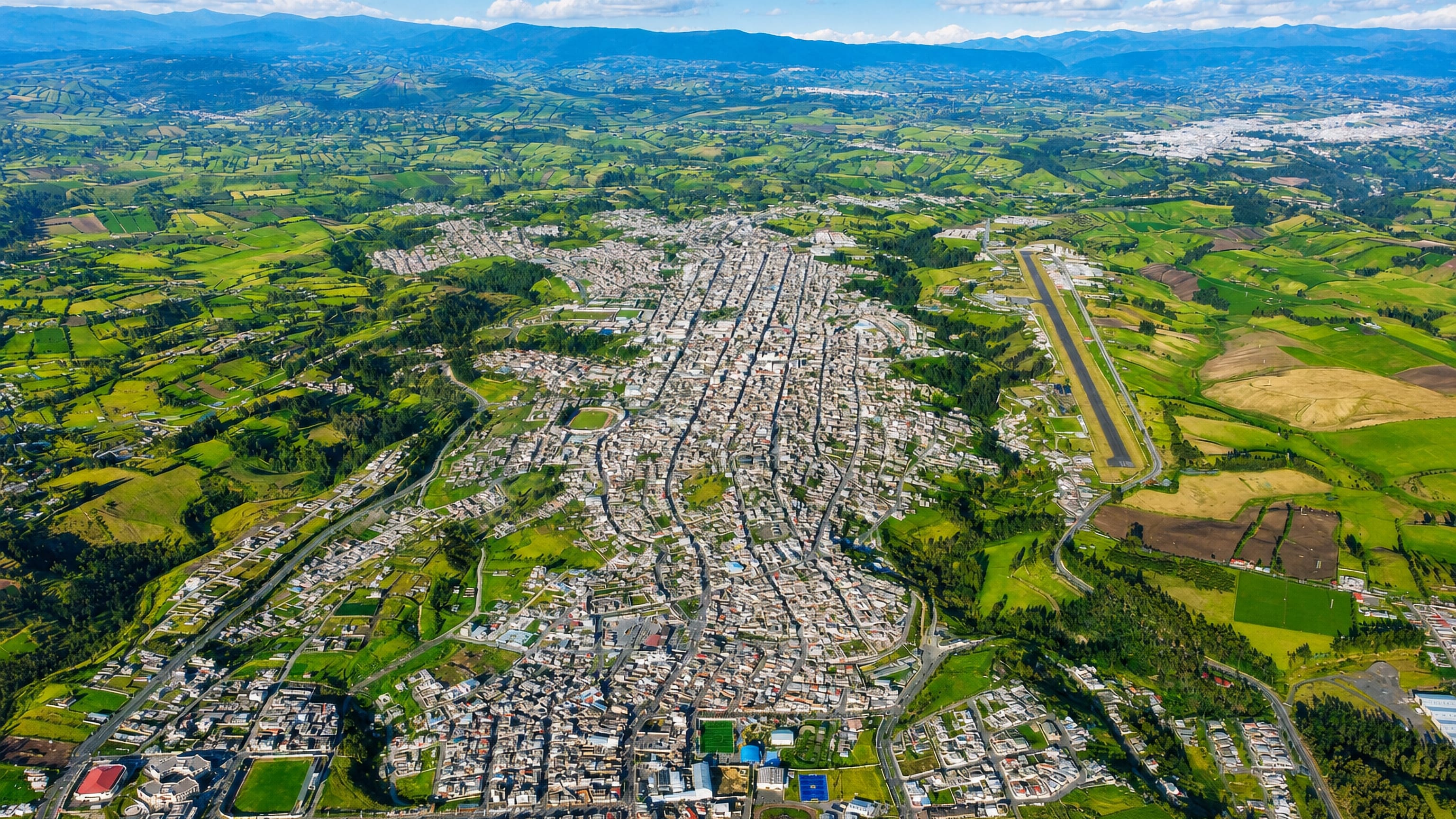
Clipped cypress fills the cemetery. Tulcán, capital of Carchi and Ecuador's highest city, stands 7 kilometres from the Colombian border.
Hotel links are affiliate links: booking through them may earn us a commission, at no extra cost to you. It never affects how places are ranked. How this works


Where to stay in Tulcán
How the choice of base plays out on the ground.
Tulcán is a border town first, and the beds reflect it. Most arrivals are heading somewhere else. The centre carries what the city has, within reach of the topiary garden cemetery and the provincial offices that come with being the capital of Carchi, which makes it the sensible base for anyone actually stopping.
Cold nights are the thing to plan for, because the city sits close to three thousand metres up in the Andes Mountains and evenings at that height are cold. Book the centre. Outside the centre, choices narrow.
The road running the 7 kilometres to the border with Colombia suits anyone who wants to cross at first light, though it offers little reason to linger beyond that. Hot springs are the other pull. Tulcán Canton's springs and deep wells give a stay here a purpose beyond transit, and they are the main argument for booking two nights instead of the single one most border traffic allows itself.
Franco's clipped cypress rewards daylight, so a crossing planned for the afternoon leaves the morning free for the cemetery and the springs both.
Find hotels in Tulcán
Direct booking searches for these neighbourhoods.
Central Tulcán
The middle of Ecuador's highest city, where the topiary garden cemetery and the offices that come with being capital of Carchi stand close togetherFind hotels in Central TulcánFirst-light crossings into Colombia, 7 kilometres out from TulcánThe border road
The frontier edge of Tulcán Canton, picked for the Colombia crossing rather than for the city, with rooms thinning fast away from the centre. Rooms are few around here — worth securing early.Find hotels in The border roadHotel links are affiliate links: booking through them may earn us a commission, at no extra cost to you. It never affects how places are ranked. How this works
About Tulcán
The cemetery does it.
What is Tulcán known for?
José Maria Azael Franco began clipping Cupressus sempervirens into figures in 1936, and the 3-acre topiary garden he left behind is described as the most elaborate in the New World. Hot springs and deep wells draw their own visitors to Tulcán, and the crossing into Colombia brings a steady stream who never intended to stop at all.
What are the main landmarks in Tulcán?
The cemetery is the landmark. José Maria Azael Franco started shaping Cupressus sempervirens there in 1936, and the 3-acre garden of clipped figures is called the most elaborate topiary in the New World. Hot springs sit alongside it in what Tulcán is known for, together with the deep wells that give the city its second reputation.
What is the history of Tulcán?
Tulcán dates from 1535. What the city has been since then is largely fixed by two things: its place at the north end of the Andes Mountains in Ecuador, and its position 7 kilometres short of the frontier with Colombia. Carchi made it the capital.
The province's business has run through Tulcán Canton's seat ever since, which is why provincial administration counts for as much here as the crossing does. The topiary is a twentieth-century addition. José Maria Azael Franco began clipping Cupressus sempervirens in the cemetery in 1936, and the 3-acre garden that grew out of that work is described as the most elaborate in the New World.
That single project reshaped what Tulcán means to people who have never crossed here, and it did so within living memory rather than across the four centuries behind it. Height set the limits on all of it. Tulcán stands as the highest city in Ecuador, close to three thousand metres up in the Andes Mountains, and the whole of its 15 square kilometres sits at that height.
Hot springs and deep wells belong to that ground. The frontier does the rest, since the crossing into Colombia is what brings most traffic through Tulcán at all.
Where is Tulcán?
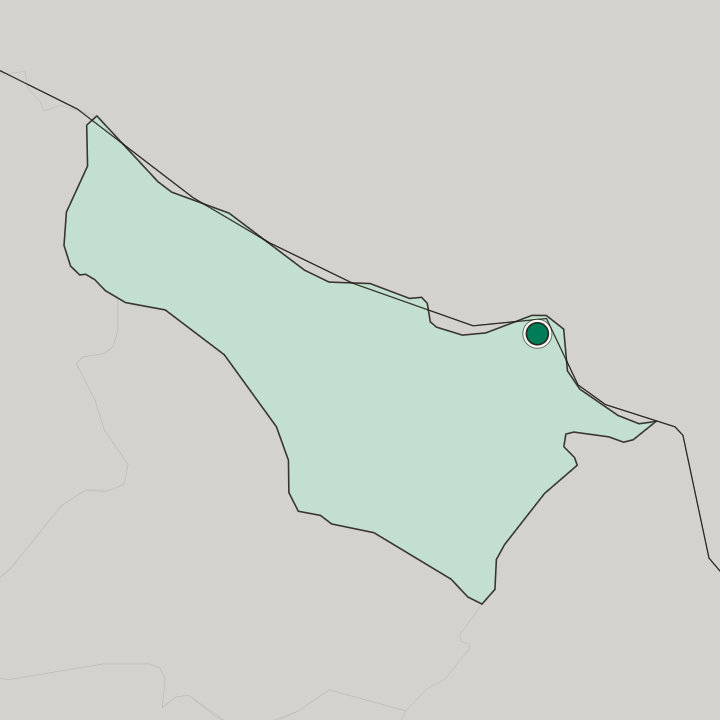
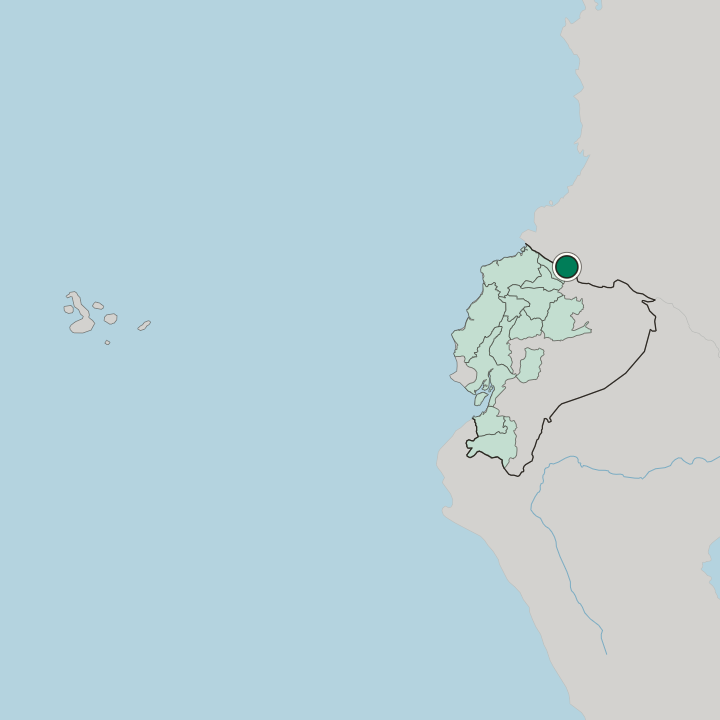
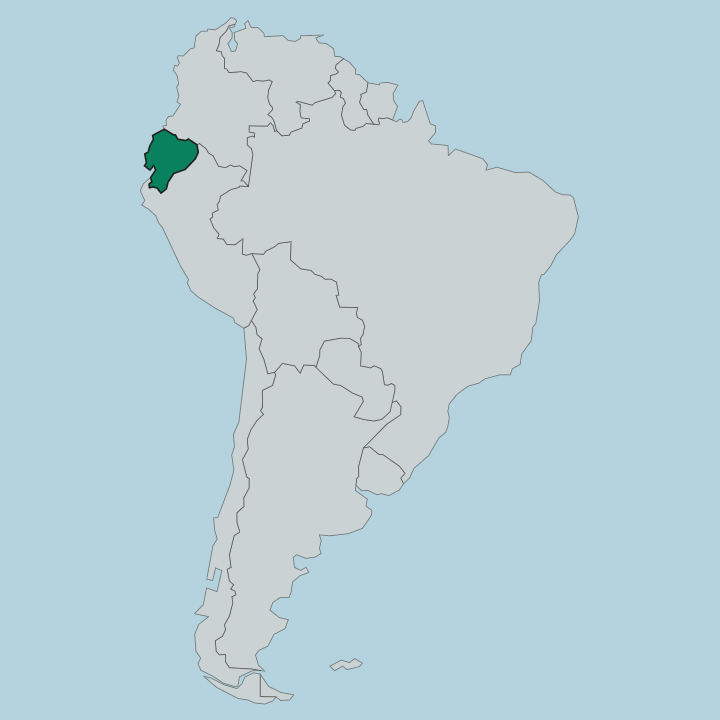
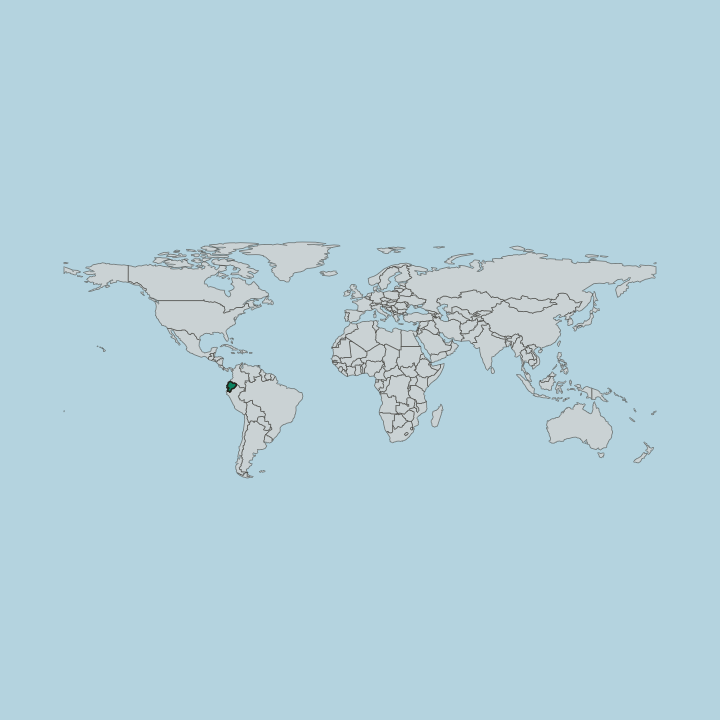
Altitude defines the ground. Tulcán sits close to three thousand metres up at the north end of the Andes Mountains in Ecuador, the highest city in the country, spread across about 15 square kilometres of Carchi. The border with Colombia is 7 kilometres off.
That is close enough that Tulcán serves as the main border crossing to Colombia, and the run out to the line takes very little of a morning.
What is the climate of Tulcán?
The Andes Mountains set the temperature. Tulcán sits in the tropical band but close to three thousand metres up, so the heat implied by the one is cancelled by the other, and evenings run cold through the year. Days vary little.
Hot springs make a good deal more sense once the Carchi evening has come down over the city.
How do you get to Tulcán?
The crossing organises everything. Tulcán is the main border point between Ecuador and Colombia, and the 7 kilometres from the city out to the line are what most arrivals here are actually travelling for. Roads come up through the Andes Mountains.
Anyone approaching from the south is climbing to close to three thousand metres to reach Carchi's capital, so the journey takes longer than the map distance suggests.
Common questions
What is the best area to stay in Tulcán?
Central Tulcán: Mornings given over to José Maria Azael Franco's clipped cypress figures. The border road: First-light crossings into Colombia, 7 kilometres out from Tulcán.
Good for
Updated September 2026