Estonia · Harjumaa
Where to Stay in Tallinn, Harjumaa
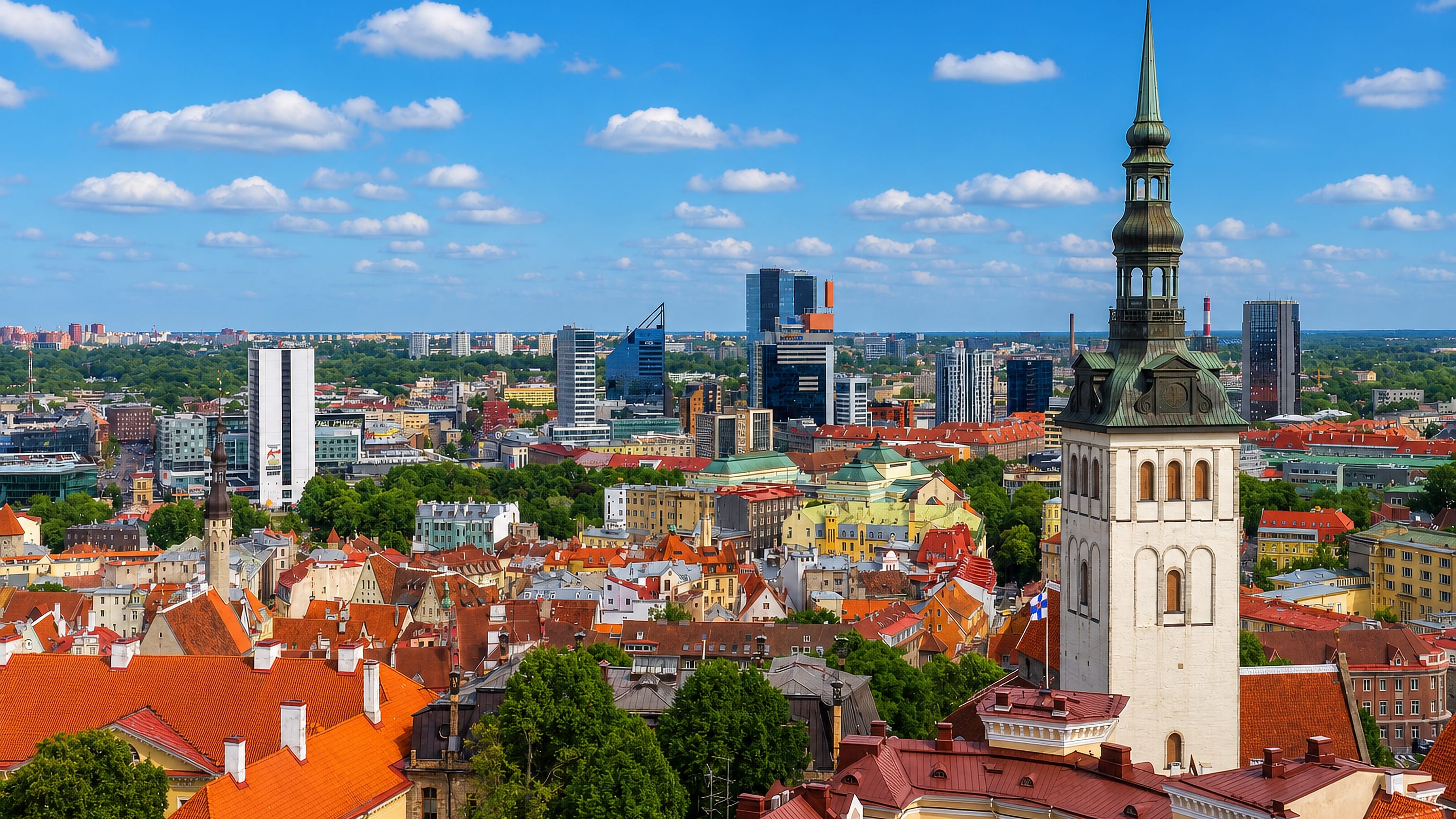
Tallinn is the capital and largest city of Estonia, its walled medieval Old Town rising on a hill above the Gulf of Finland.
Hotel links are affiliate links: booking through them may earn us a commission, at no extra cost to you. It never affects how places are ranked. How this works


Where to stay in Tallinn
Where you base yourself shapes the visit — here's the character of each area.
 TallinnEstonia
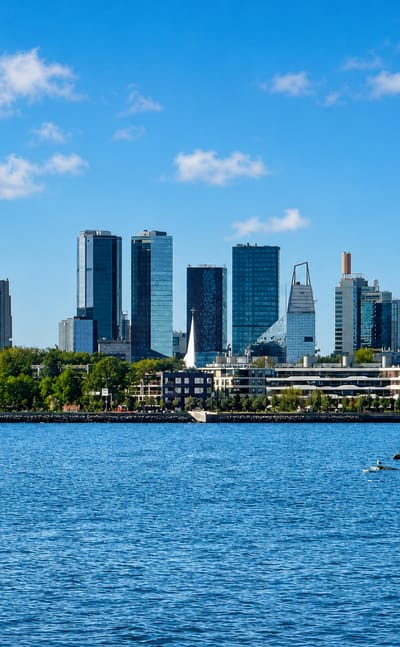
Kesklinn
Central district wrapping the walled Old Town and Toompea castle hill, a short walk from the port.Kesklinn →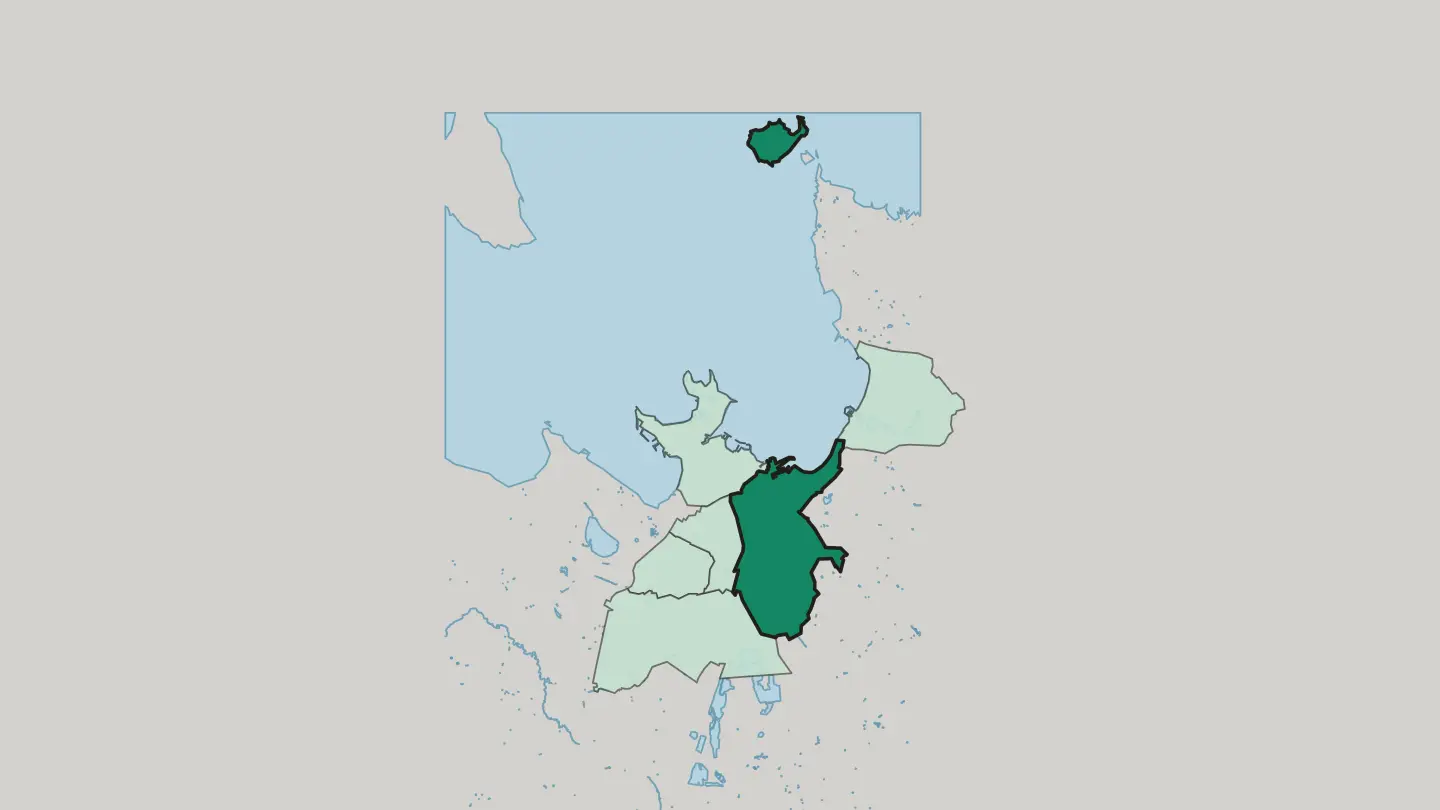
 TallinnEstonia
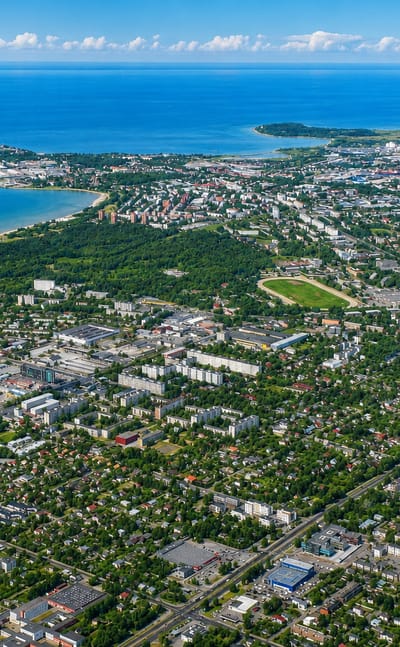
Põhja-Tallinn
Former industrial quarter on the Gulf of Finland by the passenger port and ferry terminals.Põhja-Tallinn →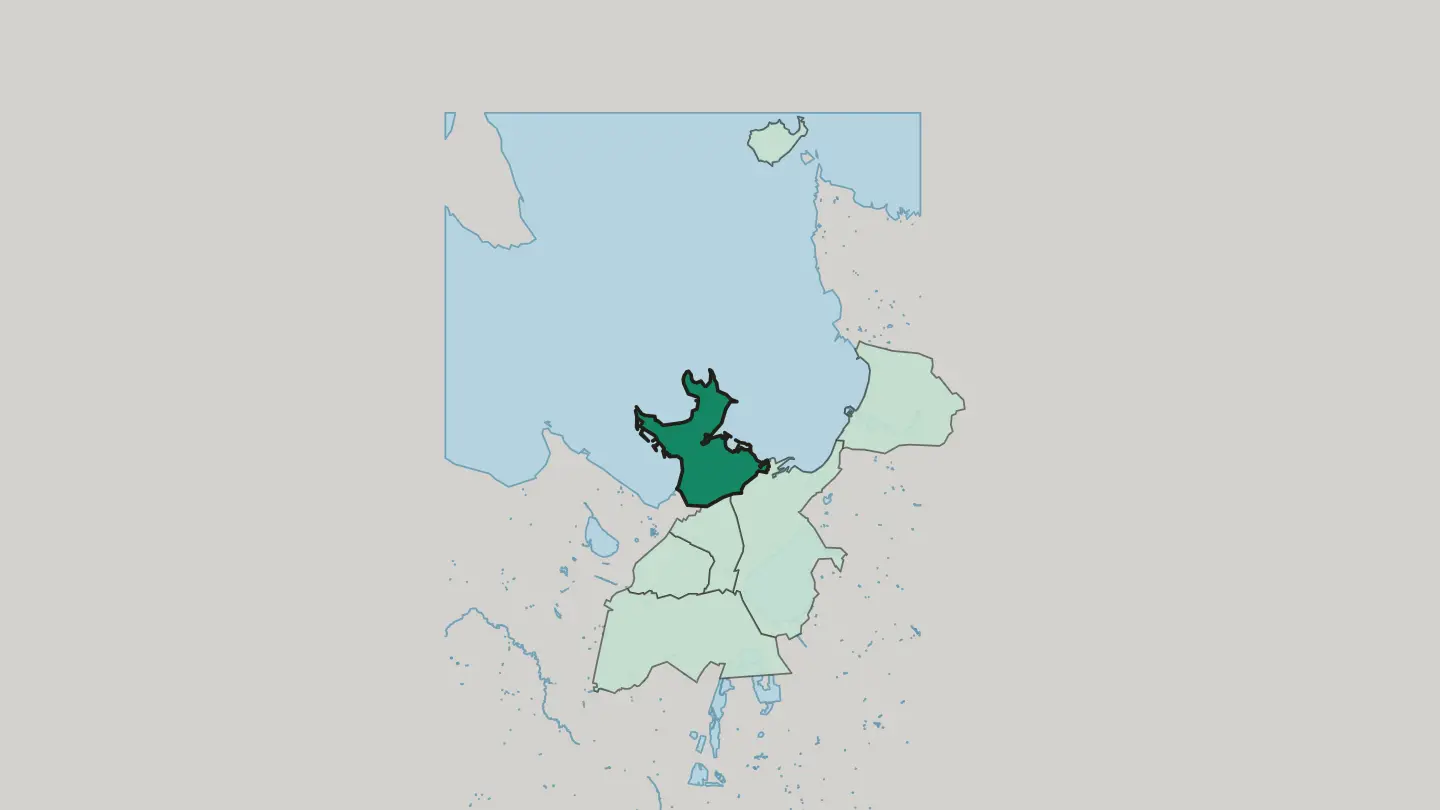
 TallinnEstonia
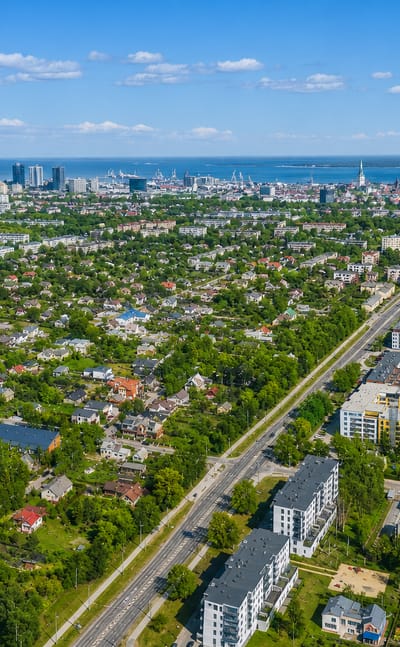
Kristiine
Kristiine is a district of Tallinn in Estonia, a quarter of the surrounding Harjumaa region near the Firefighters Memorial.Where to stay →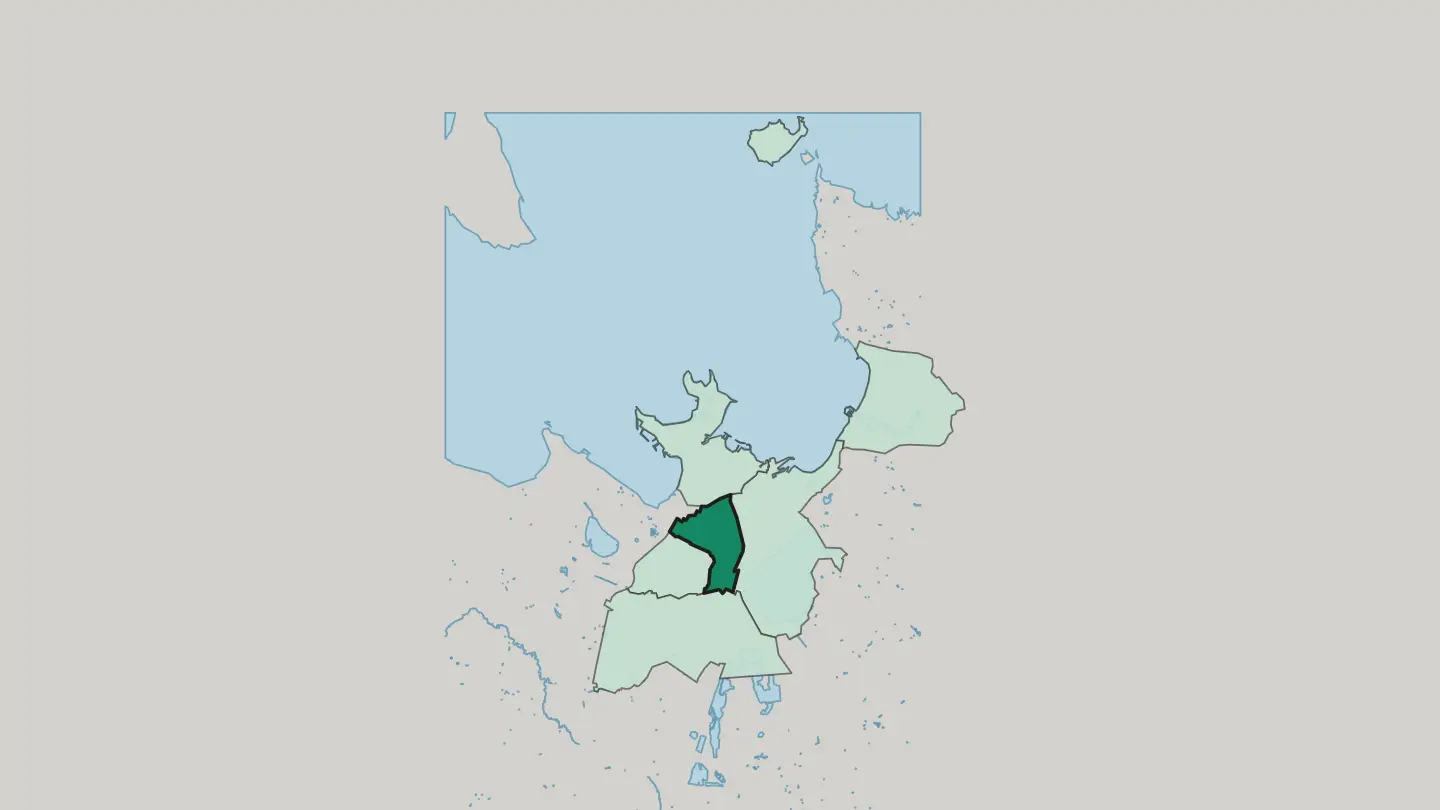
 TallinnEstonia
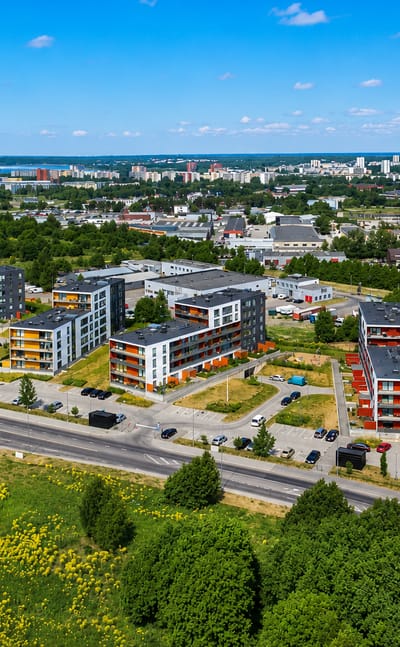
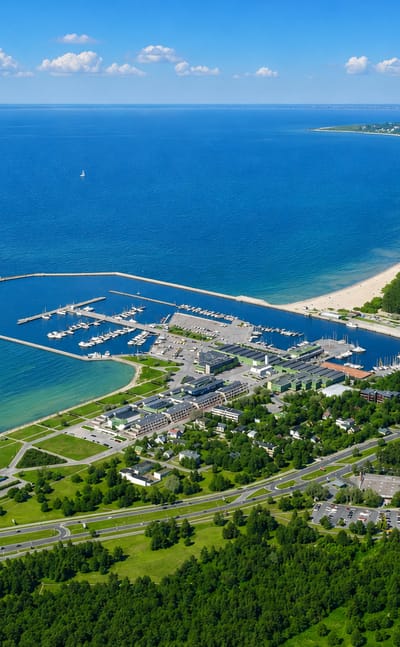
Mustamäe
Mustamäe is the smallest of Tallinn's eight districts by area, a quarter of panel blocks of flats in the capital of Estonia.Where to stay →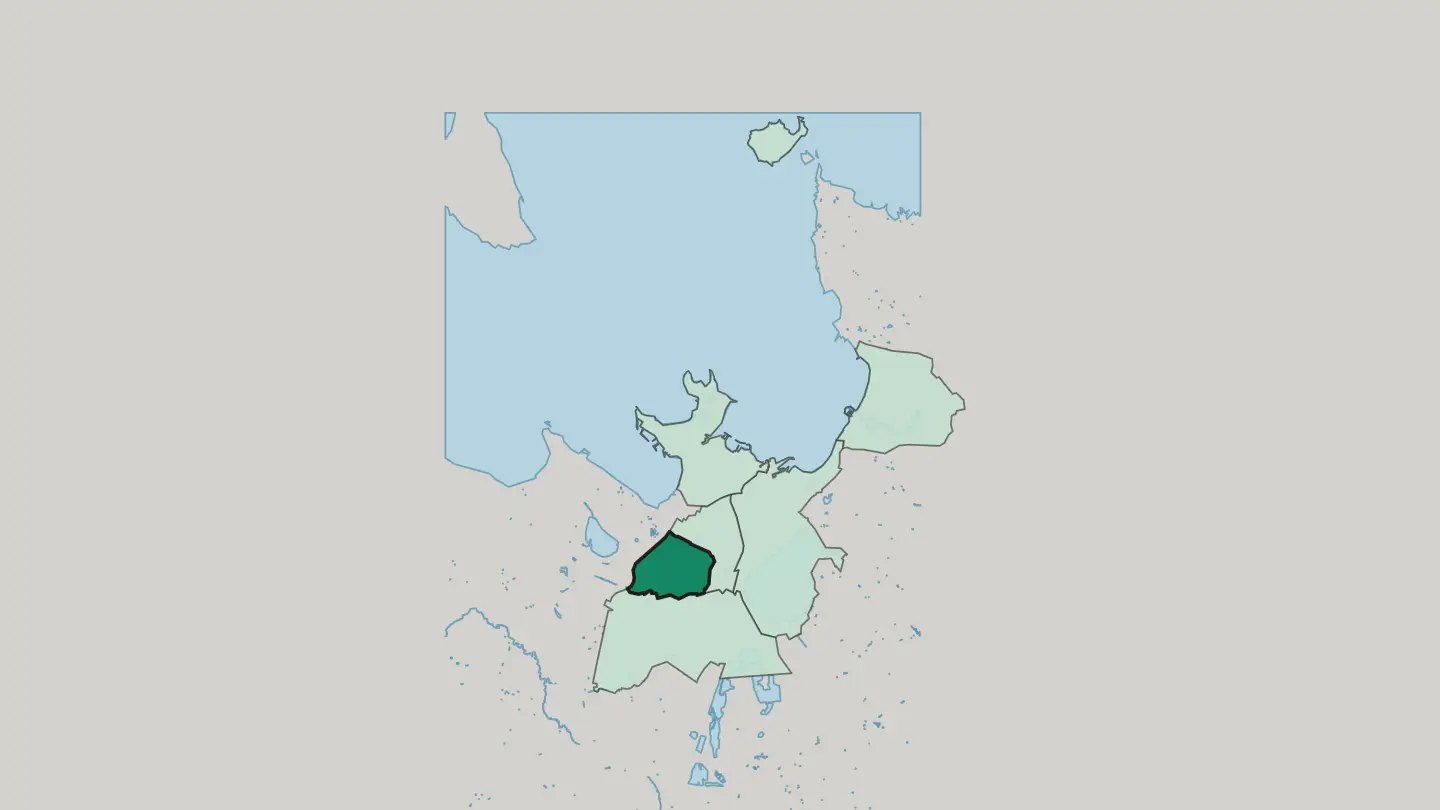
 TallinnEstonia
Pirita
Pirita is a district of Tallinn set around the grounds of the Pirita Convent, one of eight quarters of the Estonian capital.Where to stay →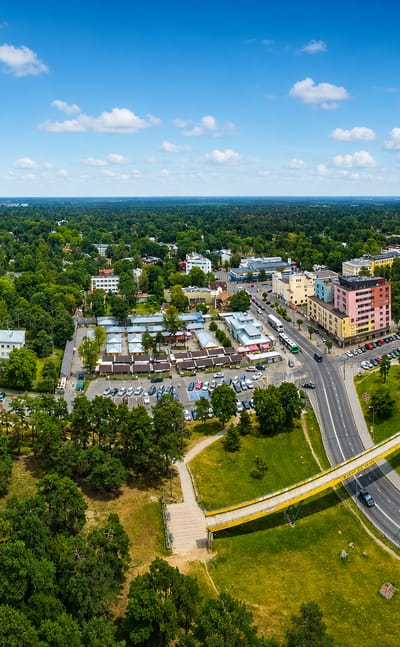 TallinnEstonia
Nõmme
Nõmme is the leafy Forest Town of Tallinn, a suburban district of listed private homes in Estonia.Where to stay →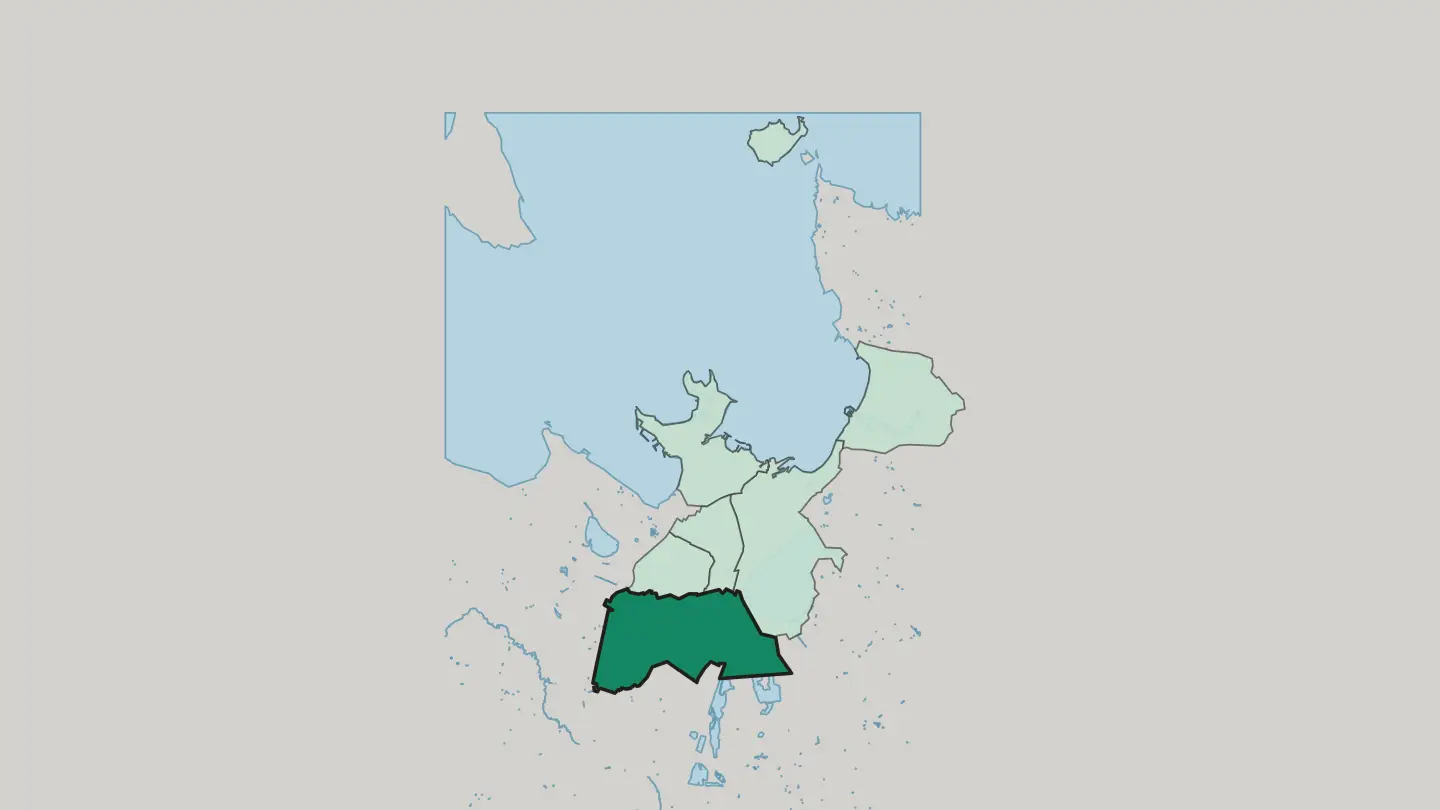
Hotel links are affiliate links: booking through them may earn us a commission, at no extra cost to you. It never affects how places are ranked. How this works
Things to do in Tallinn
Ranked by global recognition; descriptions from Wikidata (CC0).
Museums & Galleries
3- Kumu
- Vabamu Museum of Occupations and Freedom
- Estonian Museum of Natural History
Churches & Religious Sites
8- St. Olaf's Church Heritage
- St. Nicholas' Church Heritage
- St. Mary's Cathedral Heritage
- Pirita Convent Heritage
- Church of the Holy Spirit Heritage
Show 3 more →
- Saint Catherine's Monastery Heritage
- St. Peter's and St. Paul's Cathedral Heritage
- Charles' Church Heritage
Castles & Historic Sites
3- Toompea Castle Heritage
- Russalka Memorial Heritage
- Broken Line
Stadiums & Sports
1- Tallinn Hippodrome
worth knowingacross 4 categories in Tallinn
About Tallinn
What is Tallinn known for?
Tallinn is known for one of the best-preserved medieval old towns in Europe. Its walled Old Town, a UNESCO World Heritage Site, climbs from the passenger port on the Gulf of Finland to the castle hill of Toompea, its skyline pricked by the spires of St. Olaf's Church and the Church of the Holy Spirit. The old walls still stand.
Ships dock below the towers. People know Tallinn for its medieval core, its church spires, and the Baltic port that made the city, once known across the world as Reval.
What are the main landmarks in Tallinn?
Tallinn keeps most of its landmarks inside the Old Town. Toompea Castle crowns the upper town on its hill, ringed by the medieval churches of St. Mary's Cathedral, St. Nicholas' Church, and the Church of the Holy Spirit, while the tall spire of St. Olaf's Church marks the lower town below. The old walls tie them together.
Beyond the walls, the War of Independence Victory Column rises above the city, the Vabamu Museum of Occupations and Freedom tells the modern story, and the Kumu art museum holds the national collection.
What is the history of Tallinn?
Tallinn grew up around its harbour and its hill. From the 13th century the town on the Gulf of Finland was known across the Baltic as Reval, a walled trading port whose merchants raised the churches and gabled houses that still fill the Old Town. Toompea held the power.
The castle on the upper hill looked down over the lower town of traders, and the two grew together into the medieval city that survives, almost intact, as a UNESCO World Heritage Site above the sea. The name Reval held until the first half of the 20th century, when the city took its Estonian name of Tallinn and became the capital of a new republic. Independence was hard-won.
The War of Independence Victory Column recalls that fight, while the Vabamu Museum of Occupations and Freedom keeps the memory of the occupations that followed in the same century. Through all of it, the walls of the Old Town stood. From a medieval Baltic port called Reval to the capital of Estonia, Tallinn carries eight centuries of history within its walls on the Gulf of Finland.
Where is Tallinn?
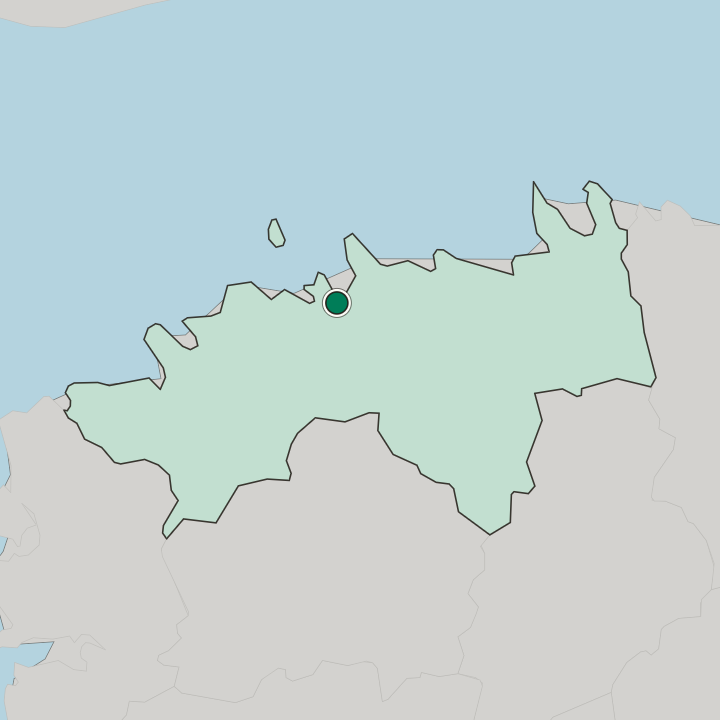
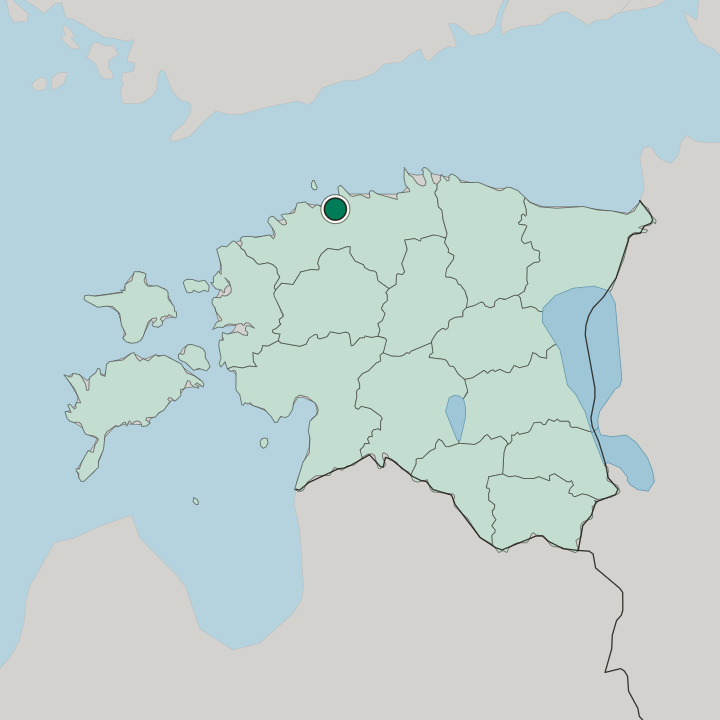
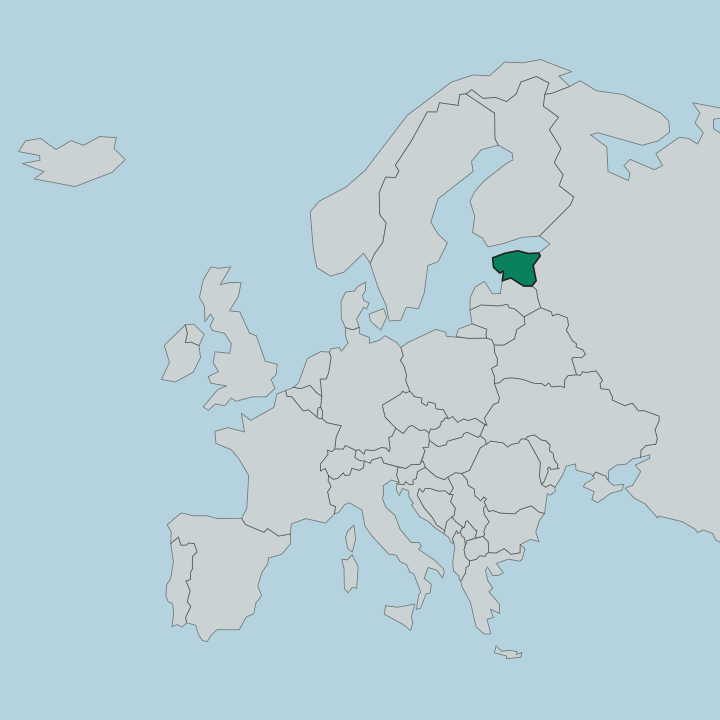
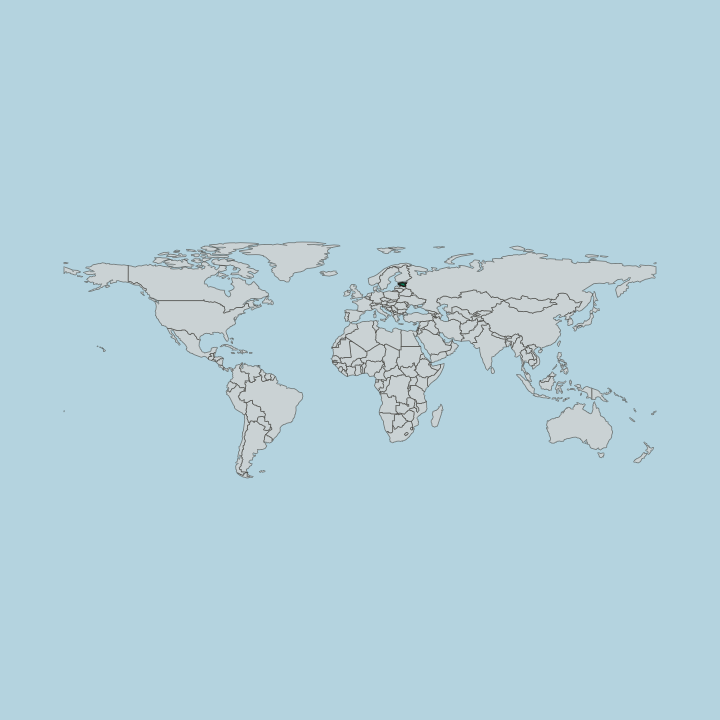
Tallinn stands on a bay on the shore of the Gulf of Finland, part of the Baltic Sea, in Harju County. The city climbs from the harbour up onto the hill of Toompea and spreads inland from the bay across low coastal ground, with the medieval Old Town gathered where the hill meets the sea. Helsinki lies across the water. From the ferry port the Finnish capital is a short crossing north over the gulf, while Tallinn holds the coast on the Estonian side of the water.
What is the climate of Tallinn?
Tallinn has a cool temperate climate shaped by the Gulf of Finland. Summers are short, mild, and light, with long white evenings over the bay, while winters run long, cold, and dark, freezing the harbour edges and dusting the Old Town in snow. The sea holds off the worst cold.
Spring and autumn are grey and wet, with wind driving in off the Baltic Sea.
How do you get to Tallinn?
Tallinn is easy to reach by air and sea. Its airport sits close to the centre, and the busy passenger port on the Gulf of Finland runs ferries across to Helsinki and out along the Baltic Sea. Ferries dock beneath the Old Town.
Roads and rail link the capital south through Harju County to the rest of Estonia, so the city is quick to enter from the water or from the land.
Common questions
What is the best area to stay in Tallinn?
Kesklinn: The medieval Old Town at your door. Põhja-Tallinn: Harbour-side, near the ferries.
Good for
Updated October 2026