Estonia · Ida-Virumaa
Where to Stay in Narva, Ida-Virumaa
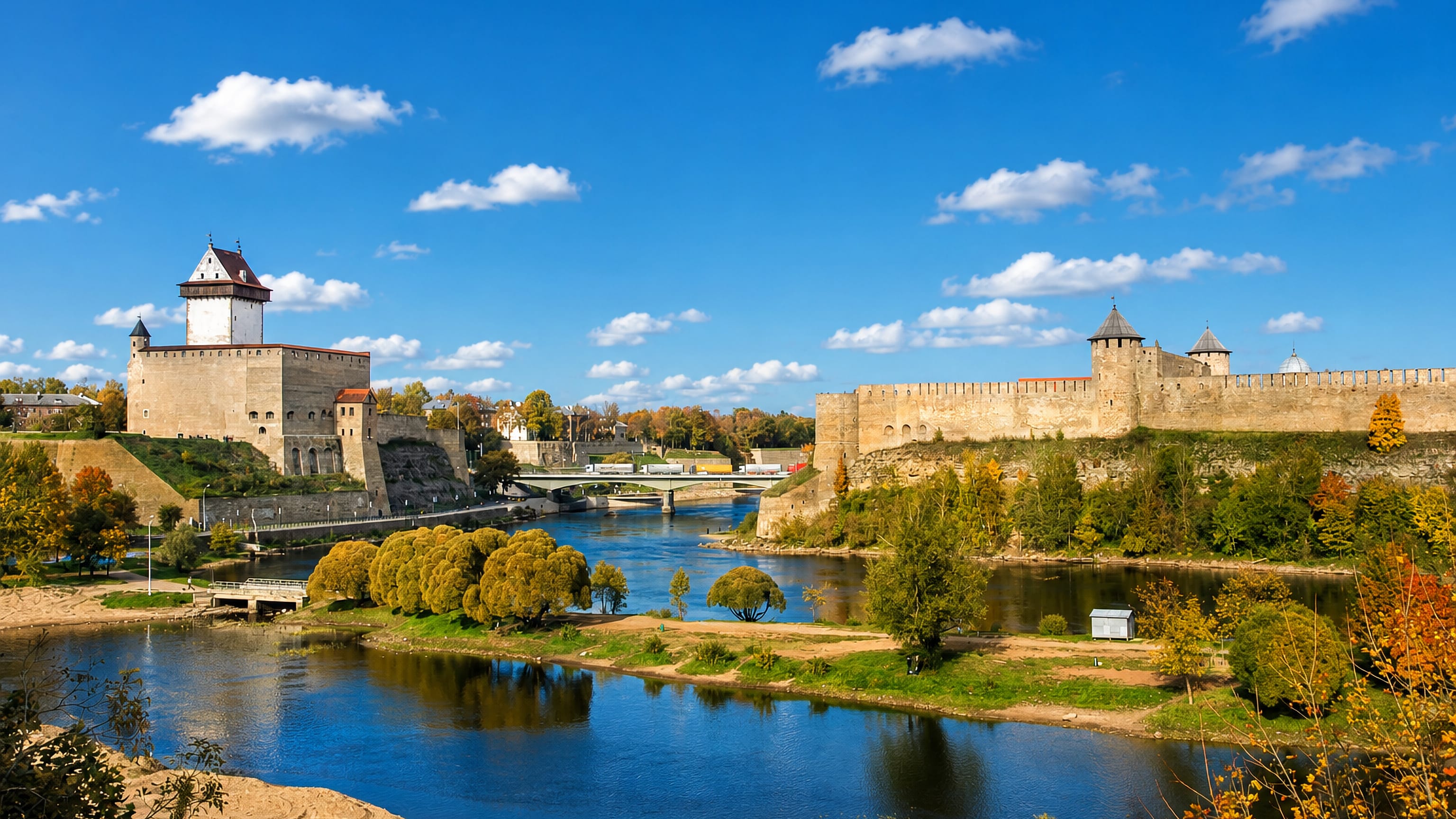
Hermann Castle rises above the Narva river, the easternmost city in Estonia, set in Ida-Virumaa on the west bank of the border stream.
Hotel links are affiliate links: booking through them may earn us a commission, at no extra cost to you. It never affects how places are ranked. How this works


Where to stay in Narva
How the choice of base plays out on the ground.
Narva gathers along the west bank of the Narva river, and where you stay follows that riverfront. The historic core sits beneath Hermann Castle, whose tall keep looks out over the water toward the far bank. Close by rise Alexander's Cathedral and the Orthodox Narva Pühade Kirilluse ja Metoodiuse kirik, so a base near the castle puts the main sights within an easy walk.
Away from the river the streets open out. The Lutheran Narva Jaani kirik and the monument to the chess master Paul Keres mark the wider town. Green pockets lie toward the outskirts.
The Siivertsi monument grounds sit among them. For a first visit, base yourself by the castle and the cathedrals on the riverfront; if you want a calmer, more residential stay, look to the streets set back from the border and its crossing.
Find hotels in Narva
Direct booking searches for these neighbourhoods.
Riverfront by the castle
Hermann Castle and Alexander's Cathedral stand together on the Narva river bank near the crossing.Find hotels in Riverfront by the castleQuieter, residential stays away from the crossingStreets set back from the border
The Narva Jaani kirik and the Siivertsi monument grounds give the inner streets a calmer feel off the riverfront.Find hotels in Streets set back from the borderHotel links are affiliate links: booking through them may earn us a commission, at no extra cost to you. It never affects how places are ranked. How this works
Things to do in Narva
Ranked by global recognition; descriptions from Wikidata (CC0).
Churches & Religious Sites
3- Alexander's Cathedral Heritage
- Narva Jaani kirik
- Narva Pühade Kirilluse ja Metoodiuse kirik
Castles & Historic Sites
3- Hermann Castle Heritage
- Siivertsi monument Heritage
- Monument Põhjasõjas Narva piiramisel langenud vene sõjaväelastele Heritage
worth knowingacross 2 categories in Narva
About Narva
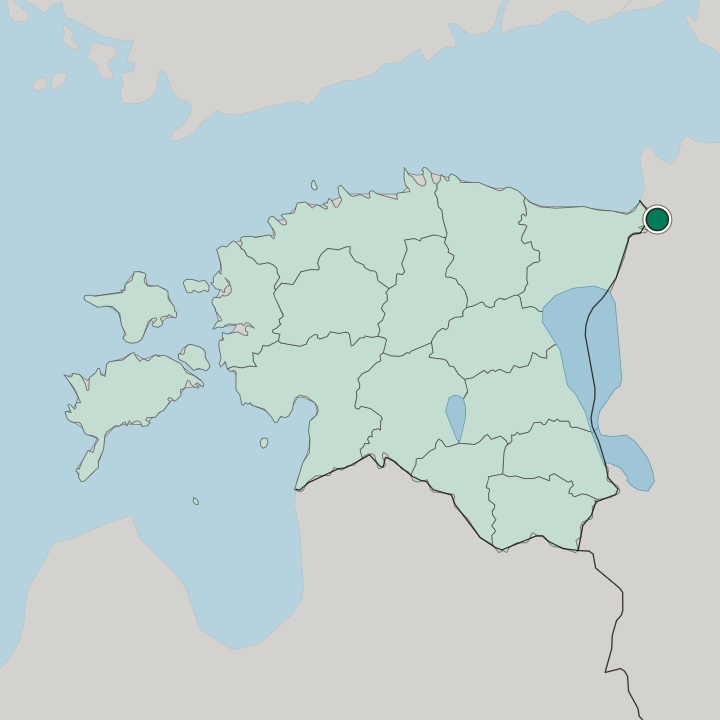
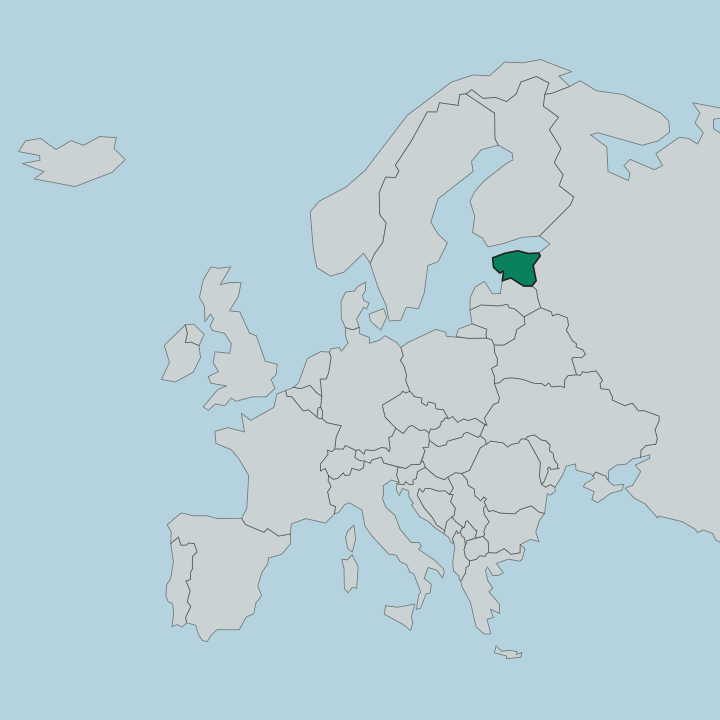
Narva is the easternmost city in Estonia.
What is Narva known for?
It is the third-largest after Tallinn and Tartu, standing on the west bank of the Narva river, which runs north to form the international border between Estonia and Russia along its whole course. Hermann Castle guards the crossing from the Estonian side. Towers and cathedrals define the town.
What are the main landmarks in Narva?
Narva's landmarks stand along the river and mark its long frontier history. Hermann Castle is the great fortress on the west bank, its keep the tallest of the town. Cathedrals gather near the water.
Alexander's Cathedral and the Orthodox Narva Pühade Kirilluse ja Metoodiuse kirik anchor the religious skyline, while the Lutheran Narva Jaani kirik and the monument to the chess master Paul Keres carry the city's cultural memory.
What is the history of Narva?
Narva took its charter in 1345, a fortified town on the west bank of the Narva river at the eastern edge of what is now Estonia. The river was always a frontier, and the great keep of Hermann Castle rose to hold the crossing. Trade and war passed over the town for centuries along this contested water line.
The stone frontier defined every age. Hermann Castle looked across the river toward the fortress on the far bank, and the two strongholds faced each other over the water. The Great Northern War brought fighting to the walls, remembered now by the monument to the Russian soldiers who fell in the siege.
Later the city grew into an industrial river town in the Ida-Virumaa borderland. Much of the old centre was destroyed in the Second World War and rebuilt afterward. Yet Alexander's Cathedral and the churches endured or returned.
So the history of Narva is written in stone and water. It is a frontier town shaped, above all, by the river it stands upon.
Where is Narva?
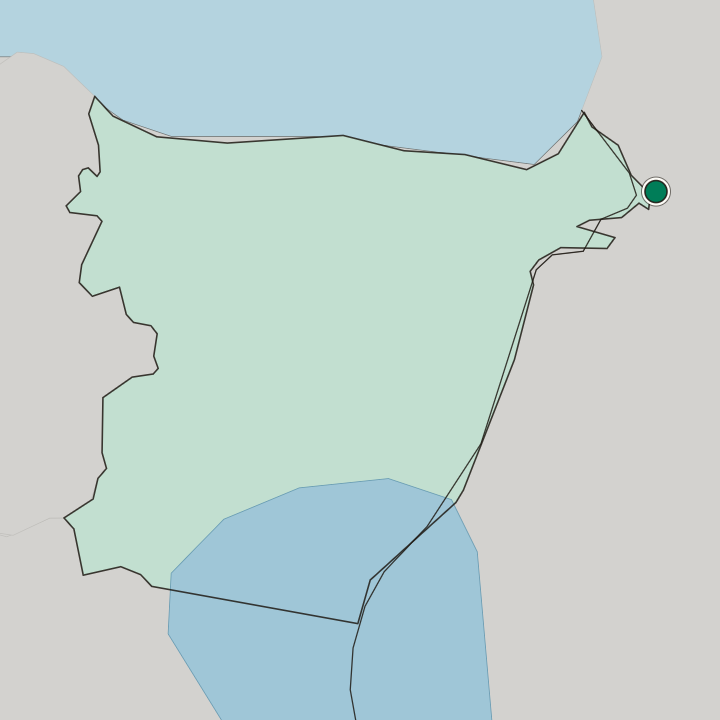
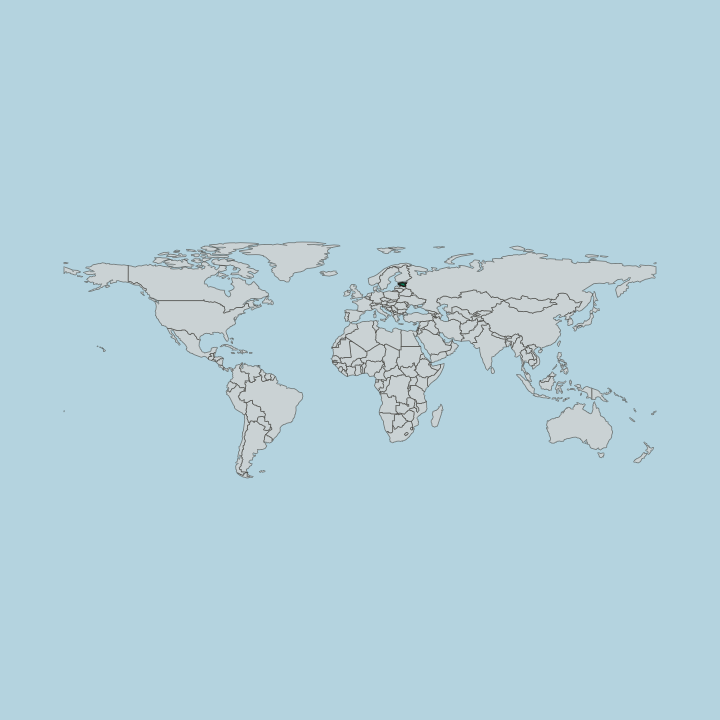
Narva sits at the eastern extreme of Estonia, on the west bank of the Narva river. Flat ground runs in every direction. This river runs north toward the Gulf of Finland and forms the international border with Russia along its whole course, so the water marks both the town's edge and the country's frontier.
Level plains of Ida-Virumaa spread away to the west.
What is the climate of Narva?
Narva holds a temperate climate on the river plain near the Gulf of Finland. Winters run cold and long, with snow and ice along the Narva river, while summers stay short and mild. The seasons swing hard here.
Warmth arrives slowly after the ice. The nearby gulf lends the air a damp Baltic edge in every season.
How do you get to Narva?
Narva lies at the eastern end of Estonia's road and rail network, on the line running east from Tallinn through Ida-Virumaa. Trains and buses reach the capital in a few hours. The river crossing beneath Hermann Castle marks the international border, so the eastward route ends at the water's edge.
Roads and rail bring travellers up to the frontier. The Narva river closes the way east.
Common questions
What is the best area to stay in Narva?
Riverfront by the castle: First-time visitors who want the castle and cathedrals on foot. Streets set back from the border: Quieter, residential stays away from the crossing.
Good for
Updated October 2026