Estonia · Järvamaa
Where to Stay in Paide, Järvamaa
Paide is the county town of Järvamaa in Estonia, an inland seat holding Paide Castle and a memorial to the Livonian War.
Hotel links are affiliate links: booking through them may earn us a commission, at no extra cost to you. It never affects how places are ranked. How this works


Where to stay in Paide
How the choice of base plays out on the ground.
Paide Castle and the three churches stand inside the same few streets, which is what makes an address here a question of parking and quiet rather than of sightseeing. The built-up part of the town covers only about eight square kilometres, so the usual question of which district to book barely applies here. Distances stay short.
What changes between one address and another in Paide is the walk to Paide linnastaadion and the ease of the road out of Järvamaa. Match days are the exception. Anyone here for the castle, the churches and the Liivi sõja mälestusmärk should book centrally, because those sit within the same handful of streets and nothing in Paide is far from them.
Paide Orthodox Church, Paide Uusapostlik kirik and Paide Church give the small centre three separate congregations, and a central room reaches all of them on foot. If you came for a fixture at Paide linnastaadion, the stadium end saves a walk. Paide is the seat of Järvamaa, which means county business fills rooms on weekdays and the small stock of beds can tighten without any tourist season being involved.
Find hotels in Paide
Direct booking searches for these neighbourhoods.
Under Paide Castle
The oldest ground in Paide, where the castle and the Livonian War memorial stand a few minutes apartFind hotels in Under Paide CastleWalkers taking Paide Church, Paide Orthodox Church and Paide Uusapostlik kirik in one morningThe church streets
Paide keeps its three congregations close together, so a single address in the centre covers all of them on foot. Beds are limited here, so book early.Find hotels in The church streetsFixture nights at Paide linnastaadion with the Järvamaa road out close byThe Paide linnastaadion edge
The stadium side of Paide, worth choosing when a match at Paide linnastaadion matters more than the walk to the castle. Few places to stay nearby — book ahead.Find hotels in The Paide linnastaadion edgeHotel links are affiliate links: booking through them may earn us a commission, at no extra cost to you. It never affects how places are ranked. How this works
Things to do in Paide
Ranked by global recognition; descriptions from Wikidata (CC0).
Churches & Religious Sites
3- Paide Church Heritage
- Paide Orthodox Church
- Paide Uusapostlik kirik
Castles & Historic Sites
2- Paide Castle Heritage
- Liivi sõja mälestusmärk Heritage
Stadiums & Sports
1- Paide linnastaadion
worth knowingacross 3 categories in Paide
About Paide
The castle carries the town.
What is Paide known for?
Paide Castle gives Järvamaa its best-known outline, and the Liivi sõja mälestusmärk keeps the Livonian War in the open street rather than inside a museum case. Football counts here too. Paide linnastaadion, the town stadium, puts the name of a small county seat onto match days, which is a reach beyond what a place of this size in Estonia usually manages.
What are the main landmarks in Paide?
Paide Castle is the anchor. Paide Church, Paide Orthodox Church and Paide Uusapostlik kirik divide the centre between three congregations, which is more variety than a town of this size in Järvamaa would usually carry. The Liivi sõja mälestusmärk keeps the Livonian War in the open air rather than in a display case.
Paide linnastaadion holds the town's other kind of gathering.
What is the history of Paide?
Paide Castle is the oldest structure the town keeps. Estonia's medieval fortresses were built as instruments of control, and Paide Castle belongs to that group: a strongpoint in the interior of the country, far from the harbours the coast used for trade and defence. Then came the wars.
The Liivi sõja mälestusmärk in Paide names the Livonian War outright, which is a sign the conflict left a mark deep enough for the town to raise a memorial rather than leave the record in an archive. The churches record a later layering. Paide Church, Paide Orthodox Church and Paide Uusapostlik kirik stand for three different confessions in one small county town, and that mix follows the shifting rulers of Estonia rather than any local peculiarity.
Administration outlasted the fortress. Paide became and remains the seat of Järva County, and that function has kept county business in the town at a scale its size alone would not explain. Paide linnastaadion belongs to the newest layer of all, the kind of civic building a county town takes on once the fortress and the churches are already standing.
Where is Paide?
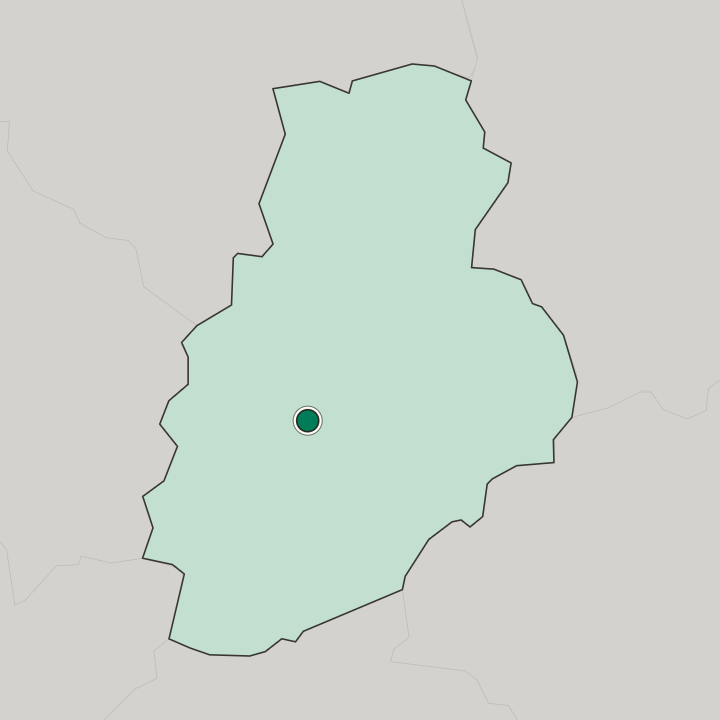
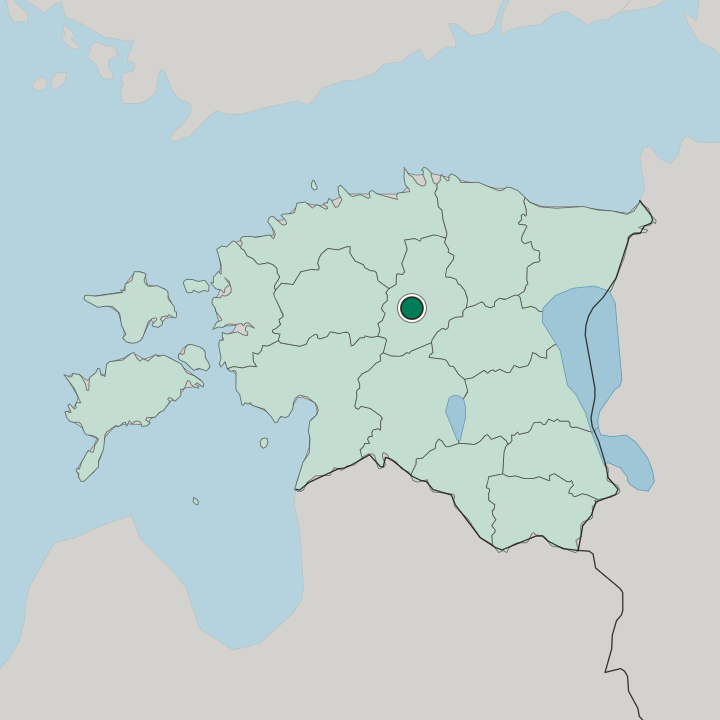
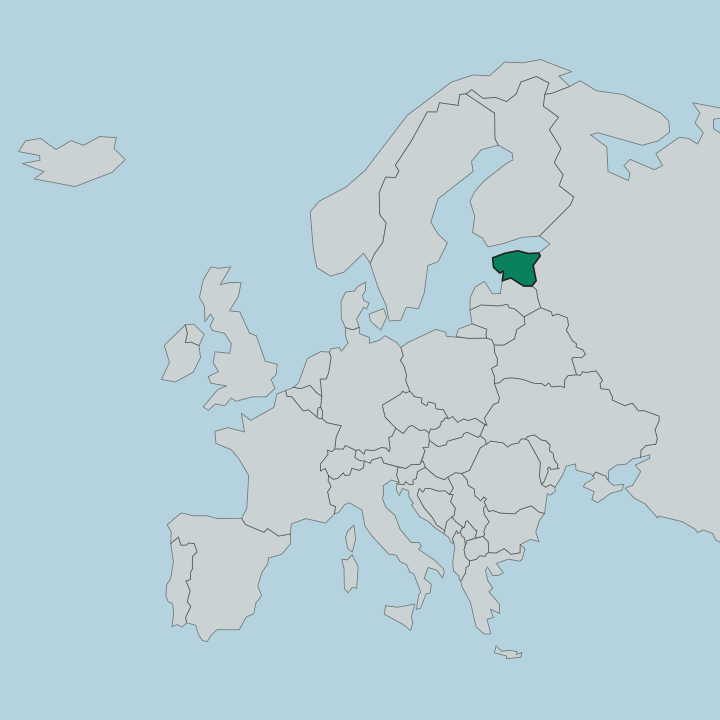
Paide sits well away from the sea. Estonian towns of a similar rank usually hold a river mouth or a bay, while Paide keeps the interior of Järvamaa, on low ground the county farms rather than fishes. The whole place is compact.
Its built-up area covers roughly eight square kilometres, which leaves Paide Castle, the churches and Paide linnastaadion inside one walkable frame rather than strung along a shoreline.
What is the climate of Paide?
The Baltic reaches Paide only weakly. Coastal Estonia has its winters softened by that sea, and the towns of Järvamaa, Paide among them, sit far enough inland that the moderating effect thins out and the cold settles harder over the county's fields. Snow lies through the dark months.
Warmth arrives late and leaves early, so the stretch when the castle grounds and Paide linnastaadion see steady use is a short one, and the dark end of the year is long.
How do you get to Paide?
Roads do the work here. The main route between Tallinn and Tartu passes close to the north of Paide, which is why the town reads as an easy stop on a drive across Estonia rather than a destination needing its own journey. Buses use that road.
Paide is the seat of Järvamaa, so county services converge on it from the surrounding villages, and the nearest flights land at Tallinn rather than anywhere in the county.
Common questions
What is the best area to stay in Paide?
Under Paide Castle: Nights spent between Paide Castle and the Liivi sõja mälestusmärk. The church streets: Walkers taking Paide Church, Paide Orthodox Church and Paide Uusapostlik kirik in one morning. The Paide linnastaadion edge: Fixture nights at Paide linnastaadion with the Järvamaa road out close by.
Good for
Updated October 2026