Estonia
Järvamaa, Estonia — Towns & Travel Guide
Järvamaa sits at the middle of Estonia, a county of grain fields, bogs and springs around the limestone town of Paide.
Hotel links are affiliate links: booking through them may earn us a commission, at no extra cost to you. It never affects how places are ranked. How this works


Towns & cities in Järvamaa
One town here has its own guide — it links to where to stay.
 Estonia
Paide
Paide is the county town of Järvamaa in Estonia, an inland seat holding Paide Castle and a memorial to the Livonian War.Where to stay →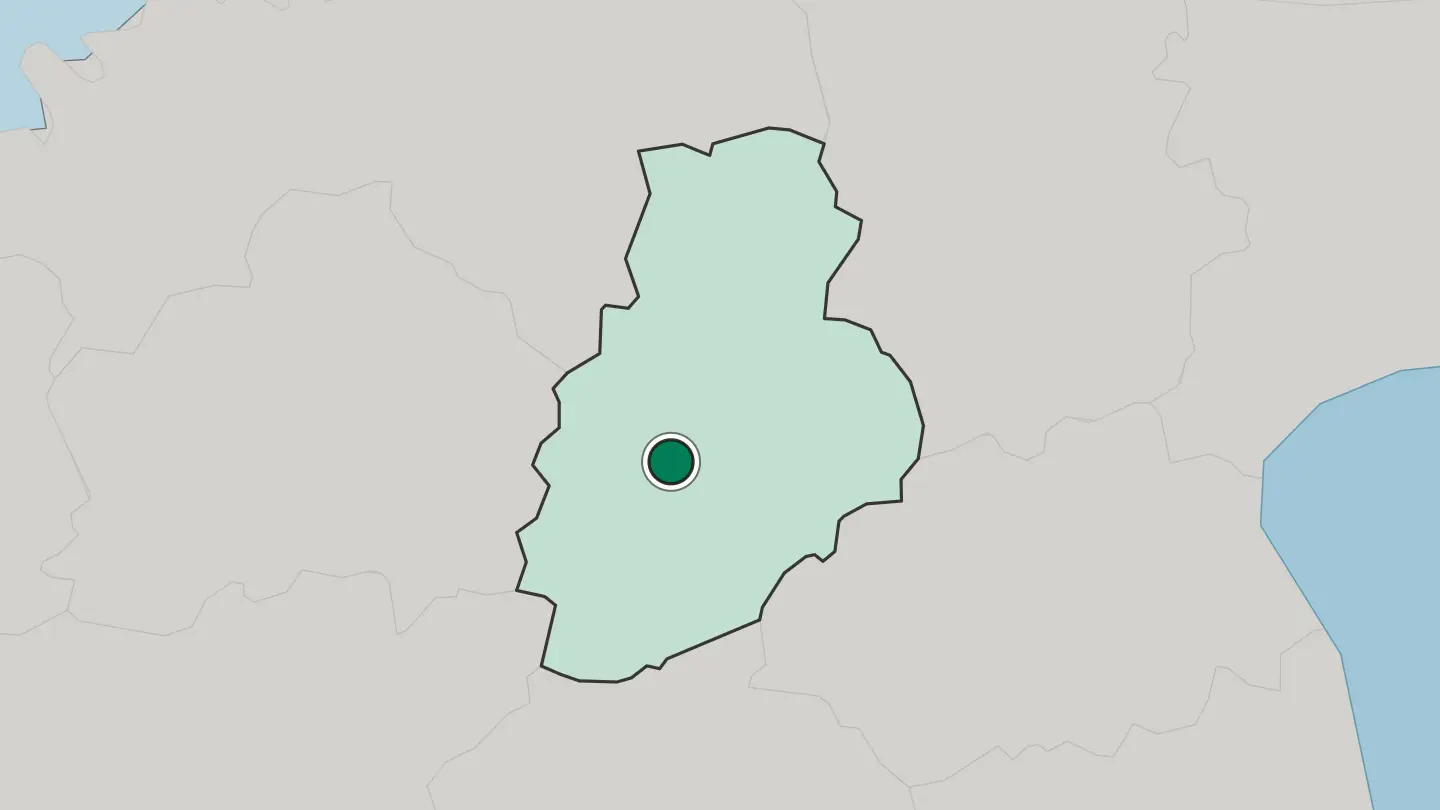
Hotel links are affiliate links: booking through them may earn us a commission, at no extra cost to you. It never affects how places are ranked. How this works
About Järvamaa
What is Järvamaa known for?
Järvamaa is Estonia's landlocked middle. Two towns anchor it. Paide, its capital, keeps the stump of a Livonian Order fortress on the hill called Vallimägi, while Türi to the south-west stakes its name on spring flower fairs held since the 1970s.
Between and around them stretch grain fields and thick forest, broken by the raised bogs and cold springs that give the county its plain, agricultural character. The Pärnu river rises nearby in the Pandivere Upland and slips through Türi on its way to the coast.
Where is Järvamaa?
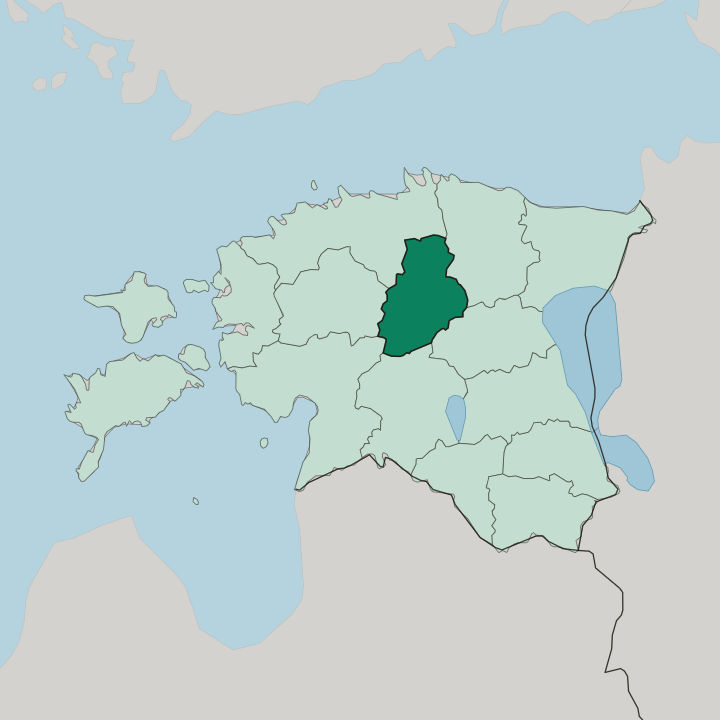
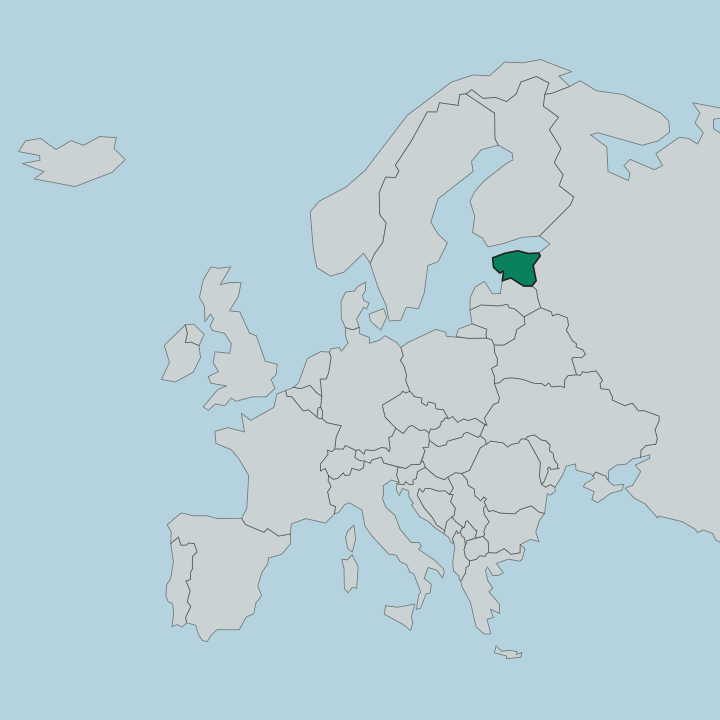
Järvamaa lies in the centre of Estonia, with no coast at all. It is ringed by land. Harjumaa borders it to the north, Lääne-Virumaa to the east, and Viljandimaa and Pärnumaa fall away to the south and south-west, with Raplamaa closing the western edge.
This is low, flat country of moraine plain, spread with grain fields, thick forest, and the raised bogs and cold springs the county is known for. Along its north-eastern rim the ground climbs into the Pandivere Upland, a limestone karst plateau. The county's own highest point, Tõrevere hill, reaches only 136 metres.
Pandivere is porous limestone, riddled with sinkholes, and rain sinking through it feeds the springs that start several Estonian rivers. The Pärnu river is the one that shapes Järvamaa. It rises in the Pandivere karst, runs some 144 kilometres to the Gulf of Riga, and threads through the town of Türi on the way.
Paide stands roughly at the geographic middle of mainland Estonia, which is why the county calls itself the country's heart. Around both towns the settlement pattern is sparse. Farm villages sit among the fields, and forest fills the gaps, so the population spreads thin across a wide, level interior.
What is Järvamaa like?
Järvamaa carries the culture of Estonia's rural middle, farmed and Lutheran and quietly proud of its own history. Paide is where that shows most plainly. The town grew up under the Livonian Order around a stone castle, and the surviving Vallitorn keep on Vallimägi now holds the Wittenstein Time Centre, where an elevator carries visitors floor by floor through the county's past.
The composer Arvo Pärt was born in the town in 1935, and Paide has since made itself a summer gathering place. Its Opinion Festival draws Estonians into open debate across the town centre each year. Türi wears a gentler identity.
Long a garden town of parks and tree-lined streets, it has held spring flower fairs since the 1970s. Across the county the language is Estonian. The rhythm of the place is agricultural.
Grain and forestry set the working year, and life gathers around the two towns rather than any coast, because there is none. It is an unshowy, inland Estonia, and Järvamaa is content to be exactly that.
What is the history of Järvamaa?
Järvamaa carries deep history. By the 13th century it stood as one of the major districts of ancient Estonia, known in Latin as Jervia and in German as Jerwen. Its pivot came in 1265, when the Livonian Order began a limestone castle at Paide and called the place Weissenstein, the white stone.
That fortress made Paide a stronghold through the medieval wars, and its keep, the Vallitorn, still crowns Vallimägi. Retreating Soviet troops blew the tower up in 1941, and it was rebuilt only after Estonia regained independence in the early 1990s.
What is the climate of Järvamaa?
Järvamaa has the cool, humid continental climate of inland Estonia, with four sharp seasons and no sea to soften them. Winters are long. January stays near or below freezing for weeks, and snow settles over the grain fields and bogs.
Summers are short, mild and green, with July afternoons that reach the low twenties and daylight that stretches late. Rain falls through the year rather than in one season, feeding the Pärnu and the springs of the Pandivere karst that keep the county green.
How do you get to Järvamaa?
The way into Järvamaa is by road. Its central position is the whole point. The Tallinn-Tartu highway and the Tallinn-Pärnu route cross just outside Paide at Mäo, which puts the county within about an hour and a half of the capital and links it to every corner of the mainland.
No airport serves the county itself, so arrivals fly into Tallinn and drive south. Buses run along the trunk roads to Paide and Türi, and Türi keeps a rail halt on the line between Tallinn and Viljandi.
Common questions
What is the best area to stay in Järvamaa?
Paide: the Order-castle keep and the road junctions. Türi: riverside gardens and the flower fairs.
More regions in Estonia
Updated October 2026