Estonia · Läänemaa
Where to Stay in Haapsalu, Läänemaa
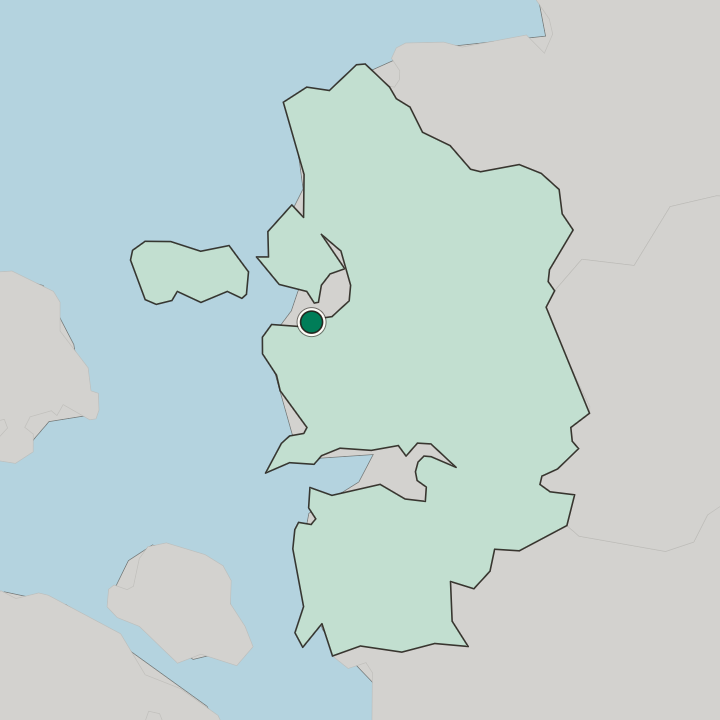
Haapsalu is a seaside resort town on Estonia's west coast, the seat of Läänemaa, chartered in 1279 and built low around a shallow bay.
Hotel links are affiliate links: booking through them may earn us a commission, at no extra cost to you. It never affects how places are ranked. How this works


Where to stay in Haapsalu
Where the beds are, and what that means for the visit.
Haapsalu Cathedral and the Railway and Communications Museum bracket the town, and nearly every bed in Haapsalu falls somewhere on the short line of streets running between the two. That walk takes minutes. Guesthouses and small hotels cluster near the water, which suits anyone who wants the bay, an evening meal and the Tchaikovsky monument reachable without moving a car.
Summer fills them fast. A resort town of about eleven square kilometres does not hold many rooms, and the seaside season concentrates demand into a short stretch of the year. The station end feels different.
Rooms near the Railway and Communications Museum sit further from the swimming but closer to the road in, and they are often the ones still free when the seafront fills. Iloni Imedemaa changes the calculation for anyone travelling with children, and a room you can walk back to at nap time is worth more than a view of the bay. Quieter streets start quickly.
Two churches, Haapsalu St. John's Church and the Haapsalu Advent Church, give the residential streets their markers, and rooms there run cheaper without putting the bay out of reach. Läänemaa spreads out beyond the town in farmland and coast, and a car opens up guesthouses out there that no bus timetable will reach comfortably.
Things to do in Haapsalu
Ranked by global recognition; descriptions from Wikidata (CC0).
Museums & Galleries
2- Iloni Imedemaa
- Railway and Communications Museum
Churches & Religious Sites
3- Haapsalu Cathedral Heritage
- Haapsalu St. John's Church Heritage
- Haapsalu Advent Church
Castles & Historic Sites
5- Tchaikovsky monument Heritage
- Rudolf Tobias monument Heritage
- Ernst Enno monument Heritage
- Bernhard Laipman monument Heritage
- Carl Hunnius monument Heritage
worth knowingacross 3 categories in Haapsalu
About Haapsalu
Sea bathing made the town.
What is Haapsalu known for?
Haapsalu works as a resort rather than a port, and the shallow bay it faces, opening west to the Baltic Sea, gives the place its long low waterfront and its summer trade. Haapsalu Cathedral is the older draw. Its stonework predates the bathing seasons by centuries, while the Railway and Communications Museum handles another side of the same story, trains and telegraphy gathered under one roof.
What are the main landmarks in Haapsalu?
Haapsalu Cathedral is the fixed point, a medieval church that has outlasted every use the town has found for it. Haapsalu St. John's Church takes the congregation, and the Haapsalu Advent Church makes a third point on a circuit that takes an easy morning to complete on foot. The monuments are the surprise.
Rudolf Tobias monument, Ernst Enno monument, Carl Hunnius monument and Bernhard Laipman monument all stand in a town of this size, and the Tchaikovsky monument joins them. Iloni Imedemaa and the Railway and Communications Museum cover the indoor half.
What is the history of Haapsalu?
The charter year is 1279. Haapsalu Cathedral is the surviving fabric from that period, a stone church on a coast where most building was in timber and most of the timber has since burned, been rebuilt or simply gone. Sea bathing arrived much later.
The town reinvented itself as a resort, and that second life is what produced the seafront walks, the bathing establishments and a season that still shapes the year. Visitors came by sea and later by rail, and the town built to receive them: rooms, walks along the water and a season that ran from midsummer to the first cold. Monuments carry much of that memory.
Rudolf Tobias monument, Ernst Enno monument, Bernhard Laipman monument and Carl Hunnius monument stand about the streets, and the Tchaikovsky monument sits among them, five names the town chose to keep in stone. The Railway and Communications Museum keeps the other side of the record, the arrival of rail and wire on a coast that had been reached mainly by boat. Two things held through all of it.
Haapsalu Cathedral still stands, and Haapsalu is still the administrative seat of Lääne County, a role that outlived the church authority, the resort boom and the railway alike.
Where is Haapsalu?
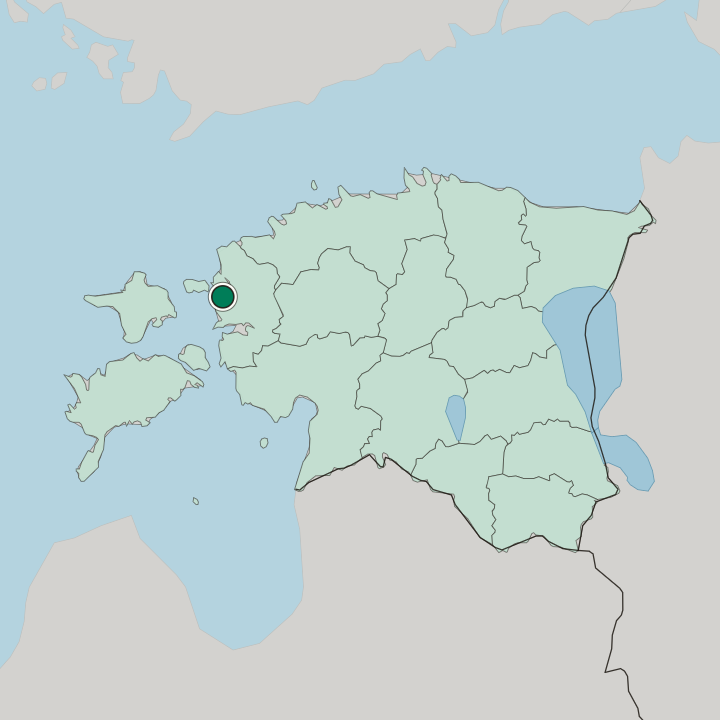
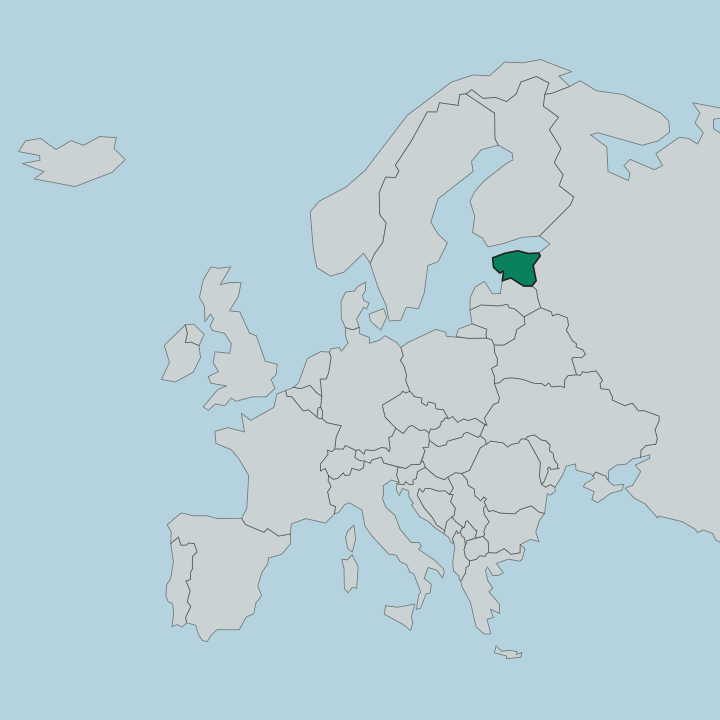
Haapsalu sits on the west coast of Estonia, at the inner end of a shallow bay that cuts back from the Baltic Sea and leaves the town almost surrounded by water. The land is flat. About eleven square kilometres make up the built-up area, and nothing in it rises high enough to break the horizon except the church towers.
Tallinn lies roughly a hundred kilometres north-east, across the low country of Läänemaa and the coast beyond it.
What is the climate of Haapsalu?
Haapsalu takes its weather from the Baltic Sea. The bay and the open sea beyond it hold the worst of the winter cold off the town, and they delay the spring as well, so warmth arrives late here and then lingers into a long autumn. Then there is the wind.
Gales come off the Baltic Sea through the dark months, and the flat ground around Haapsalu gives them nothing to break against before they reach the seafront. The bathing season is short by any measure.
How do you get to Haapsalu?
Most arrivals come by road. The route from Tallinn runs roughly a hundred kilometres south-west, and the coaches that work it set down in the middle of a town small enough to cross on foot. The Railway and Communications Museum occupies the old station buildings, a reminder that the line once ran this far west.
Beyond the town Läänemaa is car country, and the coast roads reach villages that no bus timetable covers well.
Good for
Updated October 2026