Estonia
Läänemaa, Estonia — Towns & Travel Guide
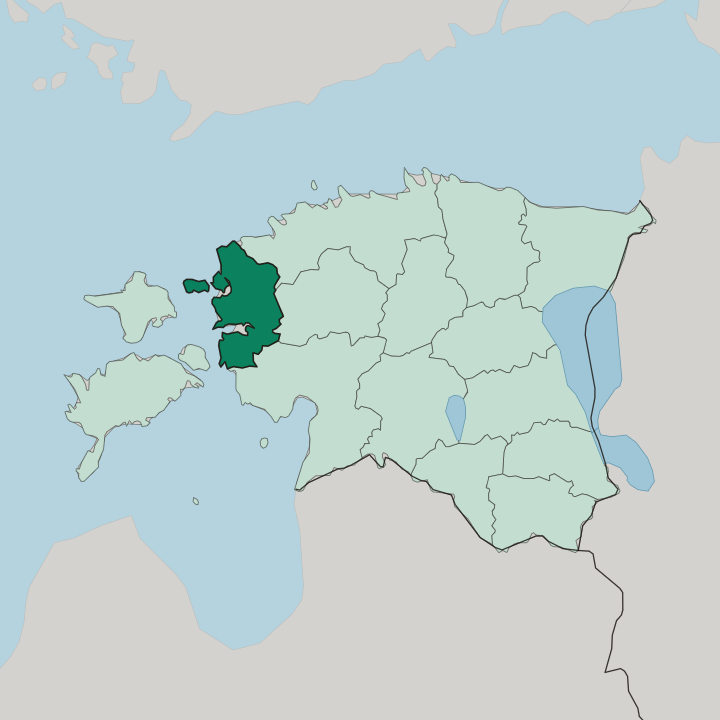
Läänemaa is Estonia's westernmost mainland county, a flat, bay-cut coast around the resort town of Haapsalu on the Baltic Sea.
Hotel links are affiliate links: booking through them may earn us a commission, at no extra cost to you. It never affects how places are ranked. How this works


Towns & cities in Läänemaa
One town here has its own guide — it links to where to stay.
 Estonia
Haapsalu
Haapsalu is a seaside resort town on Estonia's west coast, the seat of Läänemaa, chartered in 1279 and built low around a shallow bay.Where to stay →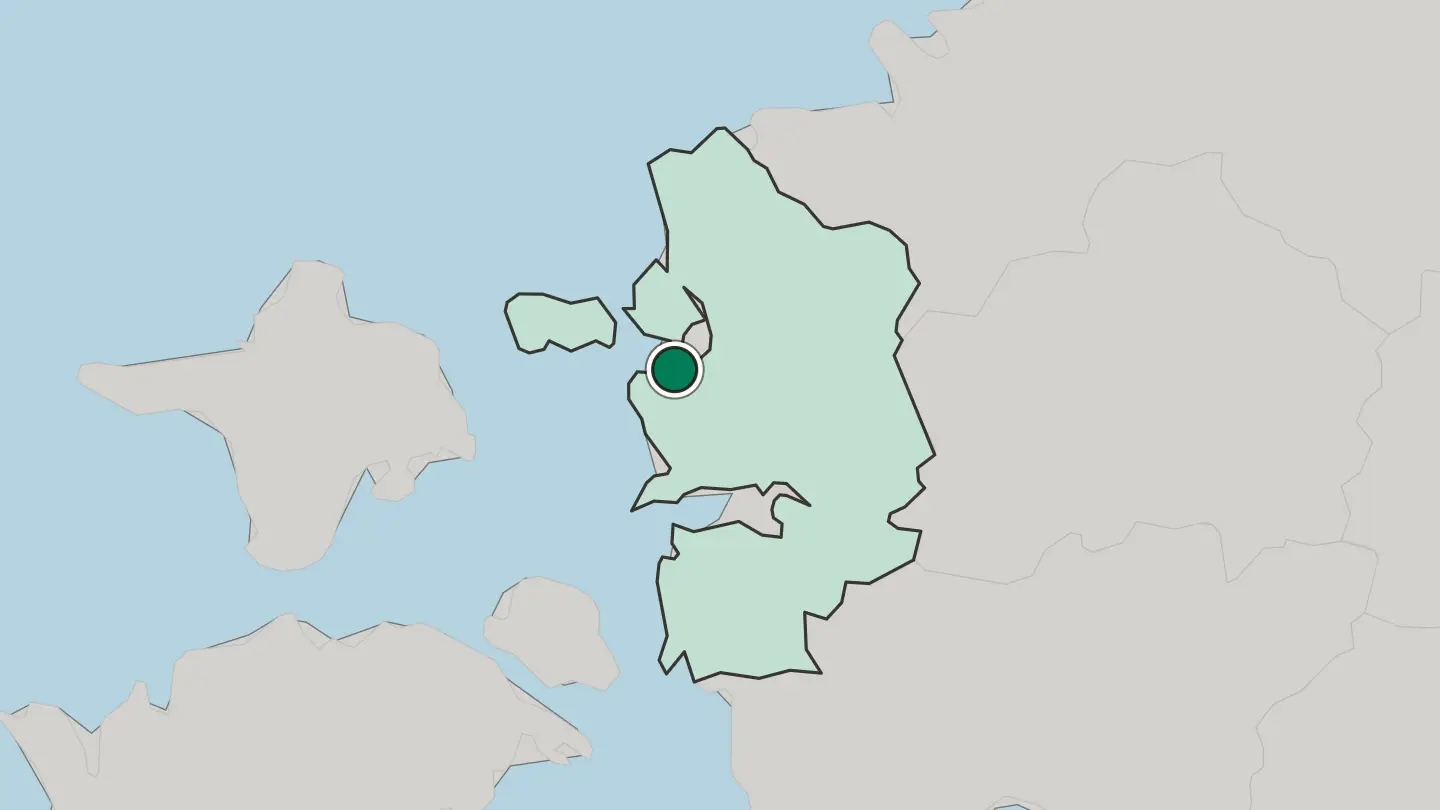
Hotel links are affiliate links: booking through them may earn us a commission, at no extra cost to you. It never affects how places are ranked. How this works
About Läänemaa
What is Läänemaa known for?
Läänemaa is western Estonia's coast of shallow bays and reed beds. Birds define it. The Matsalu Bay wetlands, protected within Matsalu National Park, funnel more than two million waterfowl through each spring on the East Atlantic Flyway, and the alluvial meadows of the Kasari River delta rank among the largest open wet meadows anywhere in Europe.
Haapsalu, the county seat, adds the human draw: a medieval bishop's castle, a curative-mud spa tradition, and the knitted lace of the Haapsalu shawl.
Where is Läänemaa?
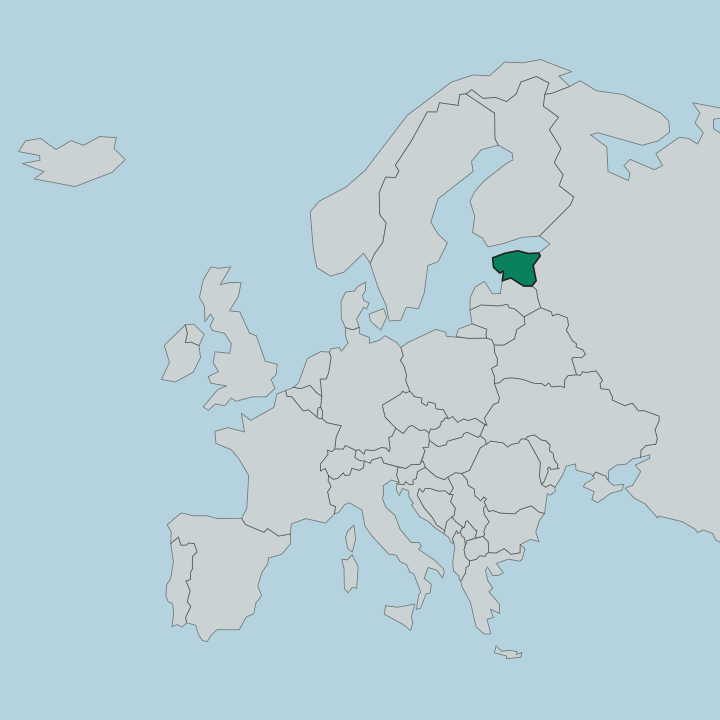
Läänemaa fills the western edge of the Estonian mainland, its name meaning simply the western land. The Baltic Sea wraps its whole northern and western side. Land borders run inland to the east and south, toward the rest of the country, while the water off the coast opens toward Estonia's western islands.
The county lies entirely on the West-Estonian Lowland, and the terrain shows it: flat, low, and barely rising above the sea. That flatness is the making of the coast. A shoreline of some 415 kilometres bends in and out around Haapsalu Bay and Matsalu Bay and reaches out along the Noarootsi and Puise peninsulas.
Offshore lie the county's islands. Vormsi is the largest, with tiny Osmussaar set apart to the north. The Kasari River, the biggest of the streams draining this flat land, empties westward into Matsalu Bay and spreads there into a broad delta of reed and wet meadow.
Little of Läänemaa stands more than a stone above the tideline. The sea is never far, and the whole county reads as a threshold between the mainland and the shallow, island-studded waters of the west.
What is Läänemaa like?
Läänemaa carries a Swedish grain that no other part of Estonia has quite so strongly. The Estonian Swedes, the Coastal Swedes, farmed and fished this shore and its islands for more than a thousand years, keeping their own dialect on Vormsi, Noarootsi and the smaller islets until almost all of them were evacuated to Sweden in 1944. Their stone churches, wheel crosses, place names and split-rail farmsteads still mark the land.
Bilingual road signs survive on Vormsi and the Noarootsi peninsula. The county speaks Estonian now, but the older layer shows through in the fabric of the villages. Haapsalu supplies the other half of the character.
The town made its name as a genteel resort. Its curative sea mud drew titled guests from across the Russian Empire, among them the Romanov family, who came each season for the baths and the sea air. The composer Pyotr Ilyich Tchaikovsky spent a summer here in 1867 and left a piano piece, Souvenir de Hapsal, behind him.
Lace endures too. The Haapsalu shawl, a knitted craft fine enough to pass through a wedding ring, remains the county's signature work.
What is the history of Läänemaa?
This coast was the heart of a bishop's state. Haapsalu was chartered in 1279 as the seat of the Bishopric of Ösel-Wiek, an independent Baltic principality that governed the western land for roughly three centuries. Its bishop raised the great castle at Haapsalu, whose cathedral is the largest single-nave church in Estonia.
The principality did not last. Later the county passed through Swedish and then Russian rule, and it was under the Russian Empire that Haapsalu turned from a bishop's town into a fashionable mud-cure resort.
What is the climate of Läänemaa?
The Baltic Sea sets the weather here. Läänemaa has a mild maritime climate, gentler and less extreme than inland Estonia because the surrounding water is slow to warm and slow to cool. Summers stay cool and green, which is when the Matsalu marshes fill with breeding and passing birds.
The cold months bite along the coast. Haapsalu Bay and the shallow western sounds freeze over in a hard year, and ice can reach out toward Vormsi. Spring and autumn are the great migration seasons, when the shallow bays turn into staging grounds for waterfowl.
How do you get to Läänemaa?
Most travellers come by road from Tallinn. The capital lies around 100 kilometres to the north-east, an hour and a half by bus or car along the western highway to Haapsalu. A railway once ran the same route, but its passenger trains stopped in the 1990s and the track was lifted, so the old Haapsalu station survives only as a museum.
From the mainland coast, ferries cross to the islands: Vormsi is reached from the small port of Rohuküla, west of Haapsalu.
Common questions
What is the best area to stay in Läänemaa?
Haapsalu: the castle, promenade and mud-cure spas. Vormsi: a quiet island stay among Swedish-era farms. The Matsalu wetlands: birdwatching at the Matsalu reserve.
Good for
More regions in Estonia
Updated September 2026