Estonia · Saaremaa
Where to Stay in Kuressaare, Saaremaa
Kuressaare is the capital of Saaremaa, Estonia's largest island, a low Baltic town gathered around a moated dolomite castle.
Hotel links are affiliate links: booking through them may earn us a commission, at no extra cost to you. It never affects how places are ranked. How this works


Where to stay in Kuressaare
How the choice of base plays out on the ground.
Most beds sit between Kuressaare Castle and St. Lawrence's Church, which is a walk of a few minutes rather than a journey. The blocks on that line hold the older guesthouses and the larger modern hotels, and they suit anyone who wants the castle moat, the shops and an evening meal reachable without unlocking a car. First visits belong here.
Beds tighten sharply through the short island summer, when the ferry crossings fill and Saaremaa takes on more visitors than its capital has rooms for. Out past St. Nicholas Orthodox Church the grid loosens into single-storey timber streets, quieter at night and cheaper by the room, and a stay there trades convenience for the sound of nothing much happening. The edge of town comes quickly.
Kuressaare Sports Centre marks roughly where the built-up part stops and the flat coastal land takes over, and beyond it the accommodation turns into guesthouses and farm rooms scattered across Saaremaa. You would need a car out there. Kuressaare Zion Church sits in among the timber houses, a small church that makes a useful marker if you are working out how far you have walked.
Things to do in Kuressaare
Ranked by global recognition; descriptions from Wikidata (CC0).
Churches & Religious Sites
3- St. Lawrence's Church Heritage
- St. Nicholas Orthodox Church Heritage
- Kuressaare Zion Church
Castles & Historic Sites
1- Kuressaare Castle Heritage
Stadiums & Sports
1- Kuressaare Sports Centre
worth knowingacross 3 categories in Kuressaare
About Kuressaare
The castle is the reason.
What is Kuressaare known for?
Kuressaare Castle sits at the seaward edge of town inside a square of ramparts and water, a dolomite keep that has kept its medieval bulk while the wooden streets around it were rebuilt many times over. Saaremaa's capital stays small. A little over fifteen square kilometres hold the whole town, so St. Lawrence's Church, the castle green and St. Nicholas Orthodox Church all fall within one slow walk of one another.
What are the main landmarks in Kuressaare?
Kuressaare Castle is the one people photograph, a squat dolomite block ringed by a moat and grassed bastions that were thrown up long after the keep itself. St. Lawrence's Church holds the Lutheran congregation at the centre of town. St. Nicholas Orthodox Church answers it a few streets over, and Kuressaare Zion Church makes a third, plainer point on the same short circuit.
Kuressaare Sports Centre draws the winter crowd.
What is the history of Kuressaare?
Kuressaare traces its founding to 1154, though the settlement that mattered grew up around the castle rather than the other way round. Stone came before streets. A stone castle on this shore gave whoever held Saaremaa a base that could be supplied by sea when the island's interior was hostile, and the town gathered in its shadow as a market and a harbour for the island's trade.
Kuressaare Castle is what is left of that arrangement, a dolomite square whose walls outlasted every power that garrisoned them. Rule changed hands repeatedly over the following centuries, and each new administration left its mark on the churches rather than on the castle, which had already stopped being a serious military asset. St. Lawrence's Church anchors the Lutheran centuries.
St. Nicholas Orthodox Church and Kuressaare Zion Church record the later arrivals of other confessions on an island that had been solidly Lutheran for a long stretch. The castle survived because nobody needed to knock it down. When Saaremaa was reorganised into a single administrative unit, the town kept the role it had held for centuries, as the seat of Saare County and the centre of Saaremaa Municipality.
Where is Kuressaare?
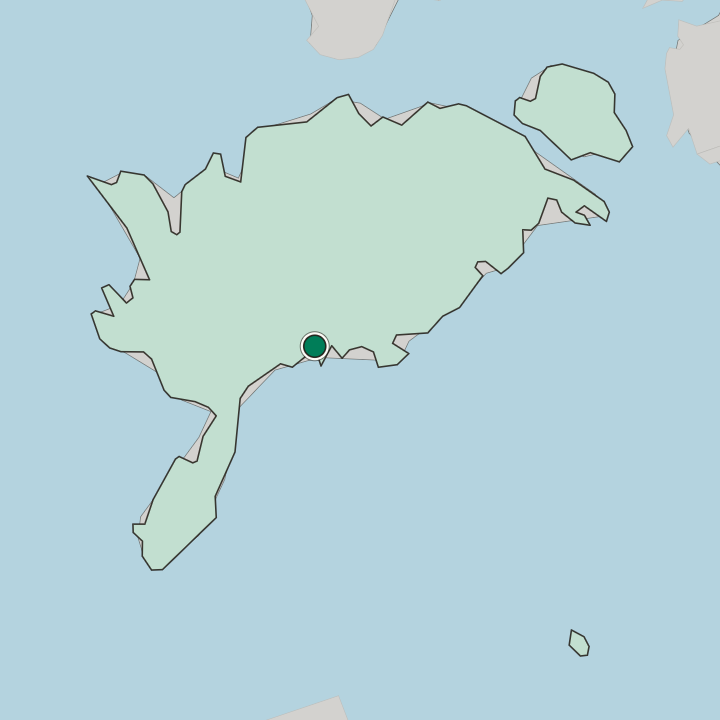
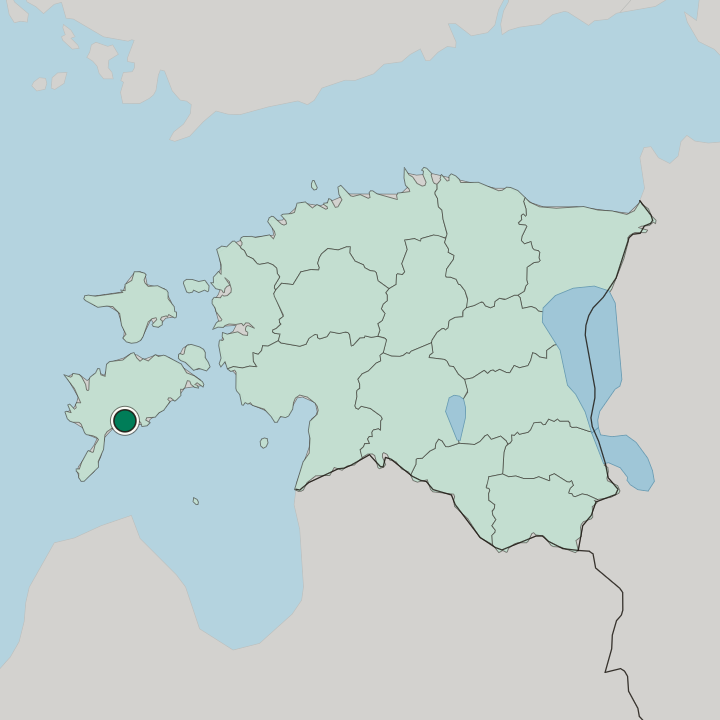
Saaremaa is the largest of Estonia's islands, and Kuressaare sits on its southern shore where the land runs flat to the Baltic Sea. Nothing here rises far. Low ground and shallow bays make up most of the coast, so the approach from the sea gives no landmark higher than the castle tower and the church spires.
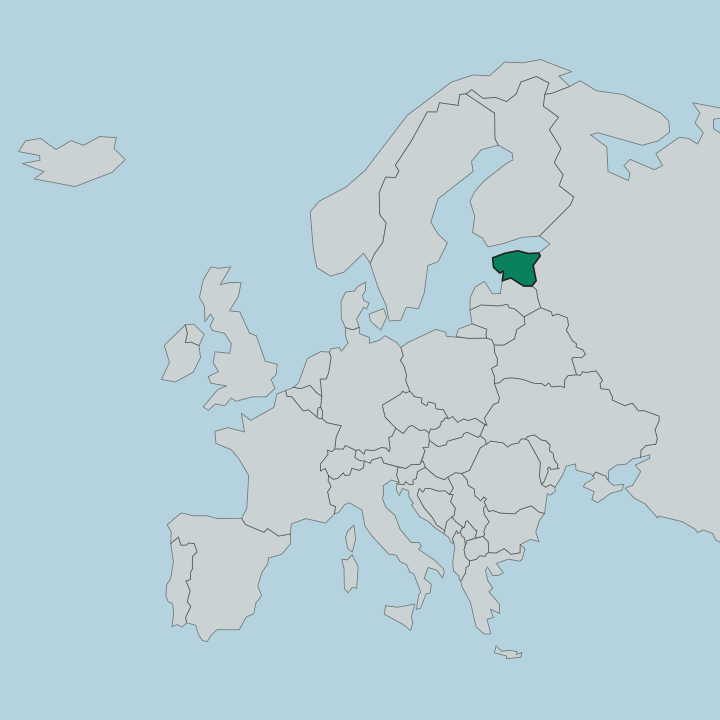
Kuressaare is the westernmost town in Estonia, and the mainland is a ferry crossing away rather than a drive.
What is the climate of Kuressaare?
The Baltic Sea sets the terms here. Open water on every side blunts the cold that settles over the Estonian mainland, and it also holds the spring back, so the island warms slowly and then keeps its warmth into a long, bright autumn. Wind is the constant.
Gales come in off the sea through the dark half of the year and there is little on Saaremaa high enough to stop them.
How do you get to Kuressaare?
Reaching Kuressaare means crossing water. The ferry from the Estonian mainland lands on the neighbouring island of Muhu, which a causeway joins to Saaremaa, and the road then runs the length of the island south-west to the town. Buses use the same route.
A small airfield outside Kuressaare handles the short hop from the capital, and it is the only way onto Saaremaa that skips the queue for a sailing.
Good for
Updated October 2026