Estonia · Viljandimaa
Where to Stay in Viljandi, Viljandimaa
Viljandi is a hill town and county seat in southern Estonia, set on steep ground midway between Pärnu and Tartu.
Hotel links are affiliate links: booking through them may earn us a commission, at no extra cost to you. It never affects how places are ranked. How this works


Where to stay in Viljandi
How the choice of base plays out on the ground.
Viljandi is small, and the choice is mostly about elevation. Streets near the Kondas Centre sit in the flatter part of the old town, so the castle grounds, the shops and the evening walk all fall within a few minutes of the door. That suits a first visit.
The Johann Köleri monument and the Johan Laidoneri ratsamonument both stand in this handful of blocks, which means the town's set pieces can be covered on foot in an afternoon without ever calling for a car. Beds are not plentiful in a county seat this size. Higher up, the ground around Viljandi Castle trades convenience for quiet and for the long view down the slope.
You give up a few flat minutes on foot. Out along the roads toward Pärnu and Tartu the town loosens into ordinary housing and yards, where parking is easy and a car stops being a nuisance, which is the sensible base for anyone touring Viljandimaa rather than staying put. The Viljandi Ice Hall lies out that way.
Winter changes the calculus, because the slopes that make the castle side pleasant in June turn into a haul once the pavements ice over.
Things to do in Viljandi
Ranked by global recognition; descriptions from Wikidata (CC0).
Museums & Galleries
1- Kondas Centre
Churches & Religious Sites
2- Viljandi St. John's Church Heritage
- St. Paul's Church Heritage
Castles & Historic Sites
3- Viljandi Castle Heritage
- Johann Köleri monument Heritage
- Johan Laidoneri ratsamonument
Stadiums & Sports
1- Viljandi Ice Hall
worth knowingacross 4 categories in Viljandi
About Viljandi
What is Viljandi known for?
Viljandi is known for the ground it stands on, a run of steep hills and hollows that gives this small county seat a profile no flat Estonian town can match. Viljandi Castle crowns the high ground. Below it the streets of the old town run down and level out again, past the Kondas Centre and the shopfronts, before the ordinary business of a county capital takes over.
What are the main landmarks in Viljandi?
Viljandi Castle holds the high ground. Viljandi St. John's Church and St. Paul's Church give the streets below two towers to steer by, and the walk between them takes in most of what the old town has to show. The Kondas Centre sits in the same quarter.
Two monuments punctuate it: the Johan Laidoneri ratsamonument, horse and rider both, and the Johann Köleri monument. Viljandi Ice Hall covers the winter.
What is the history of Viljandi?
Viljandi's recorded life starts in 1263. A stronghold on the high ground preceded the town, and the settlement gathered beneath its walls, which is why the streets still climb and fall the way they do. Position made the place valuable, and the same position made it a target.
Powers contesting this part of the Baltic took Viljandi in turn, and each round of fighting cost the castle more than it cost the houses below, so the fortress dwindled while the town kept rebuilding. What emerged was a county town rather than a fortress town. Viljandi settled into the role of administrative centre for Viljandimaa, work that a small Estonian county seat has carried through empire, republic, occupation, and republic again.
Trade moved along the roads to Pärnu and Tartu, and the town's fortunes rose and fell with whether those roads mattered. The churches, the monuments and the civic buildings below the hill belong to that longer settling, not to the fighting. Johann Köler and Johan Laidoner are both commemorated here.
Nothing about the twentieth century treated a town of this size gently, and yet the hill, the two church towers and the run of the old streets survived it in recognisable form.
Where is Viljandi?
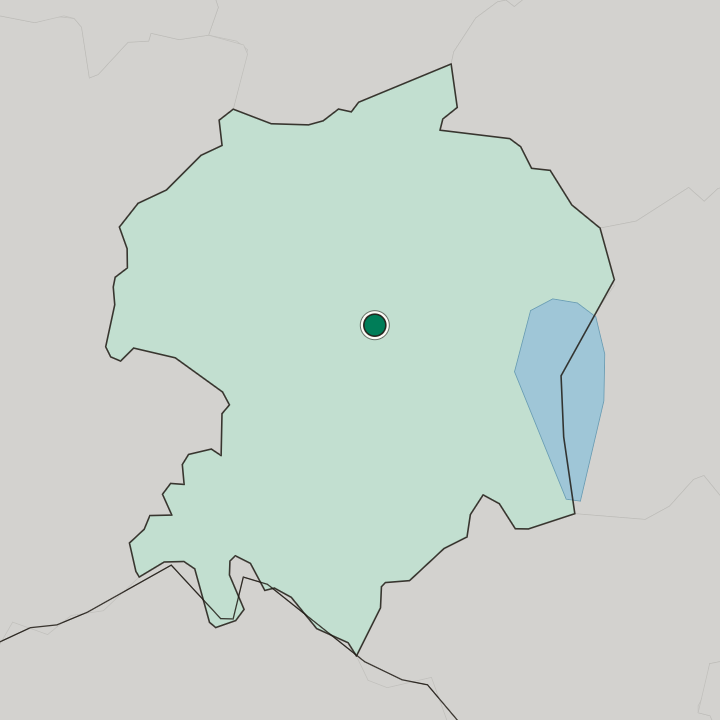
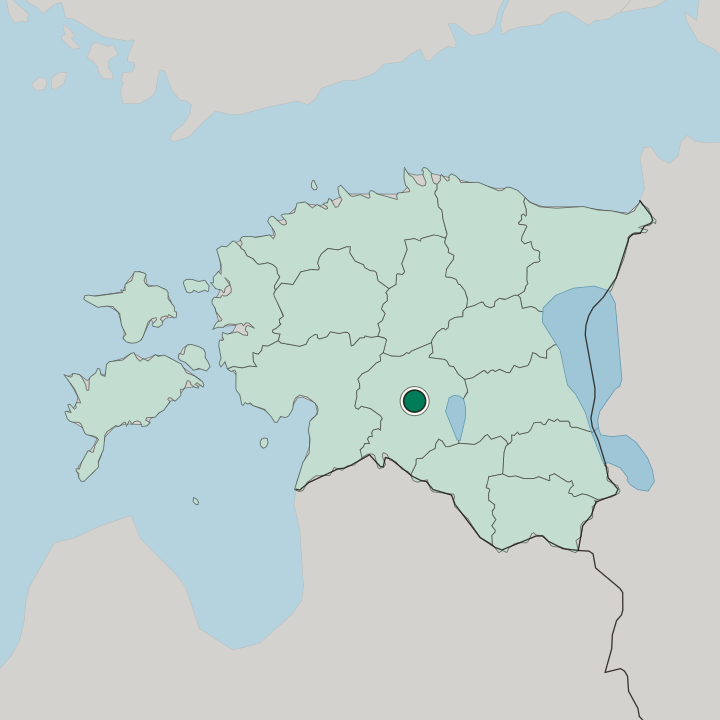
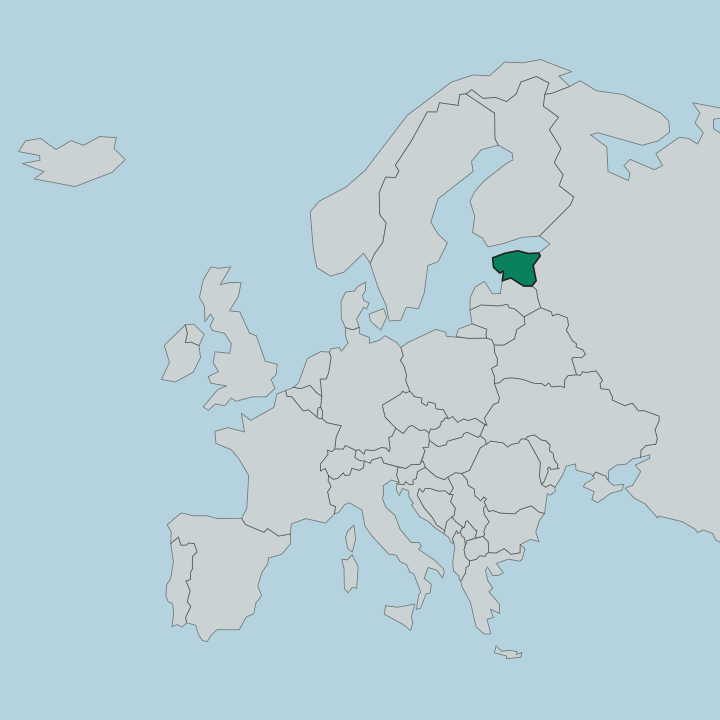
Viljandi stands on high, broken ground in southern Estonia, where the land rises and drops sharply enough to give a town of this size real relief. The slopes are the local fact. Pärnu lies west toward the sea and Tartu east across the uplands, which puts Viljandi about midway between the two on the inland roads.
Viljandimaa spreads around it, farmland and forest for the most part.
What is the climate of Viljandi?
The Baltic sits far enough west that Viljandi feels the continent as much as the sea. Ice locks the lake. Snow settles on the slopes for weeks at a stretch, and the drop from the castle hill to the streets below turns into genuine work when it does.
Long-lit summers keep people outdoors past what the temperature strictly justifies, and the evenings stretch far enough north to blur the end of the day. Rain arrives in autumn and stays.
How do you get to Viljandi?
Trains run from Tallinn to Viljandi, and the line ends here rather than passing through, so arrivals step out at a terminus a short walk from the old town. Elron is the operator. By road the town sits on the cross-country routes between Pärnu and Tartu, which is the usual way in for anyone already driving Estonia.
Coaches use the same roads. Tallinn's airport is the practical arrival from abroad.
Good for
Updated October 2026