Estonia
Viljandimaa, Estonia — Towns & Travel Guide
Viljandimaa is a county of southern Estonia built around Viljandi, its castle-ruin town, and the shores of Võrtsjärv.
Hotel links are affiliate links: booking through them may earn us a commission, at no extra cost to you. It never affects how places are ranked. How this works


Towns & cities in Viljandimaa
One town here has its own guide — it links to where to stay.
 Estonia
Viljandi
Viljandi is a hill town and county seat in southern Estonia, set on steep ground midway between Pärnu and Tartu.Where to stay →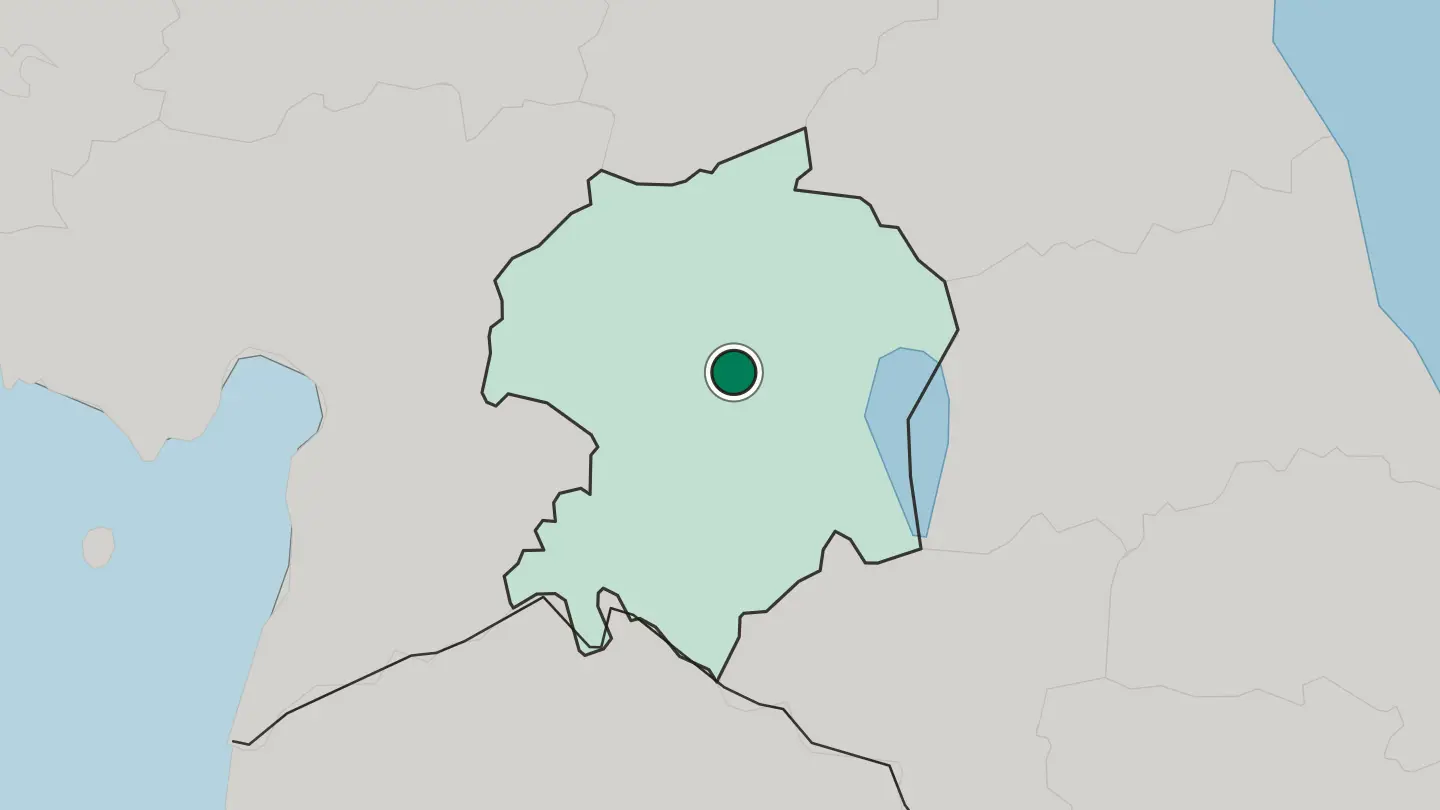
Hotel links are affiliate links: booking through them may earn us a commission, at no extra cost to you. It never affects how places are ranked. How this works
About Viljandimaa
Folk music is the calling card.
What is Viljandimaa known for?
Every July the ruins of the Livonian Order castle above the town fill with tens of thousands of people for the Viljandi Folk Music Festival, the largest event of its kind in the Baltic and Nordic countries. The town of Viljandi anchors the county and carries a UNESCO listing as a City of Crafts and Folk Art, and its Culture Academy is the one place in Estonia that trains folk musicians to degree level. Beyond the town lies Võrtsjärv, the largest lake wholly inside the country, and the bog wilderness of Soomaa.
It is a county people come to for the sound of the kannel and the quiet of the wetlands.
Where is Viljandimaa?
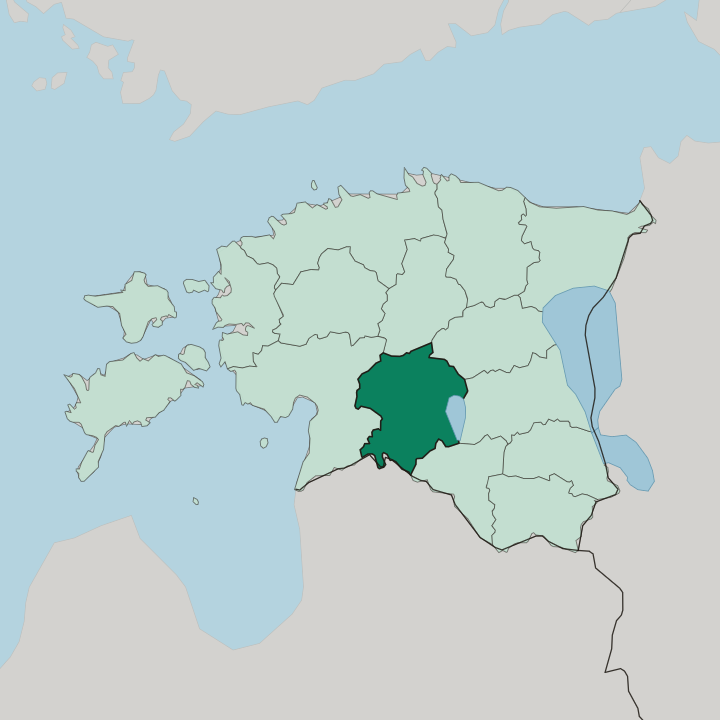
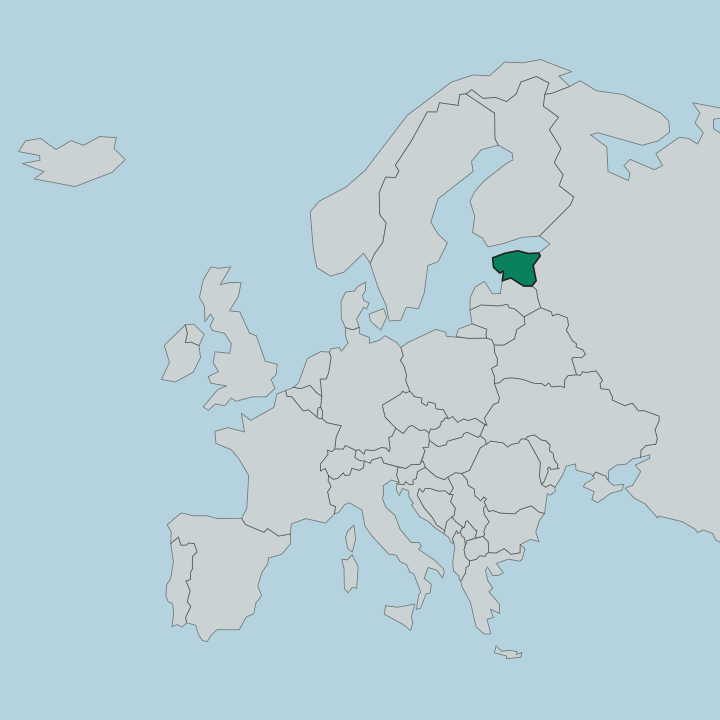
Viljandimaa sits in southern Estonia, inland from the coast and reaching down to the border with Latvia. It borders five other Estonian counties. Pärnu county lies to the west, Järva and Jõgeva to the north, Tartu to the east and Valga to the south. Much of the county rides the Sakala Upland, a low glacial rise whose highest ground reaches only about 147 metres above the plain.
This is gentle country, more forest and bog than hill, shaped by the ice that once covered it. Water defines the two edges. Along the eastern side spreads Võrtsjärv, the largest lake lying wholly within the country, a wide and shallow sheet of water barely deeper than a swimming pool across most of its bed.
Off to the west the land sinks into Soomaa, five great bogs threaded by the Halliste, Navesti, Raudna, Kõpu and Lemmjõgi rivers. Each spring the snowmelt floods those rivers over their banks and turns the forest floor into a shallow lake the locals call the fifth season. The town of Viljandi stands near the middle of all this, on a hill above its own small lake.
From there the county fans out to bog in one direction and open water in the other.
What is Viljandimaa like?
This is the heartland of Estonian traditional music. In Viljandi the Estonian Traditional Music Centre works the year round, and the University of Tartu runs its Culture Academy here, the only school in the country teaching folk instruments at degree level. Students fill the town.
You hear the kannel through open windows. That plucked zither, cousin to the Finnish kantele and the Latvian kokle, is the instrument the whole scene turns on, and its old melodies feed straight into the festival that takes over the castle hill each summer. The county also holds Mulgimaa, one of the historic culture regions of southern Estonia, with its own dialect and a farming tradition once wealthy enough to build grand houses on flax and cattle money.
Craft runs alongside the music, which is why UNESCO named Viljandi a City of Crafts and Folk Art. Wooden houses painted in strong colours line the streets below the ruins. Weaving, smithing and instrument-making are taught and sold here as living trades rather than merely displayed behind glass in a museum case.
Heritage is worked, not preserved.
What is the history of Viljandimaa?
The record starts early. The hill fort at Viljandi is named in 1154, in the commentaries to al-Idrisi's world geography, and when German and Danish crusaders pushed into the land in the early 13th century this was a centre of Estonian resistance. In 1223 the stronghold fell to the Livonian Order.
On the ruins of the old wooden fortress the knights raised a stone castle, whose broken walls still crown the town park. Viljandi joined the Hanseatic League early in the following century, trading east and west as one of only a handful of Estonian towns in that merchant network. Later wars left the castle a ruin, and the county settled into farming and forestry.
What is the climate of Viljandimaa?
Winters here are long and cold. Snow settles over the Sakala Upland from about December, and the bogs of Soomaa freeze hard enough to walk. Summers are short, mild and green, the warm stretch running through the festival weeks of July when the castle hill draws its crowds.
Rain and snow spread fairly evenly across the year, close to 774 millimetres of it, so grey overcast days are common in every season but high summer. Spring brings the county's own signature: the snowmelt swells the Soomaa rivers over their banks and floods the forest into a shallow inland sea.
How do you get to Viljandimaa?
Roads bring most people in. The usual approach is the two-hour drive south from Tallinn to Viljandi through the counties in between, though a rail line also runs down from the capital to the town and buses link it with Tartu to the east and Pärnu to the west. The county keeps no passenger airport of its own.
Flying in therefore means landing at Tallinn or Tartu and continuing overland, and once inside Viljandimaa a car is the only practical way to reach Võrtsjärv and the Soomaa bogs, where the last stretch to the canoe launches runs on gravel forest roads.
Common questions
What is the best area to stay in Viljandimaa?
Viljandi: the folk festival and the town's craft scene. Soomaa: boardwalk bog hikes and canoe routes. The Võrtsjärv shore: lake fishing and quiet water.
Good for
More regions in Estonia
Updated September 2026