Estonia · Võrumaa
Where to Stay in Võru, Võrumaa
Võru sits on a lakeshore in south-eastern Estonia, seat of Võru County and the town Friedrich Reinhold Kreutzwald made his own.
Hotel links are affiliate links: booking through them may earn us a commission, at no extra cost to you. It never affects how places are ranked. How this works


Where to stay in Võru
Where the beds are, and what that means for the visit.
The choice in Võru runs between the lakeshore and the blocks around St. Catherine's Church. Rooms near the water sit within a few minutes of the beach, the shore path and the house-museum of Friedrich Reinhold Kreutzwald, which is the combination most people come for and the one that fills first in July. That side is quiet by nine.
The grid inland is denser and plainer, closer to the shops and the coach stop, and it suits anyone treating the town as a base for driving out into Võru County rather than as the destination itself. Small hotels and guesthouses make up most of what is on offer, with the larger spa-style places standing apart from the centre where there is room for grounds. Beds are not plentiful.
A festival weekend or a warm stretch in high summer can empty the town of vacancies, and the nearest alternatives are far enough out that arriving without a booking is a real gamble. Drivers have the easier time of it, since parking asks nothing that a bigger Estonian town would ask and the road out into the county starts within a minute or two. You will want a car for anything past the edge of town.
Find hotels in Võru
Direct booking searches for these neighbourhoods.
Lakeshore
The beach, the shore path and the house-museum of Friedrich Reinhold Kreutzwald all sit within a few minutes on foot. Lodging is scarce in this area; reserve in advance.Find hotels in LakeshoreTravellers using Võru as a base for driving into Võru CountyAround St. Catherine's Church
The Lutheran tower, the shops and the coach stop cluster into a few plain blocks of the inland grid.Find hotels in Around St. Catherine's ChurchDrivers wanting space and a quick exit onto the Võrumaa roadsOuter town
Larger spa-style houses stand back from the Friedrich Reinhold Kreutzwald monument and the centre, with grounds and easy parking.Find hotels in Outer townHotel links are affiliate links: booking through them may earn us a commission, at no extra cost to you. It never affects how places are ranked. How this works
About Võru
What is Võru known for?
Võru's reputation rests on one writer. Friedrich Reinhold Kreutzwald gathered the Estonian epic poetry that gave the language its national literature, and the house-museum keeping his rooms draws most of the people who come here. The lake supplies the rest.
Beyond those two things Võru works as a county seat, with the offices of Võru County, its schools and its markets giving the streets a purpose that has nothing to do with visitors.
What are the main landmarks in Võru?
Võru has no medieval core, so its landmarks are all of the modern era. St. Catherine's Church is the Lutheran one, its tower the tallest thing on a skyline that otherwise keeps to two and three storeys. St. Catherine's Orthodox Church answers nearby.
The Friedrich Reinhold Kreutzwald monument stands in the centre, a short walk from the house-museum holding the rooms where the collector of the Estonian epic worked.
What is the history of Võru?
Võru was founded in 1784. That is late by Estonian standards, and it shows: the town was laid out as an administrative seat on open ground rather than grown from a castle or a market, so it inherited no medieval quarter and no ring of walls. The plan is regular.
Streets were drawn straight from the start, a piece of imperial-era planning that still governs how the centre reads on foot. The site had water on one side. A shore position gave the new town a fixed edge and a reason to look outward, and the lake has shaped where Võru could grow ever since.
Friedrich Reinhold Kreutzwald gave the town its second identity. Working here, he assembled the epic poetry that Estonians came to treat as their national literature, and the house he lived in survives as a museum, with a monument to him standing in the centre. Two churches followed.
St. Catherine's Church took the Lutheran congregation and St. Catherine's Orthodox Church the other, and both stand within a few streets of one another. The administrative role never went away. Võru holds the seat of Võru County, and it serves as the centre of Võru Parish while sitting outside it, because the town forms a separate urban municipality.
Where is Võru?
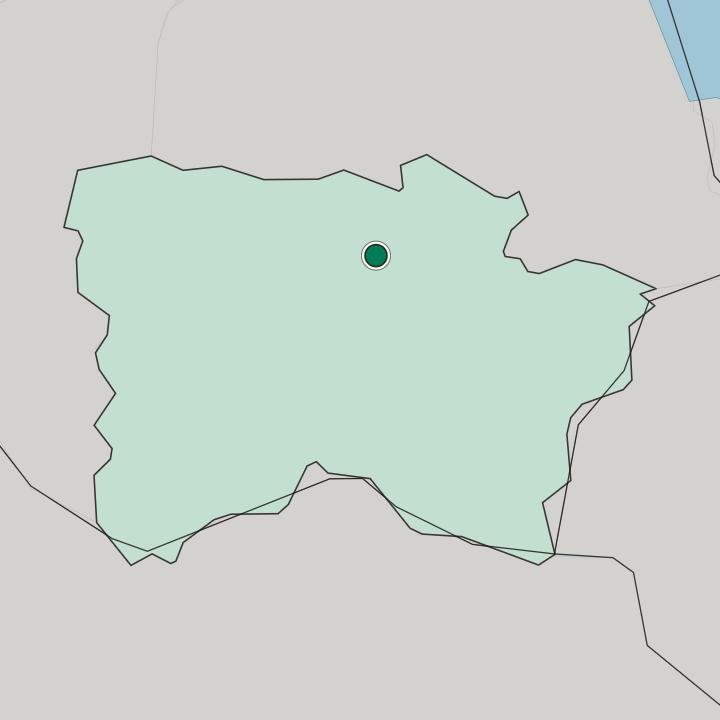
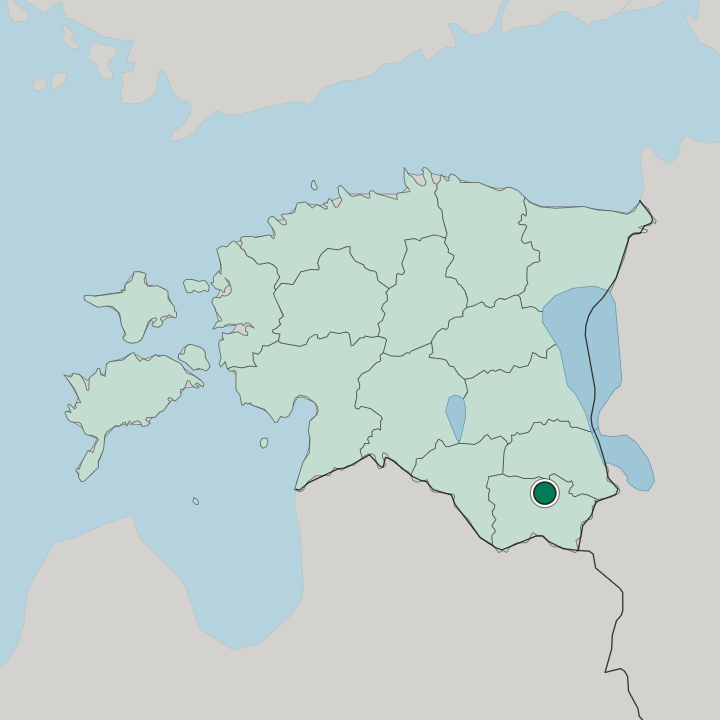
Võru lies on a lakeshore in south-eastern Estonia. The water forms one edge of the town and the built-up area is compact, a little over fourteen square kilometres in all, so the countryside of Võru County begins almost as soon as the streets end. The town sits apart from its parish.
Võru Parish surrounds it on the land side without including it, an arrangement that leaves the urban municipality with a boundary drawn tight around what was actually built.
What is the climate of Võru?
Distance from the sea sharpens both ends of the year here. South-eastern Estonia lies far enough inland that winter settles in properly, with snow on the lake for weeks at a stretch and the shore path given over to walkers rather than swimmers. Summer arrives late and leaves early.
The lake draws the town outdoors from June, then reverses the favour in autumn by holding damp air over the streets long after the fields have dried.
How do you get to Võru?
Road is the way in. Võru stands where the routes of Võru County converge, so long-distance coaches from the larger Estonian towns use the town as a stop and the drive is straightforward in any season the surface is clear. Most people drive.
Anyone arriving by air lands elsewhere in Estonia and finishes the journey on the ground, which usually means a rental car and a couple of hours through forest and farmland.
Common questions
What is the best area to stay in Võru?
Lakeshore: Swimmers, and anyone here to walk the Kreutzwald rooms. Around St. Catherine's Church: Travellers using Võru as a base for driving into Võru County. Outer town: Drivers wanting space and a quick exit onto the Võrumaa roads.
Good for
Updated September 2026