Estonia
Võrumaa, Estonia — Towns & Travel Guide
Võrumaa fills Estonia's south-eastern corner, rolling uplands around Suur Munamägi, above lake-dotted forest.
Hotel links are affiliate links: booking through them may earn us a commission, at no extra cost to you. It never affects how places are ranked. How this works


Towns & cities in Võrumaa
One town here has its own guide — it links to where to stay.
 Estonia
Võru
Võru sits on a lakeshore in south-eastern Estonia, seat of Võru County and the town Friedrich Reinhold Kreutzwald made his own.Where to stay →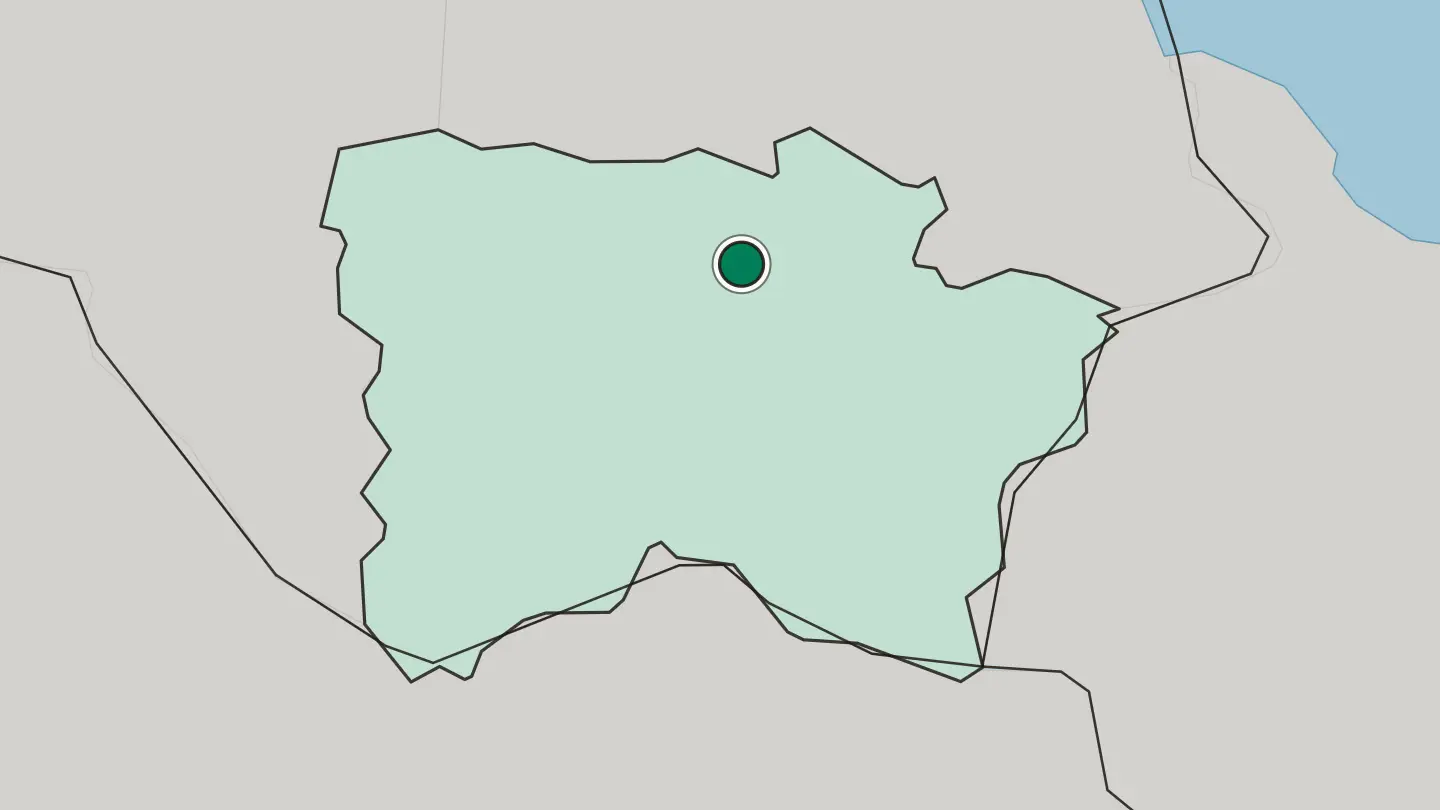
Hotel links are affiliate links: booking through them may earn us a commission, at no extra cost to you. It never affects how places are ranked. How this works
About Võrumaa
What is Võrumaa known for?
Võrumaa is the highland corner of Estonia, and its calling card is elevation. Suur Munamägi rises above the forests of the Haanja Upland. A stone observation tower crowns the summit, and on a clear day the view reaches across three countries toward Latvia and Russia.
The county also holds Rõuge Suurjärv, sunk into a glacial valley. Woods, water, and small hills define it.
Where is Võrumaa?
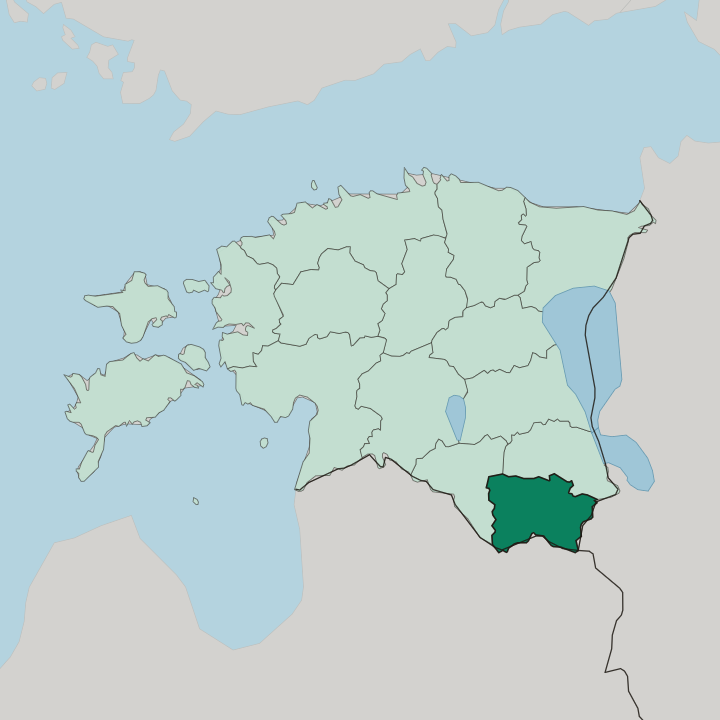
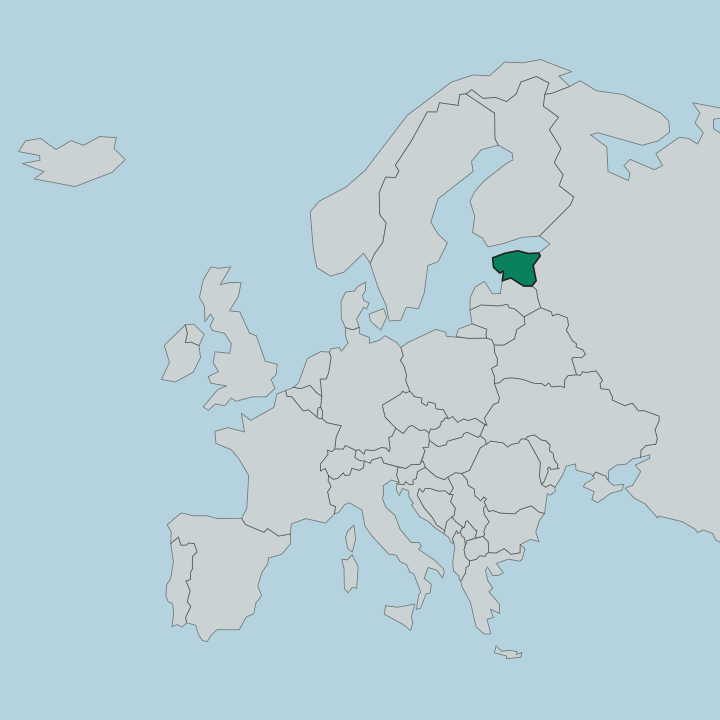
Võrumaa occupies the south-eastern corner of Estonia, the only county in the country to touch two foreign borders at once. Latvia lies along its southern edge and Russia to the east, across the Setomaa borderland. The Haanja Upland swells across the county's south, a jumble of glacial hills, moraine ridges, and hollows left by melting ice, and Suur Munamägi rises out of it.
Lakes fill the low ground. Rõuge Suurjärv lies in a chain of six lakes strung along the Rõuge primeval valley. Võru, the county town, sits north of the uplands on Lake Tamula, on the plateau of an old glacial valley.
Forest covers much of what the hills and lakes do not, and the terrain here is unlike the flat northern lowlands that make up most of Estonia. It is the country's high, wooded south.
What is Võrumaa like?
Võrumaa keeps a language of its own. The Võro tongue, a branch of South Estonian, is still spoken by tens of thousands across the county, distinct enough from standard Estonian that its speakers argue it is a separate language. The Võro Institute in Võru works to keep it alive, and the regional song festival Uma Pido gathers singers to the town every few years.
Culture here is bound to the land and the sauna. The Võro smoke sauna tradition, known as savvusann, joined the UNESCO list of intangible cultural heritage in 2014 for its whole set of customs around the chimneyless sauna, the birch whisks, and the smoking of meat. In the far south-east, toward the Russian border, the Orthodox Seto people keep their own language and their leelo, a polyphonic folk singing older than a thousand years, itself inscribed by UNESCO in 2009.
Friedrich Reinhold Kreutzwald worked as the town doctor in Võru, and it was here that he wrote Kalevipoeg, the Estonian national epic. Old songs run through the place.
What is the history of Võrumaa?
Võru is a planned town. Empress Catherine II of Russia ordered it founded in 1784 as the seat of a brand-new county, and a German architect set its streets on a strict rectangular grid on the shore of Lake Tamula that still shapes the centre. The county around it is far older than its town, farmed by the Võro people long before the Russian empire drew a district on the map.
Estonia's national epic was written here. Friedrich Reinhold Kreutzwald, the town doctor, composed Kalevipoeg in Võru in the decades after the founding.
What is the climate of Võrumaa?
Võrumaa lies inland, sheltered from the moderating waters of the Baltic Sea, so its summers run genuinely warm and its winters bite far harder than they do on the coast. Snow lies long on the high ground around Suur Munamägi. The Haanja hills hold winter better than the lowlands ever do.
How do you get to Võrumaa?
Võrumaa has no runway within its borders. Most travellers reach it overland from Tartu, an hour's drive north, where the nearest airport sits, or come the whole way south from Tallinn by bus in under four hours. The road from Tartu runs down to Võru and on into the Haanja hills toward the Latvian border.
Buses are frequent along that corridor, and a car is the way to reach the scattered lakes and villages once you arrive. The border with Latvia lies a short drive south of the uplands.
Common questions
What is the best area to stay in Võrumaa?
Võru: the lake beach and the county town. Haanja: Suur Munamägi and the Haanja hills. Rõuge: the Rõuge lakes and primeval valley.
Good for
More regions in Estonia
Updated October 2026