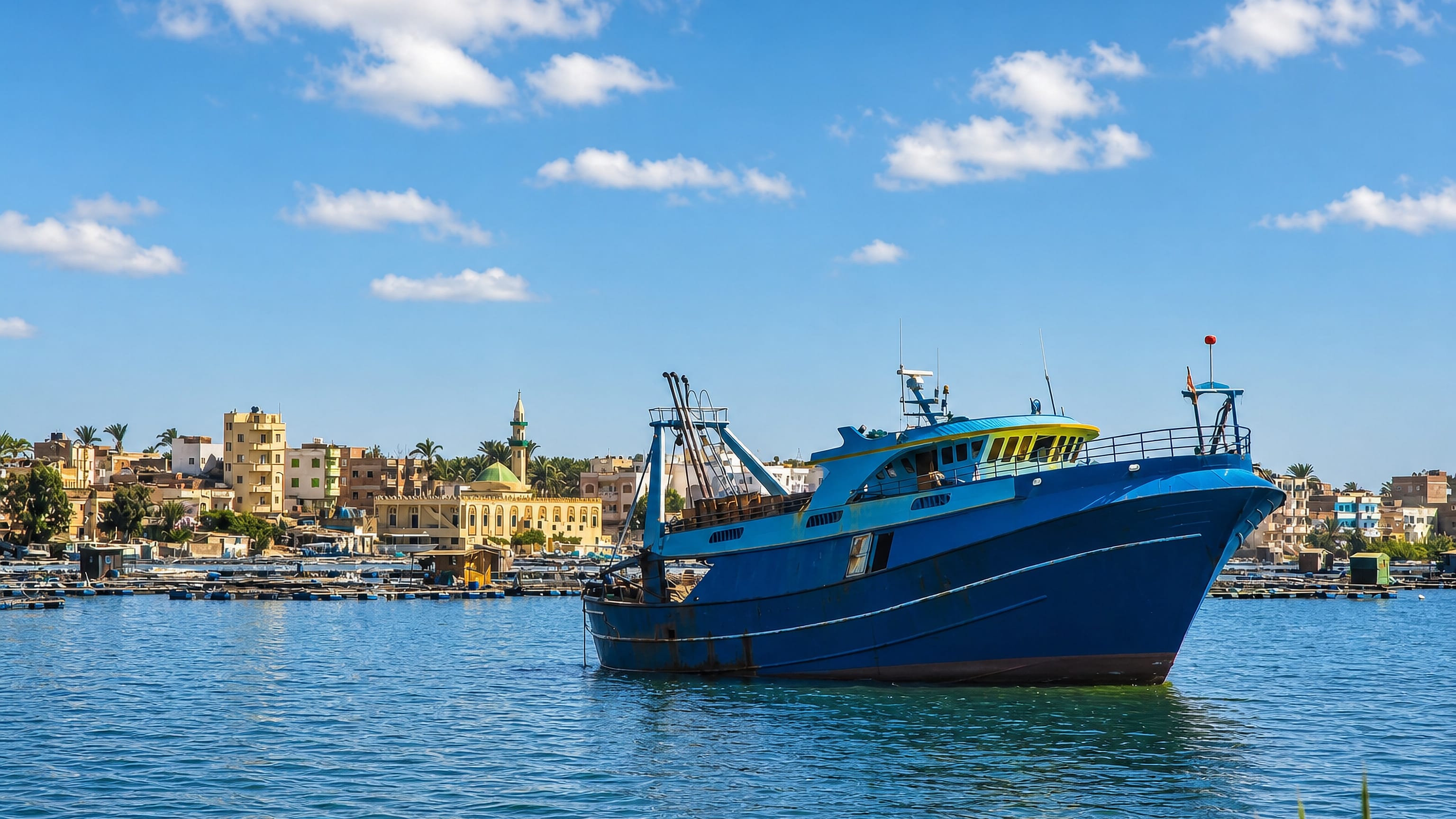
Egypt · Beheira Governorate
Where to Stay in Rosetta, Beheira Governorate
Rosetta is a historic port town at the mouth of the Nile in Egypt, where the famous Rosetta Stone was found.
Hotel links are affiliate links: booking through them may earn us a commission, at no extra cost to you. It never affects how places are ranked. How this works


Where to stay in Rosetta
The practical side of choosing where to sleep.
Rosetta's rooms are judged by their distance from the old Ottoman town. The streets among the Ottoman houses keep the mansions, the museum, and the market within a walk, and staying in the centre suits anyone here for the old port. The old lanes wind to the river.
Rooms sit near the merchant houses. Out toward the river mouth and the shore, the town gives way to fields and palms. A room by the water trades the old lanes for the river, the fort, and the sea beyond the delta.
The green fields open past the edge. If you want the old houses, stay in the centre; if you want the river, take a room by the mouth. Both choices keep the Ottoman merchant houses within reach.
Find hotels in Rosetta
Direct booking searches for these neighbourhoods.
The old town
Among the old merchant mansions, within a walk of the Rashid MuseumFind hotels in The old townStays wanting the river, fort, and shoreThe river mouth
Toward the Nile mouth near the Qaitbay fort and the seaFind hotels in The river mouthHotel links are affiliate links: booking through them may earn us a commission, at no extra cost to you. It never affects how places are ranked. How this works
Things to do in Rosetta
Ranked by global recognition; descriptions from Wikidata (CC0).
Museums & Galleries
2- Rashid National Museum
- Arab Killy House
Landmarks & Notable Places
3- منزل الأمصيلي
- Ramadan House
- منزل عصفور
worth knowingacross 2 categories in Rosetta
About Rosetta
Rosetta is known for its stone and its old houses.
What is Rosetta known for?
Here, at the western mouth of the Nile, Napoleon's soldiers found the Rosetta Stone that unlocked the writing of the pharaohs, and the town keeps some of the finest Ottoman merchant houses in Egypt, tall and built of red and black brick. The great river meets the sea nearby. Stone and houses mark the town.
What are the main landmarks in Rosetta?
The old Ottoman houses are the pride of Rosetta. Tall merchant mansions of red and black brick, carved and latticed, line the old streets, the emblem of the town, among the finest in Egypt. A fort guards the river mouth.
The Qaitbay fort, where the famous stone was found, stands by the water, while the Rashid Museum keeps the story of the port and its stone.
What is the history of Rosetta?
Rosetta rose as a great port of the Nile mouth. When silt and war choked the harbour of Alexandria, the trade of Egypt shifted here to the western branch of the river, and in the Ottoman age Rosetta grew rich, its merchants building tall houses of patterned brick. A famous stone lay in its walls.
In 1799 Napoleon's soldiers, digging at a fort near the town, turned up a slab carved in three scripts, the Rosetta Stone, which gave scholars the key to the ancient hieroglyphs. The town declined as Alexandria revived. In the nineteenth century a new canal restored the great port to the west, and Rosetta slipped back into a quiet fishing and farming town of the delta.
Its old houses stood through the years. The fine Ottoman merchant houses, among the best kept in the land, survived where those of other towns were lost, and the town became a treasure of old architecture. The river still runs past the town to the sea.
Rosetta guards its stone and its houses at the mouth of the Nile.
Where is Rosetta?
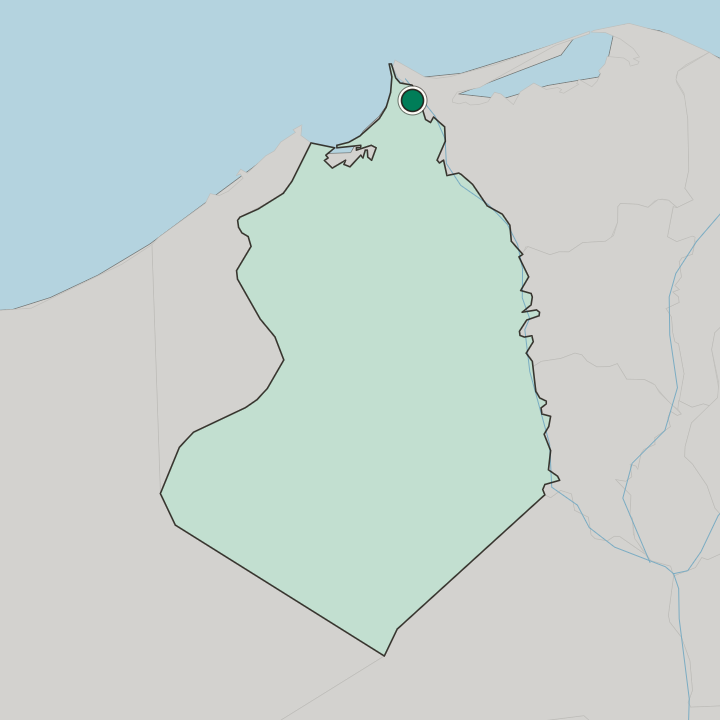
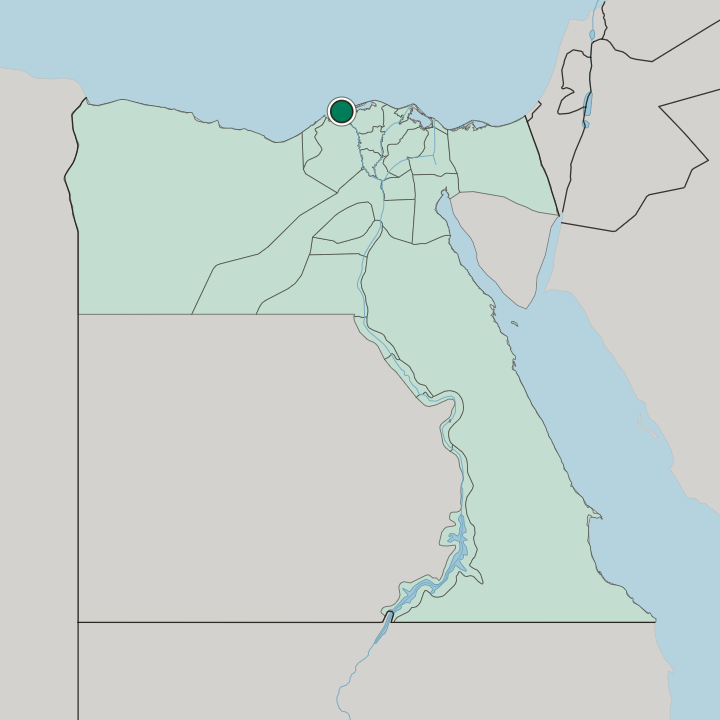
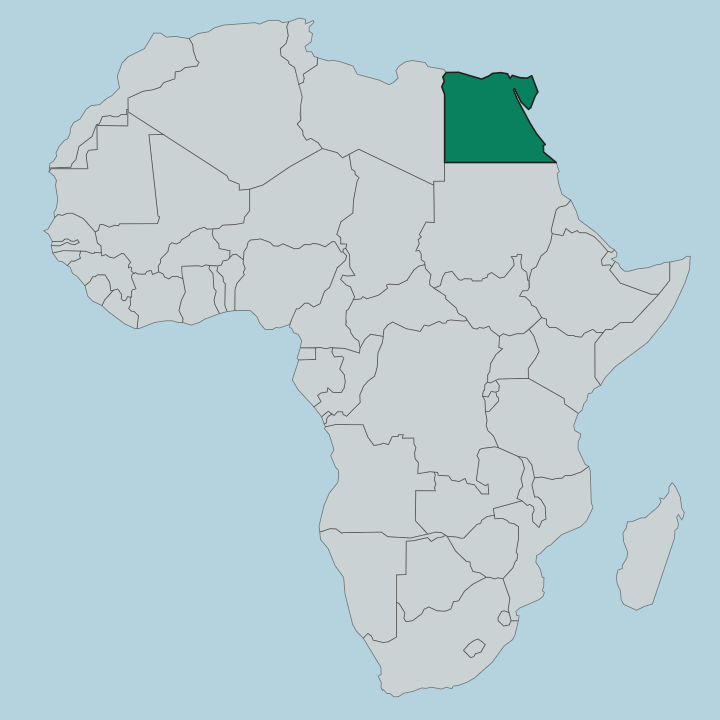
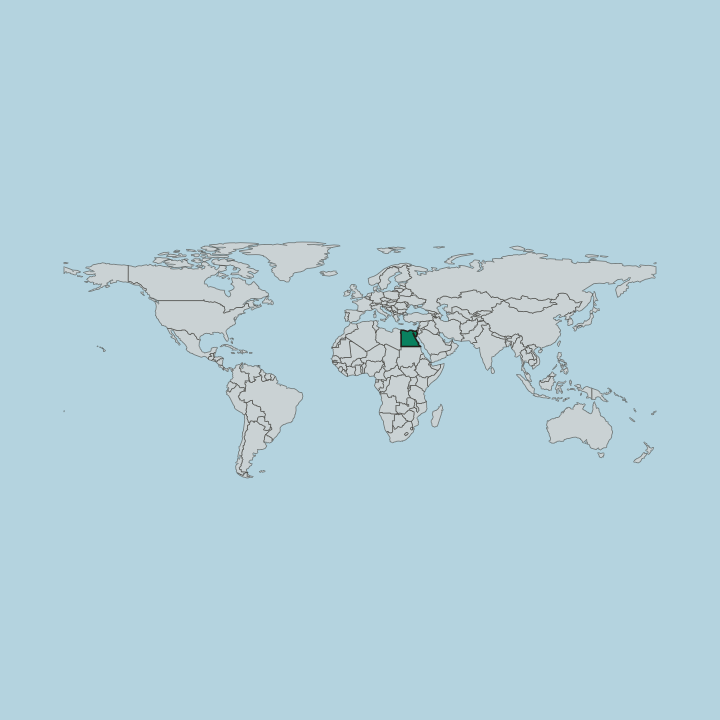
Rosetta lies at the western mouth of the Nile on the Mediterranean coast of Egypt. The town sits where the great river's Rosetta branch runs into the sea, among the palm groves and rice fields of the Nile Delta, near the city of Alexandria. Flat green fields ring the town.
The river meets the Mediterranean beyond.
What is the climate of Rosetta?
Rosetta has a mild, dry Mediterranean climate. Warm, humid summers are cooled by the sea breeze, and the winters stay mild with a little rain, kept gentle by the coast. Sea mist drifts over the delta at times.
The river and the sea keep the air soft.
How do you get to Rosetta?
Rosetta lies on the coast east of Alexandria in northern Egypt. The main road runs to it along the shore and down the delta from Alexandria, an hour to the west, and roads cross the fields to the Nile towns. Buses reach the delta towns around.
Most arrive by road from Alexandria.
Common questions
What is the best area to stay in Rosetta?
The old town: Visitors here for the Ottoman houses, museum, and market. The river mouth: Stays wanting the river, fort, and shore.
Good for
More cities in Beheira Governorate
Updated September 2026