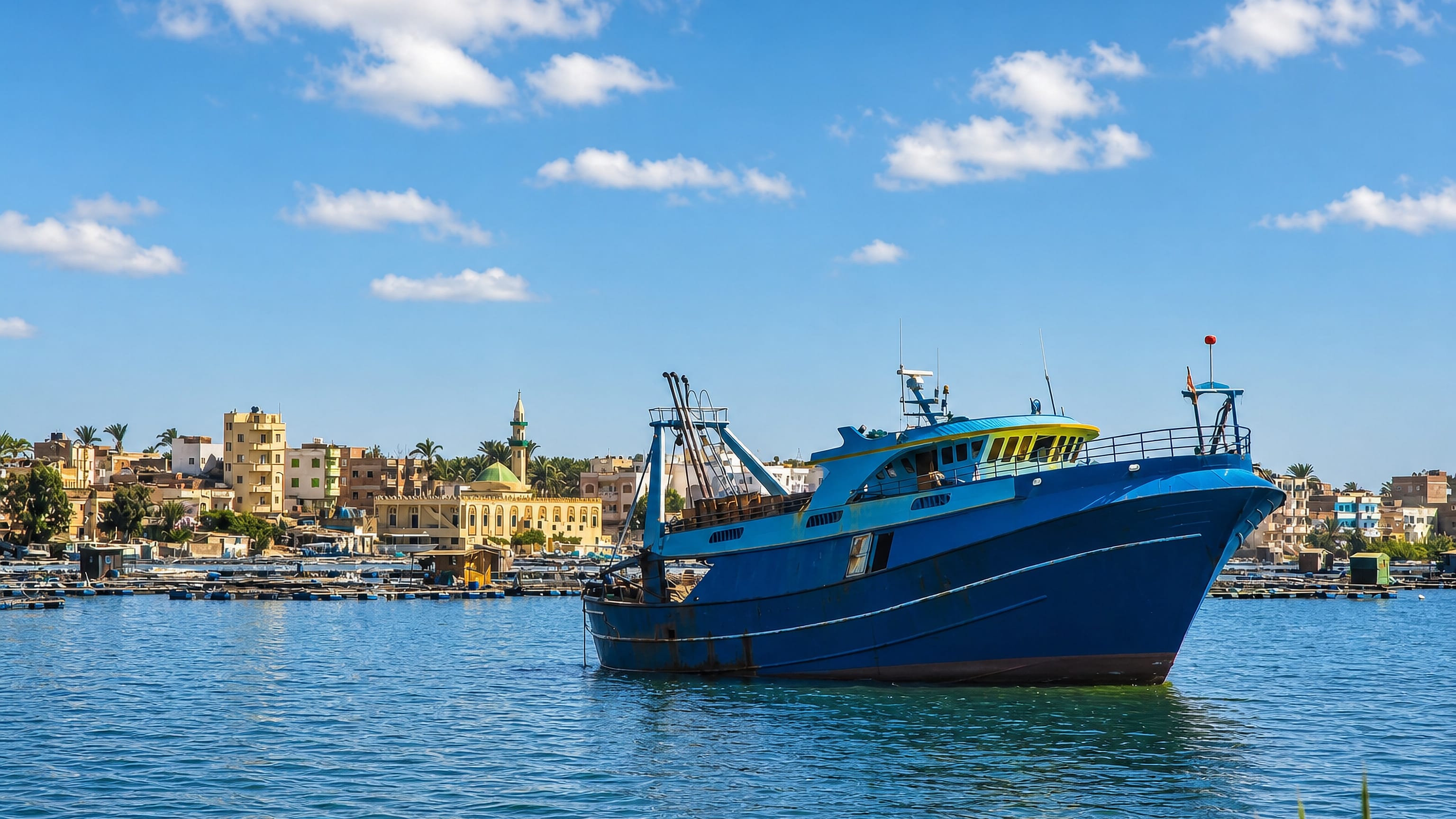
Egypt
Beheira Governorate, Egypt — Towns & Travel Guide
Beheira is Egypt's western Delta governorate, cotton country west of the Rosetta branch, with its capital at Damanhur.
Hotel links are affiliate links: booking through them may earn us a commission, at no extra cost to you. It never affects how places are ranked. How this works


Towns & cities in Beheira Governorate
Pick a town or city — each links to where to stay.

 Egypt
Egypt
Damanhur
Damanhur is the capital of the Beheira Governorate, a city of Lower Egypt in the middle of the western Nile Delta between Cairo and Alexandria.Where to stay →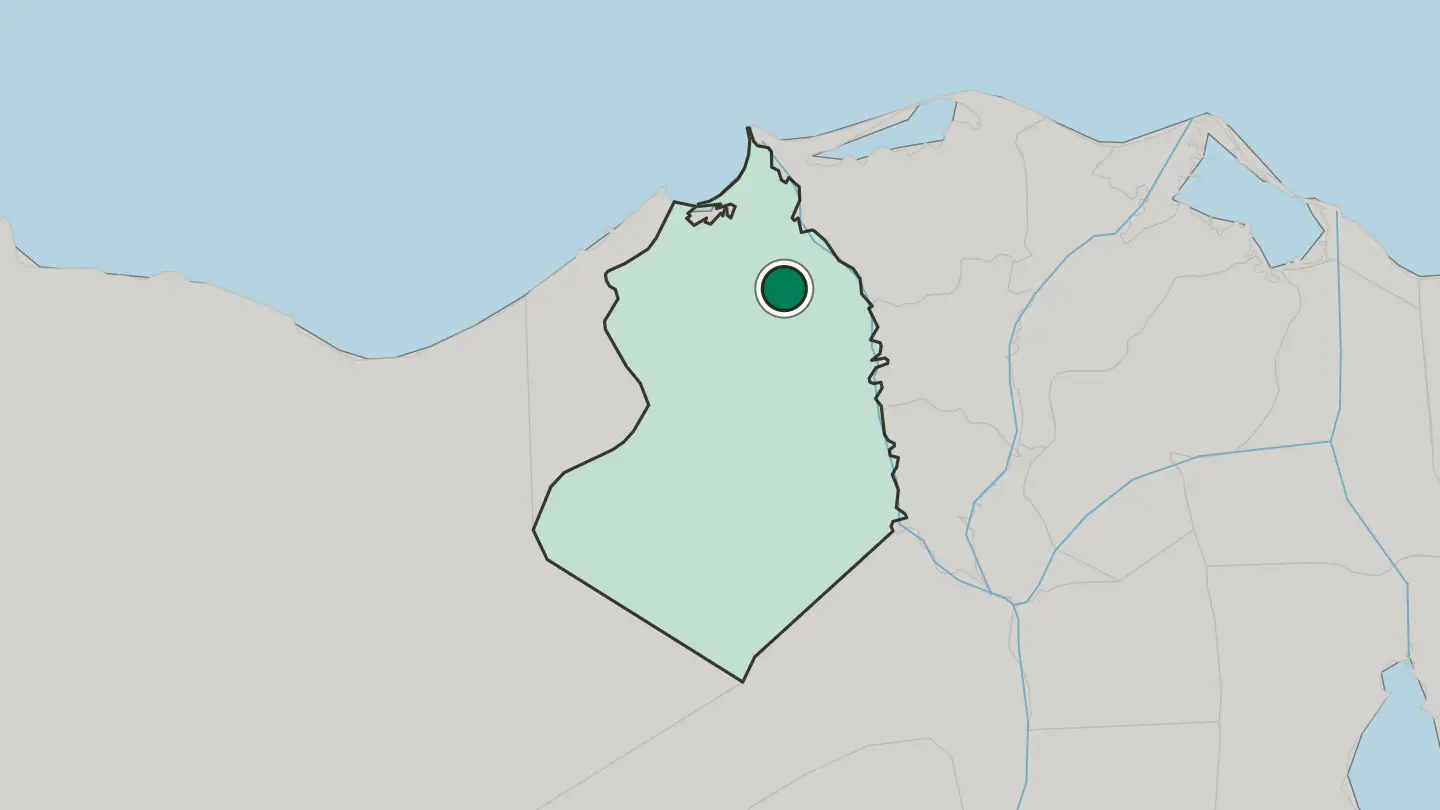
 Egypt
Egypt
Rosetta
Rosetta is a historic port town at the mouth of the Nile in Egypt, where the famous Rosetta Stone was found.Where to stay →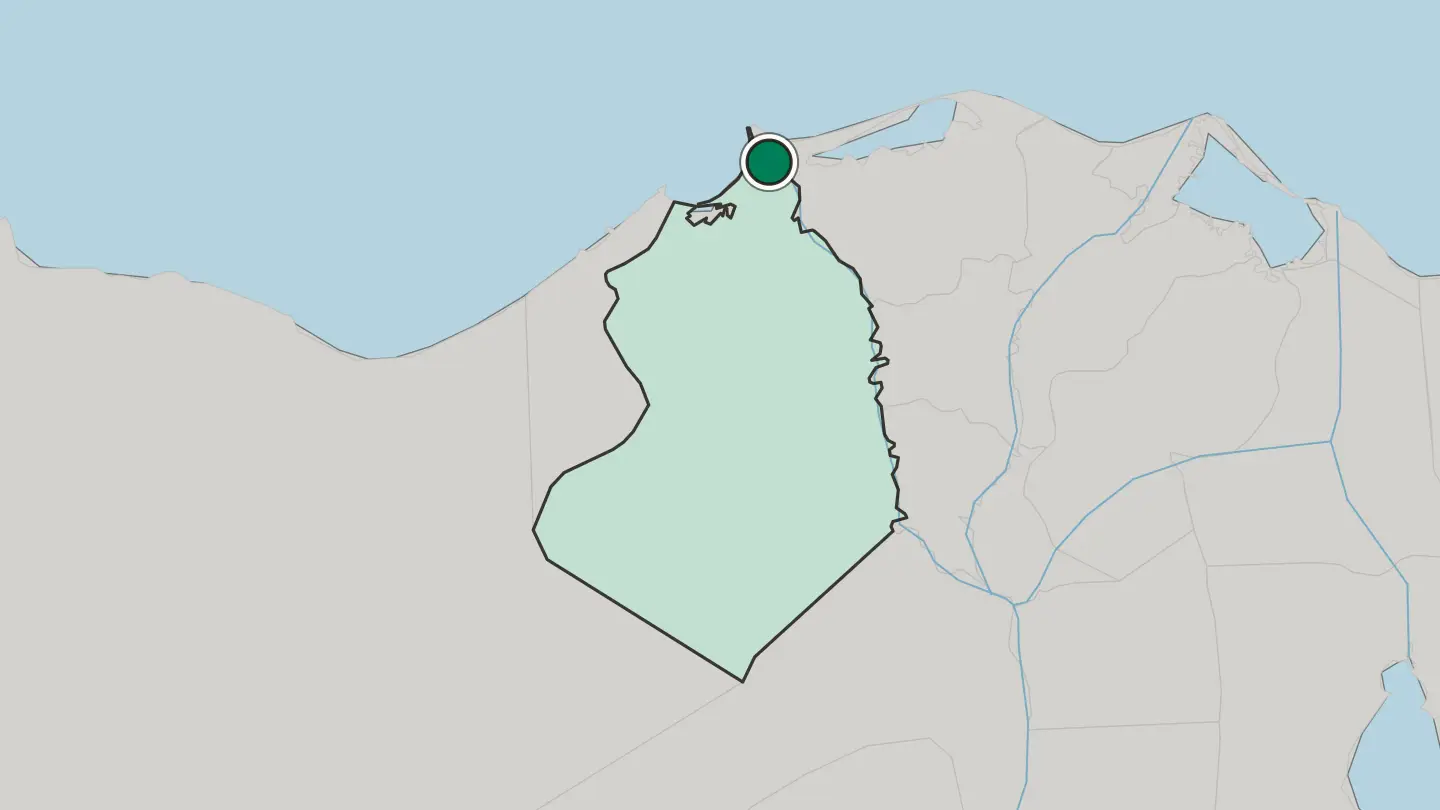
 Egypt
Egypt
Madīnat as Sādāt
Planned from scratch in 1978. Madīnat as Sādāt is one of Egypt's largest industrial cities, 94 kilometres northwest of Cairo.Where to stay →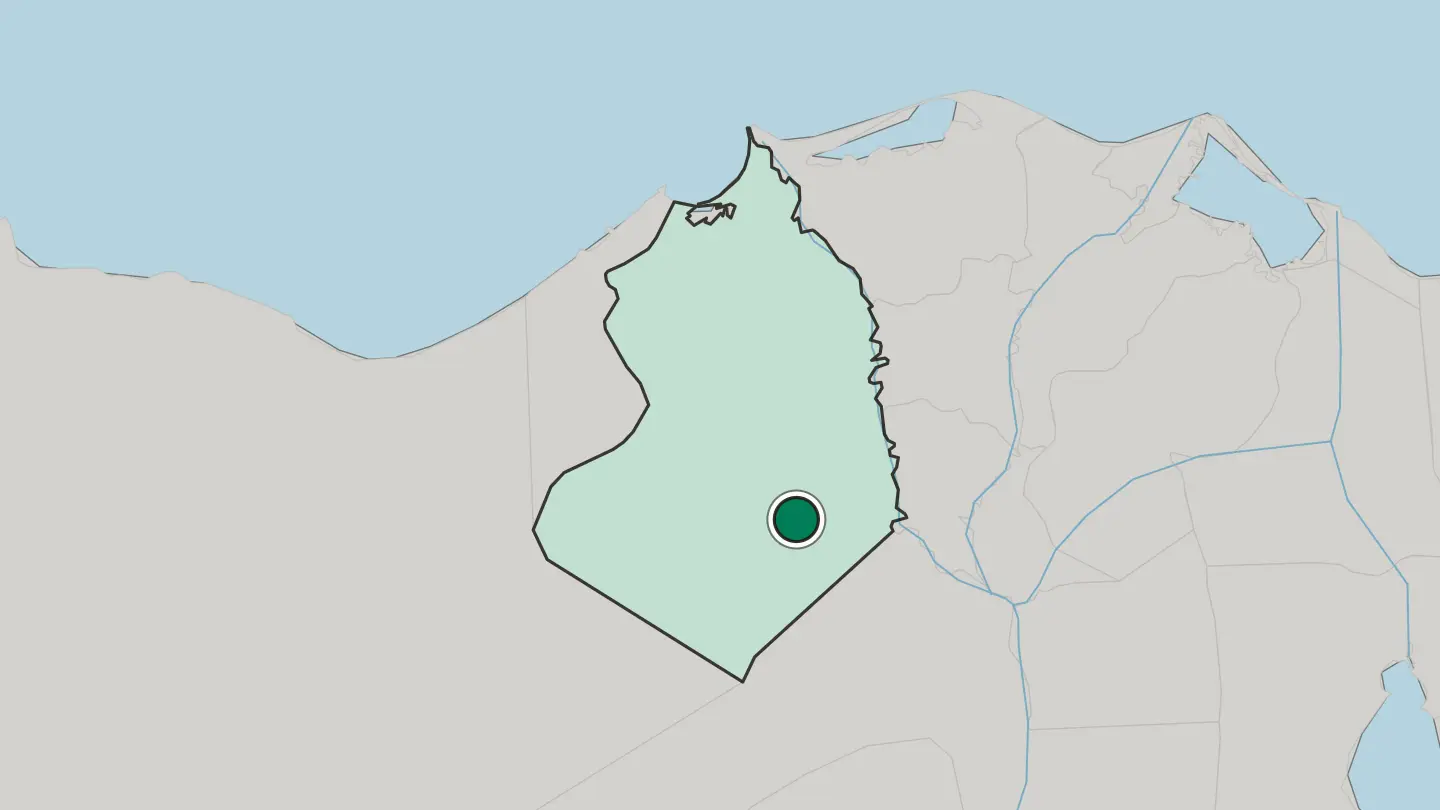
Hotel links are affiliate links: booking through them may earn us a commission, at no extra cost to you. It never affects how places are ranked. How this works
About Beheira Governorate
What is Beheira Governorate known for?
Beheira means "the Lake" in Arabic, and water defines it. The governorate fills the western Nile Delta, west of the Rosetta branch that carries the river down to the Mediterranean Sea. Its capital is Damanhur.
The town sits inland among the cotton and rice fields that make Beheira one of Egypt's great farming provinces, a plain of canals and green crops. On the coast stands Rosetta, the port where a broken slab of granite once handed the world the key to reading hieroglyphs. Fields, canals and a famous stone.
Where is Beheira Governorate?
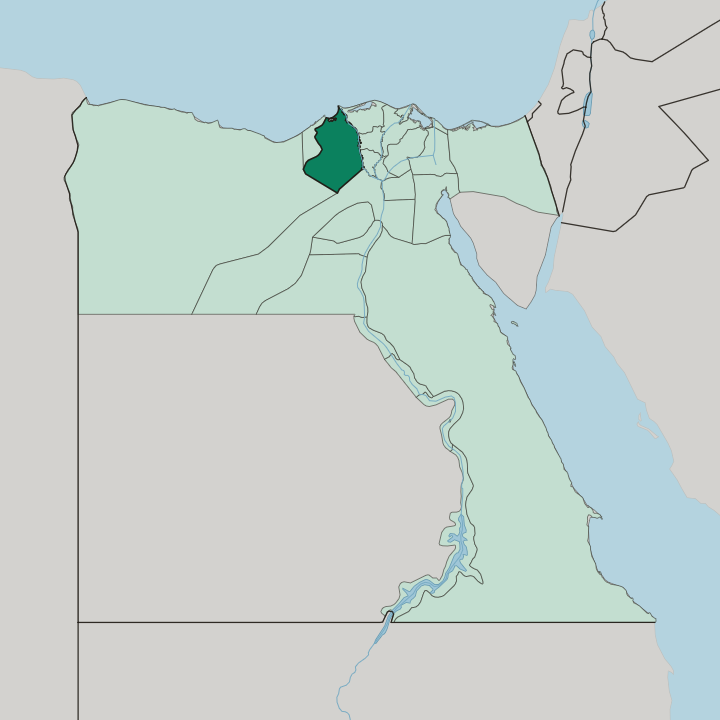
Beheira occupies the western wing of the Nile Delta, in the north of Egypt. The Rosetta branch of the Nile forms its eastern boundary, the western distributary that splits from the main river and runs north to empty into the sea at Rosetta. West of that branch spread the flat, canal-cut fields that give the governorate its shape.
To the north lies the Mediterranean Sea. Beheira's Mediterranean edge is a low string of dunes and brackish lagoons rather than a hard shore. The capital, Damanhur, stands well inland among those fields, in the middle of the western Delta.
Two great cities anchor the corners around it. Cairo lies to the south-east up the river, and Alexandria sits just off Beheira's north-western flank on the coast. Between them the land is farm after farm, one of the most productive stretches in Egypt, threaded by irrigation canals drawn off the Nile.
The port town of Rosetta guards the point where the river finally reaches the Mediterranean. Idku lies along the same coast, a fishing town beside a shallow coastal lake. Inland to the south-west the fields give way to the desert depression of Wadi El Natrun, a chain of salt lakes and ancient Coptic monasteries on the edge of the Western Desert.
Green Delta on one side, dry desert on the other, and the Nile branch drawing the line between farmland and sea.
What is Beheira Governorate like?
Beheira is agricultural to its roots, and the rhythm of the fields shapes daily life across the governorate. Cotton built its reputation. The rich Delta soil, renewed for millennia by the Nile's silt, feeds cotton alongside rice, wheat and maize, and Kafr el-Dawwar grew into a textile and industrial town spinning that cotton into cloth.
Market days pull farmers into Damanhur from the surrounding villages, and most people here live in the countryside rather than in the towns. Faith marks the land in an old way. Out in the desert fringe at Wadi El Natrun, Coptic monasteries have kept their prayers going since the earliest centuries of Christian monasticism, some of the oldest still-working monasteries anywhere.
The population is overwhelmingly Muslim, and Arabic is the language of the fields, the markets and the mosque, as across Egypt. Rosetta carries a different memory again. Its lanes of high Ottoman merchant houses, built of dark and pale brick, recall the centuries when the town outshone a declining Alexandria as the Delta's leading port.
Farmland, monastery and old trading port sit within a single province.
What is the history of Beheira Governorate?
The capital, Damanhur, is ancient. Its name comes from the Egyptian for "the settlement of Horus", and it served as a nome capital of Lower Egypt long before the pharaohs' line ran out. In the medieval centuries it became a Fatimid provincial seat and a caravan halt on the post road between Cairo and Alexandria, until an earthquake wrecked it in 1302 and the Mamluk sultan Barquq later rebuilt its walls.
Beheira's most famous moment came in 1799, when French soldiers digging a fort at Rosetta turned up the Rosetta Stone and, with it, the eventual key to ancient Egyptian writing.
What is the climate of Beheira Governorate?
Beheira has a hot desert climate softened by the Mediterranean Sea to the north. Summers are hot, dry and long. What little rain the governorate gets falls in winter, when mild, damp air pushes in off the coast and the fields turn their greenest.
Damanhur and the inland Delta run drier and hotter than the shore at Rosetta and Idku, where the sea keeps the edge of the day cooler. Rain is scarce and the sun is not.
How do you get to Beheira Governorate?
Most visitors reach Beheira through Alexandria, just to the west on the Mediterranean coast, whose two airports are the nearest gateways. From there Damanhur is about an hour by road or rail across the Delta. The governorate sits astride the old routes between Egypt's two largest cities, so trains and the desert road linking Cairo and Alexandria run straight through it, and Damanhur is a stop on that main line.
Rosetta and the northern coast are reached from Alexandria along the shore. Come in from the coast.
Common questions
What is the best area to stay in Beheira Governorate?
Damanhur: a base inside Beheira itself. Rosetta: the Rosetta Stone town and Ottoman houses. Alexandria: a wider choice of rooms near Beheira.
Good for
More regions in Egypt
Updated September 2026