Egypt · Cairo Governorate
Where to Stay in Cairo, Cairo Governorate
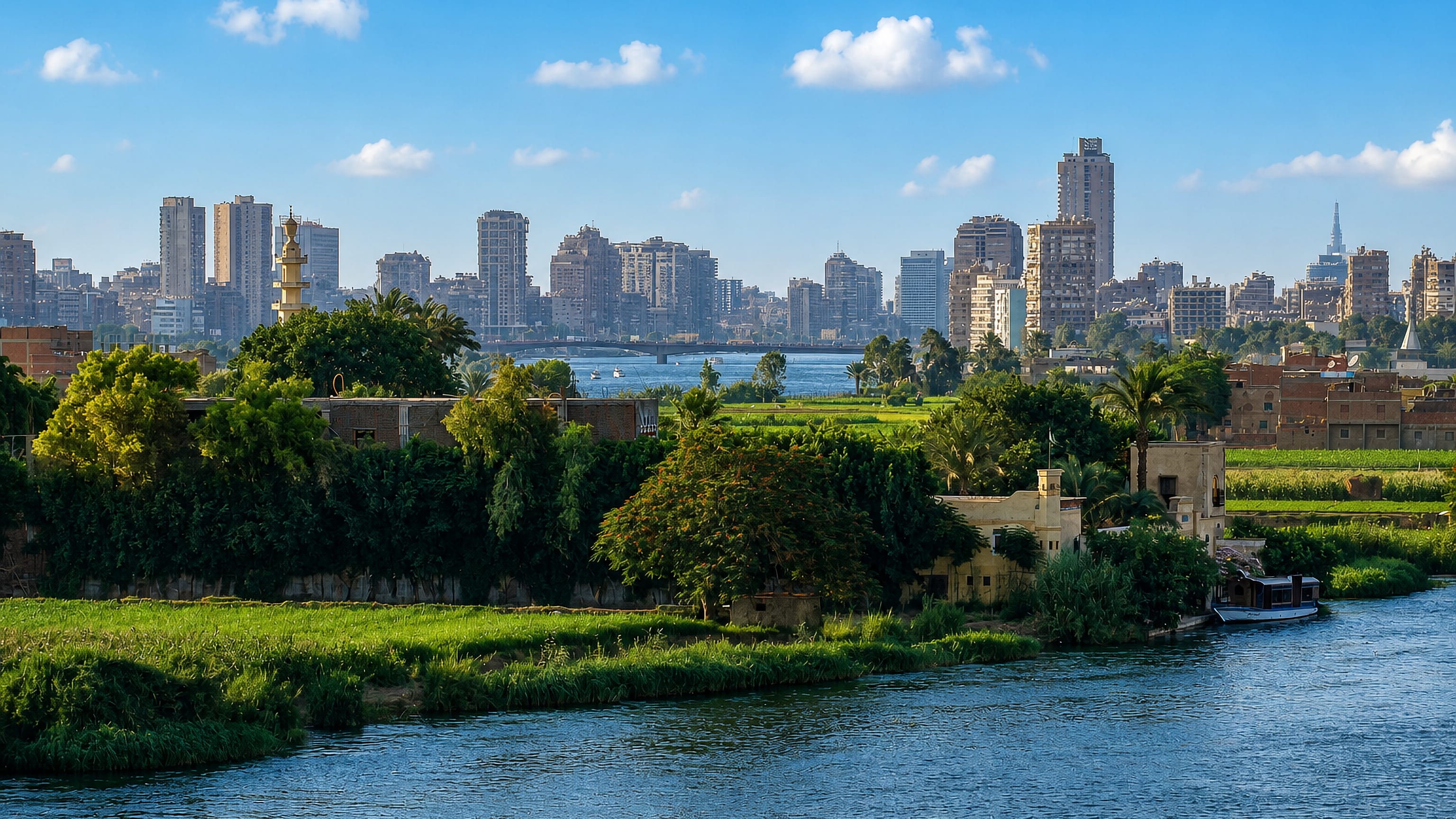
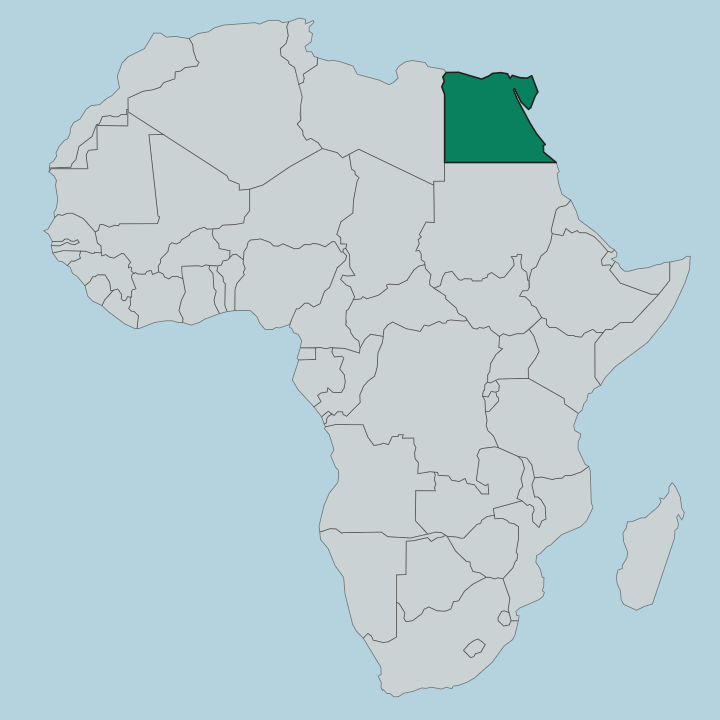
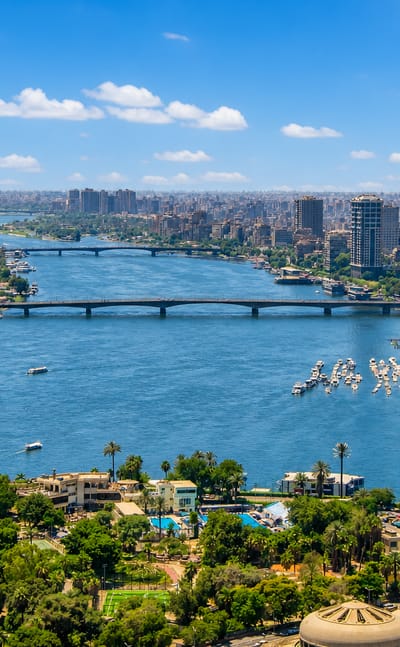
Cairo is the capital and largest city of Egypt, a dense old city of mosques and museums reaching out to the Giza pyramids.
Hotel links are affiliate links: booking through them may earn us a commission, at no extra cost to you. It never affects how places are ranked. How this works


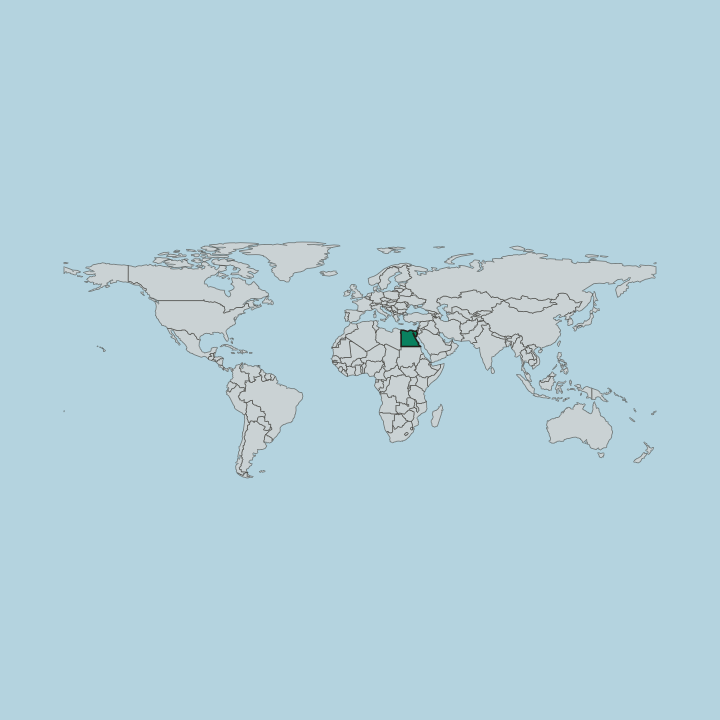
Where to stay in Cairo
Not every neighbourhood fits every trip — here's what each one is good for.
 CairoEgypt
Būlāq Abū al ‘Ilā
Būlāq Abū al 'Ilā is a Nile-side quarter of Cairo, holding the Egyptian Museum and the lion statues of the Qasr al-Nil Bridge.Where to stay →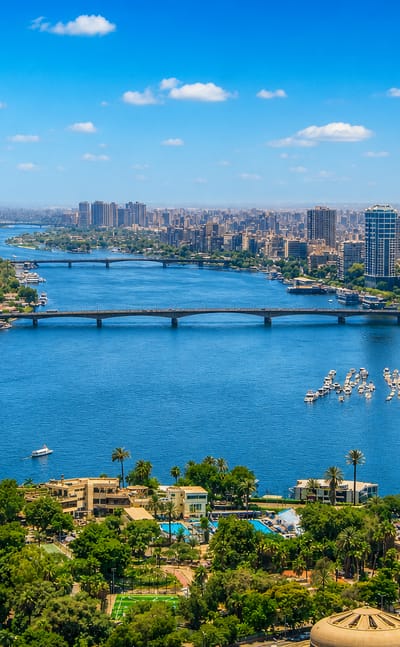 CairoEgypt
Ḩadā’iq al Qubbah
Ḩadā'iq al Qubbah is a garden district of Cairo, holding the Gamal Abdel Nasser Museum, the Al-Masala Obelisk, and Luna Park.Where to stay → CairoEgypt
Madīnat an Naşr
Madīnat an Naşr, or Nasr City, is a large planned district in the Eastern Area of Cairo, Egypt, its name meaning Victory City.Where to stay →Hotel links are affiliate links: booking through them may earn us a commission, at no extra cost to you. It never affects how places are ranked. How this works
Find hotels in Cairo
Direct booking searches for these neighbourhoods.
Coptic Cairo
Coptic Cairo gathers churches such as Saint Mark's Coptic Orthodox Cathedral in a quiet, layered corner of the old city.Find hotels in Coptic Cairothe medieval walled streetsBab al-Futuh
The gate of Bab al-Futuh opens onto old lanes of houses and palaces like Al-Suhaymi House and Beshtak Palace.Find hotels in Bab al-Futuhfirst-time museum sightseeingEgyptian Museum quarter
The streets around the Egyptian Museum and the Museum of Islamic Art keep the great collections and transport close.Find hotels in Egyptian Museum quarterHotel links are affiliate links: booking through them may earn us a commission, at no extra cost to you. It never affects how places are ranked. How this works
Things to do in Cairo
Ranked by global recognition; descriptions from Wikidata (CC0).
Museums & Galleries
3- Beshtak Palace Heritage
- Egyptian Museum
- Gayer-Anderson Museum
Churches & Religious Sites
3- Our Lady of Heliopolis Co-Cathedral
- Saint Mary Church
- All Saints' Cathedral, Cairo
Castles & Historic Sites
3- Manial Palace and Museum
- Aisha Fahmy Palace
- Al-Gawhara Palace
Parks & Gardens
1- Luna Park, Cairo
Landmarks & Notable Places
3- Al-Suhaymi House
- Bab al-Futuh
- House of al-Sinnary
worth knowingacross 5 categories in Cairo
About Cairo
What is Cairo known for?
Cairo is known as Egypt's capital and its largest city. The old core is packed with mosques, palaces, and museums, from the Egyptian Museum to the Museum of Islamic Art, while the Giza pyramid complex and the ancient cities of Memphis and Heliopolis stand within its wider bounds. Few cities reach back so far.
Founded in 969, Cairo grew into the great city of the Arab world and the seat of Egypt's government, a place where ancient and Islamic Egypt press up against each other in one sprawl.
What are the main landmarks in Cairo?
Cairo's landmarks run from the ancient to the Islamic. The Egyptian Museum holds a great collection of ancient Egypt, while the Museum of Islamic Art gathers work from the city's Islamic centuries. Old stone marks the medieval city.
The gate of Bab al-Futuh still stands in the walls, near merchant houses and palaces such as Al-Suhaymi House, Beshtak Palace, and the Gayer-Anderson Museum. Churches endure as well, among them Saint Mark's Coptic Orthodox Cathedral in the Coptic quarter. Beyond the built-up streets rise the Giza pyramids.
What is the history of Cairo?
Cairo's story begins long before the city itself. The ground here was settled in the days of ancient Egypt, when Memphis and Heliopolis stood as great cities and the Giza pyramid complex rose on the desert nearby, all of them held within the reach of the modern city. Those older centres faded with time, one after another.
Yet their monuments remained, and the site kept its weight at the meeting of the desert and the settled land of Egypt. The city of Cairo itself was founded in 969. Raised as a new capital by the rulers of the day, it grew across the centuries into the great city of the Arab world, its skyline filling with mosques and the gates and palaces of successive dynasties.
Later ages added Coptic churches and Islamic quarters alike to the growing city. Power gathered here. As capital of Egypt and centre of the Cairo Governorate, Cairo drew government, learning, and trade to itself, and the old walled city, marked by gates such as Bab al-Futuh, still sits at the core of the vast modern sprawl.
Where is Cairo?
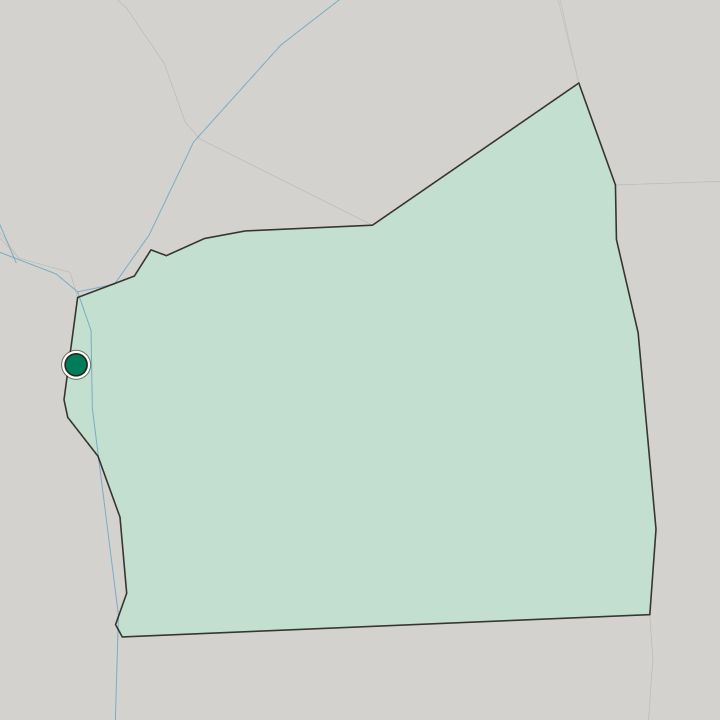
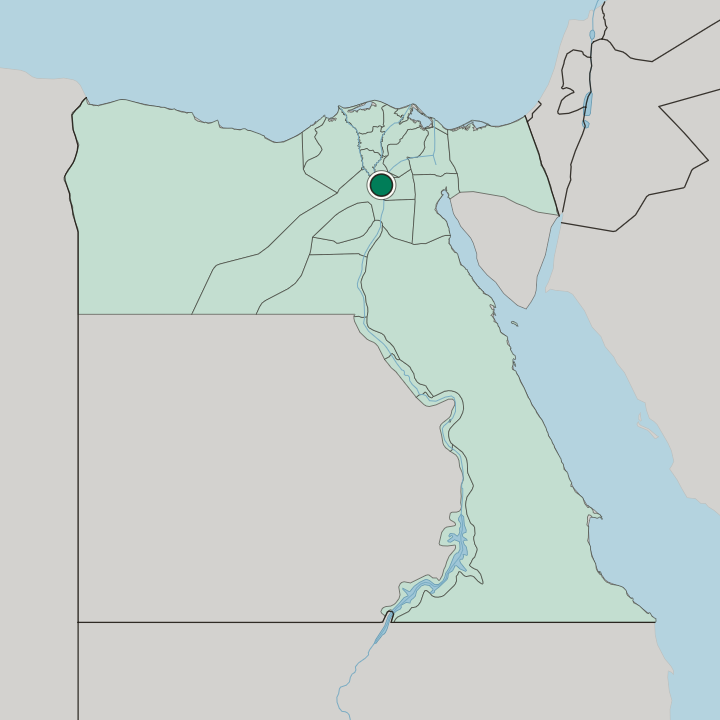
Cairo lies inland on the desert's edge, the great city at the centre of the Cairo Governorate. It spreads from a dense old core across dry, flat ground, reaching out until the streets give way to open desert, where the Giza pyramids stand at the city's limit. The ground is subtropical and dry.
Around the historic city the wider Greater Cairo runs on across the flats, a vast built-up expanse of Egypt ringed by desert on its open sides.
What is the climate of Cairo?
Cairo has a hot desert climate with almost no rain, among the driest in Egypt. Long summers bring dry, fierce heat to the city, while the short winters stay mild by day and cool after dark. Dust hangs in the air.
Spring can turn hazy when desert winds carry sand across Cairo, and the skies clear again as the season settles. Rain, when it comes at all, falls in brief winter showers.
How do you get to Cairo?
Cairo is the main way into Egypt. The city holds the country's main airport, drawing international flights from across Africa, the Arab world, and beyond. Trains and roads gather here too.
Rail lines and highways run out from Cairo to Alexandria and the rest of Egypt, while ring roads thread the traffic of Greater Cairo. Inside the city, a metro and endless buses carry the crowds, though the streets stay slow and dense.
Common questions
What is the best area to stay in Cairo?
Coptic Cairo: the ancient Christian quarter. Bab al-Futuh: the medieval walled streets. Egyptian Museum quarter: first-time museum sightseeing.
Good for
More cities in Cairo Governorate
Updated October 2026